
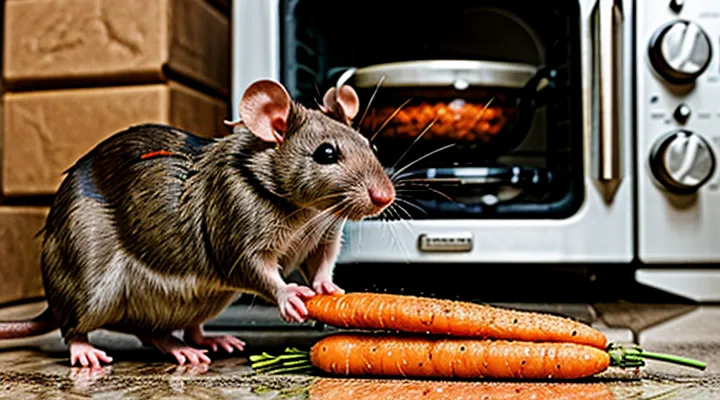
The Nutritional Value of Carrots for Rats
Key Nutrients in Carrots
Vitamins
Rats can safely consume cooked carrots, but the nutritional contribution of vitamins must be evaluated. Cooking softens the fiber, making carrots more palatable for rodents, yet heat alters vitamin content.
Carrots provide several micronutrients relevant to rodent health:
- Vitamin A (β‑carotene): high concentration; essential for vision, immune function, and epithelial maintenance. Cooking converts β‑carotene to a more absorbable form while preserving most of the content.
- Vitamin C: modest amount; rats synthesize this vitamin endogenously, so dietary supply is not critical. Thermal processing reduces levels by roughly 20 % compared to raw carrots.
- Vitamin K₁: present in small quantities; involved in blood clotting. Heat exposure causes minor degradation.
- B‑vitamins (B₁, B₂, B₃, B₆, B₉): trace amounts; heat can diminish these nutrients, though the overall impact on a rat’s diet remains minimal.
When offering cooked carrots, limit portions to 10–15 % of a rat’s daily caloric intake to avoid excess sugar and potential weight gain. Ensure the carrots are plain, without added salt, butter, or seasonings, which could interfere with vitamin absorption or cause toxicity.
In a balanced rodent diet, cooked carrots serve as a supplemental source of vitamin A and minor contributors of other vitamins. Regular monitoring of body condition and veterinary consultation help maintain optimal nutrient status.
Minerals
Rats require a balanced intake of essential minerals to support skeletal health, nerve function, and metabolic processes. Cooked carrots contribute several minerals, but the amounts differ from raw vegetables due to heat‑induced leaching.
Key minerals present in carrots and their relevance to rodent nutrition:
- Potassium – regulates fluid balance and muscle activity; cooking can reduce concentration by up to 15 %.
- Calcium – essential for bone formation; carrots provide modest levels, insufficient as a primary source for rats.
- Magnesium – involved in enzyme activation and DNA synthesis; heat modestly lowers bioavailability.
- Iron – supports oxygen transport; cooking improves absorption but overall content remains low.
- Phosphorus – works with calcium for skeletal integrity; carrots contribute a small fraction of daily needs.
When rats consume cooked carrots, the mineral profile should be considered alongside other dietary components. Excessive reliance on this single food may lead to deficiencies in calcium and phosphorus, while providing adequate potassium and magnesium if balanced with a complete rodent chow.
Veterinary nutrition guidelines advise offering cooked carrots as a supplemental treat, not a staple. Recommended practice:
- Limit portions to no more than 5 % of total daily caloric intake.
- Ensure the primary diet supplies required calcium and phosphorus from fortified pellets or laboratory‑grade feeds.
- Monitor water intake, as cooking can increase moisture content and affect electrolyte balance.
In summary, cooked carrots deliver useful minerals, especially potassium and magnesium, but their reduced calcium and phosphorus levels necessitate careful dietary planning to meet the mineral requirements of pet rats.
Fiber Content
Cooked carrots contain dietary fiber primarily in the form of soluble pectin and insoluble cellulose. A 100‑gram serving of boiled carrots provides approximately 2.8 grams of total fiber, with about 1.5 grams soluble and 1.3 grams insoluble. The fiber remains largely intact after cooking, though the soluble fraction becomes more readily fermentable by intestinal microbes.
For pet rats, adequate fiber supports gastrointestinal motility and promotes a healthy gut microbiome. Recommended daily fiber intake for an adult laboratory rat ranges from 5 to 7 grams, depending on body weight and activity level. Incorporating a small portion of cooked carrots—no more than 10 grams per day—contributes roughly 0.3 grams of fiber, fitting comfortably within the required range while adding moisture and modest carbohydrate content. Excessive carrot servings risk displacing higher‑fiber foods such as whole‑grain pellets or leafy greens, potentially leading to suboptimal digestive health.
Raw vs. Cooked Carrots
Changes in Nutritional Profile During Cooking
Cooking carrots alters their nutritional composition in ways that affect their suitability for rodent diets. Heat breaks down cell walls, releasing beta‑carotene and other carotenoids, which increases their absorption. However, prolonged exposure to high temperatures degrades vitamin C and reduces the content of heat‑sensitive antioxidants such as lutein.
- Macronutrients: Moisture loss concentrates carbohydrates and sugars; protein and fiber levels remain relatively stable.
- Vitamins: Beta‑carotene rises; vitamin C declines sharply; B‑vitamins experience moderate reductions.
- Minerals: Calcium, potassium, and magnesium are largely unaffected; iron becomes more bioavailable due to the breakdown of phytate complexes.
- Phytochemicals: Phenolic compounds partially degrade, while some glucosinolates convert into more absorbable forms.
For rats, the increased availability of beta‑carotene supports vitamin A synthesis, which is essential for vision and immune function. The loss of vitamin C is less critical because rats synthesize this vitamin endogenously. Elevated sugar concentration may pose a risk of excessive caloric intake if cooked carrots are offered in large quantities. Overall, cooking improves certain nutrient aspects while diminishing others; balanced inclusion of both raw and cooked carrots can provide a comprehensive nutrient profile for laboratory or pet rats.
Digestibility Differences
Rats readily consume carrots, and the method of preparation markedly influences nutrient absorption.
Raw carrots retain intact cellulose and hemicellulose, which resist enzymatic breakdown in the small intestine. Consequently, a larger proportion of fiber passes to the cecum, where microbial fermentation produces short‑chain fatty acids. Starch in raw carrots remains in a granular form, limiting rapid glucose uptake.
Cooking disrupts cell walls, softens fiber, and gelatinizes starch. Gelatinization increases enzymatic accessibility, raising the proportion of starch that is hydrolyzed in the small intestine. The softened fiber becomes more fermentable, yet the overall fiber content declines due to thermal degradation.
Typical digestibility shifts observed in laboratory rats:
- Starch digestibility: raw ≈ 45 % → cooked ≈ 70 %
- Fiber fermentability: raw ≈ 30 % → cooked ≈ 45 %
- Vitamin C retention: raw ≈ 100 % → cooked ≈ 55 % (heat‑sensitive)
The enhanced starch absorption from cooked carrots can support higher energy intake, but reduced vitamin C may necessitate supplemental sources. Increased fermentable fiber promotes cecal health, yet excessive softening may diminish the mechanical stimulus required for optimal gut motility.
Balancing raw and cooked carrot portions allows rats to benefit from both rapid carbohydrate availability and sustained fiber fermentation, aligning dietary composition with physiological requirements.
Safety and Feeding Guidelines
Are Cooked Carrots Safe for Rats?
Potential Benefits
Offering rats cooked carrots introduces several measurable advantages.
- Cooking converts raw carrot fiber into softer structures, facilitating enzymatic breakdown and nutrient uptake.
- Beta‑carotene becomes more bioavailable, providing a direct source of vitamin A essential for retinal health and cellular differentiation.
- Antioxidant compounds, such as lutein and zeaxanthin, remain stable after gentle heating, contributing to reduced oxidative stress.
- Soluble fiber content supports gastrointestinal motility, helping to prevent constipation and maintain a balanced microbiome.
Regular inclusion of modest portions—approximately one teaspoon of finely diced, steam‑softened carrot per 100 g of body weight—can enhance visual acuity, strengthen immune response, and aid in weight regulation when combined with a balanced diet.
Preparation guidelines: steam carrots until tender, avoid added salts or sugars, and serve at room temperature. Limit frequency to two to three times weekly to prevent excessive vitamin A accumulation.
Overall, integrating cooked carrots into a rat’s feeding regimen delivers digestible nutrients, antioxidant protection, and fiber benefits without compromising dietary balance.
Potential Risks
Feeding rats cooked carrots introduces several health concerns. Heat processing can degrade beta‑carotene, limiting the vitamin A benefit that raw carrots provide. The loss of fiber may affect gastrointestinal motility, potentially leading to constipation or irregular stool consistency.
Potential hazards include:
- Nutrient imbalance – cooked carrots contain higher simple sugar concentrations; excessive intake may cause hyperglycemia in diabetic‑prone rodents.
- Pesticide residue – cooking does not eliminate all chemical contaminants; residues may remain on the vegetable surface and accumulate with repeated feeding.
- Microbial growth – warm, moist food creates an environment for bacteria such as Salmonella or E. coli if not stored properly.
- Added ingredients – salt, butter, or oil frequently used in preparation introduce sodium or fat levels unsuitable for a rodent’s diet.
- Texture alteration – soft, mushy carrots reduce chewing activity, decreasing dental wear that is essential for maintaining healthy incisors.
Monitoring portion size, ensuring thorough cleaning, and limiting cooked carrots to occasional treats mitigates these risks. Regular dietary assessment remains essential for maintaining optimal rat health.
How to Prepare Cooked Carrots for Rats
Cooking Methods to Consider
Assessing whether pet rats can safely eat carrots that have been heated involves selecting preparation techniques that preserve nutrients, maintain a soft texture, and avoid harmful additives.
- Steaming – brief exposure to steam keeps beta‑carotene largely intact, produces a tender bite, and eliminates pathogens without introducing excess fat.
- Boiling – submerging carrot pieces in water for 3–5 minutes softens them sufficiently for small rodents; however, water‑soluble vitamins may leach out, so a short cooking time is essential.
- Roasting – low‑temperature oven roasting (150 °C/300 °F) for 10–12 minutes caramelizes sugars, enhancing palatability while retaining most nutrients; avoid high heat that can produce acrylamide.
- Microwaving – placing diced carrots in a microwave‑safe dish with a splash of water and heating for 1–2 minutes achieves quick softening; stir halfway to ensure even cooking.
- Sautéing – brief sauté in a non‑stick pan with a minimal amount of neutral oil (e.g., canola) for 2–3 minutes yields a slightly crisp exterior; limit oil to prevent digestive upset.
General guidelines for all methods:
- Cool cooked carrots to room temperature before offering them to rats.
- Serve in bite‑size pieces appropriate for the animal’s dentition.
- Refrain from adding salt, sugar, spices, or sauces.
- Store leftovers in a sealed container in the refrigerator and discard after 24 hours to prevent bacterial growth.
Choosing a method that balances nutrient preservation, texture, and safety ensures that cooked carrots become a suitable, occasional component of a rat’s diet.
Avoiding Unsafe Additives
Rats can safely consume cooked carrots when the preparation excludes harmful substances. Heat softens the fiber, making the vegetable easier to digest, but any additives introduced during cooking can pose health risks.
Potentially dangerous additives include:
- Salt or soy sauce, which increase sodium load and may cause dehydration.
- Butter, oil, or margarine, which add saturated fats and can lead to obesity.
- Seasonings containing garlic, onion, or chives, which are toxic to rodents.
- Sweeteners such as sugar, honey, or artificial syrups, which disrupt blood‑sugar regulation.
- Preservatives like nitrates, MSG, or artificial colors, which can irritate the gastrointestinal tract.
To ensure a safe snack, follow these steps:
- Wash carrots thoroughly to remove pesticide residues.
- Peel if the skin appears bruised or dirty.
- Boil or steam until tender; avoid adding any liquids other than water.
- Cool the carrots to room temperature before offering them to the rat.
- Serve in small portions, monitoring for any adverse reactions.
Consistent adherence to these guidelines eliminates exposure to toxic compounds while providing rats with a nutrient‑rich, palatable treat.
Recommended Serving Sizes
Frequency of Feeding
Rats can safely consume cooked carrots when offered in moderation. The digestive system of a rat tolerates soft, cooked vegetables better than raw, but the carbohydrate load must be controlled to prevent obesity and blood‑sugar spikes.
A typical feeding schedule for cooked carrots includes:
- Weekly provision – one to two small pieces (approximately ¼ inch cube) per adult rat, once per week.
- Bi‑weekly allowance – for younger or less active rats, reduce to one piece every two weeks.
- Special occasions – occasional larger portions (up to ½ inch cube) may be given, provided the overall diet remains balanced with protein, fiber, and low‑fat foods.
Adjust frequency based on the rat’s weight, activity level, and overall health. Overfeeding cooked carrots can displace essential nutrients and contribute to weight gain. Monitor body condition regularly; if weight increases rapidly, decrease or eliminate carrot servings.
Integrate cooked carrots as a supplemental treat rather than a staple. A balanced rodent diet should consist primarily of a high‑quality commercial pellet, fresh leafy greens, and occasional protein sources. Cooked carrots serve as a source of beta‑carotene and soluble fiber when presented within the recommended frequency.
Portion Control
Rats can safely consume cooked carrots when the amount is carefully regulated. Overfeeding introduces excess sugars and calories, which can lead to obesity and digestive upset. Portion control ensures the vegetable supplements the diet without displacing essential protein and fat sources.
Guidelines for serving cooked carrots to pet rats:
- Offer no more than one teaspoon of finely chopped carrot per week for a pair of adult rats.
- Divide the weekly allowance into two to three small servings to prevent sudden dietary changes.
- Verify that the carrot is plain, without butter, oil, salt, or seasoning.
- Cool the carrot to room temperature before presentation to avoid burns.
- Observe the rats for signs of reluctance or gastrointestinal distress; discontinue if symptoms appear.
Consistent monitoring of weight and overall health confirms that the portion size remains appropriate. Adjust the quantity if the rats gain weight rapidly or exhibit reduced activity. Properly measured servings integrate cooked carrots as a nutritious occasional treat.
Monitoring Your Rat’s Reaction
Signs of Digestive Upset
Rats that consume cooked carrots may exhibit digestive disturbances. Recognizing these signs enables timely intervention and prevents further health complications.
Typical indicators include:
- Soft, watery stools or sudden change in fecal consistency
- Reduced appetite or refusal to eat
- Lethargy, decreased activity, or reluctance to explore
- Abdominal swelling or visible discomfort when handled
- Unusual odor from the anal region or fur
If several of these symptoms appear after introducing cooked carrots, discontinue the food and monitor the animal closely. Persistent issues warrant veterinary evaluation to rule out underlying conditions such as bacterial imbalance, pancreatitis, or intestinal obstruction.
Allergic Reactions
Rats can develop allergic reactions to cooked carrots, although such cases are relatively uncommon. Allergens in carrots include proteins that may survive the cooking process, especially when carrots are boiled or steamed for short periods. When a rat is sensitized, exposure can trigger immune responses similar to those seen with other food allergens.
Typical signs of an allergic reaction in a rat are:
- Rapid breathing or wheezing
- Swelling of the face, ears, or paws
- Redness or hives on the skin
- Diarrhea or vomiting
- Lethargy and loss of appetite
If any of these symptoms appear after feeding cooked carrots, remove the food immediately and monitor the animal. Supportive care may involve:
- Providing fresh water to prevent dehydration.
- Administering antihistamines prescribed by a veterinarian.
- Observing for escalation to anaphylaxis, which requires emergency veterinary intervention.
Preventive measures include introducing new foods gradually, limiting carrot portions to small, well-cooked pieces, and keeping a record of any adverse reactions. Regular veterinary check‑ups can identify sensitivities before they become severe.
Alternative Vegetables for Rat Diets
Safe and Healthy Options
Leafy Greens
Rats can safely include a variety of leafy greens in their diet, providing essential vitamins, minerals, and fiber that support overall health. These vegetables complement other foods such as cooked root vegetables, offering a balanced nutritional profile.
Key leafy greens suitable for rats:
- Romaine lettuce – high in vitamin A and folate; serve fresh, washed thoroughly.
- Spinach – rich in iron and calcium; limit to small portions due to oxalic acid content.
- Kale – source of vitamins K, C, and A; offer in moderation to avoid excess calcium.
- Swiss chard – provides magnesium and potassium; remove thick stems before serving.
- Collard greens – contain antioxidants and fiber; chop finely for easy consumption.
Preparation guidelines:
- Rinse each leaf under running water to eliminate pesticides and soil residues.
- Remove wilted or discolored sections to prevent spoilage.
- Chop or shred into bite‑size pieces to encourage chewing and digestion.
- Offer fresh greens daily; discard leftovers after 24 hours to avoid bacterial growth.
Integrating leafy greens with cooked carrots and other protein sources creates a diet that mirrors the natural foraging behavior of rats, promoting dental health, digestive regularity, and immune function.
Other Root Vegetables
Rats can safely consume a variety of cooked root vegetables beyond carrots, provided the preparation follows strict dietary guidelines.
Cooked sweet potatoes deliver complex carbohydrates and beta‑carotene; steam or boil until soft, then cool to room temperature. Avoid adding butter, oil, salt, or spices, as these can disrupt gastrointestinal balance.
Parsnips offer fiber and vitamin C. Slice thinly, blanch for a few minutes, and serve plain. Overcooking reduces nutritional value, so limit simmering time to three minutes.
Beets supply iron and potassium. Boil whole beets until tender, peel, and dice. Feed in small portions; excessive beet consumption may cause darkened urine, a harmless but noticeable effect.
Turnips provide low‑calorie bulk and vitamin K. Peel, cube, and steam until fork‑soft. Do not feed raw turnip greens, which contain glucosinolates that can irritate a rat’s digestive tract.
Radishes are low in calories and high in water content. Boil briefly to soften the peppery bite, then rinse to remove any residual bitterness. Limit intake to prevent mild diuretic effects.
Avoid raw potatoes, as solanine is toxic to rodents. Cooked potatoes may be offered sparingly, peeled and boiled, without skins or seasoning.
All cooked root vegetables should be introduced gradually, observing the rat for signs of diarrhea or reduced appetite. Portion sizes should not exceed a quarter of a tablespoon per day for an adult rat, ensuring the vegetable component remains a supplement to a balanced pellet diet.
Consistent preparation standards—plain cooking, thorough cooling, and controlled portions—maintain nutritional benefits while preventing digestive disturbances.
Vegetables to Avoid
Rats can digest many plant foods, but certain vegetables pose health risks and should be excluded from their diet. Toxic compounds, high oxalate content, or indigestible fibers are the primary concerns.
Vegetables to avoid include:
- Tomatoes (green or unripe) – contain solanine, which is neurotoxic to rodents.
- Potatoes (raw or green skins) – also high in solanine and can cause gastrointestinal irritation.
- Eggplant – similar solanine concentration to tomatoes; raw or undercooked material is hazardous.
- Rhubarb leaves – contain oxalic acid, leading to kidney failure if ingested.
- Onions and garlic – cause hemolytic anemia by damaging red blood cells.
- Cabbage and broccoli (raw, large quantities) – produce excessive gas and may lead to digestive upset.
- Avocado – persin in the flesh can cause respiratory distress and heart damage.
When evaluating the suitability of cooked carrots, the presence of these harmful vegetables in a mixed diet can negate any nutritional benefit. Safe feeding practices involve offering only vetted, non‑toxic produce and monitoring for adverse reactions.