
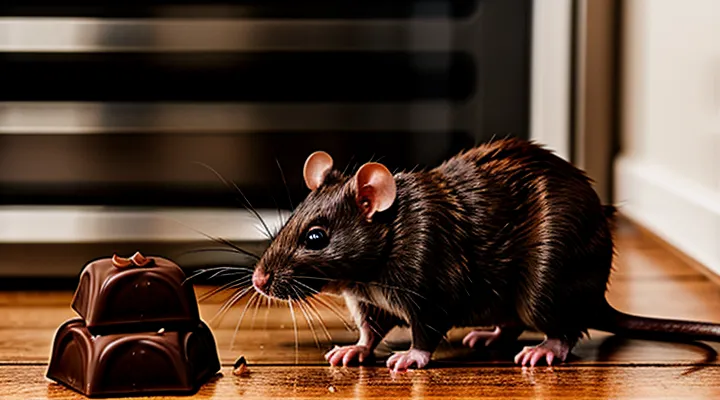
Introduction to Rat Diet
General Dietary Needs of Rats
Essential Nutrients for Rodents
Rats require a balanced diet that supplies specific nutrients for growth, reproduction, and immune competence. Protein, sourced from animal or plant proteins, provides essential amino acids such as lysine and methionine, which support muscle development and enzyme synthesis. Fat contributes concentrated energy and delivers essential fatty acids—linoleic and alpha‑linolenic acids—necessary for cell membrane integrity and hormone production. Carbohydrates, primarily from grains and vegetables, supply glucose for immediate energy and fiber that promotes gastrointestinal motility and microbial health.
Vitamins function as co‑enzymes in metabolic pathways. Vitamin A facilitates vision and epithelial maintenance; vitamin D regulates calcium absorption; vitamin E protects cell membranes from oxidative damage; B‑complex vitamins (B1, B2, B6, B12, niacin, folate) participate in energy metabolism and nervous system function. Minerals such as calcium, phosphorus, magnesium, potassium, and sodium maintain skeletal strength, nerve transmission, and fluid balance. Trace elements—including iron, zinc, copper, manganese, and selenium—support hemoglobin formation, antioxidant defenses, and enzymatic activity.
A typical rodent diet should contain the following approximate percentages by weight: protein 14‑20 %, fat 5‑10 %, fiber 5‑10 %, and carbohydrates 45‑60 %. Micronutrient levels must meet established laboratory animal nutrition guidelines to prevent deficiencies that could exacerbate health risks associated with toxic foods, such as chocolate, which contains compounds harmful to rats. Ensuring these nutritional standards reduces the likelihood that rats will seek inappropriate treats and helps maintain overall physiological resilience.
Foods to Avoid for Rat Health
Pet rats require a diet free of substances that can cause toxicity, metabolic disturbance, or digestive upset. Chocolate exemplifies a common treat that contains theobromine and caffeine, compounds that rats cannot metabolize efficiently and that may lead to rapid heart rate, seizures, or death.
- Chocolate and cocoa products – contain theobromine and caffeine; toxic at low doses.
- Citrus fruits and juices – high acidity can irritate the gastrointestinal tract and interfere with calcium absorption.
- Raw or undercooked beans – contain lectins and phytohemagglutinin, which damage intestinal lining.
- Onions, garlic, and related Allium species – produce hemolytic compounds that can cause anemia.
- Avocado (especially skin and pit) – contains persin, a toxin that can cause respiratory distress.
- High‑fat processed foods – lead to obesity, hepatic lipidosis, and pancreatitis.
- Artificial sweeteners (e.g., xylitol) – can cause rapid insulin release and hypoglycemia.
- Alcohol and caffeinated beverages – depress central nervous system function and increase heart rate.
Replace prohibited items with fresh vegetables (e.g., carrots, broccoli), small portions of whole‑grain cereals, and commercially formulated rat pellets that meet nutritional standards. Consistent access to clean water and regular health monitoring complete a safe feeding regimen.
Chocolate and Rats: A Detailed Analysis
Theobromine: The Toxic Component in Chocolate
How Theobromine Affects Rats
Theobromine, the bitter alkaloid that gives chocolate its stimulating properties, is rapidly absorbed in the rat gastrointestinal tract. Once in the bloodstream, it crosses the blood‑brain barrier and binds to adrenoceptors, producing increased heart rate, elevated blood pressure, and heightened neuronal activity. Rats lack the hepatic enzymes required for efficient metabolism of theobromine, resulting in prolonged circulation times and accumulation of toxic concentrations.
Key physiological responses observed in rats after theobromine exposure include:
- Cardiac arrhythmias and tachycardia
- Vasodilation leading to hypotension followed by reflex hypertension
- Muscle tremors and seizures due to central nervous system excitation
- Gastrointestinal upset, including vomiting and diarrhoea
- Renal stress from increased diuresis and possible electrolyte imbalance
Lethal doses for rats range from 100 mg kg⁻¹ to 200 mg kg⁻¹, depending on strain, age, and health status. Sub‑lethal doses can still cause significant distress and long‑term organ damage, underscoring the risk of offering chocolate or any theobromine‑containing product to rodent populations.
Toxicity Levels by Chocolate Type
Rats process theobromine, a bitter alkaloid present in cocoa, far more slowly than many other mammals. Accumulation of this compound quickly reaches toxic concentrations, making chocolate hazardous for rodents even in small servings.
- Dark chocolate (70 % cocoa or higher) – contains approximately 200 mg theobromine per ounce (≈7 mg g⁻¹). Reported lethal dose for rats is about 100 mg kg⁻¹ body weight; a 250‑g rat can die after ingesting roughly 2 g of this chocolate.
- Semi‑sweet chocolate (45‑60 % cocoa) – averages 150 mg theobromine per ounce (≈5 mg g⁻¹). Lethal dose remains near 100 mg kg⁻¹, so a 250‑g rat may succumb after 3 g.
- Milk chocolate – provides roughly 60 mg theobromine per ounce (≈2 mg g⁻¹). Toxic threshold for a 250‑g rat is about 6 g; symptoms appear after 2–3 g.
- White chocolate – contains negligible theobromine (<1 mg g⁻¹) but includes high fat and sugar. While not acutely toxic, excessive intake can cause gastrointestinal distress and obesity.
- Unsweetened cocoa powder – theobromine concentration reaches 1,000 mg kg⁻¹. A single teaspoon (≈5 g) supplies enough theobromine to approach the lethal dose for a small rat.
The toxicity relationship is linear: higher cocoa content yields greater theobromine per gram, reducing the amount required to reach dangerous levels. Even trace amounts of dark or semi‑sweet chocolate can be fatal, whereas milk chocolate presents a narrower safety margin. White chocolate poses minimal acute risk but contributes caloric overload. For any experimental or pet‑care scenario, avoid offering chocolate to rats altogether.
Symptoms of Chocolate Poisoning in Rats
Mild Symptoms
Chocolate contains theobromine, a compound that rats metabolize slowly. Even modest ingestion can produce observable changes without progressing to severe toxicity.
Typical mild manifestations include:
- Restlessness or increased activity
- Slight tremor of the whiskers or facial muscles
- Reduced appetite for a few hours
- Mild diarrhea, often watery and intermittent
- Elevated heart rate detectable by palpation or monitoring equipment
These signs usually appear within 30 minutes to two hours after consumption and may resolve within 12–24 hours if exposure is limited. Owners should monitor affected rodents closely, recording any behavioral or physiological deviations. If symptoms persist beyond one day or intensify, professional veterinary assessment is warranted. Immediate removal of chocolate sources and provision of fresh water help mitigate discomfort and support recovery.
Severe Symptoms
Chocolate contains theobromine, a methylxanthine that rats metabolize slowly. Doses exceeding 100 mg/kg can overwhelm hepatic clearance, leading to systemic toxicity. Acute exposure often produces life‑threatening effects.
Severe manifestations include:
- Muscle tremors and uncontrolled shaking
- Generalized seizures progressing to status epilepticus
- Rapid heart rate with irregular rhythm or ventricular fibrillation
- Elevated body temperature and hyperthermia
- Respiratory distress, marked by labored breathing or apnea
- Profound weakness progressing to collapse and death
Prompt veterinary intervention is essential once any of these signs appear. Monitoring blood theobromine concentration and providing supportive care—such as anticonvulsants, antiarrhythmic agents, and temperature regulation—improves survival odds.
First Aid for Chocolate Ingestion
Immediate Actions
If a rat consumes chocolate, act without delay. Remove any remaining pieces from the cage to prevent further exposure. Observe the animal closely for signs such as rapid breathing, tremors, seizures, or unusual aggression.
- Contact a veterinarian or an emergency animal poison control service immediately; provide details on the type of chocolate, estimated amount, and the rat’s weight.
- Follow professional advice on whether to induce vomiting; this may involve administering a small dose of hydrogen peroxide (1 ml per 100 g body weight) only under veterinary guidance.
- Keep the rat warm and quiet; limit handling to reduce stress while monitoring vital signs.
- Record the time of ingestion and all actions taken; this information assists medical personnel in assessing toxicity levels.
- Prepare for possible supportive care, including intravenous fluids or anticonvulsant medication, as directed by the veterinarian.
Prompt intervention can prevent severe complications such as cardiac arrhythmia or fatal neurotoxicity.
When to Seek Veterinary Care
Chocolate contains theobromine, a stimulant that rats metabolize poorly. Even small amounts can trigger neurological and cardiovascular disturbances. Recognizing the point at which professional intervention becomes necessary can prevent irreversible damage.
- Rapid breathing or panting
- Tremors, seizures, or uncontrolled muscle activity
- Elevated heart rate exceeding 500 bpm
- Profuse vomiting or diarrhea persisting more than one hour
- Collapse, unconsciousness, or inability to stand
If any of these signs develop within minutes to a few hours after exposure, contact a veterinarian immediately. When the ingested quantity is unknown or appears substantial—more than a quarter of a standard chocolate bar for a typical adult rat—seek care even in the absence of symptoms, because delayed toxicity may emerge.
When calling the clinic, provide the rat’s weight, the type and amount of chocolate consumed, and the time elapsed since ingestion. Bring the remaining chocolate, if possible, to assist the veterinarian in estimating the toxic dose. Prompt assessment and treatment, often involving activated charcoal and supportive fluid therapy, improve survival odds.
Safe Treats and Alternatives
Healthy Food Options for Rats
Fruits and Vegetables
Rats metabolize theobromine, the toxic compound in chocolate, far more slowly than humans, leading to seizures, cardiac arrhythmias, and potentially fatal outcomes. Consequently, any sweet treat offered to a rodent must exclude chocolate and other caffeine‑containing products.
Fruit and vegetable options provide natural sugars without theobromine risk. Suitable items include:
- Apples (core and seeds removed)
- Blueberries
- Strawberries
- Carrots, sliced thinly
- Bell peppers, any color, diced
- Zucchini, raw or lightly steamed
These foods supply vitamins, fiber, and antioxidants while maintaining safe glycemic levels for rats. Portion control is essential; a piece no larger than a thumb tip per feeding prevents digestive upset. Introduce new items gradually, monitoring for signs of diarrhea or reduced appetite.
When substituting sugary snacks with the listed produce, owners eliminate the primary hazard associated with chocolate consumption and support overall rodent health through balanced nutrition.
Grains and Proteins
Rats require a diet that supplies sufficient carbohydrates and amino acids to support growth, reproduction, and immune function. Whole grains such as wheat, oats, and barley provide digestible starches, fiber, and micronutrients. Protein sources—including soy, lentils, and low‑fat animal meals—deliver essential amino acids that rats cannot synthesize.
When chocolate is introduced, theobromine and caffeine interfere with normal metabolism. These alkaloids increase heart rate and stimulate the central nervous system, reducing the effectiveness of nutrients from grains and proteins. The resulting imbalance can lead to weight loss, muscle wasting, and impaired digestion.
To maintain health while avoiding toxic sweet treats, provide a balanced mix of:
- Whole grain pellets or rolled oats (30‑40 % of daily intake)
- Soy‑based or insect‑derived protein meals (20‑30 % of daily intake)
- Fresh vegetables for vitamins and minerals (10‑15 % of daily intake)
- Clean water available at all times
Regular monitoring of body condition and food consumption helps detect early signs of toxicity, ensuring that rats receive the nutrients they need without exposure to harmful sweets.
Preparing Safe Treats
Portion Control
Chocolate contains theobromine, a compound that rats metabolize far more slowly than humans. Even a small piece can exceed the toxic threshold, making precise portion control essential for any experiment or pet care involving sweet treats.
A safe approach requires measuring theobromine content rather than estimating chocolate size. The lethal dose for rats averages 200 mg of theobromine per kilogram of body weight. Dark chocolate typically holds 5–7 mg of theobromine per gram; milk chocolate contains about 1–2 mg per gram. Using these figures, a 150‑gram laboratory rat (approximately 0.15 kg) would reach toxicity after ingesting roughly 30 mg of theobromine, equivalent to 5 g of dark chocolate or 15 g of milk chocolate.
Practical guidelines:
- Weigh the rat before any feeding.
- Calculate the maximum safe theobromine amount: body weight (kg) × 200 mg.
- Convert theobromine limit to chocolate weight using the specific chocolate’s concentration.
- Use a calibrated scale to deliver the exact amount; avoid hand‑picking or breaking pieces.
- Observe the animal for at least two hours after exposure for signs such as rapid breathing, tremors, or seizures.
If any adverse reaction appears, initiate veterinary care immediately. Consistent adherence to measured portions eliminates accidental overdose and provides reliable data for research involving rodents and sugary foods.
Frequency of Treats
Rats metabolize sugars and fats differently from humans, so the regularity of any sweet treat directly influences their health. Frequent exposure to sugary foods accelerates weight gain, disrupts gut flora, and heightens the risk of dental decay. When chocolate is introduced, the presence of theobromine adds a toxic element that compounds these effects.
- No more than one small, non‑chocolate treat per week.
- Chocolate should be limited to a single, tiny piece (approximately 0.2 g) no more than once a month.
- Treats must be offered after a balanced feeding schedule, never as a replacement for staple nutrition.
- Record each treat in a log to monitor cumulative intake.
Excessive treat frequency overwhelms the liver’s capacity to process theobromine, leading to symptoms such as hyperactivity, tremors, or cardiac irregularities. Even low‑dose chocolate, if given repeatedly, can accumulate to toxic levels. Limiting sweets to the intervals outlined above reduces metabolic strain, preserves dental integrity, and prevents long‑term organ damage.