
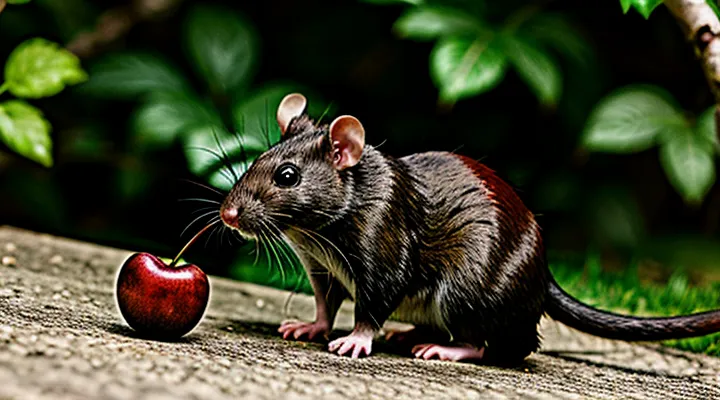
The Nutritional Profile of Cherries
Vitamins and Minerals in Cherries
Cherries supply a range of micronutrients that influence rodent health. A typical serving (100 g) contains approximately 7 mg vitamin C, 0.2 mg vitamin A (as β‑carotene), 222 mg potassium, 11 mg magnesium, 0.4 mg iron, and 0.1 mg copper. Vitamin C supports collagen synthesis and immune function, while vitamin A contributes to visual acuity and cellular differentiation. Potassium regulates fluid balance and nerve transmission; magnesium participates in enzymatic reactions and muscle relaxation. Iron is required for hemoglobin formation, and copper assists in iron metabolism and antioxidant enzyme activity.
Key considerations for feeding cherries to rats:
- Dosage: Limit intake to no more than 10 % of daily caloric intake to avoid excess sugar and potential gastrointestinal upset.
- Bioavailability: The high water content enhances absorption of water‑soluble vitamins but may dilute mineral concentration relative to dry feed.
- Interactions: Elevated potassium can affect renal excretion pathways; monitor in rats with compromised kidney function.
- Storage: Fresh cherries retain vitamin C; freezing reduces it by up to 30 %, while drying concentrates minerals but degrades heat‑sensitive vitamins.
Overall, cherries contribute beneficial micronutrients when incorporated sparingly into a balanced rodent diet.
Antioxidants and Other Beneficial Compounds
Cherries contain high levels of anthocyanins, vitamin C, and polyphenols. These antioxidants neutralize free radicals, reducing oxidative stress in mammalian tissues. In rats, supplementation with anthocyanin‑rich cherry extracts has been shown to lower markers of lipid peroxidation and improve hepatic antioxidant enzyme activity (e.g., superoxide dismutase, catalase).
Additional compounds in cherries contribute to health outcomes:
- Fiber: promotes gastrointestinal motility, supports a balanced microbiome, and may mitigate constipation common in laboratory rodents.
- Potassium: assists in maintaining electrolyte balance and supports normal cardiac function.
- Melatonin: present in the fruit skin, offers neuroprotective effects and regulates circadian rhythms, which can influence experimental variability.
- Quercetin and other flavonoids: exhibit anti‑inflammatory properties, attenuating cytokine release in models of induced inflammation.
Potential adverse effects arise from excessive intake:
- Sugar content: high fructose concentrations can exacerbate hyperglycemia and insulin resistance if cherry consumption exceeds typical dietary levels.
- Cyanogenic glycosides: trace amounts in cherry pits release cyanide; improper removal of pits may pose toxicity risks.
- Allergenic proteins: rare but possible sensitization in predisposed rodents, leading to respiratory or dermal reactions.
Balanced inclusion of fresh or processed cherry material—limited to 5–10 % of total diet weight, pits removed, and sugar contribution monitored—maximizes antioxidant benefits while minimizing metabolic and toxicological concerns.
Can Rats Eat Cherries?
Understanding Rat Digestive Systems
Rats possess a short, simple gastrointestinal tract designed for rapid processing of high‑energy foods. The stomach is glandular, secreting hydrochloric acid and pepsin to denature proteins. The small intestine, approximately three times body length, contains brush‑border enzymes that break down carbohydrates, fats, and proteins. The cecum is modest, limiting fermentation of complex fibers compared with herbivorous rodents.
Cherry flesh supplies simple sugars, vitamin C, and anthocyanins, all readily absorbed in the small intestine. Rats lack the specific β‑glucosidases needed to detoxify cyanogenic glycosides found in cherry pits; these compounds can release cyanide when metabolized. The limited cecal capacity reduces the ability to ferment large amounts of fiber, making excessive cherry skin or pulp potentially disruptive to gut motility.
Practical considerations for offering cherries to rats:
- Remove pits completely before presentation.
- Offer only a small slice (no more than 5 mm × 5 mm) per 100 g of body weight.
- Limit frequency to two or three times per week to avoid sugar overload.
- Monitor fecal consistency for signs of diarrhea or soft stools.
When these precautions are observed, cherry consumption can provide antioxidant benefits without overwhelming the rat’s digestive physiology.
Potential Risks of Feeding Cherries to Rats
Cyanide in Cherry Pits
Cherry pits contain amygdalin, a glycoside that hydrolyzes to glucose, benzaldehyde, and hydrogen cyanide (HCN). The release of HCN occurs when the pit is crushed, chewed, or exposed to moisture and enzymes in the gastrointestinal tract. In rats, as in other mammals, cyanide interferes with cellular respiration by binding to cytochrome c oxidase, halting oxidative phosphorylation.
Acute toxicity for laboratory rats is documented at approximately 2 mg HCN per kilogram of body weight. A single cherry pit, weighing about 0.5 g, can yield up to 0.2 mg of cyanide when fully broken down. Consequently, ingestion of several pits can approach or exceed the lethal dose for a typical adult rat (250 g). Sub‑lethal exposure may cause respiratory distress, convulsions, and metabolic acidosis.
When offering cherries to rats, the following precautions reduce risk:
- Remove all pits before presenting the fruit.
- Limit fresh cherry flesh to no more than 1 g per 100 g of rat body weight per day.
- Monitor for signs of cyanide poisoning: rapid breathing, tremors, or loss of coordination.
- If a pit is accidentally ingested, provide immediate access to fresh water and consider veterinary assistance.
Adhering to these measures ensures that the nutritional benefits of cherries—antioxidants, vitamins, and fiber—can be enjoyed without exposing rats to cyanide toxicity.
Choking Hazards
Feeding cherries to rats introduces a specific choking risk because the fruit contains pits and firm flesh that can obstruct a small animal’s airway. A whole pit, even when removed, may leave a sizable fragment that a rat can swallow whole or become lodged in the throat. Soft flesh can detach and form a blockage if the rat attempts to ingest a large bite without adequate chewing.
Key points to consider:
- Remove the pit entirely; discard any remaining stone fragments.
- Cut the flesh into pieces no larger than 0.5 cm (approximately the size of a grain of rice).
- Observe the rat while it eats; intervene immediately if the animal exhibits gagging, pawing at the mouth, or labored breathing.
- Provide fresh water nearby to aid in clearing minor obstructions.
Failure to follow these precautions can result in respiratory distress, loss of consciousness, or death. Immediate veterinary attention is required if choking symptoms appear, as prompt intervention may prevent permanent damage.
Sugar Content and Digestive Upset
Cherries contain approximately 13 % sugar by weight, primarily fructose and glucose. A single medium cherry provides about 1 g of sugar; a rat weighing 250 g would ingest roughly 4 % of its daily caloric intake from just one fruit. Rats metabolize simple sugars efficiently, yet their natural diet supplies far less carbohydrate, making sudden spikes in blood glucose possible.
Elevated sugar intake can disrupt the rat’s gastrointestinal balance. Potential effects include:
- Osmotic diarrhea caused by unabsorbed fructose drawing water into the lumen.
- Fermentation of excess sugars by gut microbiota, producing gas and bloating.
- Irritation of the intestinal mucosa, leading to transient inflammation and reduced nutrient absorption.
These digestive disturbances may appear within hours of consumption and resolve after 24–48 hours if the diet returns to low‑sugar staples. Continuous exposure increases the risk of chronic gut dysbiosis and weight gain, undermining overall health.
Benefits of Cherries for Rats
Antioxidant Properties
Cherries contain high levels of anthocyanins, vitamin C, and quercetin, compounds that neutralize free radicals and reduce oxidative stress in mammalian tissues. In laboratory rats, dietary inclusion of these antioxidants has been shown to lower markers of lipid peroxidation, improve hepatic enzyme profiles, and enhance recovery after induced oxidative injury.
- Anthocyanins: absorb at 520 nm, scavenge superoxide radicals, modulate NF‑κB signaling.
- Vitamin C: water‑soluble, regenerates oxidized vitamin E, supports collagen synthesis.
- Quercetin: flavonoid, inhibits xanthine oxidase, stabilizes mitochondrial membranes.
Excessive cherry consumption can introduce high sugar loads, potentially aggravating hyperglycemia and weight gain in rodents. Monitoring caloric intake and limiting portion size mitigate these risks while preserving antioxidant benefits.
Hydration and Fiber
Cherry flesh provides a high water content, roughly 84 % by weight, which can contribute meaningfully to a rat’s daily fluid intake. When fresh cherries are offered in modest portions, the additional moisture helps maintain normal urine output and reduces the risk of dehydration, especially in warm environments or when water sources are limited.
Fiber in cherries is primarily soluble pectin, accounting for about 2 % of the fruit’s mass. Soluble fiber forms a viscous gel in the gastrointestinal tract, slowing gastric emptying and promoting steady glucose absorption. In rats, this effect can moderate post‑prandial blood‑sugar spikes and support gut motility. The insoluble fraction, though minor, adds bulk that stimulates peristalsis and can prevent constipation.
Potential drawbacks arise from excessive cherry consumption:
- High sugar concentration (≈12 % fructose) may overwhelm hepatic metabolism, leading to transient hyperglycemia.
- Over‑hydration from large volumes of fruit can dilute electrolytes, risking hyponatremia.
- Pits contain cyanogenic glycosides; ingestion of whole pits poses a toxic hazard.
To balance benefits and risks, a safe protocol includes:
- Offering fresh cherry flesh without pits, limited to 5–10 % of the rat’s total daily diet by weight.
- Monitoring water consumption to ensure total fluid intake (water plus fruit moisture) stays within normal limits (approximately 10 ml per 100 g body weight).
- Observing stool consistency and body weight weekly; adjust portion size if signs of diarrhea or weight loss appear.
When administered according to these guidelines, cherries can serve as a supplemental source of hydration and soluble fiber, enhancing digestive health without compromising metabolic stability.
How to Safely Offer Cherries to Rats
Preparation Guidelines
Removing Pits and Stems
Feeding cherries to rats requires thorough removal of pits and stems before offering the fruit. The stone contains cyanogenic compounds that can release toxic hydrogen cyanide when chewed, while the stem harbors sharp fibers that may cause oral injury or intestinal blockage.
- Use a clean, sharp knife to slice the cherry lengthwise.
- Extract the pit with a tip‑to‑tip motion, ensuring no fragment remains.
- Trim the stem at its base, discarding the entire stalk.
- Rinse the flesh under cool running water to eliminate residual debris.
- Pat dry with a paper towel before serving.
Proper preparation eliminates acute toxicity risks and reduces mechanical hazards. If pits or stems are left intact, rats may experience:
- Cyanide poisoning symptoms such as respiratory distress, tremors, or sudden death.
- Oral lacerations, gum inflammation, or gastrointestinal obstruction.
- Reduced appetite due to discomfort, leading to nutritional deficiencies.
Only small portions of pit‑free, stem‑free cherry flesh should be introduced gradually, monitoring the animal for any adverse reaction. This protocol maximizes the fruit’s antioxidant benefits while safeguarding rat health.
Washing Cherries
Properly washed cherries are essential when offering the fruit to laboratory or pet rats. Residual pesticides, soil particles, or microbial contaminants can cause gastrointestinal upset or exacerbate metabolic stress in rodents. The washing process must eliminate surface residues without compromising the fruit’s nutritional integrity.
A reliable washing protocol includes three distinct stages:
- Rinse: Place cherries in a fine‑mesh colander. Run cool, running water over them for 30 seconds, using gentle agitation to dislodge loose debris.
- Soak: Transfer cherries to a bowl containing a solution of one part white vinegar to three parts water. Soak for two minutes; the mild acidity neutralizes many pesticide residues and reduces bacterial load.
- Final rinse: Remove cherries from the solution, rinse again under cool running water for 20 seconds. Pat dry with a clean paper towel or allow air‑dry on a sterile rack before serving.
When washing large batches, a food‑grade sanitizer (e.g., a 200 ppm chlorine solution) may replace the vinegar soak, provided the solution is thoroughly rinsed afterward to avoid chlorine residues. After washing, inspect each cherry for stems, pits, or bruised areas; remove any damaged pieces, as they increase the risk of mold growth.
Feeding rats washed, pit‑free cherries in moderation delivers antioxidants, vitamins C and A, and dietary fiber. However, excessive intake can introduce excess sugars, potentially leading to weight gain or dysbiosis. By adhering to the outlined washing steps, the benefits of cherry consumption are maximized while minimizing health hazards for rats.
Serving Size Recommendations
When offering cherries to a rat, limit the portion to a small fragment to avoid digestive upset and excess sugar. A single, seed‑free cherry slice measuring about 1 cm × 2 cm (approximately 2–3 g) is sufficient for an adult laboratory or pet rat. Provide this amount no more than twice per week, ensuring the fruit is fresh, washed, and completely pitted.
- Maximum daily intake: 2–3 g of cherry flesh per rat.
- Frequency: 2 times per week, spaced by at least 48 hours.
- Preparation: Remove all pits, cut into bite‑size pieces, rinse to eliminate pesticide residues.
- Monitoring: Observe for signs of diarrhea, weight gain, or reduced activity; discontinue if any adverse reaction occurs.
Adjust quantities for juvenile rats or those with health conditions, reducing the serving proportionally. Consistent adherence to these limits maintains the nutritional benefit of cherries while minimizing potential harm.
Frequency of Feeding
Rats can safely eat cherries when the fruit is offered in limited quantities and at appropriate intervals. Over‑feeding introduces excessive sugar and the risk of gastrointestinal upset, while infrequent, small portions provide antioxidant benefits without overwhelming the digestive system.
Guidelines for cherry feeding frequency:
- Maximum serving: one to two small cherry pieces (approximately 2–3 g) per rat.
- Frequency: no more than three times per week, ensuring at least two days without cherry exposure between servings.
- Preparation: remove pits completely; pits contain cyanogenic compounds that are toxic even in minute amounts.
- Observation: monitor for signs of diarrhea or reduced appetite after each exposure; discontinue if adverse reactions appear.
Adhering to these intervals balances the nutritional advantages of cherries—such as vitamins C and A and polyphenols—with the need to limit sugar intake and avoid toxicity. Consistency in feeding schedule supports overall health while minimizing potential harms.
Types of Cherries and Their Suitability
Sweet Cherries vs. Tart Cherries
Sweet cherries contain higher levels of fructose and glucose, delivering rapid energy to rats. Their soft flesh reduces chewing effort, making them suitable for young or dental‑compromised individuals. However, the elevated sugar load can promote obesity, insulin spikes, and dental decay if offered frequently.
Tart cherries present lower sugar concentrations and higher organic acid content, particularly malic and citric acids. The acidity supports liver detoxification pathways and may reduce inflammation, which can benefit rats with joint or respiratory issues. Excessive acidity, however, may irritate the gastrointestinal lining and cause diarrhea in sensitive animals.
Key distinctions:
- Sugar content – Sweet: ~13 g/100 g; Tart: ~8 g/100 g.
- Acidic pH – Sweet: 3.8–4.2; Tart: 3.2–3.6.
- Antioxidant profile – Both rich in anthocyanins, but tart varieties show higher cyanidin‑3‑glucoside concentrations.
- Caloric density – Sweet: ~63 kcal/100 g; Tart: ~50 kcal/100 g.
When integrating cherries into a rat diet, limit portions to 1–2 g of fresh fruit per 100 g of body weight per week. Monitor weight, coat condition, and stool consistency to detect early signs of metabolic imbalance or gastrointestinal upset. Rotate between sweet and tart varieties to balance energy intake with anti‑inflammatory benefits while avoiding overexposure to either high sugar or high acidity.
Canned or Processed Cherries: A Warning
Canned and processed cherries pose specific risks for rats that differ from those associated with fresh fruit. High concentrations of added sugars increase the likelihood of obesity, insulin resistance, and dental decay. Preservatives such as sulfites can cause gastrointestinal irritation, respiratory distress, and, in susceptible individuals, hemolytic anemia. The heating process used in canning often reduces natural antioxidant levels, diminishing any protective benefits the fruit might offer.
Key hazards include:
- Excessive sugar – rapid caloric intake, altered gut microbiota.
- Sulfite and other additives – mucosal inflammation, potential allergic reactions.
- Artificial colorants – possible behavioral changes, unknown metabolic effects.
- Softened texture – higher risk of choking or aspiration.
For safe feeding practices, provide only fresh, unsweetened cherries in limited quantities. If processed cherries are the only source, rinse thoroughly to remove surface sugars and preservatives, then offer a small test portion while monitoring for adverse reactions. Regular veterinary checks are advisable for rats with a history of dietary sensitivities.
What to Do if Your Rat Eats a Cherry Pit
Recognizing Symptoms of Cyanide Poisoning
Recognizing cyanide poisoning in rodents requires careful observation of physiological changes that occur rapidly after exposure. The most reliable indicators include:
- Bright red or pink mucous membranes, reflecting impaired oxygen utilization.
- Labored breathing accompanied by a sharp, metallic odor on the breath.
- Sudden collapse, loss of muscle tone, and inability to right themselves.
- Seizure‑like activity or uncontrolled twitching.
- Dilated pupils that do not react to light.
Additional signs may appear within minutes: a rapid heart rate that soon transitions to bradycardia, vomiting, and profuse salivation. Blood tests reveal elevated lactate levels and a marked decrease in arterial oxygen saturation despite normal respiratory effort.
When cherry pits are present in a rat’s diet, the released cyanogenic glycosides can generate cyanide, making prompt identification of these symptoms critical. Immediate intervention—administering hydroxocobalamin or sodium thiosulfate—can reverse the toxic effects if applied before irreversible cellular damage occurs. Continuous monitoring of vital signs and rapid laboratory confirmation are essential components of effective treatment.
Immediate Actions and Veterinary Consultation
If a pet rat has eaten cherries, remove any remaining fruit promptly. Inspect the mouth for pits or skin fragments and discard them to prevent obstruction or irritation. Observe the animal for changes in behavior, appetite, or stool consistency within the first few hours.
Typical adverse reactions include:
- vomiting or regurgitation
- watery or loose feces
- reduced activity or signs of lethargy
- excessive drooling or pawing at the mouth
If any of these signs appear, contact a veterinarian without delay. When calling, provide the rat’s age, weight, and the estimated amount of cherry consumed. Mention whether the pit was ingested, as it can cause gastrointestinal blockage. If possible, bring a sample of the fruit or a piece of the pit for identification.
During the veterinary visit, expect a physical examination focused on the gastrointestinal tract. The clinician may order radiographs to detect a lodged pit or recommend supportive care such as fluid therapy, anti‑emetics, or monitoring for potential cherry‑derived sugar overload. Follow all prescribed treatments precisely and keep the rat in a quiet, temperature‑controlled environment until recovery is confirmed.
Alternative Safe Fruits for Rats
Berries
Berries, including cherries, are frequently offered to laboratory and pet rats as occasional treats. Their nutritional profile differs markedly from standard rodent chow, providing concentrated sources of sugars, vitamins, and phytochemicals that can influence health outcomes.
Potential advantages of incorporating berries into a rat’s diet:
- Elevated vitamin C levels support immune function and antioxidant defenses.
- Natural sugars supply quick energy, useful during brief periods of increased activity.
- Anthocyanins and other polyphenols may reduce oxidative stress and inflammation.
Possible risks associated with berry consumption:
- High sugar content can promote weight gain and insulin resistance if offered excessively.
- Seeds and pits contain cyanogenic compounds; ingestion of whole pits may lead to toxicity.
- Fiber overload may cause gastrointestinal upset, including diarrhea and bloating.
Balancing these factors requires limiting berry portions to a small percentage of total caloric intake, removing pits, and monitoring individual rat responses to ensure benefits outweigh potential harms.
Other Fruit Options
Rats can safely enjoy a variety of fruits beyond cherries, provided each option is offered in moderation and monitored for individual tolerance.
- Apples – Soft flesh supplies fiber and vitamin C; remove seeds to avoid cyanogenic compounds.
- Blueberries – Rich in antioxidants; small size allows easy portion control.
- Bananas – High potassium and carbohydrate content; limit to thin slices to prevent excess sugar.
- Strawberries – Source of folate and vitamin K; wash thoroughly to eliminate pesticide residues.
- Melons (cantaloupe, honeydew) – Hydrating flesh with vitamin A; serve seed‑free, chilled portions.
Each fruit introduces sugars that can upset gut flora if overfed. Introduce new items gradually, observe stool consistency, and discontinue any fruit that triggers diarrhea or reduced appetite. Provide fruit no more than 5 % of the total diet, complementing a balanced rodent pellet regimen.