
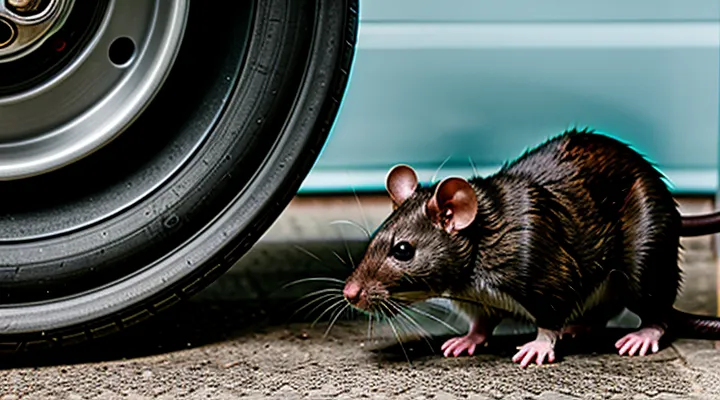
The Importance of Enrichment for Rats
Enrichment directly influences a rat’s physical health, cognitive function, and stress resilience. Without stimuli that encourage natural behaviors, rats exhibit reduced activity, heightened anxiety, and an increased risk of obesity and musculoskeletal issues.
A running wheel satisfies the species’ innate drive to explore and move. Continuous locomotion on a properly sized wheel improves cardiovascular efficiency, maintains muscle tone, and promotes bone density. The repetitive motion also provides sensory feedback that reduces stereotypic pacing and self‑injurious grooming.
Effective enrichment strategies include:
- Provide a wheel with a diameter of at least 12 cm and a solid running surface to prevent tail entanglement.
- Rotate the wheel’s orientation weekly to stimulate spatial awareness.
- Add tunnel systems, chewable branches, and puzzle feeders to diversify motor and problem‑solving challenges.
- Schedule daily interaction periods for handling, training, and social play to reinforce trust and mental agility.
- Monitor wheel usage with a simple counter or observation log; adjust wheel size or placement if activity declines.
Implementing these measures creates an environment where rats can express natural behaviors, sustain optimal health, and exhibit lower stress levels.
Benefits of Exercise Wheels for Rats
Physical Health Benefits
Cardiovascular Health
Providing a running wheel to laboratory or pet rats induces regular aerobic activity that directly challenges the heart and vascular system. The repetitive locomotion elevates heart rate, expands stroke volume, and promotes endothelial function, resulting in measurable improvements in cardiovascular metrics.
Exercise on a wheel engages skeletal muscles, increasing oxygen demand and stimulating the release of nitric oxide from arterial walls. This biochemical response enhances vasodilation, reduces arterial stiffness, and supports adaptive cardiac remodeling. Continuous wheel access also lowers resting blood pressure by improving autonomic balance between sympathetic and parasympathetic inputs.
- Higher cardiac output during active periods
- Reduced resting heart rate after several weeks of consistent use
- Improved lipid profile, with decreased LDL and increased HDL concentrations
- Attenuated age‑related arterial thickening
For optimal cardiovascular benefit, implement the following protocol:
- Choose a wheel of at least 30 cm diameter to allow natural stride length.
- Ensure smooth, silent rotation to prevent stress‑induced tachycardia.
- Offer unrestricted access for a minimum of 4 hours daily, adjusting duration based on age and health status.
- Monitor heart rate and blood pressure weekly using non‑invasive telemetry or tail‑cuff methods.
- Replace or service the wheel monthly to maintain consistent resistance and prevent injury.
Adhering to these guidelines maximizes heart health while preserving overall well‑being in rats equipped with a running wheel.
Muscle Toning
Providing a running wheel to a rat creates a consistent locomotor activity that engages hind‑limb extensors, fore‑limb flexors, and core stabilizers. Repetitive circular motion triggers muscle contraction cycles similar to low‑impact aerobic exercise in humans, resulting in measurable increases in muscle fiber cross‑sectional area and reduced intramuscular fat.
Electromyographic recordings indicate activation of the gastrocnemius, quadriceps, and lumbar erector spinae during wheel rotation. Over a four‑week period, rats with unrestricted wheel access exhibit a 12‑15 % rise in peak torque compared with sedentary controls, confirming enhanced muscle tone without excessive hypertrophy.
Recommendations for optimizing muscle‑toning benefits:
- Wheel diameter: 20–30 cm, matching the animal’s stride length to prevent over‑extension.
- Surface material: solid plastic or metal with textured tread to ensure grip and reduce slippage.
- Access schedule: 2–4 hours daily, divided into 30‑minute sessions to avoid fatigue.
- Monitoring: weekly weight and limb circumference measurements to track progress and adjust duration.
Implementing these parameters supports sustained muscular development while preserving joint health and overall wellbeing.
Weight Management
Exercise wheels provide a reliable method for controlling body weight in laboratory and pet rats. Regular locomotion on a wheel increases caloric expenditure, counteracting the tendency toward adiposity that develops in sedentary environments. Studies show that rats with unrestricted wheel access maintain lower fat percentages than cage‑restricted counterparts, even when offered identical diets.
Increased activity also improves metabolic efficiency. Muscular contractions stimulate insulin sensitivity and enhance lipid oxidation, reducing the risk of diet‑induced hyperglycemia. Consequently, wheel use supports a healthier body composition and reduces the likelihood of obesity‑related complications.
Practical recommendations for weight management through wheel use:
- Provide a wheel sized appropriately for the rat’s body length; a diameter of 20–30 cm prevents strain and encourages continuous running.
- Ensure continuous access, allowing 12–24 hours of availability each day to accommodate nocturnal activity patterns.
- Monitor food intake and adjust portions downward by 10–15 % when wheel use is established, preventing excess caloric surplus.
- Inspect the wheel weekly for wear, squeaks, or obstruction to maintain safe, uninterrupted exercise.
- Record weekly body weight and wheel revolutions (if possible) to track progress and adjust diet accordingly.
Consistent wheel access, paired with calibrated feeding, offers an evidence‑based strategy for maintaining optimal weight in rats.
Mental Stimulation and Well-being
Reducing Boredom
A running wheel offers rats a reliable outlet for natural exploratory behavior, directly counteracting monotony that can arise in confined environments. Continuous movement stimulates the motor cortex, preventing the mental stagnation associated with limited space. When a wheel is introduced, rats engage in self‑directed activity for 30–60 minutes daily, which reduces repetitive pacing and chewing of cage accessories.
Practical steps to maximize boredom reduction:
- Choose a wheel with a solid surface and a diameter of at least 12 inches; inadequate size forces awkward gait and diminishes engagement.
- Ensure silent operation; noisy bearings may discourage use and increase stress.
- Position the wheel away from food and water sources to avoid competition for space.
- Rotate the wheel’s direction periodically (clockwise vs. counter‑clockwise) to maintain novelty.
- Complement the wheel with occasional enrichment items such as tunnels, chew blocks, and foraging puzzles, creating a varied activity schedule.
Monitoring the wheel’s usage provides objective data on each rat’s activity level. A decline in rotations over several days signals emerging boredom, prompting the introduction of additional stimuli or wheel adjustments. Consistent wheel access, combined with diversified enrichment, sustains active, content rats and minimizes the risk of stress‑related behaviors.
Preventing Destructive Behaviors
Providing a wheel for pet rats reduces boredom, which in turn lowers the incidence of gnawing, chewing, and escape attempts. When a wheel is appropriately sized—minimum 12 inches in diameter for adult rats—its smooth rotation satisfies the animal’s instinct to run without encouraging excessive wear on the cage.
To prevent destructive behaviors, follow these guidelines:
- Choose a solid‑base wheel with a metal or reinforced plastic rim; flimsy designs break easily and prompt rats to chew the frame.
- Secure the wheel to the cage using sturdy clips or a dedicated mounting bracket to eliminate wobble that could lead to frustration.
- Inspect the wheel daily for signs of wear, loose bolts, or sharp edges; replace compromised components promptly.
- Complement wheel access with chew‑safe items such as untreated wood blocks, cardboard tunnels, and natural fibers, ensuring the rats have appropriate outlets for gnawing.
- Rotate enrichment toys weekly; varied stimuli keep the rats engaged and deter repetitive destructive patterns.
Consistent monitoring and maintenance of the exercise apparatus, combined with a diversified enrichment program, effectively curbs harmful habits while promoting healthy activity levels.
Stress Relief
Providing a running wheel offers rats a reliable outlet for stress reduction. The repetitive motion of running mimics natural foraging and escape behaviors, allowing the animal to discharge tension without external stimuli. Continuous access to a wheel stabilizes cortisol levels, leading to calmer interactions with handlers and a lower incidence of stereotypic grooming.
Physical exertion on the wheel triggers endorphin release, which directly counteracts anxiety. Rats that engage in daily running sessions display fewer signs of agitation, such as frantic pacing or excessive vocalization. The activity also improves sleep quality, further supporting emotional equilibrium.
Practical recommendations for effective stress relief:
- Choose a wheel with a smooth, solid surface; avoid mesh or wire designs that can cause foot injuries.
- Ensure the diameter is at least 12 inches (30 cm) to accommodate the rat’s stride and prevent spinal strain.
- Mount the wheel securely to prevent wobbling; a stable platform reduces the risk of panic responses.
- Limit initial exposure to short intervals (5‑10 minutes) and increase gradually as the rat becomes comfortable.
- Monitor the rat for signs of fatigue or reluctance; adjust duration accordingly.
Consistent wheel use integrates physical activity with mental calm, making it a cornerstone of a rat’s welfare regimen.
Choosing the Right Wheel for Your Rat
Types of Wheels to Consider
Solid Surface Wheels
Solid surface wheels consist of a dense, non‑porous material such as acrylic, polycarbonate, or engineered resin that forms a single, seamless tread. The construction eliminates seams and gaps where debris can accumulate, providing a clean running surface for small rodents.
Benefits for rodent exercise equipment include:
- Uniform traction that reduces slipping and encourages consistent movement patterns.
- Resistance to gnawing; the hardness of the material discourages chewing, extending wheel lifespan.
- Easy sanitation; the smooth finish allows thorough cleaning with mild detergents without damaging the surface.
- Minimal vibration transmission, which lowers stress on the animal’s joints and the surrounding cage structure.
When selecting a solid surface wheel for a pet rat, consider the following criteria:
- Diameter of at least 12 inches to accommodate natural stride length and prevent spinal curvature.
- Tread width of 2–3 inches to allow comfortable foot placement without crowding.
- Weight under 1 kg to facilitate easy removal for cleaning while maintaining stability during use.
- Mounting hardware that secures the wheel without exposing sharp edges or protruding bolts.
Installation guidelines:
- Attach the wheel to a rigid cage side using stainless‑steel brackets, ensuring a clearance of no less than 1 inch from any cage wall.
- Verify that the wheel spins freely with a smooth, audible hum; adjust the bearing tension if audible grinding occurs.
- Perform weekly inspections for cracks or wear; replace the unit immediately if structural integrity is compromised.
Overall, solid surface wheels provide a durable, hygienic, and ergonomically suitable option for encouraging spontaneous activity in rats, supporting cardiovascular health and behavioral enrichment.
Mesh Wheels (with caution)
Mesh wheels offer a lightweight, breathable alternative to solid plastic designs for rodent exercise equipment. The open structure permits airflow, reducing heat buildup during prolonged activity. Transparent strands allow owners to monitor the animal’s movement without removing the wheel, facilitating health checks.
Advantages
- Low weight minimizes strain on the rat’s hind limbs and spine.
- Enhanced ventilation prevents overheating in warm environments.
- Visibility of limbs and tail aids early detection of injuries.
- Typically quieter than dense plastic wheels, decreasing stress from loud rotation.
Risks
- Thin strands can become entangled if the rat’s claws are overgrown, leading to potential limb injury.
- Small gaps may permit paws or tails to slip through, causing bruising or fractures.
- Mesh durability varies; low‑quality fibers may fray, creating sharp edges.
- Inadequate tension can result in wobble, reducing effective exercise and increasing the likelihood of falls.
Recommendations for safe implementation
- Select mesh wheels constructed from high‑tensile, coated steel or reinforced nylon, ensuring uniform spacing of no larger than 0.5 cm.
- Verify that the wheel’s diameter meets the rat’s size—minimum 12 cm for adult specimens—to allow a full stride without excessive arching of the back.
- Inspect the mesh weekly for signs of wear, fraying, or loose strands; replace the wheel immediately if damage is detected.
- Trim the rat’s claws regularly to prevent snagging on the mesh.
- Position the wheel on a stable, non‑slipping platform, securing it with bolts or brackets to eliminate wobble.
- Limit daily use to 30–45 minutes, monitoring for signs of fatigue, limping, or reluctance to re‑enter the wheel.
When integrated with proper maintenance and supervision, mesh wheels can provide a safe, engaging exercise option that supports cardiovascular health and natural foraging behavior in rats.
Key Features for Safety and Comfort
Size and Diameter
Rats require a wheel that matches their body length to prevent spinal strain and allow a natural running posture. A wheel whose diameter is at least twice the length of the rat’s body enables the animal to keep its spine horizontal while moving. Wheels smaller than this threshold force the rat to arch its back, increasing the risk of musculoskeletal injury.
- Adult rats (approximately 20 cm body length): minimum diameter 30 cm, optimal range 35–45 cm.
- Juvenile rats (under 12 cm body length): minimum diameter 20 cm, optimal range 25–30 cm.
- Large breeds (e.g., fancy rats exceeding 25 cm body length): minimum diameter 45 cm, optimal range 50–60 cm.
The wheel’s track width must accommodate the rat’s paws without squeezing. A width of 5–7 cm provides sufficient space for most domestic rats, while larger breeds benefit from 8–10 cm. Clearance between the wheel and cage walls should be at least 2 cm to avoid collision during high‑speed runs.
Material thickness influences durability and noise. Solid acrylic or polycarbonate wheels of 0.5 cm thickness balance strength and quiet operation. Wire‑mesh wheels thinner than 0.3 cm tend to deform under load and generate excessive noise, discouraging regular use.
Selecting a wheel that adheres to these dimensions maximizes exercise effectiveness, reduces injury risk, and encourages consistent activity.
Material
Choosing the appropriate material for a rat exercise wheel directly influences durability, safety, and the animal’s comfort. Solid plastic, such as high‑density polyethylene (HDPE), provides a lightweight, non‑abrasive surface that resists chewing and prevents splintering. Metal wheels, typically constructed from stainless steel, offer superior structural integrity but must feature a smooth, powder‑coated finish to avoid sharp edges and rust. Wood, preferably untreated hardwood like maple or birch, delivers a natural feel and quiet operation; however, it requires regular inspection for cracks or worn areas that could pose injury risks.
Key material characteristics:
- Non‑toxic composition – free from BPA, phthalates, and heavy metals.
- Smooth interior surface – minimizes foot injuries and allows effortless rotation.
- Resistance to gnawing – prevents the wheel from being compromised by constant chewing.
- Quiet operation – reduces stress for both rats and owners in shared living spaces.
- Ease of cleaning – smooth surfaces and sealed joints facilitate disinfection without damaging the wheel.
Recommendations for implementation:
- Select a wheel with a diameter of at least 12 inches to accommodate adult rats and promote natural gait patterns.
- Verify that the axle bearings are sealed and lubricated with a non‑oil, low‑friction material to maintain consistent motion.
- Conduct monthly inspections for surface wear, loose fittings, or corrosion, replacing any compromised components promptly.
- When using wooden wheels, apply a pet‑safe sealant to protect against moisture and bacterial growth while preserving the natural texture.
- For plastic wheels, ensure the coating is UV‑stabilized to prevent brittleness over time.
Proper material selection enhances the wheel’s lifespan, safeguards the rat’s musculoskeletal health, and supports regular aerobic activity essential for weight management and behavioral enrichment.
Stand vs. Cage Attachment
When providing a running wheel for a pet rat, the method of mounting determines safety, durability, and ease of cleaning.
A stand‑alone wheel consists of a metal or acrylic base that supports the wheel independently of the cage. This design isolates the wheel from bedding, droppings, and chew damage, extending the wheel’s lifespan. The base typically includes a low‑profile rim that prevents the rat from falling off, and the wheel can be removed for thorough sanitation without dismantling the entire enclosure. Stand units also allow placement outside the cage, enabling the rat to access the wheel from a separate exercise arena, which reduces stress on the cage’s structural integrity.
A cage‑attached wheel is integrated directly onto the cage wall or top, often using a clamp or screw system. This configuration saves floor space and keeps the wheel within the rat’s primary environment, encouraging frequent use. Modern cage wheels feature reinforced spokes and sealed bearings to withstand chewing. However, attachment points may loosen over time, and the wheel is exposed to bedding and waste, requiring more frequent cleaning. The proximity to the cage walls can limit the rat’s ability to jump off safely, increasing the risk of injury if the wheel is too high or lacks a proper lip.
Key considerations for choosing between the two options:
- Safety: Stand wheels provide a stable lip and separate platform; cage wheels must have a secure lock and adequate lip height.
- Maintenance: Stand wheels are easier to detach and clean; cage wheels need regular inspection of attachment hardware.
- Space: Stand wheels occupy additional floor area; cage wheels conserve space but may interfere with other accessories.
- Durability: Stand wheels avoid direct contact with bedding; cage wheels require chew‑resistant materials and reinforced joints.
Recommendations:
- For multi‑rat setups or cages with limited vertical clearance, select a stand‑alone wheel with a low profile and removable base.
- For single‑rat cages where floor space is at a premium, choose a cage‑mounted wheel that includes a lockable clamp and a reinforced rim.
- Inspect all mounting hardware weekly; tighten screws and replace worn components promptly.
- Replace the wheel every 12–18 months, or sooner if spokes show signs of chewing or wobble during operation.
The decision hinges on the specific cage dimensions, the number of occupants, and the owner’s willingness to perform regular maintenance. Both mounting styles can deliver the aerobic benefits rats need when installed correctly.
Ease of Cleaning
Cleaning a rat exercise wheel efficiently reduces odor, disease risk, and equipment wear. Choose wheels made from smooth, non‑porous materials such as high‑density plastic or coated metal; these surfaces resist grime buildup and can be wiped without abrasive tools. Removable spokes or modular segments allow disassembly, exposing interior surfaces for thorough rinsing.
Key practices include:
- Detach the wheel from its mount before cleaning to prevent damage to the cage frame.
- Rinse with warm water to eliminate loose debris, then apply a mild, pet‑safe detergent.
- Use a soft brush or cloth to scrub the interior and spokes, avoiding harsh scrubbing pads that may scratch the surface.
- Rinse again thoroughly to remove all soap residues, which could irritate the animal’s skin.
- Dry completely with a lint‑free towel or allow air‑drying before reassembly to prevent moisture‑related mold growth.
Regular maintenance—once weekly for heavily used wheels and biweekly for moderate activity—keeps the apparatus functional and hygienic. Selecting a wheel with a quick‑release latch or snap‑fit design minimizes disassembly time, further supporting consistent cleaning routines.
Potential Risks and How to Mitigate Them
«Bumblefoot» and Foot Injuries
Understanding the Cause
Rats instinctively seek continuous motion because their natural habitats demand rapid, uninterrupted locomotion. When confined, the absence of a moving surface triggers stress responses, manifested by heightened cortisol levels and repetitive grooming. The underlying cause is the mismatch between their evolutionary need for sustained activity and the static environment of captivity.
Key factors that generate this mismatch include:
- Limited floor space that prevents long‑distance travel.
- Lack of vertical structures encouraging climbing and running.
- Absence of a rotating platform that mimics open‑field movement.
Providing a properly sized wheel addresses these factors directly. The wheel supplies a safe outlet for the innate drive to run, reduces physiological stress markers, and promotes healthier musculoskeletal development. Consequently, the wheel functions as a corrective element for the primary cause of distress in indoor rats.
Prevention Strategies
Providing a running wheel for a pet rat can improve physical activity, yet it also introduces risks that require systematic prevention. Effective measures focus on wheel design, environmental control, and routine monitoring.
- Choose wheels constructed from solid, chew‑resistant material; avoid gaps that allow paws to slip or become trapped.
- Ensure the wheel’s diameter is at least 12 inches (30 cm) to prevent spinal curvature caused by excessive arching.
- Install the wheel on a stable platform, secured to the cage floor or a heavy base, to eliminate wobble and reduce stress on the rat’s joints.
- Position the wheel away from sharp cage accessories and provide ample bedding to cushion any accidental falls.
- Conduct daily visual checks for signs of wear, loose components, or injuries such as abrasions or swollen limbs. Replace damaged wheels immediately.
- Limit wheel time to 30–45 minutes per session, two to three times daily, to avoid overexertion and fatigue.
Consistent application of these strategies minimizes injury, supports musculoskeletal health, and sustains the intended benefits of wheel exercise for rats.
Tail and Body Entrapment
Wheel Design Considerations
When selecting a wheel for a rat, the design must meet the animal’s physiological and behavioral needs while ensuring durability and safety.
The wheel’s diameter should allow full extension of the rat’s limbs without arching the back; 12–14 cm is optimal for adult specimens. A smaller diameter forces a hunched posture, which can lead to spinal stress. The width of the running surface must accommodate the rat’s body width, typically 3–4 cm, to prevent slipping.
Material choice influences weight, noise, and hygiene. Solid plastic or acrylic provides lightweight construction and easy cleaning, but may generate squeaks if the surface contacts the bearings. Wood offers a natural feel but requires sealing to resist moisture and chewing. Metal frames, when coated with a non‑corrosive finish, deliver strength for larger enclosures but add mass that can affect the rat’s willingness to run.
Bearing quality determines rotation smoothness. Ball bearings with sealed caps reduce friction and prevent debris ingress. Low‑friction designs encourage longer exercise sessions and lower the risk of joint strain.
Safety features include a solid rim without gaps and a closed interior to prevent escape. Mesh or perforated sides reduce weight but must be fine enough to stop paws from slipping through. Edges should be rounded or covered with a soft lip to avoid injuries during entry and exit.
Noise mitigation can be achieved by incorporating rubber or silicone pads at the contact points between the wheel and its mounting bracket. These dampeners also protect the cage’s structure from vibration.
Cleaning considerations dictate removable or hinged sections that allow access to the interior without disassembly. Materials resistant to common sanitizing agents prolong the wheel’s lifespan and maintain a hygienic environment.
Weight capacity must exceed the heaviest rat expected to use the wheel, typically 300 g, with a safety margin of at least 30 %. Overloading can deform the wheel and impair rotation.
A concise checklist for evaluating a rat wheel:
- Diameter: 12–14 cm
- Width: ≥3 cm
- Material: non‑chewable, easy‑clean, low‑noise
- Bearings: sealed ball bearings
- Safety: solid rim, no gaps, rounded edges
- Noise reduction: rubber pads or silicone inserts
- Maintenance: removable interior, sanitizer‑compatible surfaces
- Load rating: ≥400 g
Adhering to these specifications ensures the wheel supports healthy activity, minimizes injury risk, and remains functional over the long term.
Proper Placement
Proper placement of an exercise wheel maximizes safety and encourages natural activity for pet rats. The wheel should be anchored to a solid surface to prevent wobbling; attaching it to the cage’s side wall or a sturdy frame eliminates the risk of tipping. Position the wheel away from heavy objects such as food dishes, water bottles, or chew toys to avoid interference during running.
- Secure the wheel at a height that allows the rat to enter and exit without jumping from a height; the opening should be no more than 2–3 cm above the cage floor.
- Ensure clearance of at least 5 cm around the wheel’s perimeter to prevent the animal from becoming trapped.
- Mount the wheel on a side wall that receives moderate airflow; excessive drafts can cause discomfort, while stagnant air may lead to odor buildup.
- Use a wheel made of solid plastic or metal with a smooth, non‑slipping surface; avoid wire wheels that can cause foot injuries.
- Place the wheel opposite the nesting area to separate exercise from resting zones, reducing stress and maintaining hygiene.
Correct placement integrates the wheel seamlessly into the cage environment, supporting healthy locomotion and preventing injury.
Over-exercising and Fatigue
Monitoring Your Rat's Activity
Monitoring a rat’s activity provides objective data on how a wheel influences health, behavior, and well‑being. Quantitative records reveal patterns that cannot be inferred from visual observation alone, allowing owners to adjust wheel size, rotation resistance, and exercise schedule with precision.
Key parameters to track include:
- Duration of wheel use per day (minutes)
- Distance covered (rotations converted to meters)
- Frequency of bouts (number of separate sessions)
- Peak speed and acceleration
- Rest intervals between sessions
Data collection methods range from simple manual timing to automated solutions such as infrared counters, RFID tags, or smartphone‑compatible activity trackers attached to the wheel hub. Video monitoring supplements numerical data by capturing posture, gait, and signs of stress during exercise.
Interpretation of the metrics guides practical recommendations. Consistent daily use of 30–45 minutes, spread across multiple short bouts, supports cardiovascular health without overexertion. Sudden increases in speed or prolonged uninterrupted sessions may indicate wheel malfunction or excessive motivation, warranting equipment inspection. Declining activity levels often precede weight gain or illness; early detection enables timely veterinary consultation.
Routine monitoring, combined with regular wheel maintenance, ensures that the exercise apparatus delivers maximum benefit while minimizing risk. Owners who implement systematic tracking create a feedback loop that optimizes both the physical environment and the rat’s overall quality of life.
Providing Alternatives
Rats often enjoy running wheels, yet a variety of other enrichment options can satisfy their need for exercise and mental stimulation. Providing alternatives reduces reliance on a single apparatus, diversifies activity, and addresses specific health or space constraints.
- Tunneling systems – PVC or cardboard tubes arranged in a maze encourage exploration and locomotion.
- Climbing structures – Branches, rope ladders, or textured platforms promote vertical movement and muscle development.
- Puzzle feeders – Devices that require manipulation to release food stimulate problem‑solving skills while encouraging activity.
- Rolling toys – Large plastic balls or weighted spheres allow safe, low‑impact movement without the continuous rotation of a wheel.
- Interactive play sessions – Hand‑held toys, such as feather wands or soft balls, provide direct engagement and brief bursts of exercise.
These alternatives offer several advantages: they minimize the risk of wheel‑related injuries, accommodate limited cage dimensions, and introduce novel challenges that prevent habituation. Additionally, varied enrichment supports natural foraging behavior and strengthens forelimb coordination.
To implement alternatives effectively, assess the cage size, monitor the rat’s preferences, and rotate items regularly to maintain novelty. Ensure all materials are non‑toxic, securely anchored, and free of sharp edges. Introduce new objects gradually, observing the animal’s interaction for signs of stress or disinterest. Combining at least two different enrichment types creates a balanced environment that fulfills both physical and cognitive needs.
Introducing a Wheel to Your Rat
Initial Placement and Observation
When introducing a running wheel to a pet rat, begin with a size that allows the animal to turn the wheel without stretching its spine. A wheel with a diameter of at least 12 cm and a solid running surface prevents injury and reduces the risk of tail entanglement. Place the wheel on a stable, level surface inside the cage, preferably near the corner where the rat already spends time, to minimize disruption of established pathways.
After installation, observe the rat for a minimum of 24 hours. Record the following indicators:
- Frequency of wheel engagement (number of rotations per hour)
- Posture while running (spine alignment, foot placement)
- Signs of stress such as excessive grooming, vocalization, or avoidance of the wheel
- Changes in overall activity levels compared to baseline
If the rat shows reluctance or abnormal behavior, remove the wheel temporarily and re‑evaluate its position. Adjust the wheel’s height or relocate it to a quieter area of the enclosure. Re‑introduce the wheel after a short acclimation period, monitoring the same criteria.
Consistent observation over several days confirms whether the wheel provides a beneficial outlet for exercise. Positive responses—regular, relaxed running without signs of discomfort—indicate successful integration. Negative responses warrant reconsideration of wheel type, size, or placement before proceeding with further recommendations.
Encouraging Use
Rats benefit from wheel activity through increased cardiovascular function, muscle development, and mental stimulation. Regular exercise reduces obesity risk and mitigates stereotypic behaviors, supporting overall welfare.
- Choose a wheel with a diameter of at least 12 cm to prevent spinal curvature; solid running surface eliminates foot injuries.
- Position the wheel near the cage’s feeding area to associate movement with reward.
- Introduce the wheel gradually: allow the rat to explore the stationary device, then unlock it for short intervals while monitoring activity.
- Reinforce engagement with occasional treats placed on the wheel’s rim, creating a positive link between running and nourishment.
- Maintain cleanliness by wiping the interior weekly and inspecting the axle for wear.
Consistent encouragement of wheel use integrates physical activity into the rat’s daily routine, promoting health and reducing stress without requiring complex training methods.
Troubleshooting Common Issues
Rats benefit from an exercise wheel that encourages natural running behavior, but owners often encounter practical problems that can affect the wheel’s safety and effectiveness.
-
Noise and vibration – Excessive sound usually indicates loose connections or an unbalanced wheel. Tighten all bolts, verify that the mounting bracket is securely attached to the cage, and place a rubber mat beneath the wheel to dampen vibrations.
-
Stuck or jammed wheel – A blockage may be caused by bedding, food debris, or a misaligned axle. Remove the wheel from the cage, clear any foreign material, inspect the axle for bends, and re‑assemble according to the manufacturer’s instructions.
-
Wheel slipping or rotating unevenly – Slippage often results from an insufficient grip between the wheel and its support. Replace worn rubber pads, ensure the wheel sits level on the cage floor, and check that the axle is fully inserted into its sockets.
-
Chewing damage – Rats may gnaw the wheel’s plastic or metal components, creating sharp edges. Choose a wheel made from chew‑resistant materials, provide ample safe chew toys, and regularly examine the wheel for frayed sections that need replacement.
-
Overheating during prolonged use – Continuous running can cause the wheel’s bearings to become warm. Verify that the bearings are lubricated with a non‑toxic oil, and limit the rat’s session length if the wheel feels hot to the touch.
Addressing these issues promptly maintains a functional wheel, supports healthy activity levels, and reduces the risk of injury. Regular inspection and proper maintenance are essential for reliable performance.
Alternatives to Exercise Wheels
Other Enrichment Toys and Activities
Chew Toys
Chew toys complement a running wheel by addressing the continuous incisor growth typical of rats. Without adequate gnawing material, teeth may overgrow, leading to feeding difficulties and health complications. Proper chew items also supply tactile stimulation that reduces stress and promotes natural foraging behavior.
Key advantages of integrating chew toys with a wheel system:
- Dental wear: hard, safe substrates such as untreated wood, natural mineral blocks, or compressed paper maintain appropriate tooth length.
- Enrichment: varied textures and shapes encourage exploration, preventing boredom that can manifest as wheel‑related aggression.
- Wheel preservation: durable chew objects divert gnawing pressure away from the wheel spokes, extending the wheel’s lifespan.
Recommendations for selection and placement:
- Choose non‑toxic, firm materials; avoid painted, coated, or chemically treated items.
- Size toys to exceed the rat’s mouth opening by at least 50 %; this ensures effective chewing without risk of choking.
- Position toys within easy reach of the wheel, preferably on the same platform or in an adjacent cage section, to allow seamless transition between running and gnawing.
- Rotate toys weekly to sustain novelty and prevent habituation.
- Inspect toys daily for splintering or deterioration; replace damaged pieces promptly.
Implementing these practices ensures that a rat’s wheel experience remains safe, engaging, and supportive of overall oral health.
Tunnels and Tubes
Tunnels and tubes provide essential vertical and horizontal pathways that complement a running wheel in a rat’s enclosure. By offering concealed routes, they satisfy the species’ instinct to explore confined spaces, reduce stress, and encourage natural foraging behavior.
The primary advantages include:
- Enhanced environmental complexity, which promotes mental stimulation.
- Opportunities for exercise that differ from the repetitive motion of a wheel, supporting varied muscle development.
- Safe hiding spots that decrease anxiety during changes in lighting or handling.
- Improved air circulation when tubes are positioned to create airflow channels.
Effective implementation follows several guidelines:
- Select diameter of at least 2 inches (5 cm) to prevent spinal compression; larger sizes accommodate adult rats comfortably.
- Use materials such as clear polycarbonate or untreated hardwood; avoid plastic that may melt under heat or emit odors.
- Ensure all connections are smooth, with no sharp edges or protruding fasteners that could cause injury.
- Anchor tubes securely to the cage frame to prevent collapse during vigorous activity.
- Clean regularly by disassembling sections; sterilize with a mild solution of diluted hydrogen peroxide, then rinse thoroughly.
- Position tunnels to intersect the wheel’s path, allowing seamless transition between running and navigating confined passages.
Incorporating tunnels and tubes alongside a running wheel creates a multidimensional enrichment system that addresses both locomotor and exploratory needs, ultimately supporting the overall health and well‑being of pet rats.
Climbing Structures
Climbing structures provide essential enrichment for rats that are also offered a running wheel. They encourage natural vertical movement, complement the horizontal exercise of a wheel, and reduce the risk of boredom‑related behaviors.
Key benefits include:
- Strengthened forelimb muscles and improved coordination.
- Enhanced exploratory behavior that mirrors wild foraging patterns.
- Opportunity for brief rest periods on elevated platforms, supporting spinal health.
- Increased interaction with the environment, which can lower stress indicators.
Effective designs share several characteristics. Materials should be untreated wood, solid plastic, or stainless steel to prevent toxic exposure. Each rung, branch, or platform must be securely attached to avoid wobble or collapse. Minimum spacing between vertical elements should allow a rat’s body width plus a margin of 0.5 cm, ensuring safe passage. Placement near, but not directly above, the wheel prevents accidental entanglement while maintaining visual access to both activities.
Practical recommendations:
- Install a multi‑level tower with at least three platforms spaced 4–6 cm apart.
- Include angled ramps or ladders with a gentle slope (≤30°) to facilitate easy ascents.
- Secure the structure to the cage wall or base using stainless‑steel brackets.
- Rotate or rearrange elements monthly to sustain novelty.
- Clean all surfaces weekly with a mild, non‑abrasive disinfectant; rinse thoroughly before re‑introduction.
Integrating climbing structures with a wheel creates a balanced environment that addresses both aerobic and anaerobic needs, supporting overall rat welfare.
Supervised Out-of-Cage Time
Supervised out‑of‑cage time provides essential physical and mental stimulation for pet rats. When rats leave the safety of their enclosure under direct observation, they can explore varied textures, practice natural foraging behaviors, and develop coordination skills that a stationary wheel cannot fully replicate.
Physical benefits include increased muscle strength, improved balance, and enhanced cardiovascular health. Mental advantages consist of reduced boredom, heightened curiosity, and reinforcement of problem‑solving abilities. Together, these factors contribute to a lower incidence of stereotypic behaviors such as excessive wheel running or self‑gnawing.
Effective implementation requires careful planning:
- Choose a secure, escape‑proof area free of hazards (electrical cords, small gaps, toxic plants).
- Limit sessions to 15–30 minutes, adjusting duration based on the rat’s age and stamina.
- Maintain constant visual contact; avoid leaving rats unattended even briefly.
- Provide enrichment items (tunnels, chew toys, food puzzles) to focus attention and encourage exploration.
- End each session with a gentle return to the cage, allowing the rat to settle and recover.
Regular supervised excursions, combined with a well‑fitted wheel, create a balanced routine that supports overall health and promotes a more engaged, content pet rat.
Frequently Asked Questions
How Often Should My Rat Use a Wheel?
Rats require regular aerobic activity to maintain cardiovascular health, muscle tone, and mental stimulation. A properly sized wheel provides the most efficient means of achieving these goals in a confined environment.
Typical usage pattern
- 30–45 minutes per day, divided into two sessions of 15–20 minutes each, prevents fatigue and encourages consistent movement.
- If the rat shows enthusiasm and no signs of exhaustion, extend total time to 60 minutes, monitoring behavior closely.
- For older or health‑compromised rats, limit sessions to 15–20 minutes total and increase rest periods.
Factors influencing frequency
- Wheel diameter: a minimum of 12 inches (30 cm) allows a natural gait; smaller wheels force a cramped stride and reduce safe exercise time.
- Bedding and enclosure size: ample space for exploration reduces reliance on the wheel, allowing shorter sessions.
- Individual temperament: some rats run continuously, others prefer brief bursts; adjust duration accordingly.
Monitoring guidelines
- Observe for signs of overexertion: rapid breathing, trembling, or reluctance to re‑enter the wheel.
- Track weight and coat condition; stable weight and a glossy coat indicate adequate activity.
- Record daily wheel rotations if possible; a range of 2,000–3,500 rotations per day aligns with the recommended time frame.
In practice, aim for a total of half an hour to one hour of wheel activity each day, split into manageable intervals, and modify based on the rat’s age, health status, and observed behavior. Consistent monitoring ensures the exercise remains beneficial without causing stress or injury.
Are All Rats Interested in Wheels?
Rats display a natural propensity for running, yet interest in a wheel is not universal. Laboratory strains such as Sprague‑Dawley and Wistar often engage with wheels vigorously, while wild‑caught or feral individuals may show limited enthusiasm. Several determinants shape this behavior:
- Genetic background – selective breeding for docility and activity influences wheel use.
- Age – juveniles explore wheels more readily; senior rats may avoid them due to reduced mobility.
- Health status – orthopedic issues, obesity, or respiratory problems diminish willingness to run.
- Environmental enrichment history – rats previously exposed to complex habitats adapt quicker to wheel exercise.
- Social dynamics – dominant individuals may monopolize a wheel, causing subordinates to refrain.
Observational studies report that 70‑85 % of captive rats interact with a wheel when it is introduced alongside other enrichment items. The remaining fraction either ignores the wheel or uses it sporadically, often shifting preference after habituation periods.
Recommendations for owners and researchers:
- Provide a wheel of appropriate size (minimum 12 inches in diameter, solid running surface) to prevent spinal stress.
- Introduce the wheel gradually, allowing the rat to explore without coercion.
- Monitor activity levels; discontinue wheel access if signs of strain or injury appear.
- Combine the wheel with additional stimuli—tunnels, chew toys, foraging opportunities—to accommodate rats less inclined to run.
Conclusively, while many rats are drawn to wheels, interest varies across genetics, age, health, and prior enrichment. Providing a suitable wheel does not guarantee universal use, but it remains a valuable component of a comprehensive enrichment program.
What if My Rat Doesn’t Use the Wheel?
Rats may ignore an exercise wheel for several reasons. Physical discomfort, such as soreness in the paws or back, often discourages use. An ill‑fitted wheel—too small, too large, or lacking a solid running surface—creates instability that rats avoid. Environmental factors, including excessive noise, bright lighting, or proximity to predators (e.g., cats), can also suppress interest. Finally, individual temperament varies; some rats simply prefer alternative activities.
Addressing the problem requires systematic assessment and targeted adjustments:
- Verify wheel dimensions: diameter should allow the rat’s back to remain straight while running; typical sizes range from 10 to 12 inches for adult rats.
- Inspect surface material: solid plastic or metal with a textured tread reduces slipping; replace worn or squeaky components.
- Check placement: locate the wheel in a quiet corner, away from high‑traffic zones and direct sunlight.
- Monitor health: examine paws, tail, and spine for injuries; consult a veterinarian if abnormalities appear.
- Offer alternative enrichment: climbing structures, tunnels, chew toys, and foraging puzzles provide comparable stimulation.
- Encourage gradual use: place treats on the wheel’s edge, allowing the rat to explore the apparatus without pressure to run continuously.
If after these interventions the rat still refuses the wheel, maintain a diversified enrichment program. Regular handling, puzzle feeders, and social interaction fulfill exercise and mental stimulation needs without reliance on a single device. Consistent observation ensures the rat’s welfare while respecting its individual preferences.