
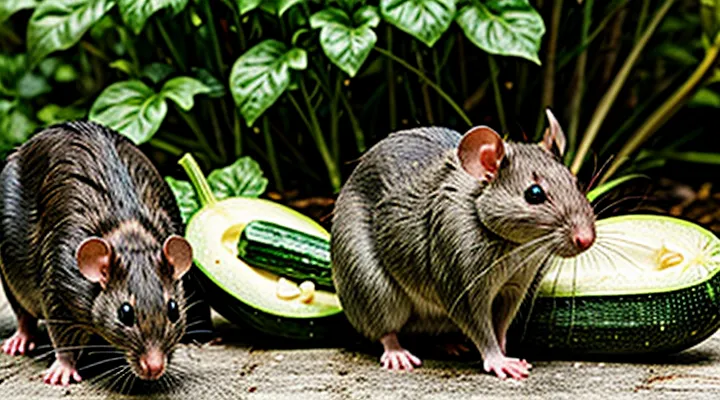
Zucchini for Rats: A Nutritional Overview
Nutritional Profile of Zucchini
Vitamins and Minerals
Zucchini is a low‑calorie vegetable that can be incorporated into a rat’s diet without compromising nutritional balance. Its composition supplies several vitamins and minerals that influence growth, immunity, and metabolic function.
-
Vitamin A (β‑carotene): supports retinal health and epithelial maintenance.
-
Vitamin C: contributes to antioxidant defenses and collagen synthesis.
-
Vitamin K: participates in blood‑clotting regulation.
-
Vitamin B‑complex (B6, folate): aids in amino‑acid metabolism and red‑blood‑cell formation.
-
Potassium: maintains cellular osmotic balance and nerve transmission.
-
Magnesium: involved in enzymatic reactions and bone mineralization.
-
Calcium (in modest amounts): essential for skeletal development.
-
Phosphorus: works with calcium for bone health and energy transfer.
Adequate intake of these micronutrients can improve visual acuity, strengthen immune response, and stabilize electrolyte status in rats. The fiber content of zucchini also promotes gastrointestinal motility, which may reduce the incidence of constipation.
Potential concerns arise when zucchini is fed excessively. High dietary fiber can lead to diarrhea or gas accumulation. The presence of oxalates, though limited, may hinder calcium absorption if intake is prolonged. Residual pesticides on unwashed produce pose a toxic risk; thorough rinsing or organic sourcing mitigates this hazard. Introducing zucchini gradually allows observation of tolerance and prevents abrupt digestive disturbances.
Water Content and Hydration
Zucchini consists of approximately 94‑96 % water, providing a low‑calorie source of fluid that can contribute to a rat’s daily hydration needs. The high moisture content supplies electrolytes such as potassium and magnesium, supporting cellular function and kidney health.
Hydration benefits include:
- Increased total water intake without forced drinking, reducing stress in cage environments.
- Assistance in maintaining optimal urine concentration, which helps prevent urinary tract issues.
- Support for thermoregulation during warm periods, as the cool, watery flesh absorbs body heat.
Potential drawbacks arise when water‑rich foods dominate the diet. Excessive zucchini can:
- Displace protein‑rich pellets, leading to nutrient imbalance.
- Promote looser stools, increasing the risk of dehydration if diarrhea develops.
- Encourage rapid spoilage, creating a breeding ground for bacteria and mold that may harm gastrointestinal health.
Feeding recommendations:
- Offer raw, unseasoned zucchini in small cubes (approximately ½ cm³) to preserve natural moisture.
- Limit to 1–2 % of total body weight per serving, administered no more than three times per week.
- Remove uneaten pieces within two hours to prevent contamination.
- Complement with fresh water sources, ensuring rats have continuous access to clean drinking water.
When incorporated responsibly, zucchini’s water content can enhance hydration while providing modest vitamins and fiber, contributing to a balanced diet for pet rats.
Benefits of Feeding Zucchini to Rats
Digestive Health
Fiber Content
Zucchini provides a moderate amount of dietary fiber, roughly 1 g per 100 g of raw vegetable. The fiber consists mainly of soluble pectin and insoluble cellulose, both contributing to the bulk of the stool.
For rats, this fiber offers several functional effects:
- Enhances intestinal transit, reducing the likelihood of constipation.
- Supplies fermentable substrates for beneficial gut bacteria, supporting a balanced microbiome.
- Contributes to satiety, helping to regulate overall food intake.
Excessive inclusion of zucchini can produce adverse outcomes:
- High soluble fiber may increase water retention in the colon, leading to loose stools or diarrhea.
- Overconsumption may dilute essential nutrients if zucchini replaces more protein‑rich foods in the diet.
- Rapid fermentation can cause gas buildup, resulting in abdominal discomfort.
Balancing zucchini with other feed components ensures that rats obtain the digestive advantages of fiber without experiencing the potential negative effects.
Hydration Support
Zucchini provides a high moisture content, typically 94 % water, which can contribute significantly to a rat’s daily fluid intake. When fresh zucchini is included in a rodent’s diet, the water it contains reduces the need for additional drinking water, supporting overall hydration without increasing the risk of dehydration.
The water in zucchini is accompanied by electrolytes such as potassium and magnesium. These minerals help maintain fluid balance, nerve function, and muscle activity. In a balanced feeding regimen, the natural electrolyte profile of zucchini can complement the minerals supplied by standard rodent chow.
Potential concerns arise if zucchini is the sole source of moisture. Overreliance on a single vegetable may lead to insufficient electrolytic diversity and could encourage excess urinary output, which may strain the kidneys. Additionally, the fibrous component of zucchini promotes bowel movement; excessive fiber combined with high water intake might cause loose stools in sensitive individuals.
Guidelines for incorporating zucchini to support hydration:
- Offer raw, washed zucchini in small cubes (no larger than ½ cm).
- Limit portion to 1–2 % of the rat’s body weight per day.
- Combine with standard water bottles to ensure access to plain water.
- Observe stool consistency; adjust quantity if diarrhea appears.
- Rotate with other water‑rich vegetables (e.g., cucumber, bell pepper) to diversify nutrient intake.
When used appropriately, zucchini serves as an effective supplemental source of moisture, enhancing fluid balance while providing modest vitamins and minerals. Proper portion control and monitoring prevent the minor risks associated with excessive fiber and electrolyte imbalance.
Low-Calorie Snack
Zucchini provides a low‑calorie option for rodent diets, delivering roughly 17 kcal per 100 g of fresh weight. Its high water content (approximately 95 %) and modest carbohydrate level make it suitable for weight‑controlled feeding regimens.
Nutritional advantages include:
- Vitamin C concentration of about 18 mg per 100 g, supporting immune function.
- Vitamin A precursors (beta‑carotene) that aid visual health.
- Dietary fiber (~1 g per 100 g) that promotes gastrointestinal motility.
Potential concerns:
- Oxalate content can contribute to kidney stone formation if supplied in excess.
- Pesticide residues may pose toxicity risks; thorough washing or organic sourcing is required.
- Overreliance on zucchini may lead to imbalanced protein intake, as the vegetable supplies minimal amino acids.
For safe inclusion, offer raw or lightly steamed pieces no larger than 1 cm³, limiting portions to 5–10 % of the daily food volume. Rotate with other vegetables to maintain a balanced nutrient profile. Monitoring body weight and stool consistency will reveal any adverse reactions promptly.
Antioxidant Properties
Zucchini (Cucurbita pepo) contains a range of antioxidant compounds that can influence rodent health when the vegetable is included in their diet. The primary antioxidants are carotenoids (β‑carotene, lutein, zeaxanthin), vitamin C, and phenolic acids such as chlorogenic and caffeic acid. These substances neutralize reactive oxygen species, reducing oxidative stress in cellular membranes, mitochondria, and DNA. In laboratory settings, rats that receive moderate amounts of raw or lightly cooked zucchini show lower levels of malondialdehyde, a marker of lipid peroxidation, indicating effective mitigation of oxidative damage.
Potential benefits of the antioxidant profile include:
- Enhanced immune function through reduced oxidative burden on leukocytes.
- Support of visual health via lutein and zeaxanthin accumulation in retinal tissue.
- Preservation of muscle integrity during periods of increased metabolic demand.
Risks arise when intake exceeds tolerable limits. Excessive consumption can lead to gastrointestinal upset due to high fiber and water content, and the presence of cucurbitacin compounds may cause bitterness and mild toxicity at high concentrations. Moreover, the antioxidant load can interfere with certain experimental assays that rely on oxidative markers, potentially confounding research outcomes.
Balancing the quantity of zucchini—generally no more than 10 % of total feed by weight—allows rats to reap antioxidant advantages while minimizing adverse effects. Regular monitoring of body weight, fecal consistency, and oxidative biomarkers ensures that the dietary inclusion remains beneficial.
Potential Risks and Considerations
Choking Hazard
Proper Preparation
When offering zucchini to rats, preparation determines safety and nutritional value. Begin with thorough washing under running water to eliminate surface contaminants. If the produce is not certified organic, rinse with a dilute solution of white vinegar (1 part vinegar to 3 parts water) before the final rinse.
Next, remove the skin only if it appears waxy or chemically treated; otherwise, retain it to preserve fiber. Trim both ends and slice the flesh into pieces no larger than ½ inch, ensuring easy chewing and digestion.
For raw servings, limit portions to 1–2 teaspoons per 100 g of body weight, monitoring for digestive upset. Cooking enhances digestibility and reduces potential pesticide residues. Steam or blanch zucchini for 3–5 minutes until just tender; avoid adding salt, butter, or seasonings. After cooking, cool to room temperature before serving.
A concise checklist for safe preparation:
- Wash thoroughly; consider a vinegar rinse for non‑organic produce.
- Peel only when necessary; keep skin for fiber.
- Trim ends, cut into ≤½‑inch pieces.
- Offer raw in limited amounts; observe tolerance.
- Steam or blanch for 3–5 minutes if cooking.
- Cool completely; serve plain, without additives.
Adhering to these steps minimizes risks such as pesticide exposure, choking, or gastrointestinal distress while allowing rats to benefit from zucchini’s vitamins, minerals, and low‑calorie content.
Pesticide Residue
Washing Zucchini
Washing zucchini properly reduces pesticide residues, soil particles, and microbial contaminants that could harm a rat’s digestive system. Rinse the vegetable under cold running water, using a soft brush to remove surface dirt. Avoid harsh detergents; they may leave chemical traces that are unsafe for rodents.
Key steps for safe preparation:
- Inspect the zucchini for bruises or rot; discard damaged sections.
- Submerge the whole zucchini in a bowl of filtered water for 1–2 minutes to loosen debris.
- Gently scrub the skin with a vegetable brush, focusing on the ends where soil accumulates.
- Rinse again under running water to flush away loosened particles.
- Pat dry with a clean cloth or paper towel before chopping into bite‑size pieces for the rat.
Thorough cleaning minimizes the risk of introducing pathogens such as Salmonella or E. coli into the rat’s diet. It also ensures that any residual pesticides, even those labeled as “organic,” are diluted to levels unlikely to cause toxicity. When washing is omitted, rats may experience gastrointestinal irritation, reduced nutrient absorption, or acute poisoning, especially if the zucchini was grown with conventional chemicals.
For optimal safety, combine washing with a brief soak in a dilute vinegar solution (1 part white vinegar to 3 parts water) for 30 seconds, then rinse thoroughly. This extra step can lower bacterial load without leaving a strong vinegar flavor that might deter the animal.
Consistent application of these washing practices supports the health benefits of zucchini—low calorie, high fiber, and rich in vitamin C—while mitigating the primary risks associated with feeding raw produce to pet rodents.
Overfeeding and Digestive Upset
Rats that receive zucchini in excess often develop gastrointestinal distress. Overconsumption introduces a high volume of fiber and water, which can overwhelm the small intestine’s absorptive capacity. The result is rapid transit, loose stools, and occasional abdominal cramping.
Key indicators of overfeeding include:
- Sudden increase in stool frequency or liquidity
- Reduced appetite for regular chow
- Visible bloating or abdominal swelling
- Lethargy or reluctance to move
When symptoms appear, immediate actions help mitigate damage:
- Remove zucchini from the diet for 24–48 hours.
- Offer small portions of plain, high‑quality rat pellets to restore balanced nutrition.
- Ensure constant access to fresh water to prevent dehydration caused by watery feces.
- Monitor weight and behavior; seek veterinary care if diarrhea persists beyond two days or if blood appears in the stool.
Preventive measures rely on portion control. A safe serving size for an adult rat is roughly one teaspoon of raw, unseasoned zucchini per week, divided into two or three small feedings. Younger or smaller rats require even less. Consistently measuring portions and mixing zucchini with regular feed prevents accidental overload and maintains digestive health.
Allergic Reactions
Zucchini is a low‑calorie vegetable frequently offered to pet rats, yet it can provoke allergic responses in a subset of individuals. Allergic reactions arise when the immune system misidentifies proteins in zucchini as harmful, producing IgE antibodies that trigger histamine release.
Typical manifestations include:
- Scratching or excessive grooming of the face and ears
- Red, inflamed skin patches, especially around the muzzle
- Swelling of the paws or tail base
- Respiratory distress such as wheezing or rapid breathing
- Diarrhea or vomiting accompanied by blood
These signs may appear within minutes to several hours after ingestion. Rats with a history of food sensitivities, genetic predisposition, or prior exposure to related cucurbit species exhibit higher susceptibility. Repeated exposure can amplify the response, leading to more severe symptoms.
Immediate action involves removing zucchini from the diet, providing fresh water, and monitoring for escalation. Mild cases often resolve with supportive care; moderate to severe reactions may require veterinary intervention, including antihistamines or corticosteroids.
Preventive measures consist of:
- Introducing zucchini gradually, starting with a single small piece
- Observing the rat for any adverse reaction over a 24‑hour period before increasing the portion
- Maintaining a varied diet to avoid reliance on a single food source
- Keeping detailed records of foods offered and any observed symptoms
Consistent vigilance reduces the likelihood of allergic episodes while allowing rats to benefit from the nutritional value of zucchini when tolerated.
How to Prepare Zucchini for Rats
Washing
Rats can safely consume zucchini only when the vegetable is thoroughly cleaned. Residues of pesticides, soil, or microorganisms may cause gastrointestinal upset or introduce pathogens into a pet’s system. Effective washing removes these hazards and preserves the nutritional value of the squash.
Cleaning procedures should be consistent and repeatable. Recommended steps include:
- Rinse the zucchini under running water for at least 30 seconds.
- Use a soft brush to scrub the skin, focusing on crevices where dirt accumulates.
- Soak the vegetable in a solution of one part white vinegar to three parts water for five minutes to neutralize surface microbes.
- Rinse again with clean water to eliminate any remaining vinegar taste.
- Pat dry with a clean paper towel before cutting into bite‑size pieces.
Skipping any of these actions increases the likelihood of contaminant ingestion. Studies on rodent diets show that unwashed produce can elevate the incidence of diarrhea and respiratory irritation due to inhaled dust particles. Conversely, properly washed zucchini contributes fiber, vitamins A and C, and potassium without compromising health.
When preparing zucchini for rats, avoid using harsh chemicals such as bleach or commercial produce washes containing ammonia. These substances can leave toxic residues that outweigh any benefit of cleaning. Stick to food‑grade vinegar or plain water, both of which are safe for animal consumption.
In summary, washing zucchini removes external contaminants, reduces the risk of illness, and ensures that the vegetable’s nutritional advantages are fully accessible to rats. Implementing a simple, standardized cleaning routine is essential for responsible pet feeding.
Cutting and Portioning
Proper preparation of zucchini ensures that pet rats receive its nutritional benefits without digestive complications. Begin by rinsing the vegetable under cool running water to remove soil and pesticide residues. If the zucchini is not organic, consider a brief soak in a diluted vinegar solution (1 part vinegar to 3 parts water) followed by a second rinse.
Cutting the zucchini into appropriate dimensions reduces choking risk and facilitates even consumption. Recommended sizes are:
- Cubes: ½ inch (1.3 cm) on each side, suitable for adult rats.
- Thin sticks: ¼ inch (0.6 cm) thick and 1 inch (2.5 cm) long, ideal for juveniles or timid eaters.
- Shredded strips: ¼ inch wide, useful for mixing into a balanced diet.
Portion control prevents over‑feeding of the vegetable’s water content, which can cause loose stools. A single rat should receive no more than 1 – 2 tablespoons of prepared zucchini per day, divided into two feedings. Larger colonies require proportionally increased amounts, but each individual’s intake must remain within the same range.
Store any unused portions in an airtight container within the refrigerator. Consume stored pieces within 24 hours to maintain freshness; beyond this period, discard to avoid bacterial growth. Freezing is ineffective, as thawed zucchini becomes mushy and loses texture, increasing the likelihood of ingestion problems.
Cooking Methods to Avoid
Rats can safely consume zucchini when it is prepared correctly, but certain cooking techniques destroy nutrients, add harmful substances, or create textures that pose choking hazards.
- Deep‑frying – high temperatures oxidize fats and produce acrylamide, a compound linked to cellular damage; the oily coating also masks the vegetable’s natural flavor, discouraging natural chewing behavior.
- Seasoned roasting with garlic, onion, or strong herbs – many aromatics are toxic to rodents; prolonged heat intensifies toxicity, making the dish unsafe.
- Microwaving without water – rapid heating unevenly cooks the flesh, leaving hot spots that can burn the rat’s mouth and degrade vitamin C and beta‑carotene.
- Adding cheese, butter, or cream sauces – dairy is difficult for rats to digest and can cause gastrointestinal upset; high‑fat sauces increase caloric load without providing essential nutrients.
- Using canned zucchini – preservatives such as sodium benzoate and added salts exceed rats’ dietary limits and may lead to electrolyte imbalance.
When offering zucchini, serve it raw, lightly steamed, or boiled briefly without salt or seasoning. These methods preserve moisture, retain vitamins, and produce a texture that rats can easily manipulate and ingest.
Serving Recommendations and Frequency
Introducing Zucchini
Zucchini (Cucurbita pepo) is a summer squash cultivated worldwide for its tender, edible fruit. The plant belongs to the Cucurbitaceae family, shares a vine‑like growth habit, and produces cylindrical, dark‑green or yellow fruits that mature in 45‑55 days after planting. Harvested at 6‑8 inches length, the fruit contains a high water content (≈ 95 %) and a soft, mildly sweet flesh.
Nutritional composition of raw zucchini includes:
- Calories: 17 kcal per 100 g
- Carbohydrates: 3.1 g (primarily simple sugars)
- Dietary fiber: 1.0 g
- Protein: 1.2 g
- Vitamin C: 18 mg (30 % of daily value)
- Vitamin A (β‑carotene): 200 µg (10 % DV)
- Potassium: 261 mg
These nutrients support hydration, digestive health, and antioxidant defenses in mammals. The fruit’s low caloric density and moderate fiber make it suitable for inclusion in balanced diets, provided it is offered without added salt, sugars, or seasoning.
In the context of rodent nutrition, zucchini can serve as a fresh vegetable supplement. It should be washed thoroughly, sliced into bite‑size pieces, and introduced gradually to monitor acceptance and tolerance. Excessive consumption may lead to loose stools due to the high water and fiber content, so portion control is advisable.
Appropriate Portion Sizes
Feeding zucchini to pet rats can be safe when portions respect the animal’s size and dietary balance. A typical adult rat, weighing 250–300 g, should receive no more than 1–2 cm³ of raw zucchini per day, equivalent to roughly one tablespoon of finely diced flesh. Juvenile rats require half that amount, as their digestive systems are more sensitive.
Key factors influencing portion size:
- Weight: Larger rats tolerate slightly larger servings; smaller individuals need reduced quantities.
- Frequency: Offer zucchini no more than three times weekly to prevent excess moisture and fiber overload.
- Preparation: Remove seeds and skin, serve raw or lightly steamed without added salt, oil, or seasonings.
- Dietary mix: Zucchini should complement a diet primarily composed of high‑quality rodent pellets, occasional protein sources, and a limited selection of vegetables.
Signs of overconsumption include loose stools, reduced activity, and weight loss. If any of these symptoms appear, decrease or discontinue zucchini and monitor the rat’s condition. Adjust portions gradually when introducing zucchini to ensure the animal adapts without digestive distress.
How Often to Offer Zucchini
Rats can tolerate zucchini when it is introduced gradually and offered in moderation. A safe routine is to present a small piece—approximately one to two centimeters of raw or lightly steamed zucchini—once every two to three days. This frequency allows the digestive system to adjust while providing occasional vitamins A and C, potassium, and fiber without overwhelming the animal’s diet.
Key points for scheduling zucchini servings:
- Start with a single bite‑size portion; observe the rat for 24 hours.
- If no signs of digestive upset appear (diarrhea, reduced appetite, lethargy), increase the interval to every other day.
- Maintain the serving size at no more than 5 % of the total daily food intake.
- Rotate zucchini with other vegetables to ensure a balanced nutrient profile.
Should any adverse reaction occur, discontinue zucchini immediately and revert to the standard diet of high‑quality pellets, fresh water, and occasional fruit or leafy greens. Regular monitoring guarantees that the vegetable remains a beneficial supplement rather than a risk.
Other Safe Vegetables for Rats
In addition to zucchini, many vegetables are safe and nutritious for pet rats. Each option should be fresh, washed, and served in bite‑size pieces without added seasoning.
- Carrots – high in beta‑carotene, support eye health; offer raw or lightly steamed; limit to a few thin slices daily to avoid excess sugar.
- Broccoli – source of vitamin C and fiber; give raw florets in small portions; monitor for gas or diarrhea, especially with large amounts.
- Bell peppers – rich in vitamin A and antioxidants; provide red, orange, or yellow varieties raw; avoid green peppers, which can be bitter.
- Spinach – contains iron and calcium; serve raw, shredded; limit due to oxalic acid that may interfere with calcium absorption.
- Cucumber – high water content, aids hydration; slice thinly; ensure seeds are removed if large.
- Green beans – supply protein and vitamin K; offer cooked or raw, trimmed of ends; avoid canned versions with added salt.
- Peas – provide protein and fiber; serve fresh or frozen, thawed; discard shells to prevent choking.
- Kale – offers vitamin K and calcium; give raw, chopped; rotate with other greens to prevent excess vitamin K buildup.
All vegetables should complement a balanced rat diet that includes high‑quality pellets, occasional fruit, and protein sources. Introduce new items gradually, observing for digestive upset or changes in behavior.
Vegetables to Avoid for Rats
Rats can enjoy a variety of fresh vegetables, yet several common garden produce items are hazardous and should never be offered as treats.
- Tomatoes (especially green or unripe) – contain solanine, a toxic alkaloid that can cause neurological distress and gastrointestinal upset.
- Potatoes (raw or green skins) – also high in solanine; ingestion may lead to vomiting, diarrhea, and in severe cases, cardiac complications.
- Onions, garlic, and leeks – rich in thiosulfates that damage red blood cells, resulting in anemia and weakness.
- Rhubarb leaves – contain oxalic acid, which can precipitate kidney failure and cause severe abdominal pain.
- Eggplant – like tomatoes, holds solanine; consumption may produce tremors and loss of coordination.
- Cabbage and kale (excessive amounts) – high fiber and goitrogenic compounds can interfere with thyroid function and cause bloating.
Observable signs of vegetable toxicity include sudden lethargy, loss of appetite, tremors, labored breathing, and abnormal stool. Immediate veterinary consultation is recommended; supportive care may involve fluid therapy, anti‑emetics, and monitoring of blood parameters.
Zucchini, by contrast, is low in toxic compounds and provides moisture and gentle fiber, making it a suitable addition when offered in moderation. Pairing it with safe protein sources ensures a balanced diet while avoiding the listed vegetables eliminates unnecessary health risks.