
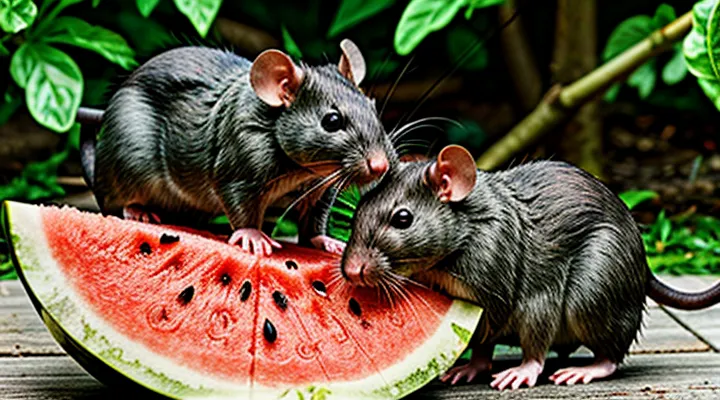
Watermelon and Rats
Nutritional Value of Watermelon for Rats
Vitamins and Minerals in Watermelon
Watermelon supplies a range of micronutrients that contribute to overall health. Vitamin C content reaches roughly 8 mg per 100 g, supporting antioxidant activity and collagen synthesis. Vitamin A appears as beta‑carotene, providing about 28 µg RAE per 100 g and aiding visual function. The fruit also contains modest amounts of B‑complex vitamins: B6 (0.05 mg), thiamine (0.02 mg), and niacin (0.2 mg), which participate in energy metabolism.
Key minerals present in watermelon include:
- Potassium: ~112 mg per 100 g, essential for fluid balance and nerve transmission.
- Magnesium: ~10 mg per 100 g, involved in enzymatic reactions and muscle function.
- Calcium: ~7 mg per 100 g, supporting bone structure.
- Phosphorus: ~11 mg per 100 g, contributing to cellular energy processes.
- Iron: ~0.2 mg per 100 g, required for hemoglobin formation.
These nutrients combine to make watermelon a low‑calorie source of hydration and micronutrient supplementation, relevant when evaluating its suitability for rodent diets.
Water Content and Hydration
Watermelon and cantaloupe consist of more than 90 % water, providing a dense source of fluid that can contribute to a rodent’s daily hydration needs. The high moisture content also supplies electrolytes such as potassium and magnesium, which support cellular function and fluid balance.
Rats readily ingest these fruits when offered, and the water they contain can reduce the volume of plain water required from a bottle. However, the sugar concentration in melon flesh is substantial; excessive intake may lead to gastrointestinal upset or weight gain. A measured portion—approximately 1 cm³ of fruit per 100 g of body weight—delivers hydration without overwhelming carbohydrate load.
Key nutritional attributes of the fruits:
- Water: 91–94 % of fresh weight
- Potassium: 150–170 mg per 100 g
- Magnesium: 10–12 mg per 100 g
- Total sugars: 6–8 g per 100 g
Providing small, seed‑free pieces several times a week integrates the fruits’ fluid contribution into a balanced diet while minimizing the risk of overconsumption. Regular monitoring of body condition and water intake ensures that the added moisture supports, rather than replaces, the primary water source.
Potential Risks of Watermelon for Rats
Sugar Content Concerns
Watermelon and melon contain natural sugars that can quickly raise a rat’s blood glucose level. A single slice may provide 5–7 grams of sugar, which exceeds the typical daily carbohydrate intake for a small rodent. Excessive sugar intake can lead to obesity, insulin resistance, and dental decay.
Key considerations for owners:
- Monitor portion size; limit fruit to no more than 5 % of total diet by weight.
- Offer fruit on a non‑daily schedule to prevent habitual high‑sugar consumption.
- Observe for rapid weight gain, lethargy, or increased thirst, which may indicate metabolic distress.
- Prefer low‑sugar alternatives such as leafy greens or cucumber when regular treats are needed.
If a rat shows signs of hyperglycemia, reduce fruit exposure immediately and consult a veterinarian experienced with small mammals. Regular dietary assessment helps maintain stable glucose levels and overall health.
Digestive Issues
Rats can consume watermelon and cantaloupe, but the high water and sugar content can stress their digestive system. Excessive fructose may lead to osmotic diarrhea, while the fibrous rind and seeds can cause intestinal blockage if ingested in large pieces. Rapid intake of juicy flesh can overwhelm the stomach, resulting in gastric upset and vomiting.
Potential digestive problems include:
- Diarrhea caused by high sugar concentration.
- Constipation or impaction from indigestible rind or seeds.
- Gas formation from fermentable sugars, leading to abdominal discomfort.
- Dehydration if diarrhea is severe and water intake is insufficient.
To minimize risk, introduce fruit gradually, offering only small, seed‑free portions of flesh. Observe rats for the following signs of digestive distress:
- Loose, watery stools.
- Reduced stool frequency or hard, dry feces.
- Abdominal swelling or tenderness.
- Decreased appetite or lethargy.
- Vomiting or regurgitation.
If any of these symptoms appear, discontinue fruit feeding and provide a bland diet of plain rodent pellets and fresh water. Persistent issues warrant veterinary evaluation to rule out underlying gastrointestinal disorders.
Seeds and Rind
Rats can ingest the edible flesh of watermelon and cantaloupe without adverse effects, but the seeds and rind require careful consideration.
Seeds are small, hard, and may pose a choking hazard for small rodents. Their fibrous coats are difficult to digest, potentially leading to intestinal blockage if consumed in large quantities. Nutritionally, watermelon and cantaloupe seeds contain modest amounts of fat and protein, yet the risk of mechanical injury outweighs any benefit. The safest approach is to remove all seeds before offering the fruit to a rat.
The rind presents a different set of concerns. The outer skin is thick, low in moisture, and rich in cellulose, which rats cannot break down efficiently. Consumption of rind can result in gastrointestinal irritation, diarrhea, or constipation. Additionally, rinds may retain pesticide residues or waxes applied during harvesting; thorough washing reduces but does not eliminate this risk. If a rat is to try rind, it should be offered in very small, finely shredded pieces after a thorough wash.
Guidelines for feeding rats watermelon and cantaloupe:
- Remove every seed; discard any that remain after cutting.
- Peel the fruit completely; only the soft, inner flesh should be served.
- Wash the flesh thoroughly to eliminate surface contaminants.
- Limit portions to no more than 10 % of the rat’s daily caloric intake.
- Monitor the animal for signs of digestive upset after introduction.
Adhering to these precautions ensures that rats receive the hydration and mild sweetness of the fruit without exposure to the hazards associated with seeds and rind.
Safe Feeding Practices for Watermelon
Portion Sizes
Rats may enjoy watermelon and melon, but the amount offered must align with their nutritional needs. Excess fruit can displace protein‑rich foods and introduce unnecessary sugars, potentially leading to obesity or digestive upset.
- Small adult rat (150–200 g): 1–2 cm³ of fruit per day (approximately a teaspoon of diced flesh).
- Juvenile rat (under 100 g): ½ cm³ per day (roughly a half‑teaspoon).
- Large adult rat (over 250 g): up to 3 cm³ per day (about one and a half teaspoons).
Fruit should be presented in bite‑size pieces, free of seeds and rind, and offered no more than three times weekly. Observe the animal for signs of diarrhea or reduced appetite; adjust portions accordingly.
High water content in these fruits supplies hydration, yet it does not replace regular water access. Balance fruit intake with a diet rich in protein, fiber, and essential vitamins to maintain optimal health.
Preparation Methods
Rats can safely consume watermelon and cantaloupe when the fruit is prepared correctly. Proper preparation eliminates potential hazards such as pesticide residues, choking risks, and digestive upset.
First, wash the fruit thoroughly under running water. Use a brush if the rind is thick to remove surface contaminants. After cleaning, discard the rind; the skin is difficult for rodents to digest and may contain bitter compounds.
Next, remove all seeds. Even small seeds can cause intestinal blockage. For watermelon, cut the flesh into cubes no larger than one centimeter on each side. For cantaloupe, slice the flesh into similarly sized pieces, ensuring a uniform shape to facilitate chewing.
If offering the fruit chilled, place the prepared cubes in a sealed container and refrigerate for up to 24 hours. Do not freeze, as ice crystals can damage the delicate texture and reduce palatability. Store any excess portions in the refrigerator and discard after two days to prevent spoilage.
Feeding schedule should limit fruit to no more than 10 % of a rat’s total daily intake. Measure the portion by weight; a typical adult rat can handle 5–10 grams of fruit per day. Offer the cubes on a clean feeding platform, remove leftovers after a few hours, and clean the area to prevent mold growth.
Preparation checklist
- Rinse fruit under cold water.
- Peel off rind; discard.
- Extract and discard all seeds.
- Cut flesh into ≤1 cm cubes.
- Refrigerate (not freeze) if not served immediately.
- Serve ≤10 % of daily diet, 5–10 g per adult rat.
- Remove uneaten pieces within 2–3 hours.
Following these steps ensures that watermelon and cantaloupe are safe, nutritious treats for pet rats.
Frequency of Feeding
Watermelon and melon can be offered to pet rats as occasional treats, but their inclusion must be carefully timed to avoid digestive upset.
Rats tolerate small portions of these fruits without adverse effects when the fruit is fresh, seed‑free, and cut into bite‑size cubes. The high water content and natural sugars require moderation.
Recommended feeding frequency
- Maximum frequency: one small piece (approximately ½ inch cube) no more than twice per week.
- Typical schedule: two to three servings per month, spaced at least three days apart.
- Special considerations: increase interval if the rat shows signs of loose stool, reduced appetite, or weight loss after consumption.
Guidelines for portion control
- Limit each serving to less than 5 % of the rat’s total daily caloric intake.
- Provide the fruit on a separate dish to prevent contamination of the main diet.
- Remove uneaten fruit after 30 minutes to prevent spoilage and bacterial growth.
Consistent adherence to these limits ensures that watermelon and melon remain safe, enjoyable supplements to a balanced rodent diet.
Melon and Rats
Nutritional Value of Melon for Rats
Different Types of Melon
Rats can be offered melons as occasional treats, but the suitability of each variety depends on texture, sugar content, and seed presence.
- Watermelon (Citrullus lanatus) – soft flesh, high water content, low fiber; seeds must be removed.
- Cantaloupe (Cucumis melo var. cantalupensis) – orange flesh, moderate sugar, fine texture; seedless or de‑seeded portions preferred.
- Honeydew (Cucumis melo var. inodorus) – pale green flesh, lower acidity, smooth texture; remove any hard rind and seeds.
- Galia (Cucumis melo var. reticulatus × inodorus) – hybrid of cantaloupe and honeydew, sweet flavor, similar preparation to honeydew.
- Canary melon (Cucumis melo var. inodorus) – bright yellow flesh, slightly firmer than honeydew; de‑seeded portions are safe.
- Casaba (Cucumis melo var. inodorus) – thick, wrinkled rind, sweet pale flesh; only the interior should be given, avoiding the tough outer skin.
Melon flesh supplies rats with water, vitamins A and C, and simple carbohydrates that support short‑term energy needs. Excessive sugar can disrupt gut flora and promote obesity; portions should not exceed a few bite‑sized cubes per day.
Potential hazards include:
- Seeds – pose choking risk and contain trace cyanogenic compounds; always discard.
- Rind – fibrous and difficult to chew; may cause intestinal blockage; remove completely.
- Over‑ripe or spoiled fruit – can harbor mold toxins; inspect for discoloration and odor before serving.
Providing de‑seeded, rind‑free melon in moderation offers a safe, palatable supplement for pet rats.
Key Nutrients
Watermelon and melon contain several nutrients that can be beneficial for rats when offered in moderation.
- Water – both fruits are over 90 % water, supporting hydration and urinary health.
- Vitamin C – present in measurable amounts; rats synthesize this vitamin but additional intake can aid antioxidant defenses.
- Vitamin A (beta‑carotene) – abundant in melon; contributes to vision and epithelial integrity.
- Potassium – helps regulate fluid balance and nerve signaling.
- Magnesium – participates in enzymatic reactions and muscle function.
- Fiber – small quantities provide modest digestive bulk without causing impaction.
The fruit also supplies natural sugars (fructose, glucose). Excessive consumption may lead to weight gain or gastrointestinal upset, so limit portions to a few bite‑sized pieces per week. Nutrient density is lower than in standard rodent chow; watermelon and melon should complement, not replace, a balanced diet.
Potential Risks of Melon for Rats
High Sugar Levels
Watermelon and melon contain natural sugars that can raise blood glucose rapidly when ingested in large amounts. Rats process carbohydrates efficiently, yet their metabolic capacity is limited compared to larger mammals. Excessive sugar intake can lead to hyperglycemia, increased insulin demand, and potential stress on pancreatic function.
- Elevated glucose may cause temporary lethargy or reduced activity.
- Repeated high‑sugar meals increase the risk of obesity and insulin resistance.
- Acute spikes can interfere with normal feeding behavior, reducing appetite for balanced nutrients.
Offering small, occasional pieces of these fruits keeps sugar exposure low, allowing rats to benefit from the vitamins and water content without compromising metabolic health. Regular monitoring of weight and activity levels helps detect adverse effects early.
Fiber Content
Rats can safely consume watermelon and cantaloupe, but the amount of dietary fiber they receive from these fruits must be considered.
Watermelon provides approximately 0.4 g of fiber per 100 g of flesh, while cantaloupe contributes about 0.9 g per 100 g. Both fruits are low‑fiber compared with commercial rodent chow, which typically contains 3–5 g of fiber per 100 g.
Fiber supports intestinal motility in rats, promotes healthy gut flora, and helps prevent constipation. Excessive fiber can lead to soft stools or diarrhea, especially when introduced abruptly. Because watermelon and cantaloupe are low in fiber, they do not risk over‑loading the digestive tract, but they should not replace the primary fiber source in a rat’s diet.
Recommended practice:
- Offer no more than 10 g of fresh fruit per 100 g of body weight per day.
- Introduce fruit gradually, observing stool consistency.
- Ensure the main diet remains high‑fiber rodent pellets or hay.
When these guidelines are followed, the modest fiber contribution of watermelon and melon complements a balanced rat diet without adverse effects.
Skin and Seeds
Rats can consume the flesh of watermelon and melon without difficulty, but the outer layer and the seeds require careful consideration.
The rind of both fruits consists mainly of cellulose and a modest amount of soluble sugars. Rats lack the enzymatic capacity to break down large quantities of cellulose efficiently; excessive intake may cause digestive upset or impaction. Small, occasional pieces of soft rind are tolerated, while thick, fibrous sections should be avoided.
- Rind is high in fiber → potential gastrointestinal blockage if fed in large pieces.
- Soft, thin portions may be offered in limited amounts as a treat.
- Remove any tough, green or overly thick sections before offering.
Seeds present distinct risks. Watermelon seeds are small, hard, and may be swallowed whole, posing a choking hazard or causing intestinal obstruction. Melon seeds are larger and contain trace amounts of cyanogenic glycosides, which can be toxic in high concentrations. Even at low levels, regular consumption is unnecessary for rat nutrition.
- Watermelon seeds: risk of choking; avoid feeding.
- Melon seeds: contain low‑level toxins; best to discard.
- Nutritional contribution of seeds is minimal compared to fruit flesh.
In practice, provide rats only the edible flesh, trim away the thick rind, and discard all seeds to ensure safety and prevent health complications.
Safe Feeding Practices for Melon
Small Quantities
Rats may safely consume watermelon and melon when offered in very limited portions. The fruit’s high water content and natural sugars provide occasional hydration and a mild energy boost, but excessive intake can lead to gastrointestinal upset, weight gain, and dental problems.
- Serve no more than 1–2 teaspoons of diced flesh per 100 g of body weight.
- Limit exposure to two servings per week to prevent sugar overload.
- Remove all seeds, as they pose choking hazards and contain trace cyanogenic compounds.
- Exclude rind and skin; they are fibrous and difficult for rodents to digest.
- Offer fruit at room temperature after thorough washing to eliminate pesticide residues.
Monitor the animal for changes in stool consistency or appetite after introduction. If diarrhea or reduced feeding occurs, discontinue the fruit and allow the digestive system to recover before reintroducing a smaller amount. Regularly rotate treats to maintain nutritional balance and avoid reliance on high‑sugar foods.
Removing Harmful Parts
Rats can enjoy watermelon and melon when the fruit is prepared correctly. The edible portion consists of the soft flesh; all other components must be excluded to prevent digestive upset or toxicity.
-
Watermelon
- Seeds: contain trace amounts of cyanogenic glycosides; discard completely.
- Rind: tough, difficult to chew, may cause intestinal blockage; remove entirely.
- Excessive pink or white inner layer near the rind: fibrous, low nutritional value; trim off.
-
Melon (cantaloupe, honeydew, etc.)
- Seeds: similar risk of cyanogenic compounds; eliminate.
- Skin: thick, may contain pesticide residues; peel before offering.
- Overripe spots: mold growth can produce mycotoxins; cut away.
After removing these parts, cut the flesh into bite‑size cubes, rinse briefly to reduce surface sugars, and serve in moderation. Regular monitoring of the rat’s stool will confirm tolerance; any signs of diarrhea or constipation indicate that the preparation was insufficient.
Monitoring Rat's Reaction
When introducing watermelon or cantaloupe to laboratory or pet rats, systematic observation is essential to determine acceptability and safety. Directly offering small, seed‑free pieces and recording the animal’s immediate response provides the first indicator of palatability. Acceptance is confirmed by rapid approach, manipulation with forepaws, chewing, and ingestion within a few seconds; hesitation, avoidance, or rapid discarding signals aversion.
Quantitative monitoring should include:
- Food intake measurement: weigh fruit portions before and after a fixed exposure period (e.g., 30 minutes) to calculate consumption volume.
- Behavioral scoring: note changes in activity level, grooming, exploratory behavior, and signs of stress (e.g., vocalization, excessive immobility) during and after exposure.
- Physiological parameters: record body weight, water intake, and fecal output for 24–48 hours to detect digestive disturbances.
- Health assessment: inspect oral cavity for lesions, monitor for diarrhea, bloating, or lethargy, and conduct a brief physical exam (temperature, respiration) if abnormal signs appear.
Long‑term monitoring involves weekly weight checks and observation of any cumulative effects when fruit is incorporated into the diet. Consistent documentation of these metrics enables reliable conclusions about the suitability of watermelon and melon as supplemental foods for rats.