
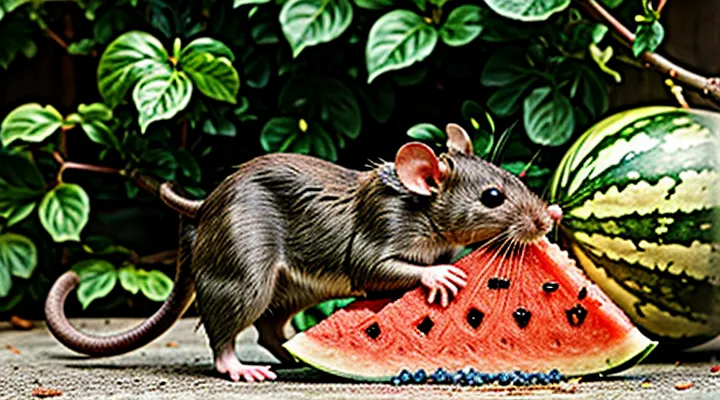
Watermelon for Rats: The Short Answer
Rats can safely consume watermelon, provided it is offered in limited amounts and prepared correctly.
The fruit supplies water, vitamin C, vitamin A, and small amounts of potassium, all of which support hydration and general health. Its low fat and calorie content makes it a suitable occasional treat.
Potential issues include high natural sugar, which can cause digestive upset if overfed, and the presence of seeds that pose choking hazards. The rind is tough and difficult for a rat’s teeth to process, increasing the risk of gastrointestinal blockage.
Feeding guidelines:
- Remove all seeds.
- Cut flesh into bite‑size cubes (about ½ cm).
- Offer 1–2 grams per 100 g of body weight, no more than twice weekly.
- Discard any uneaten portions after 30 minutes.
Following these steps ensures watermelon remains a safe, enjoyable supplement to a rat’s regular diet.
Nutritional Breakdown of Watermelon
Vitamins and Minerals in Watermelon
Watermelon supplies a range of micronutrients that can affect rodent health when offered as an occasional treat. The fruit’s composition includes several vitamins and minerals, each present in measurable quantities per 100 g of edible flesh.
- Vitamin A (β‑carotene): approximately 28 µg, supports visual function and immune response.
- Vitamin C: about 8 mg, contributes to antioxidant defense and collagen synthesis.
- Vitamin B6 (pyridoxine): roughly 0.05 mg, involved in amino‑acid metabolism.
- Potassium: 112 mg, aids in nerve transmission and fluid balance.
- Magnesium: 10 mg, participates in enzymatic reactions and bone formation.
- Calcium: 7 mg, essential for skeletal integrity and muscle contraction.
These nutrients are water‑soluble or readily absorbed, yet the overall concentration remains low compared to dedicated rodent supplements. Introducing small pieces of watermelon can provide a brief vitamin boost, but excessive consumption may lead to digestive upset due to high sugar and water content. Monitoring portion size ensures that the nutritional benefit outweighs potential risks.
Water Content and Hydration Benefits
Watermelon is composed of roughly 92 % water, a proportion that exceeds most fruits and vegetables. For a small mammal such as a rat, this high moisture level can contribute significantly to daily fluid intake, especially when access to fresh water is limited.
The hydration benefits include:
- Rapid replenishment of body fluids after activity or heat exposure.
- Support of kidney function by diluting urinary solutes, reducing the risk of crystal formation.
- Maintenance of skin turgor and mucous‑membrane moisture, which aids in thermoregulation.
Rats process the water content efficiently; the gastrointestinal tract absorbs the liquid quickly, while the remaining pulp supplies modest amounts of carbohydrates, vitamins A and C, and potassium. These nutrients complement the hydration effect without overwhelming the animal’s digestive capacity.
Caution is necessary. Excessive watermelon can introduce sugar loads that strain insulin regulation, and the fibrous rind is indigestible. Offer only the flesh, limit portions to no more than 5–10 % of a rat’s total daily diet, and ensure clean drinking water remains available.
In summary, the water‑rich flesh of watermelon serves as an effective supplemental source of hydration for rats, provided it is given in moderated, rind‑free portions alongside a balanced diet.
Sugar Content Concerns
Watermelon provides hydration and vitamins, but its high natural sugar concentration demands careful consideration when offered to rats.
Rats process simple carbohydrates differently from humans; excess glucose can strain pancreatic function and elevate blood sugar levels. Chronic intake of sugary foods may predispose rodents to obesity, insulin resistance, and dental decay.
Key points for safe inclusion:
- Limit portions to no more than one teaspoon of flesh per 100 g of body weight, given two to three times per week.
- Remove seeds, which contain additional sugars and pose choking hazards.
- Observe the animal for rapid weight gain, lethargy, or increased thirst, which may signal metabolic imbalance.
- Prefer low‑sugar alternatives such as cucumber or leafy greens for regular hydration.
When introducing watermelon, start with a minimal amount and monitor behavior and weight. Adjust or discontinue if any adverse signs appear. This approach balances the nutritional benefits of the fruit with the rat’s susceptibility to sugar‑related health issues.
Safe Feeding Guidelines
Preparation: Seeds and Rind
Watermelon may be offered to pet rats as an occasional treat, but safe consumption depends on proper preparation.
Seeds present a choking hazard and can pass undigested through the gastrointestinal tract. Removing all seeds eliminates these risks and prevents potential intestinal blockage.
The rind is fibrous and contains a higher concentration of citric acids. Rats often reject it, and ingestion may lead to digestive irritation. Cutting the rind into very small pieces or discarding it altogether reduces the chance of stomach upset.
Preparation checklist
- Wash the fruit thoroughly to eliminate pesticide residues.
- Slice the flesh into bite‑size cubes (approximately 1 cm).
- Inspect each piece, ensuring no seed fragments remain.
- Offer only a few cubes at a time; monitor the rat’s response.
Following these steps ensures that watermelon provides hydration and mild sweetness without compromising the animal’s health.
Portion Sizes
Watermelon can be offered to rats as an occasional treat, but the quantity must be limited to prevent digestive upset and excessive sugar intake. A single serving should not exceed 1‑2 grams of flesh for an adult rat weighing 250‑300 g. This amount roughly corresponds to a one‑inch cube of fruit. Smaller rats, such as juveniles or dwarf breeds, require proportionally less—approximately 0.5 grams, or a bite‑size piece.
When incorporating watermelon into a rat’s diet, observe the following guidelines:
- Frequency: No more than two servings per week.
- Preparation: Remove all seeds and rind; only the red pulp is safe.
- Monitoring: Watch for signs of diarrhea or reduced appetite after feeding.
- Balance: Ensure the treat does not replace staple foods like pellets, grains, or fresh vegetables.
Excessive portions increase the risk of obesity, hyperglycemia, and gastrointestinal distress. Adjust the serving size if the rat shows any adverse reaction, and discontinue the treat if problems persist.
Frequency of Feeding
Rats can safely consume watermelon, but the fruit should be offered sparingly. A single, bite‑sized piece once or twice a week supplies sufficient moisture and natural sugars without overloading the digestive system.
- Portion size: Approximately 1 cm³ per 100 g of body weight.
- Frequency: 1–2 times weekly; more frequent servings increase the risk of diarrhea and weight gain.
- Preparation: Remove all seeds and rind; present only the red flesh.
Consistent feeding schedules help maintain gut health. If a rat shows signs of loose stool after a watermelon treat, reduce the interval to once every ten days or eliminate the fruit entirely. Monitoring body condition and stool consistency provides reliable feedback for adjusting the feeding frequency.
Potential Risks and Considerations
Digestive Upset
Watermelon can be offered to rats in small, seed‑free pieces, but its high sugar and water content may disturb the gastrointestinal tract. Excessive fructose can draw fluid into the intestines, leading to loose stools or mild diarrhea. The fibrous rind, if ingested, is difficult to break down and may cause irritation or blockage, especially in younger or smaller animals. Seeds, while generally harmless in tiny quantities, can accumulate and create a mechanical irritation of the mucosa if not removed.
Typical signs of a digestive upset after watermelon consumption include:
- Soft, watery feces or sudden increase in defecation frequency
- Abdominal swelling or a palpable tension in the belly
- Reduced appetite and lethargy
- Occasional vomiting or regurgitation of food particles
If any of these symptoms appear, the following steps are recommended:
- Remove watermelon from the diet immediately.
- Provide fresh, clean water in limited amounts to prevent dehydration while allowing the gut to re‑absorb excess fluid.
- Offer a bland diet such as plain cooked rice or boiled chicken breast for 24–48 hours to give the digestive system a rest.
- Monitor weight and stool consistency; if diarrhea persists beyond two days or the rat shows signs of pain, seek veterinary assistance.
Preventive measures include limiting watermelon to no more than a teaspoon of flesh per 100 g of body weight, always discarding seeds and rind, and introducing the fruit gradually to observe tolerance. Regular observation of stool quality will help identify early signs of intolerance before severe upset develops.
Allergic Reactions
Watermelon is occasionally given to pet rats as a treat, yet some individuals may develop hypersensitivity to its components. Allergic responses in rats involve immune-mediated reactions to proteins, sugars, or additives present in the fruit.
Typical signs of a rat allergy include:
- Sudden itching or excessive grooming of a specific area
- Redness, swelling, or hives on the skin
- Respiratory distress such as wheezing or rapid breathing
- Gastrointestinal upset, including diarrhea or vomiting
- Lethargy or loss of appetite
If any of these symptoms appear after offering watermelon, discontinue the fruit immediately. Observe the animal for progression; severe reactions may require veterinary intervention, potentially involving antihistamines or corticosteroids.
Preventive measures consist of:
- Introducing new foods in minimal quantities and monitoring for adverse effects
- Selecting seedless, rind-free watermelon to reduce exposure to irritants
- Avoiding flavored or processed watermelon products that contain additives
- Maintaining a balanced diet where treats constitute no more than 5 % of total intake
Prompt identification and response minimize health risks and ensure the well‑being of rats that receive watermelon as an occasional snack.
Pesticide Residue
Watermelons sold for human consumption are frequently treated with insecticides, fungicides, or herbicides to protect the crop from pests. Residues of these chemicals can remain on the rind and, to a lesser extent, on the flesh after harvest.
Common pesticide classes applied to watermelon include organophosphates (e.g., chlorpyrifos), pyrethroids (e.g., permethrin), and carbamates (e.g., carbaryl). Residue levels vary with application timing, weather conditions, and post‑harvest handling. Regulatory agencies set maximum residue limits (MRLs) for each compound; for example, the U.S. EPA permits up to 0.5 mg/kg of chlorpyrifos on watermelon flesh.
Washing the fruit under running water reduces surface residues by 30–70 %, while peeling eliminates most contaminants. Residues that penetrate the edible portion are typically below MLDs when proper agricultural practices are followed, but occasional exceedances occur in regions with lax enforcement.
Rats are sensitive to many pesticide chemistries. Acute toxicity thresholds for organophosphates range from 0.1 to 0.5 mg/kg body weight; chronic exposure can impair neurological function and reproductive health. Pyrethroids exhibit lower acute toxicity in rodents but may cause liver enzyme induction with prolonged intake. Carbamates present moderate toxicity, with LD₅₀ values around 50 mg/kg in rats.
Key considerations for offering watermelon to rats:
- Verify that the fruit originates from a source adhering to established MRLs.
- Rinse thoroughly or peel before providing the flesh.
- Limit portion size to reduce cumulative pesticide intake.
- Monitor rats for signs of neurotoxicity (tremors, lethargy) or gastrointestinal distress.
When these precautions are observed, the risk of pesticide‑related harm from watermelon consumption remains low for laboratory or pet rats.
Alternatives and Supplements
Other Safe Fruits for Rats
Rats can enjoy a variety of fruit that provides vitamins, minerals, and hydration when offered in moderation. Choose fresh, organic produce, wash thoroughly, and remove any pits, cores, or seeds that could cause choking or toxicity.
- Apple slices (core and seeds removed) – source of fiber and vitamin C.
- Banana chunks – high in potassium, suitable for occasional treats.
- Blueberries – rich in antioxidants, serve whole or halved.
- Strawberries – provide vitamin C and folate; remove stems.
- Seedless grapes – supply natural sugars; limit to a few per week.
- Cantaloupe or honeydew – soft flesh offers water and vitamin A; avoid rind.
- Pear slices (seedless) – gentle on digestion, supply fiber.
- Peach flesh – remove pit; offers vitamins A and C.
- Mango cubes – ensure pit is removed; contains vitamin A and C.
Guidelines for safe fruit feeding:
- Introduce new fruit gradually, observing the rat for any digestive upset.
- Limit fruit to no more than 10 % of the daily diet to prevent excess sugar intake.
- Offer fruit as a treat, not a staple; the primary diet should remain a balanced, high‑fiber pellet or mash.
- Store fresh fruit in the refrigerator for up to two days; discard any moldy or wilted pieces.
Providing these fruits responsibly supports health while maintaining a varied, stimulating diet for pet rats.
Vegetables as Treats
Rats enjoy occasional vegetable treats, but selection must consider sugar content, seed safety, and digestive tolerance. Watermelon flesh is low‑fiber, high‑water, and sweet; a small piece (approximately one‑quarter of a teaspoon for an adult rat) can be offered a few times per week without disrupting nutrition. Remove all seeds, as they pose choking hazards and may contain cyanogenic compounds.
Key points for vegetable treats:
- Offer fresh, washed produce; discard wilted or moldy portions.
- Limit high‑sugar items (e.g., watermelon, grapes, carrots) to 5 % of the total diet.
- Provide a balanced mix of leafy greens (romaine lettuce, kale), root vegetables (radish, beet), and occasional fruit or melon.
- Monitor the rat’s stool and weight after introducing new items; discontinue if diarrhea or weight loss occurs.
Watermelon should never replace the staple grain‑based diet. Use it strictly as a supplemental snack, ensuring the rat receives adequate protein, vitamins, and minerals from its primary feed.
Commercial Rat Food
Commercial rat diets are formulated to deliver balanced nutrition for laboratory, breeding, and pet populations. Ingredients typically include a blend of grains, protein sources, vitamins, and minerals designed to meet species‑specific requirements for growth, reproduction, and health maintenance.
Key components of standard formulations:
- Whole grain or refined cereal base (e.g., wheat, corn, barley) for energy.
- Animal or plant protein (soy, fish meal, casein) providing essential amino acids.
- Added vitamins (A, D, E, B‑complex) and trace minerals (zinc, iron, selenium) to prevent deficiencies.
- Fiber sources (cellulose, beet pulp) supporting digestive health.
- Optional prebiotics or probiotics for gut flora balance.
When evaluating fruit such as watermelon as a supplement, commercial feeds already supply the necessary moisture, sugars, and electrolytes in controlled ratios. Watermelon introduces excess water and simple sugars, which can dilute nutrient density and disrupt the calibrated balance of the diet. Occasional, limited portions may be acceptable, but reliance on fruit undermines the precise formulation that commercial products provide.
For optimal care, maintain a primary diet of commercially prepared rat food, supplementing only with small, infrequent treats that do not exceed 5 % of total caloric intake. This approach preserves the intended nutrient profile and supports long‑term health outcomes.
Observing Your Rat's Reaction
Signs of Discomfort
Watermelon is occasionally offered to pet rats as a treat, but its high sugar and water content can provoke digestive upset. Careful observation after a rat ingests the fruit is essential to identify adverse reactions.
Visible indicators of discomfort include:
- Reduced activity or lethargy
- Abdominal swelling or a noticeable bulge
- Frequent, watery stools or diarrhea
- Excessive grooming of the anal area
- Labored breathing or rapid panting
- Vocalizations such as high‑pitched squeaks when handled
Behavioral changes may also signal distress:
- Reluctance to explore or eat normal food
- Aggressive or unusually irritable demeanor
- Hunched posture when resting
If any of these signs appear within a few hours of feeding watermelon, remove the fruit from the diet and monitor the rat. Persistent symptoms warrant veterinary assessment to rule out dehydration, gastrointestinal irritation, or more serious conditions.
When to Consult a Vet
Feeding watermelon to pet rats can be safe in small amounts, but certain reactions require professional assessment. Observe the animal closely after introducing the fruit.
Signs that warrant immediate veterinary attention include:
- Persistent diarrhea or watery stool lasting more than 24 hours.
- Blood in feces or vomit.
- Sudden loss of appetite accompanied by lethargy.
- Excessive drooling, pawing at the mouth, or difficulty swallowing.
- Swelling around the eyes, muzzle, or limbs.
- Unexplained weight loss or rapid weight gain.
Even without acute symptoms, schedule a check‑up if the rat shows:
- Recurrent digestive upset after multiple watermelon servings.
- Respiratory distress such as wheezing or labored breathing.
- Changes in behavior suggesting pain or discomfort.
When consulting a vet, provide details on the quantity of fruit offered, the frequency of feeding, and any observed symptoms. Accurate information enables proper diagnosis and treatment, ensuring the rat’s health remains stable while enjoying occasional watermelon treats.
Health Benefits of Watermelon (in Moderation)
Antioxidant Properties
Watermelon contains several potent antioxidants that can affect rodent health when the fruit is included in their diet. Lycopene, a carotenoid responsible for the red flesh, scavenges free radicals and reduces oxidative stress in cellular membranes. Vitamin C contributes to the regeneration of other antioxidants and supports immune function. Beta‑carotene, converted to vitamin A, also exhibits antioxidant activity, protecting retinal and skin cells.
When rats consume watermelon, these compounds are absorbed through the gastrointestinal tract and distributed to tissues where oxidative damage often occurs, such as the liver and brain. Studies on laboratory rodents show that dietary lycopene and vitamin C can lower markers of lipid peroxidation and improve enzymatic antioxidant defenses. The presence of citrulline, an amino acid in watermelon, further enhances nitric oxide production, indirectly supporting vascular health.
Key antioxidant components in watermelon:
- Lycopene (≈ 5 mg per 100 g fresh weight) – lipid‑soluble, protects cell membranes.
- Vitamin C (≈ 8 mg per 100 g) – water‑soluble, regenerates other antioxidants.
- Beta‑carotene (≈ 300 µg per 100 g) – provitamin A, neutralizes free radicals.
- Citrulline (≈ 30 mg per 100 g) – contributes to nitric oxide synthesis, aiding vascular function.
Immune System Support
Watermelon offers a range of compounds that can influence rat immune function when included in a balanced diet. The fruit’s high water content supports hydration, while its phytochemicals and vitamins provide specific immunological benefits.
Key nutrients relevant to immunity include:
- Vitamin C – an antioxidant that protects leukocytes from oxidative damage and facilitates collagen synthesis, essential for barrier integrity.
- Lycopene – a carotenoid that neutralizes free radicals, reducing inflammatory signaling pathways.
- Beta‑carotene – a precursor of vitamin A, which regulates mucosal immunity and supports the activity of natural killer cells.
- B‑vitamins (B6, folate) – co‑factors in the synthesis of nucleic acids, influencing the proliferation of immune cells.
When rats consume watermelon, these nutrients are absorbed alongside the fruit’s natural sugars. Moderate intake (approximately 5–10 % of total daily caloric intake) delivers the described benefits without overwhelming the gastrointestinal system. Excessive sugar can alter gut microbiota, potentially impairing immune regulation; therefore, portion control is critical.
Research on rodent models indicates that diets enriched with moderate amounts of watermelon improve markers of innate immunity, such as increased macrophage phagocytic activity and elevated serum antioxidant capacity. Studies also report no adverse histopathological changes in the liver or spleen at these inclusion levels.
Practical recommendations for laboratory or pet rat caretakers:
- Offer fresh, seed‑free watermelon in small cubes, limiting servings to 1–2 g per 100 g of body weight per day.
- Monitor body weight and fecal consistency to detect any digestive disturbances.
- Combine watermelon with a protein‑rich base diet to ensure that the overall nutrient profile meets the rat’s metabolic requirements.
In summary, watermelon can serve as an adjunctive source of immune‑supporting nutrients for rats, provided that consumption remains moderate and is integrated into a nutritionally complete regimen.