
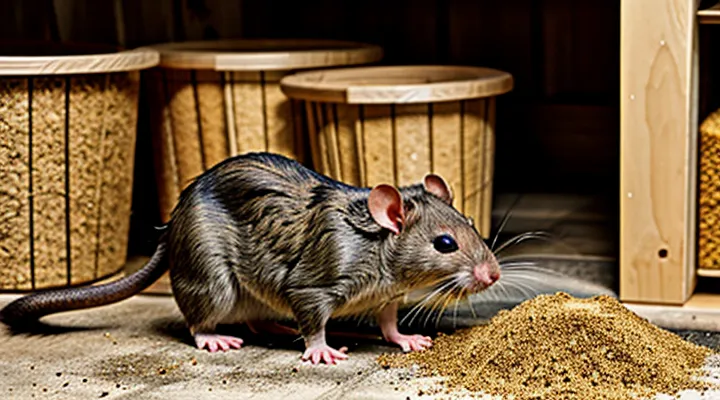
Understanding Sawdust
What is Sawdust?
Sawdust consists of fine wood particles produced by cutting, sanding, or drilling timber. The material retains the cellular structure of the original wood, including lignin, cellulose, and hemicellulose, which determine its density, moisture content, and durability. Production methods generate varying particle sizes, ranging from dust‑like fragments under 0.1 mm to coarse shavings exceeding 2 mm.
Common classifications of sawdust relate to source wood and processing technique:
- Soft‑wood sawdust (e.g., pine, spruce) – lighter, lower density, higher resin content.
- Hard‑wood sawdust (e.g., oak, maple) – denser, richer in tannins, slower to degrade.
- Engineered‑wood dust (e.g., MDF, particleboard) – contains synthetic binders and additives such as formaldehyde.
- Treated‑wood dust – impregnated with preservatives, stains, or pesticides.
Physical properties influence how sawdust interacts with animal environments. Moisture retention varies with particle size; finer dust absorbs water quickly, while larger shavings allow airflow. Chemical composition dictates potential toxicity; untreated natural wood is generally inert, whereas engineered or treated varieties may release harmful compounds when ingested or inhaled.
Understanding these characteristics is essential when evaluating the suitability of sawdust as a component of rodent bedding or diet. The wood source, particle size, and presence of additives directly affect safety, digestibility, and health outcomes for rats.
Types of Wood Used for Sawdust
Hardwoods vs. Softwoods
Rats sometimes ingest small amounts of the sawdust that lines their cages, making the wood species a practical concern. Hardwood and softwood particles differ in composition, texture, and health impact, which directly influences the risk‑benefit balance of this behavior.
Hardwood sawdust is dense, contains higher levels of tannins and phenolic compounds, and often carries a pleasant aroma. These traits can reduce mold growth and provide mild antimicrobial effects. However, the same tannins may irritate the gastrointestinal tract, and certain species (e.g., oak, walnut) contain compounds that are toxic in larger doses. The coarse texture can cause dental wear but may also increase the likelihood of accidental ingestion of larger particles that could obstruct the digestive system.
Softwood sawdust is lighter, contains resinous substances such as pine oleoresin, and decomposes more rapidly. The lower density improves ventilation and reduces dust accumulation, yet the resin can provoke respiratory irritation and allergic reactions. Some softwoods release volatile organic compounds that may affect liver function if consumed regularly. The finer particles are easier for rats to swallow, raising the probability of over‑consumption.
Hardwood sawdust – advantages
- Antimicrobial tannins limit bacterial proliferation.
- Coarse fibers support dental health.
- Slow decomposition maintains bedding integrity.
Hardwood sawdust – disadvantages
- Potential gastrointestinal irritation from tannins.
- Toxicity risk with specific species (oak, walnut).
- Larger particles increase obstruction hazard.
Softwood sawdust – advantages
- Light texture enhances airflow and reduces dust buildup.
- Faster breakdown simplifies cage cleaning.
- Finer particles are less likely to cause dental wear.
Softwood sawdust – disadvantages
- Resinous compounds may irritate respiratory passages.
- Higher likelihood of accidental over‑consumption.
- Volatile organics can affect liver function with chronic exposure.
Treated vs. Untreated Wood
Rats that gnaw on sawdust ingest particles that reflect the chemical state of the source wood. Untreated wood contains only natural lignin, cellulose, and trace minerals; it lacks preservatives, solvents, or additives. When rats consume this material, the only exposure is to naturally occurring compounds, which generally pose minimal toxic risk. However, untreated wood may harbor fungal spores, insect larvae, or surface contaminants that can affect rodent health.
Treated wood is impregnated with substances such as pressure‑applied chromated copper arsenate, borates, or oil‑based sealants. These agents protect the timber from decay and pest damage, but they also become part of the sawdust matrix. Rats that ingest treated sawdust may absorb toxic metals, arsenic, or biocides, leading to organ stress, gastrointestinal irritation, or long‑term health effects. The protective chemicals also reduce the likelihood of fungal growth, offering a cleaner substrate from a microbial standpoint.
Comparison
- Nutritional impact – Untreated sawdust provides inert fiber; treated sawdust introduces bioactive chemicals.
- Toxicity risk – Untreated wood presents low chemical toxicity; treated wood carries measurable toxicant levels.
- Microbial load – Untreated wood may support mold or insects; treated wood suppresses microbial proliferation.
- Environmental persistence – Chemicals in treated wood can leach into bedding or enclosure surfaces; untreated wood does not contribute additional contaminants.
- Cost and availability – Untreated timber is generally cheaper and more widely sourced; treated timber incurs higher material costs.
Choosing between the two depends on the priority placed on chemical safety versus microbial control. For environments where rodent health is paramount, untreated sawdust minimizes exposure to synthetic toxins. In settings where mold or insect infestation is a frequent problem, treated sawdust reduces microbial risk but introduces chemical hazards that must be monitored.
Is Sawdust Safe for Rats?
Potential Dangers of Sawdust
Respiratory Issues
Rats exposed to sawdust may develop respiratory problems because fine particles can be inhaled during chewing or when the substrate is disturbed. Inhaled dust irritates the nasal passages, trachea, and lungs, potentially leading to inflammation, coughing, and reduced oxygen exchange.
- Irritation and inflammation – particulate matter triggers mucosal swelling, increasing the risk of secondary bacterial infections.
- Silica content – hardwood sawdust often contains silica, which can cause silicosis‑like lesions if exposure is chronic.
- Allergic response – some rats develop hypersensitivity to specific wood types, resulting in wheezing or labored breathing.
- Ventilation factor – poor cage airflow amplifies dust concentration, worsening symptoms.
Mitigation strategies focus on reducing airborne particles:
- Choose low‑dust wood varieties (e.g., aspen, pine) or alternative bedding such as paper strips.
- Maintain high ventilation rates; use cages with mesh sides and ensure regular air exchange.
- Replace soiled bedding frequently to prevent dust accumulation.
- Monitor rats for signs of respiratory distress (nasal discharge, audible breathing effort) and seek veterinary care promptly.
When dust exposure is minimized, the risk of respiratory issues declines sharply, allowing rats to ingest small amounts of safe, low‑dust sawdust without measurable harm. Conversely, high‑dust substrates present a clear health hazard and should be avoided.
Digestive Blockages
Rats that ingest sawdust may develop gastrointestinal obstructions. The material is low in digestible fiber and can accumulate in the stomach or intestines, forming a solid mass that impedes peristalsis. When blockage occurs, the animal exhibits reduced food intake, abdominal swelling, and lethargy. If left untreated, the condition can progress to tissue necrosis and fatality.
Key factors that increase blockage risk include:
- Fine particle size that compacts easily.
- High cellulose content without accompanying nutrients.
- Continuous access to untreated wood shavings.
- Pre‑existing digestive disorders.
Preventive measures focus on diet composition and habitat management:
- Offer a balanced diet rich in soluble fiber to promote regular bowel movements.
- Replace raw sawdust with processed bedding that has larger, less compactable particles.
- Limit exposure by providing enclosed nesting areas where sawdust cannot be ingested accidentally.
- Monitor body condition and stool consistency daily; any change warrants immediate veterinary assessment.
If a blockage is suspected, diagnostic steps involve palpation, radiography, and possibly ultrasonography. Treatment options range from manual extraction under anesthesia to surgical removal of the obstructed segment. Post‑operative care requires rehydration, analgesia, and a gradual return to a high‑fiber diet to prevent recurrence.
Toxicity Concerns
Rats exposed to sawdust may encounter several toxic risks. Commercial wood shavings often receive treatments such as pesticides, preservatives, or fire retardants. These chemicals can be absorbed through the digestive tract, potentially leading to liver or kidney damage. Even untreated wood may contain natural toxins, especially from aromatic or hardwood species that produce phenolic compounds harmful to rodents.
Inhalation of fine particles presents another hazard. Dust can irritate the respiratory system, increasing the likelihood of bronchitis, pneumonia, or chronic airway inflammation. Prolonged exposure may compromise immune function, making rats more susceptible to secondary infections.
Mold growth is common in damp bedding. Spores release mycotoxins that can cause neurological symptoms, gastrointestinal upset, and suppressed appetite. Regular monitoring for moisture and timely replacement of bedding reduce this risk.
Key toxicity concerns:
- Chemical residues from treated wood (pesticides, preservatives, fire retardants)
- Respiratory irritation from airborne dust particles
- Mycotoxin exposure due to mold development
- Species‑specific natural toxins in certain woods
Mitigation strategies include selecting untreated, kiln‑dried hardwood shavings, maintaining low humidity, and replacing bedding frequently. Laboratory testing of bedding for contaminants can further ensure safety.
Allergic Reactions
Rats may experience allergic reactions when they ingest or inhale sawdust. The immune system can recognize dust particles, fungal spores, or resin compounds as allergens, leading to inflammation of the respiratory tract, skin irritation, or gastrointestinal distress.
Allergic risk depends on sawdust composition, particle size, and moisture content. Hardwood species such as maple or birch produce finer, less resinous dust, while pine, cedar, and aromatic softwoods contain volatile oils that frequently trigger hypersensitivity. Moist sawdust encourages mold growth, adding fungal allergens to the mix.
Pros regarding allergic reactions
- Low‑dust, kiln‑dried hardwood reduces inhalation of particulate matter.
- Sterile, moisture‑free sawdust limits mold development and associated allergens.
- Limited resin content minimizes chemical irritation.
Cons regarding allergic reactions
- High‑dust, untreated softwood releases irritant oils that provoke respiratory inflammation.
- Moisture‑laden sawdust fosters fungal growth, increasing allergen load.
- Fine particles can settle on fur, exposing owners to potential human allergies.
Mitigation requires selecting kiln‑dried hardwood, storing the material in a dry environment, and regularly monitoring rats for sneezing, nasal discharge, or skin lesions. Immediate removal of suspect sawdust and substitution with a proven low‑allergen bedding material prevent escalation of allergic symptoms.
Specific Dangers of Certain Wood Types
Pine and Cedar Sawdust
Pine and cedar sawdust are common bedding materials for pet rodents, but their suitability as a dietary component requires careful assessment.
Both woods contain volatile oils—pinene in pine and thujone in cedar—that deter insects and mold. These compounds can irritate the respiratory tract of rats when inhaled in large quantities and may cause mild gastrointestinal upset if ingested. Cedar’s thujone has documented neurotoxic effects at high doses, while pine’s resinous substances can lead to temporary loss of appetite.
Potential benefits
- Provides roughage that supports natural gnawing behavior.
- Low caloric content reduces the risk of over‑feeding.
- Natural scent may reduce stress in some individuals.
Potential drawbacks
- Respiratory irritation from dust particles.
- Possible toxicity from essential oils, especially with cedar.
- Lack of essential nutrients; reliance on sawdust can lead to deficiencies.
- Risk of mold growth if moisture is not controlled, increasing pathogen exposure.
Safe use of pine or cedar sawdust involves limiting exposure to bedding rather than treating it as food, maintaining dry conditions, and monitoring rats for signs of respiratory distress or digestive changes. For nutritional needs, commercial rodent pellets and fresh vegetables remain the primary sources.
Treated Wood Sawdust
Treated wood sawdust is a by‑product of lumber processing in which the material has been impregnated with chemicals such as preservatives, pesticides, or fire retardants. The treatment agents are designed to protect wood from decay, insects, and moisture, but they also alter the chemical composition of the sawdust, often introducing toxic substances like arsenic, copper, chromium, or synthetic polymers.
When rats encounter treated sawdust, several factors determine safety:
- Chemical toxicity: Ingested preservatives may cause gastrointestinal irritation, liver damage, or neurological effects. The severity depends on the type and concentration of the treatment.
- Nutritional value: Sawdust provides no digestible nutrients for rodents; it is primarily cellulose, which rats cannot break down effectively.
- Physical hazards: Fine particles can obstruct the respiratory tract, leading to pneumonitis or chronic bronchial irritation.
Potential advantages
- Limited palatability: The unpleasant taste of many preservatives reduces the likelihood of rats consuming large amounts.
- Structural use: Treated sawdust can serve as bedding material that resists mold growth, prolonging a cleaner environment if rats avoid ingestion.
Potential disadvantages
- Acute poisoning risk: Even small ingestions of certain preservatives can trigger vomiting, seizures, or death.
- Chronic health impact: Repeated exposure to low‑level toxins may result in organ dysfunction over time.
- Respiratory compromise: Dust inhalation can cause chronic inflammation, decreasing overall vitality and lifespan.
Veterinarians generally advise against offering any treated wood particles to rats. If exposure occurs, immediate veterinary assessment is necessary to mitigate toxic effects and prevent long‑term health deterioration.
Alternatives to Sawdust for Rat Bedding
Safe and Recommended Bedding Materials
Paper-Based Bedding
Paper‑based bedding is a common alternative to wood‑chip substrates for pet rats. It consists of shredded or compressed cellulose fibers that absorb moisture and provide a soft surface for nesting.
Advantages
- High absorbency reduces wet spots and odor.
- Soft texture minimizes foot and tail injuries.
- Low dust content limits respiratory irritation.
- Easy to replace; small pieces can be removed without disrupting the cage.
Disadvantages
- Cost per square foot exceeds that of many wood products.
- Biodegradability varies; some brands contain synthetic binders that slow decomposition.
- Certain formulations may retain moisture if not changed frequently, encouraging mold growth.
- Rats may chew the material; excessive ingestion can cause gastrointestinal blockage if large quantities are consumed.
When evaluating whether rats can safely ingest paper bedding, consider the fiber composition. Pure cellulose poses minimal toxicity, but additives such as inks or chemical treatments can be harmful. Monitoring consumption and providing fresh food and water mitigates the risk of over‑consumption. In practice, paper bedding offers a balance of hygiene and comfort, provided that quality standards are met and regular cage maintenance is performed.
Aspen Shavings
Aspen shavings are a common bedding material for rodents because the wood is soft, low‑density, and contains minimal aromatic oils. The fibers break down into fine particles that resemble sawdust, making them readily available for rats that may gnaw or ingest small amounts.
Safety considerations focus on composition and dust production. Aspen lacks the phenolic compounds found in pine or cedar, reducing the risk of respiratory irritation. The material produces little airborne dust, which helps maintain clear airways. When ingested in moderation, the shavings pass through the digestive tract without causing significant abrasion.
Potential drawbacks arise from nutritional and hygienic factors. Aspen provides negligible fiber, so reliance on it as a food source offers no dietary benefit. Excessive consumption can lead to gastrointestinal blockage, especially in young or stressed rats. Moisture accumulation may promote mold growth, introducing toxins that compromise health.
Advantages
- Minimal aromatic oils, lowering respiratory irritation risk
- Low dust generation, supporting clean air quality
- Soft texture reduces skin abrasion and foot injuries
Disadvantages
- Low nutritional value; no substantive fiber or nutrients
- High ingestion volume may cause impaction or constipation
- Susceptible to mold if not kept dry, introducing harmful spores
When evaluating whether rats should be allowed to eat Aspen shavings, weigh the respiratory safety against the lack of nutritional benefit and the risk of digestive complications. Proper cage maintenance—regular cleaning and moisture control—mitigates most hazards while preserving the material’s comfort advantages.
Fleece Liners
Fleece liners are woven fabric inserts placed inside cages to provide a soft, washable surface for small mammals. The material is typically made from polyester or acrylic fibers, designed to retain heat and reduce friction against the animal’s skin and whiskers. Because the fabric is non‑absorbent, it does not trap moisture, making it easier to maintain a dry environment.
When evaluating the risk of rats ingesting bedding, fleece liners differ markedly from wood‑based substrates. Sawdust, especially when derived from aromatic softwoods, can contain volatile compounds that rats may sample inadvertently. Fleece, being inert, eliminates the chemical exposure associated with wood particles. However, rats may still chew and ingest small threads, potentially leading to gastrointestinal blockage if large amounts are consumed.
Advantages of fleece liners in this context
- No volatile organic compounds; reduces toxic exposure.
- Easy to launder; eliminates bacterial buildup that can accompany damp sawdust.
- Provides consistent surface temperature, supporting thermoregulation.
Disadvantages of fleece liners in this context
- Fibers can be torn and ingested, creating blockage risk.
- Lack of absorbency may require supplemental dry bedding to control urine moisture.
- Initial cost exceeds that of bulk sawdust, though longevity may offset expense.
Choosing fleece liners involves balancing the elimination of chemical hazards against the mechanical risk of fiber ingestion. Proper monitoring of cage wear and regular cleaning can mitigate most concerns while preserving the comfort benefits fleece offers.
Considerations When Choosing Bedding
Absorbency
Absorbency directly influences how sawdust behaves when rats ingest it or use it as bedding. High moisture‑binding capacity reduces the likelihood of wet spots that can foster bacterial growth, while low absorbency allows liquids to pool, increasing the risk of gastrointestinal irritation if the material is swallowed.
Advantages of highly absorbent sawdust
- Retains urine and spilled water, keeping the enclosure dry and limiting exposure to harmful pathogens.
- Limits the amount of free moisture that rats may ingest, decreasing the chance of soft‑stool diarrhea.
- Supports stable temperature by preventing localized dampness that can lower ambient heat.
Disadvantages of highly absorbent sawdust
- Saturated fibers become heavy, potentially restricting rat movement if bedding is compacted.
- Over‑absorption can trap odor‑producing compounds, leading to stronger smells in the habitat.
- Excess moisture retention may create a humid microenvironment that encourages mold growth, which can be harmful if ingested.
Advantages of low‑absorbency sawdust
- Remains lightweight, allowing easy nesting and burrowing without added bulk.
- Facilitates rapid drying after cleaning, reducing turnaround time between cage changes.
Disadvantages of low‑absorbency sawdust
- Allows liquids to pool on the surface, increasing the probability that rats will lick or chew wet particles.
- Promotes bacterial proliferation in standing moisture, raising infection risk.
- Provides less barrier against urine, leading to higher contamination of the cage floor.
Choosing sawdust with appropriate absorbency balances the need for a dry, hygienic environment against the potential for rats to ingest moist particles. Proper monitoring of bedding condition and regular replacement are essential to mitigate the identified risks.
Odor Control
Rats that ingest sawdust generate waste that can affect the ambient smell of an enclosure. The type and condition of the sawdust determine whether odor levels increase or decrease.
Positive effects on odor
- Fine, low‑density wood fibers absorb moisture, limiting bacterial growth that produces strong ammonia.
- Certain hardwoods, such as maple or birch, emit minimal scent, preventing additional odor from the bedding itself.
- Regular removal of soiled particles reduces the concentration of volatile compounds released by feces and urine.
Negative effects on odor
- High‑oil softwoods (e.g., pine, cedar) release aromatic compounds that combine with waste gases, creating a pungent, persistent smell.
- Saturated sawdust retains moisture, fostering mold and mildew that emit musty odors.
- Inadequate ventilation allows accumulated gases to linger, amplifying the overall stench.
Management recommendations
- Select low‑oil hardwood sawdust and keep the bedding dry.
- Replace the material at least once a week, or more frequently if moisture accumulates.
- Ensure proper airflow through the cage to disperse gases promptly.
Dust Levels
Dust levels refer to the concentration of fine particulate matter suspended in the air and settled on surfaces within a rat’s environment. Concentrations are typically expressed in milligrams per cubic meter (mg/m³) or as a percentage of total substrate weight. Monitoring these values provides a quantitative basis for assessing respiratory risk and overall habitat hygiene.
High dust concentrations present several drawbacks:
- Increased incidence of respiratory irritation, bronchitis, and reduced aerobic capacity in rats.
- Accumulation of dust on feeding stations, leading to contamination of food and water supplies.
- Greater likelihood of dust‑borne pathogens adhering to particles, facilitating infection.
Low dust concentrations offer distinct advantages:
- Minimal respiratory stress, supporting normal lung function and activity levels.
- Cleaner feeding surfaces, reducing the chance of ingesting foreign particles.
- Lower risk of allergen or pathogen transmission through airborne particles.
Maintaining dust levels within the range of 0.5–1.0 mg/m³ aligns with laboratory standards for small‑rodent housing and promotes a stable environment for safe consumption of sawdust‑based bedding. Regular cleaning, substrate replacement, and the use of low‑dust wood species help achieve these targets.
Recognizing Sawdust-Related Health Problems
Symptoms of Respiratory Illness
Rats that consume or are exposed to sawdust may develop respiratory illness, manifesting through observable clinical signs. Recognizing these symptoms enables timely intervention and prevents disease progression.
Common respiratory signs include:
- Labored breathing or increased respiratory rate
- Nasal discharge, clear or purulent
- Audible wheezing or crackles during inhalation
- Coughing, sometimes accompanied by gagging
- Sneezing episodes
- Reduced activity and lethargy due to compromised oxygen intake
- Facial swelling or edema around the eyes and nose
- Pale or cyanotic mucous membranes indicating hypoxia
Additional indicators may involve weight loss, poor coat condition, and diminished appetite, reflecting systemic impact of pulmonary distress. Early detection of these manifestations is essential when evaluating the safety of sawdust as a dietary or environmental component for rats.
Signs of Digestive Issues
Rats that ingest sawdust may develop gastrointestinal disturbances. Observable indicators include:
- Reduced feed intake or refusal of food.
- Decreased water consumption.
- Abdominal swelling or visible distension.
- Persistent diarrhea or unusually soft stools.
- Presence of blood or mucus in feces.
- Lethargy accompanied by a hunched posture.
- Excessive grooming of the anal area.
- Weight loss measured over consecutive weeks.
These symptoms often appear within days of exposure to untreated wood particles. Rapid identification allows timely veterinary intervention, preventing progression to severe malabsorption, intestinal blockage, or systemic infection. Monitoring body condition, stool consistency, and behavior provides the most reliable early detection method.
When to Contact a Veterinarian
Rats that chew or swallow sawdust may develop gastrointestinal irritation, respiratory issues, or dental problems. Immediate veterinary assessment is required when any of the following signs appear:
- Persistent vomiting or regurgitation
- Diarrhea containing blood or mucus
- Sudden weight loss or failure to gain weight
- Labored breathing, wheezing, or coughing
- Excessive drooling, difficulty swallowing, or oral lesions
- Lethargy, unresponsiveness, or seizures
Even in the absence of overt symptoms, a veterinarian should be consulted if the rat has ingested a large quantity of sawdust, especially if the material is treated, chemically coated, or contains high levels of dust. Professional evaluation can identify hidden complications such as intestinal blockage or toxic exposure.
If the rat’s behavior changes dramatically within hours of exposure, or if the owner observes any abnormal discharge from the eyes, nose, or ears, prompt medical attention is advisable. Early intervention reduces the risk of irreversible damage and improves recovery prospects.
Routine check‑ups remain useful for rats that regularly encounter sawdust in their environment. A veterinarian can recommend safer bedding alternatives, monitor dental health, and provide guidance on nutrition to minimize the likelihood of harmful ingestion.
Best Practices for Rat Care
Proper Cage Setup
A well‑designed rat enclosure determines whether wood shavings are a safe dietary supplement or a health risk. The cage must accommodate the animal’s need for space, ventilation, and hygiene while allowing any bedding to be monitored and managed effectively.
The base of the cage should be solid and non‑porous. A sturdy floor prevents shavings from escaping into ventilation ducts and makes daily spot‑cleaning possible. Wire‑mesh floors are unsuitable because they allow loose particles to fall through and can cause foot injuries.
Ventilation is critical. Adequate airflow disperses dust generated by wood particles, reducing respiratory irritation. Position the cage away from direct drafts, but ensure at least one open side or a filtered vent to maintain air exchange.
Cleaning protocols must be straightforward. Choose a cage with removable trays or modular sections so that bedding can be replaced without dismantling the entire structure. Weekly deep cleaning combined with daily spot removal limits bacterial growth that could be amplified by decomposing sawdust.
Enrichment items—tubes, hammocks, chew blocks—should be anchored to the cage walls rather than placed on the bedding. This prevents rats from ingesting large amounts of wood fibers while they explore or gnaw.
Key considerations for a proper setup:
- Minimum floor area: 2 sq ft per rat, with additional vertical space for climbing.
- Height: at least 12 inches to accommodate hammocks and multi‑level platforms.
- Material: stainless steel or heavy‑gauge acrylic for durability and ease of sterilization.
- Bedding depth: no more than 1 inch of shavings; deeper layers increase dust and ingestion risk.
- Access points: large front doors for cleaning; side doors for handling without disturbing the entire enclosure.
By adhering to these specifications, the cage supports healthy behavior and minimizes the potential drawbacks of using wood shavings as a food source. The environment remains safe, clean, and conducive to observing the true effects of rodents consuming sawdust.
Environmental Enrichment
Providing sawdust as a dietary component intersects with environmental enrichment strategies for pet rats. Enrichment aims to stimulate natural behaviors, reduce stress, and improve welfare. Introducing sawdust can serve both as a foraging substrate and a tactile medium, yet it carries nutritional and health considerations.
Potential benefits
- Encourages digging and nest‑building, activities rats perform instinctively in the wild.
- Supplies a low‑calorie filler that may help control body weight when offered in moderation.
- Offers a scent‑rich environment, enhancing olfactory exploration.
Potential drawbacks
- Lacks essential nutrients; excessive consumption can lead to malnutrition.
- Fine particles may cause respiratory irritation or exacerbate existing conditions such as asthma.
- Risk of contamination with mold, pesticides, or heavy metals if the wood source is untreated.
Balancing enrichment with safety requires selecting kiln‑dried, chemical‑free hardwood sawdust, limiting daily intake, and monitoring for signs of respiratory distress or digestive upset. Complementary enrichment items—chewing blocks, tunnels, and nesting material—should remain the primary sources of stimulation and nutrition.
Nutritional Needs
Rats require a balanced supply of protein (15‑20 % of diet), fats (5‑10 %), complex carbohydrates, fiber, vitamins (A, D, E, K, B‑complex) and minerals (calcium, phosphorus, magnesium, zinc). Adequate moisture intake is essential for digestion and kidney function. Deficiencies or excesses quickly affect growth, reproductive performance and immune competence.
Sawdust consists primarily of cellulose, lignin and trace amounts of minerals. It provides negligible protein, fat or vitamins, and its nutritional value is limited to insoluble fiber. Consequently, sawdust cannot replace standard rodent chow or fresh foods.
Possible advantages
- Adds bulk to diet, promoting gastrointestinal motility.
- Offers tactile stimulation that may reduce boredom.
Potential drawbacks
- Dilutes essential nutrients, leading to protein or vitamin deficits.
- Fine particles can cause respiratory irritation or pulmonary disease.
- May contain preservatives, glues or fungal spores harmful to health.
- Lacks digestible energy, increasing the risk of weight loss.
Integrating sawdust should involve strict limitation to a small fraction of total intake, supplemented by nutritionally complete feed to meet all dietary requirements. Regular health monitoring is advisable whenever sawdust is introduced.