
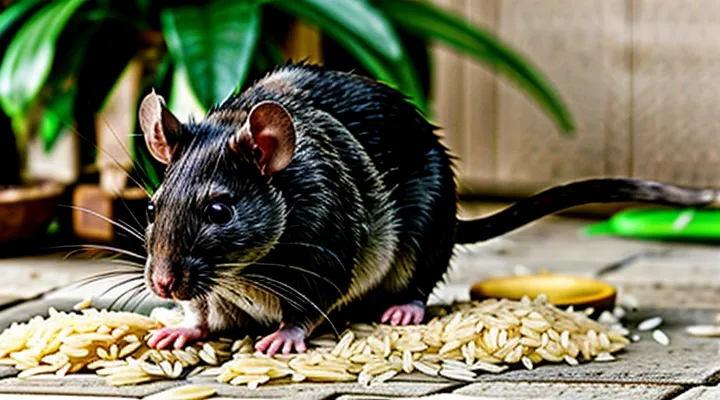
Understanding Rat Diets
Natural Foraging Habits
Rats exhibit opportunistic foraging patterns that prioritize high‑energy foods readily available in their environment. Their tactile whiskers and keen sense of smell guide them toward seeds, grains, and plant material, enabling efficient exploitation of diverse resources.
Uncooked rice aligns with the grain category frequently targeted during natural searches. The small, hard kernels resemble other cereals that rats encounter in fields and storage areas, prompting investigation and ingestion when presented.
Key considerations for raw rice consumption include:
- Digestibility: raw starch granules resist enzymatic breakdown, potentially limiting nutrient absorption.
- Antinutrients: phytate levels may interfere with mineral uptake if intake is substantial.
- Physical hazards: hard kernels can cause dental wear or gastrointestinal irritation in excessive quantities.
When raw rice forms part of a balanced diet, occasional ingestion poses minimal health risk. Regular feeding should favor softened or cooked grains to enhance digestibility and reduce mechanical stress. Monitoring body condition and stool consistency ensures that grain intake supports, rather than compromises, overall well‑being.
Nutritional Needs of Pet Rats
Pet rats require a balanced diet that supplies protein, fiber, vitamins and minerals in proportions that support rapid growth and high metabolic rate. Protein sources such as cooked eggs, lean meat or commercial rodent pellets should constitute 15‑20 % of daily caloric intake, providing essential amino acids for muscle development and immune function. Fiber, supplied by whole‑grain cereals, fresh vegetables and occasional fruit, aids gastrointestinal motility and prevents hairball formation. Vitamins A, D, E and B‑complex are critical for vision, bone health, antioxidant protection and energy metabolism; these are reliably delivered through fortified pellets and fresh produce. Minerals including calcium, phosphorus, magnesium and trace elements must be present in a balanced ratio to avoid skeletal disorders and kidney strain.
Raw rice offers primarily carbohydrate energy with minimal protein, fiber or micronutrients. Uncooked grains present a risk of reduced digestibility and possible expansion in the stomach, which can cause discomfort or obstruction. If introduced, rice should be thoroughly cooked, cooled and offered in small quantities as a supplemental treat, not as a staple component. Nutritional adequacy is better achieved by prioritising high‑quality rodent diets that meet established nutrient profiles, supplemented with fresh vegetables, occasional fruit and protein sources.
Key considerations for safe inclusion of grain‑based foods:
- Cooked, not raw, preparation eliminates expansion risk.
- Portion size limited to less than 5 % of total daily calories.
- Complementary foods must supply missing protein, fiber and micronutrients.
- Regular monitoring of weight and stool consistency ensures dietary tolerance.
The Problem with Raw Rice
Antinutrients in Raw Grains
Lectins and Their Impact
Lectins are protein‑carbohydrate complexes abundant in many plant seeds, including uncooked rice grains. In their native form, lectins resist digestion and can bind to glycoprotein receptors on the intestinal epithelium of rodents. This binding interferes with nutrient transport and may provoke inflammatory responses.
Key physiological effects of rice lectins on rats:
- Attachment to gut mucosa reduces absorption of glucose and amino acids.
- Disruption of tight junctions increases intestinal permeability, facilitating endotoxin translocation.
- High‑dose exposure can trigger vomiting, diarrhea, and, in severe cases, systemic toxicity.
Raw rice typically contains lectin concentrations ranging from 0.1 % to 0.3 % of dry weight. Thermal treatment, prolonged soaking, or fermentation denature these proteins, lowering their activity by up to 95 %. Consequently, feeding rodents uncooked rice should be limited to minimal quantities, and processed rice is preferred for regular diets. Monitoring for gastrointestinal distress after introduction of raw grains provides an early indicator of lectin‑related adverse effects.
Phytates and Mineral Absorption
Raw rice contains substantial amounts of phytate, a storage form of phosphorus that chelates divalent cations. The chelation process forms insoluble complexes with minerals such as calcium, iron, zinc, and magnesium, thereby limiting their bioavailability in the gastrointestinal tract.
Phytate–mineral complexes resist enzymatic hydrolysis in the small intestine. As a result, absorption rates of the bound minerals decline markedly compared with diets low in phytate. The inhibitory effect is dose‑dependent; higher phytate concentrations produce proportionally greater reductions in mineral uptake.
In rodent studies, diets enriched with uncooked rice demonstrated:
- Decreased serum calcium and phosphorus levels
- Reduced hepatic iron stores
- Lowered bone mineral density
These outcomes correlate with the known affinity of phytate for the listed minerals and confirm that raw rice can impair nutrient status in rats when provided as a primary carbohydrate source.
Mitigation strategies include:
- Pre‑soaking or fermenting rice to activate endogenous phytase, which hydrolyzes phytate into absorbable inositol phosphates
- Supplementing the diet with mineral salts in excess of the expected phytate binding capacity
- Incorporating commercial phytase enzymes to enhance phytate degradation during digestion
Applying such measures restores mineral absorption efficiency, allowing raw rice to serve as a viable component of rat nutrition without compromising essential mineral balance.
Digestibility Concerns
Hardness and Abrasive Qualities
Raw rice presents a solid, compact structure that challenges the mandibular mechanics of rats. The grain’s intrinsic firmness, measured by its moisture‑adjusted hardness, exceeds the typical chew resistance of standard rodent pellets. Consequently, incisors must exert greater force to fracture the kernel, increasing dental workload.
The surface of uncooked rice exhibits microscopic irregularities that act as mild abrasives. These particles can contribute to incremental enamel wear during repeated mastication. Additionally, the coarse texture may irritate the mucosal lining of the gastrointestinal tract, potentially leading to minor abrasions if consumption is frequent.
Key considerations for evaluating uncooked rice as a component of a rat diet:
- «hardness» level demands elevated bite force, risking dental strain.
- «abrasive» texture promotes gradual enamel attrition.
- Potential for mucosal irritation increases with larger intake volumes.
- Nutritional value of raw rice remains low compared with formulated feeds, offering limited justification for inclusion.
Overall, the physical properties of raw rice impose mechanical stresses that outweigh any marginal nutritional benefit, suggesting that it is unsuitable as a regular dietary element for rats.
Potential for Gastrointestinal Blockages
Feeding uncooked rice to pet rodents introduces a grain that remains largely intact until it contacts moisture. The grain’s hard endosperm resists enzymatic breakdown, causing it to pass through the stomach with minimal digestion.
When a rat ingests raw rice, the grain can absorb fluids in the gastrointestinal tract, expanding up to three times its original volume. This swelling creates a physical obstruction that may halt the movement of digesta. The obstruction is most likely to develop in the narrowest sections of the small intestine, where peristaltic force is insufficient to propel the enlarged particles.
Typical indicators of a blockage include:
- Reduced food intake
- Decreased fecal output or absence of stool
- Abdominal distension
- Lethargy or reluctance to move
To mitigate the risk, caretakers should:
- Exclude uncooked rice from the diet
- Offer only thoroughly cooked rice, cooled to safe temperatures
- Provide a balanced diet rich in fiber and low‑starch supplements
- Observe animals for early signs of digestive distress and seek veterinary assistance promptly
Scientific observations confirm that the physical properties of raw grains, rather than their nutritional content, are the primary cause of gastrointestinal obstruction in small mammals. Proper dietary management eliminates this hazard while preserving the nutritional benefits of rice when prepared correctly.
Nutritional Deficiencies
Lack of Essential Vitamins and Minerals
Raw rice provides primarily carbohydrates and a small amount of protein, but it contains negligible levels of the vitamins and minerals required for normal rat physiology.
Rats need a balanced intake of the following nutrients, which are largely absent from uncooked grain:
- Vitamin A
- B‑complex vitamins (B1, B2, B3, B6, B12)
- Vitamin C
- Vitamin D
- Vitamin E
- Vitamin K
- Calcium
- Phosphorus
- Magnesium
- Zinc
- Iron
- Selenium
Deficiency of these elements leads to measurable health problems. Lack of vitamin A impairs vision and epithelial integrity; insufficient B‑vitamins disrupt energy metabolism and nervous function. Inadequate calcium and phosphorus weaken skeletal development, while low magnesium and zinc compromise muscle function and immune response. Iron and selenium shortages reduce hemoglobin synthesis and antioxidant capacity.
When raw rice constitutes a substantial portion of a rat’s diet, the resulting nutrient gaps can cause stunted growth, reduced fertility, poor coat condition, and increased susceptibility to infection.
Effective mitigation requires supplementation. Options include:
- Commercial rodent pellets formulated to meet established nutrient specifications.
- Fresh vegetables and fruits that supply vitamins A, C, K, and trace minerals.
- Commercial vitamin‑mineral mixes designed for small mammals.
Providing these additions restores a complete nutrient profile, preventing the adverse effects associated with the inherent deficiencies of uncooked rice.
«A controlled study demonstrated that rats receiving a diet supplemented with a balanced vitamin‑mineral mix maintained normal growth rates despite high raw‑rice consumption.»
Imbalanced Macronutrient Profile
Raw rice presents a macronutrient composition that diverges sharply from the dietary requirements of laboratory and pet rodents. Carbohydrate content exceeds 80 % of the dry matter, while protein contributes less than 7 % and fat remains below 1 %. Rats depend on a balanced intake of protein, fat, and carbohydrates to sustain growth, reproduction, and immune function; the predominance of starch leads to a surplus of glucose without the essential amino acids and essential fatty acids needed for tissue synthesis and hormone production.
Key nutritional imbalances associated with uncooked rice include:
- Insufficient protein, limiting the supply of essential amino acids such as lysine and methionine.
- Minimal lipid content, reducing availability of omega‑3 and omega‑6 fatty acids required for cell membrane integrity.
- High glycemic load, provoking rapid blood‑sugar spikes and potential insulin dysregulation.
- Absence of dietary fiber, diminishing gastrointestinal motility and microbial diversity.
Consequences of prolonged consumption may involve stunted growth, compromised immune response, and metabolic disturbances. Supplementation with protein‑rich sources, balanced fats, and fiber is necessary if raw rice is incorporated into a rodent diet. «A diet lacking in essential macronutrients cannot support optimal physiological function».
Safe Alternatives to Raw Rice
Cooked Rice for Rats
Preparation Guidelines
Raw rice may be included in a rat’s diet when prepared correctly. The grain must be free of contaminants, properly hydrated, and served in appropriate portions to avoid digestive issues.
- Wash rice thoroughly under running water to remove dust and residues.
- Soak the cleaned grains in fresh water for 30 minutes; this softens the starch and reduces the risk of blockage.
- Drain excess liquid and allow the rice to reach room temperature before offering it to the animal.
- Measure a serving size not exceeding one teaspoon for a small adult rat; adjust proportionally for larger individuals.
- Introduce the rice gradually, mixing it with familiar food to monitor acceptance and tolerance.
After preparation, store any remaining rice in a sealed container within the refrigerator for no more than 24 hours. Discard any portion that develops an off‑odor or visible spoilage. Observe the rat for signs of diarrhea, reduced activity, or abnormal behavior following consumption; discontinue the ingredient if adverse effects appear.
Portion Control and Frequency
Raw rice may be offered to pet rodents as an occasional carbohydrate source, but safe inclusion depends on strict control of amount and timing. Excessive servings can disrupt digestive balance, elevate blood glucose, and encourage weight gain, especially in small‑bodied individuals.
A typical adult laboratory rat weighing 250 g tolerates no more than 0.5 g of uncooked rice per serving. Juvenile rats require proportionally less, around 0.2 g per 100 g of body weight. The grain should be introduced in a single bite‑sized portion, never mixed into the staple diet, to allow precise monitoring of intake.
Guidelines for feeding raw rice:
- Offer the measured portion once every 3–4 days; more frequent exposure risks caloric overload.
- Observe the animal for signs of gastrointestinal distress within 24 hours; discontinue if diarrhea or lethargy occurs.
- Rotate the carbohydrate source with other low‑calorie vegetables to maintain nutritional variety.
- Record each feeding event, noting quantity and any behavioral changes, to adjust future portions accordingly.
Other Rat-Friendly Grains
Oats and Barley
Rats can digest grains such as oats and barley without adverse effects when offered in moderation. Both cereals provide carbohydrates, protein, and dietary fiber that support energy needs and gastrointestinal health. Oats contain soluble fiber beta‑glucan, which can aid in maintaining stable blood glucose levels. Barley supplies a higher proportion of insoluble fiber, promoting regular bowel movements.
Nutritional profile comparison:
- Oats: approximately 12 % protein, 66 % carbohydrates, 7 % fat, rich in manganese and phosphorus.
- Barley: roughly 10 % protein, 73 % carbohydrates, 2 % fat, notable for selenium and B‑vitamins.
Potential concerns include the presence of phytic acid in raw grains, which may bind minerals and reduce absorption. Soaking or light cooking diminishes phytic acid while preserving most nutrients, making the grains safer for regular consumption.
When integrating oats or barley into a rat’s diet, consider the following guidelines:
- Offer only a small portion of the total daily intake, typically not exceeding 10 % of overall calories.
- Ensure grains are fresh, free from mold, and stored in airtight containers.
- Combine with a balanced commercial pellet diet to meet all essential amino acids, vitamins, and minerals.
In summary, oats and barley constitute appropriate supplemental foods for rats, provided they are introduced gradually, monitored for tolerance, and balanced with a complete diet.
Quinoa and Millet
Quinoa and millet present viable alternatives to uncooked rice for rodent diets. Both grains supply essential amino acids, dietary fiber, and micronutrients that support healthy digestion and metabolic function in rats.
Nutritional profile comparison:
- Quinoa: complete protein source, high in magnesium, phosphorus, and antioxidants.
- Millet: rich in B‑vitamins, iron, and low‑glycemic carbohydrates.
Safety considerations:
- Raw quinoa contains saponins that may irritate the gastrointestinal tract; thorough rinsing removes most residues.
- Millet lacks antinutritional factors but may harbor spores; sourcing from reputable suppliers minimizes risk.
- Neither grain contains the lectins found in raw rice that can cause digestive upset in rodents.
Feeding recommendations:
- Offer cooked or lightly toasted quinoa and millet to ensure digestibility.
- Limit portion size to 5–10 % of total daily intake to prevent excess calories.
- Rotate grains with other protein and vegetable sources to maintain dietary balance.
Overall, quinoa and millet provide nutritionally sound substitutes when evaluating the suitability of uncooked rice for rat consumption.
A Balanced Rat Diet
Commercial Rat Food
Commercial rat food is formulated to meet the specific nutritional requirements of laboratory and pet rodents. Protein levels typically range from 14 % to 20 %, while fiber, fat, vitamins, and minerals are balanced to support growth, reproduction, and immune function. The formulation excludes unnecessary fillers and focuses on digestibility and safety.
Typical ingredients include:
- Soy or casein protein isolates
- Whole grain cereals such as corn, wheat, or barley
- Fiber sources like beet pulp or cellulose
- Vitamin and mineral premixes
- Essential fatty acids from vegetable oils
Raw rice, while technically consumable, lacks the complete amino‑acid profile and micronutrient density provided by purpose‑designed feeds. Uncooked grains also present a risk of gastrointestinal irritation and may contain anti‑nutritional factors that commercial mixes have eliminated through processing.
For optimal health, rats should receive a diet composed primarily of commercial pellets or blocks, supplemented occasionally with fresh vegetables or fruits. Food storage must be dry, cool, and protected from contamination to preserve nutrient integrity.
Fresh Vegetables and Fruits
Fresh vegetables and fruits provide essential vitamins, minerals, and dietary fiber that support the health of laboratory and pet rodents. When raw rice is offered as a carbohydrate source, the inclusion of raw produce balances the diet by supplying micronutrients absent from grains.
Key considerations for integrating raw produce:
- Select items free of pesticide residues; wash thoroughly before presentation.
- Offer varieties such as carrots, broccoli, spinach, apple slices, and berries in moderate portions to avoid digestive upset.
- Provide a mix of colors to ensure a broad spectrum of phytonutrients.
- Monitor intake; excessive fruit sugars can lead to obesity, while high‑fiber vegetables may cause loose stools if introduced abruptly.
Nutritional synergy emerges when raw grains and fresh produce are combined. Carbohydrates from uncooked rice supply quick energy, while vegetables and fruits deliver antioxidants and promote gut motility. A balanced regimen typically consists of 70 % grain‑based calories and 30 % fresh produce, adjusted according to the individual’s activity level and health status.
Potential risks include contamination, choking hazards from large pieces, and the introduction of acidic fruits that may erode dental enamel. Mitigate these risks by cutting produce into bite‑size fragments and limiting citrus to occasional treats.
Overall, fresh vegetables and fruits constitute a vital component of a well‑rounded rodent diet, enhancing the nutritional profile of raw grain offerings and contributing to optimal physiological function.
Protein Sources
Rats require adequate protein to maintain muscle development, immune function, and reproductive health. When raw rice constitutes a significant portion of their diet, protein must be supplied from alternative sources to prevent nutritional deficiency.
Common protein options suitable for laboratory and pet rats include:
- Commercial rodent pellets formulated with soy, casein, or fish meal.
- Cooked eggs, providing high‑quality animal protein.
- Lean cooked poultry or meat, offered in small, unseasoned portions.
- Low‑fat cottage cheese or plain yogurt, delivering dairy protein without excess lactose.
- Insects such as mealworms or crickets, rich in essential amino acids.
Supplementing a rice‑heavy diet with these protein foods ensures balanced nutrition and supports normal growth and physiological processes.