
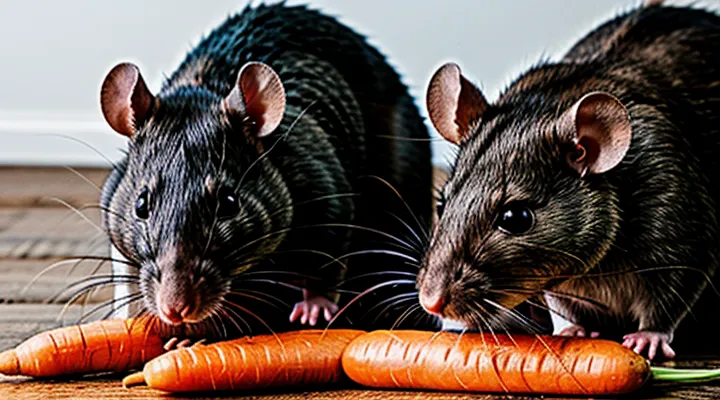
The Nutritional Value of Raw Carrots for Rats
Key Nutrients in Carrots
Vitamins and Minerals
Raw carrots provide a range of micronutrients that support rodent health. The vegetable’s nutrient profile includes several vitamins and minerals that are readily absorbed when offered uncooked.
-
Vitamin A – supplied as β‑carotene, converts to retinol for vision and immune function.
-
Vitamin K1 – essential for blood coagulation and bone metabolism.
-
Vitamin C – antioxidant that aids tissue repair and enhances iron absorption.
-
B‑vitamins (B6, folate) – participate in energy metabolism and red blood cell formation.
-
Potassium – maintains cellular electrolyte balance and nerve transmission.
-
Calcium – contributes to skeletal development and muscle contraction.
-
Magnesium – supports enzymatic reactions and cardiovascular health.
-
Phosphorus – works with calcium to build bone mineral density.
Moderation is required because excessive carrot intake may lead to high sugar load and gastrointestinal upset. Introduce small pieces, monitor body condition, and complement with a balanced laboratory diet to ensure complete nutrient coverage.
Fiber Content
Raw carrots contain a substantial amount of dietary fiber, which influences a pet rodent’s gastrointestinal health. Approximately 2.8 g of fiber are present in a 100‑g serving of uncooked carrot, comprising both soluble and insoluble fractions. Soluble fiber forms a gel‑like substance in the intestine, moderating glucose absorption, while insoluble fiber adds bulk, promoting regular peristalsis.
Key considerations for incorporating raw carrot into a rat’s diet include:
- Fiber quantity: 2.8 g per 100 g provides a moderate source that can complement a balanced feed.
- Digestive impact: Insoluble fiber supports stool formation; excessive amounts may lead to loose feces.
- Nutrient balance: Fiber should represent no more than 5 % of the total daily diet to avoid displacement of essential proteins and fats.
- Gradual introduction: Sudden increases in fiber can cause bloating; incremental additions allow intestinal adaptation.
Monitoring fecal consistency and body weight assists in assessing whether the fiber level aligns with the animal’s metabolic needs. Adjustments to the proportion of raw carrot should be made based on observed digestive responses.
Water Content
Carrots contain a high proportion of water, typically ranging from 88 % to 92 % depending on variety and freshness. This moisture level contributes to the overall hydration that rodents obtain from the vegetable, reducing the need for additional water sources during short feeding periods.
The water present in raw carrots is primarily free water, which is readily absorbed in the gastrointestinal tract of rats. Free water supports enzymatic activity in the digestive system and assists in the transport of soluble nutrients such as sugars and vitamins.
Key points regarding water content in raw carrots for rodent consumption:
- Average moisture: 88 %–92 % of total weight.
- Free water facilitates rapid absorption in the small intestine.
- High water content lowers the risk of dehydration when carrots are offered as a supplemental snack.
- Excessive consumption may lead to soft stool due to the combined effect of fiber and moisture.
Providing raw carrots in moderation supplies both hydration and essential nutrients without replacing the primary water supply that rats require from drinking water.
Benefits of Feeding Raw Carrots to Rats
Dental Health Support
Raw carrots provide a firm, fibrous texture that promotes natural tooth wear in rats. Continuous abrasion helps prevent the over‑growth of incisors, a common dental problem in these rodents.
Key benefits for dental health include:
- Mechanical cleaning of tooth surfaces, reducing plaque accumulation.
- Stimulation of saliva production, which buffers oral acidity.
- Supply of vitamin A and beta‑carotene, supporting gum tissue integrity.
Potential concerns must be addressed to maintain safety:
- Large pieces can cause choking; cut carrots into bite‑size segments no larger than 1 cm.
- High sugar content may contribute to dental decay if fed excessively; limit raw carrot intake to 5–10 % of the daily diet.
- Ensure carrots are fresh and free from pesticides or rot, which can irritate oral mucosa.
For optimal dental support, combine raw carrot pieces with other chewable items such as untreated wood blocks, mineral sticks, and leafy greens. Regular veterinary checks remain essential to monitor incisor alignment and overall oral condition.
«Dental health in rodents benefits from fibrous foods that encourage natural tooth wear and saliva flow».
Antioxidant Properties
Raw carrots supply a range of antioxidant compounds that influence rat physiology. Beta‑carotene, a provitamin A carotenoid, converts to retinol, contributing to cellular protection. Vitamin C participates in free‑radical scavenging, while lutein and zeaxanthin stabilize membrane structures. These nutrients are present in the edible portion without processing, allowing direct absorption when rats ingest the vegetable in its raw state.
Antioxidant activity mitigates oxidative stress, a factor linked to cellular aging and immune dysfunction. In rodents, reduced lipid peroxidation correlates with improved liver enzyme profiles. Elevated plasma levels of vitamin C after carrot consumption correspond with enhanced neutrophil activity, indicating a supportive effect on innate defenses. Beta‑carotene intake associates with increased retinal pigment density, suggesting visual benefits for nocturnal species.
Practical considerations for feeding raw carrot to rats include:
- Beta‑carotene: approximately 8 mg per 100 g fresh carrot
- Vitamin C: roughly 5 mg per 100 g fresh carrot
- Lutein + zeaxanthin: combined total near 0.5 mg per 100 g fresh carrot
- Dietary fiber: about 2.8 g per 100 g, which may affect gastrointestinal transit if over‑provided
Moderate portions integrate antioxidant advantages while avoiding excessive fiber that could lead to loose stools. Regular inclusion in a balanced diet supplies measurable antioxidant intake without introducing toxic substances.
Hydration Benefits
Raw carrots consist of approximately 88 % water, providing a direct source of fluid for small rodents. Incorporating this vegetable into a rat’s diet contributes measurable hydration without relying solely on drinking water.
Hydration advantages include:
- Enhanced kidney filtration due to consistent fluid intake.
- Improved gastrointestinal motility, reducing risk of constipation.
- Maintenance of skin elasticity and fur sheen through adequate moisture.
- Stabilized body temperature regulation during warm conditions.
The high water content of «raw carrot» also delivers electrolytes such as potassium, supporting cellular balance while the fiber component promotes intestinal health. Regular, moderate portions ensure the animal receives these benefits without excessive sugar intake.
Potential Risks and Considerations
Choking Hazards
Proper Preparation
Feeding raw carrots to rats demands careful preparation to prevent contamination and digestive upset.
Proper preparation includes three essential actions:
- Thoroughly rinse the vegetable under running water to eliminate soil and pesticide residues.
- Remove the outer skin when the carrot is thick or waxed; peeling reduces the risk of ingesting residual chemicals.
- Cut into bite‑size pieces, approximately ½ cm³, to match the animal’s chewing capacity and facilitate digestion.
After cutting, rinse the pieces again to wash off any peeled surface debris. Offer the portions immediately; prolonged exposure to air encourages oxidation and bacterial growth.
If storage is necessary, place the prepared pieces in a sealed, airtight container and refrigerate at 4 °C or lower. Use within 24 hours to maintain freshness and nutrient integrity.
Avoid adding seasonings, oils, or sauces. Rats’ digestive systems are adapted to plain, unprocessed vegetables, and additives can cause gastrointestinal irritation.
By adhering to these steps, raw carrots become a safe, nutritious supplement for rats, supporting dental health and providing vitamin A, fiber, and antioxidants without compromising welfare.
Oxalates and Vitamin A Toxicity
Moderation is Key
Feeding raw carrot to a pet rodent provides vitamin A, fiber, and natural sweetness, yet the quantity must be carefully controlled. Excessive intake can overwhelm the digestive system, leading to loose stools or nutrient imbalance.
Key points for balanced inclusion:
- Offer a bite‑sized piece no larger than a thumbnail, equivalent to roughly 5 % of the daily caloric intake.
- Limit carrot servings to two to three times per week; alternate with other vegetables to ensure a varied nutrient profile.
- Observe the animal for changes in stool consistency or appetite after introduction; discontinue if adverse signs appear.
Veterinary guidance frequently notes «moderation prevents gastrointestinal distress while preserving the nutritional benefits of raw carrot». Applying these limits supports health without compromising the enjoyment of a crunchy treat.
How to Safely Offer Raw Carrots to Rats
Washing and Cleaning
Rats may safely consume uncooked carrots only if the vegetables are properly washed and cleaned. Residual soil, pesticides, or microbial contaminants can cause gastrointestinal upset or illness in small mammals. Effective preparation eliminates these risks and preserves the nutritional value of the root.
- Rinse carrots under running water, using a brush to remove surface dirt.
- Soak in a solution of one part white vinegar to three parts water for five minutes to reduce bacterial load.
- Scrub again with the brush while the carrots remain submerged.
- Rinse thoroughly with clean water to remove any vinegar residue.
- Pat dry with a clean cloth or paper towel before cutting into appropriate bite‑size pieces.
Cleaning must precede storage; place washed carrots in a sealed container in the refrigerator and use within three days. Regular inspection for soft spots or discoloration ensures only fresh portions are offered to the pet. Proper hygiene practices support the health of rats that are given raw carrots as part of a balanced diet.
Cutting Techniques
Raw carrots provide rodents with beta‑carotene, fiber, and moisture. Proper preparation reduces choking risk and promotes easy digestion.
Before cutting, rinse carrots under running water to eliminate soil and pesticide residues. Pat dry with a clean cloth; excess moisture can cause soggy pieces that stick together.
Cutting techniques focus on size, shape, and texture:
- Dice: cubes 0.5 cm per side; suitable for mixed‑food bowls, encourages chewing.
- Julienne: strips 0.3 cm wide and 2–3 cm long; mimics natural foraging, supports dental health.
- Sticks: pieces 1 cm thick and 3–4 cm long; ideal for hand‑feeding, allows observation of intake.
Uniform pieces prevent selective eating and ensure consistent nutrient distribution. Sharp, stainless‑steel knives maintain clean cuts, avoiding bruising that could accelerate spoilage.
Store cut pieces in an airtight container in the refrigerator for up to 48 hours. Discard any segment that darkens or emits an off‑odor before offering to the animal.
Frequency and Portion Sizes
Rats may include uncooked carrots in their diet, but frequency and portion size must align with nutritional balance and digestive tolerance. Carrots are high in sugar and fiber; excessive intake can displace essential protein and fat sources, leading to weight gain or gastrointestinal upset. Regular feeding schedules should treat carrots as a supplementary treat rather than a staple.
- Frequency: 2–3 times per week, spaced evenly throughout the week.
- Portion size per serving: ½–¼ of a medium carrot, cut into bite‑size pieces.
- Adjustments: increase portion slightly for larger, active rats; reduce or omit if stool becomes loose or weight rises.
Consistent monitoring of body condition and stool quality ensures that carrot treats remain beneficial without compromising overall health.
Alternative Safe Vegetables for Rats
Leafy Greens
Rats readily accept a variety of leafy greens as part of a balanced diet. These vegetables supply essential vitamins, minerals, and fiber that support dental health and digestive function.
Nutrient profile of common greens:
- Spinach: high in calcium, iron, and vitamin K.
- Kale: rich in vitamin C, beta‑carotene, and antioxidants.
- Romaine lettuce: low in calories, provides water and folate.
- Swiss chard: source of magnesium, potassium, and vitamin A.
Safety considerations:
- Wash thoroughly to remove pesticides and soil residues.
- Offer in small, bite‑size pieces to prevent choking.
- Introduce new greens gradually; monitor for signs of digestive upset.
- Avoid wilted or moldy leaves, which can harbor harmful bacteria.
Feeding frequency:
- Provide fresh greens 2–3 times weekly, constituting no more than 10 % of total daily intake.
- Complement with a high‑quality rodent pellet base and occasional treats such as raw carrot slices.
Overall, leafy greens contribute valuable nutrients without compromising health when presented correctly.
Other Root Vegetables
Rats can include a variety of root vegetables in their diet as alternatives to carrots. Suitable options are sweet potatoes, turnips, parsnips, radishes, and beets. Raw potatoes must be excluded because solanine concentrations render them toxic; only thoroughly cooked potatoes are acceptable.
Sweet potatoes provide beta‑carotene and dietary fiber; turnips supply vitamin C and calcium; parsnips deliver potassium and folate; radishes contribute glucosinolates and low‑calorie bulk; beets offer iron and antioxidants. All listed vegetables are safe when washed, peeled if necessary, and offered in bite‑size pieces to prevent choking.
Feeding guidelines:
- Offer a total of 10–15 % of the rat’s body weight in fresh vegetables per day.
- Limit each individual root to no more than 2 % of body weight to maintain nutritional balance.
- Rotate varieties weekly to ensure a broad spectrum of micronutrients.
- Remove uneaten portions after two hours to avoid spoilage.
Regular inclusion of these root vegetables supports dental health, digestive function, and overall vitality when combined with a balanced commercial pellet base.
Occasional Treats
Raw carrots can serve as an occasional treat for pet rats, providing a source of beta‑carotene, fiber, and modest amounts of natural sugars. The vegetable’s crisp texture also encourages chewing behavior, which supports dental health.
Benefits include enhanced visual health from vitamin A precursors and increased dietary variety, while potential drawbacks involve high sugar content that may disturb gut flora if offered excessively. Rats prone to obesity or diabetes should receive smaller portions.
Guidelines for safe inclusion:
- Offer a bite‑sized piece, roughly 1 – 2 cm in length, no larger than a teaspoon of grated carrot.
- Limit frequency to two to three times per week; treat count should not exceed 5 % of total caloric intake.
- Present the carrot raw, washed thoroughly to remove pesticide residues; avoid cooked or seasoned variants.
- Observe the animal for signs of digestive upset, such as loose stool, and discontinue if symptoms appear.
When integrated responsibly, raw carrot treats contribute to a balanced diet without compromising health.
When to Avoid Feeding Raw Carrots
Allergic Reactions
Rats may develop allergic responses after consuming uncooked carrots. Allergic reactions occur when the immune system mistakenly identifies carrot proteins as harmful, triggering a cascade of physiological events.
Typical signs include:
- Skin redness or swelling around the muzzle and paws
- Itching or excessive grooming
- Respiratory distress such as wheezing or rapid breathing
- Gastrointestinal upset, manifested as vomiting or diarrhea
- Anaphylactic shock in severe cases, characterized by sudden collapse and loss of consciousness
The primary allergenic components in carrots are profilin and lipid transfer proteins. These proteins can remain active after minimal processing, making raw carrot slices a potential source of exposure. Cooking or steaming carrots often denatures the proteins, reducing the likelihood of an immune response.
Preventive measures:
- Introduce carrot pieces gradually, monitoring for any adverse signs.
- Offer cooked carrots rather than raw to minimize protein activity.
- Maintain a varied diet, avoiding reliance on a single vegetable source.
- Consult a veterinarian if any symptoms appear, especially respiratory or systemic reactions.
Recognition of allergic signs and prompt dietary adjustment are essential for safeguarding rat health when raw carrots are considered as a treat.
Underlying Health Conditions
Rats that receive uncooked carrots must be evaluated for specific health issues that influence safety and nutritional benefit. Raw carrots are high in fiber, sugar, and beta‑carotene; these components interact differently with various medical conditions.
• Diabetes or impaired glucose regulation – the natural sugars in carrots can cause rapid blood‑glucose spikes, worsening hyperglycemia. Monitoring glucose levels after introduction is essential.
• Obesity or excessive weight gain – high carbohydrate content adds caloric load. For overweight rats, limiting raw carrot portions prevents further weight increase.
• Gastrointestinal sensitivity – the fibrous texture may exacerbate diarrhea or cause intestinal blockage in animals with prior digestive disorders. Introducing small amounts and observing stool consistency is advisable.
• Dental disease – rats with overgrown incisors or dental malocclusion may struggle to chew raw carrots, leading to oral trauma or incomplete mastication, which reduces nutrient absorption.
• Vitamin A excess – beta‑carotene converts to vitamin A. Rats with liver disease or existing hypervitaminosis A risk toxicity when supplied with large quantities of carrot.
• Renal insufficiency – elevated potassium in carrots can burden compromised kidneys, potentially accelerating renal decline.
• Metabolic syndrome – combined lipid and carbohydrate disturbances make high‑fiber, high‑sugar foods less suitable; careful portion control is required.
Each condition demands a tailored approach: start with minimal, finely grated carrot, monitor clinical signs, and adjust feeding regimen based on veterinary guidance. When underlying health problems are absent, raw carrots can serve as an occasional, nutrient‑rich treat; otherwise, they may pose significant risk.
Very Young or Old Rats
Raw carrots supply beta‑carotene, vitamin A, and soluble fiber, nutrients that can benefit rodents when offered appropriately. The ability of rats at the extremes of age to process this vegetable differs markedly from that of healthy adults.
Very young rats, typically under three weeks of age, possess underdeveloped incisors and a fragile gastrointestinal tract. Their enzymatic capacity for breaking down cellulose is limited, and the presence of coarse fibers may cause intestinal blockage. Introducing raw carrot before complete weaning increases the risk of impaction and malnutrition. The safest practice is to postpone carrot exposure until the pups have fully transitioned to solid food, then offer only minute, softened pieces.
Older rats often experience dental wear, reduced chewing efficiency, and slower gut motility. Coarse raw carrot can be difficult to gnaw and may linger in the digestive tract, leading to constipation or impaction. Providing carrot in a grated or lightly steamed form reduces mechanical strain while preserving most nutrients. Monitoring stool consistency after each serving helps detect early signs of digestive distress.
Guidelines for extreme‑age rats:
- Offer carrot only after weaning for juveniles; start with a pea‑sized, softened fragment.
- For seniors, present grated or lightly steamed carrot, no larger than a half‑inch cube.
- Limit frequency to two to three times per week; treat carrot as a supplement, not a staple.
- Observe for signs of dental discomfort, reduced appetite, or abnormal feces; discontinue if any appear.
Adhering to these practices ensures that raw carrot contributes positively to the diet of rats at both very young and advanced ages without compromising health. «Provide only small, softened pieces».