
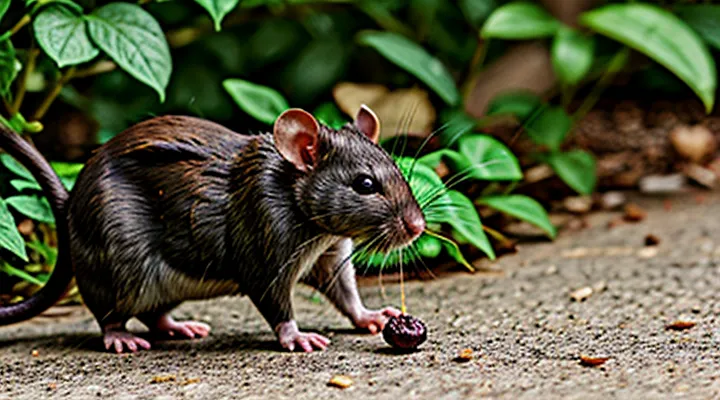
The Potential Dangers of Raisins for Rats
Toxicity Concerns
Raisins contain high levels of natural sugars, which can cause rapid spikes in blood glucose for rodents. Excessive glucose may lead to metabolic disturbances, including insulin resistance and weight gain.
Potential hazards include:
- Mycotoxin contamination – dried grapes often harbor fungi that produce aflatoxins; these toxins are hepatotoxic and nephrotoxic in small mammals.
- Digestive irritation – the dense, fibrous texture can cause gastrointestinal upset or obstruction, especially in young or small‑bodied rats.
- Dental wear – the hard surface may accelerate tooth wear, increasing the risk of malocclusion.
Rats possess a keen sense of taste and may reject overly sweet or sour foods, yet individual preference varies. Introducing raisins without monitoring can mask early signs of toxicity, such as lethargy, reduced food intake, or abnormal stool.
For laboratory or pet care protocols, the safest approach is to exclude raisins from the diet and replace them with nutritionally balanced fruit substitutes that have been tested for rodent safety. If raisins are offered as an occasional treat, limit the portion to less than 1 % of total daily caloric intake and observe the animal for adverse reactions.
High Sugar Content and Health Risks
Raisins contain a high concentration of simple sugars, primarily glucose and fructose, often exceeding 70 % of their dry weight. When a rat ingests even a small portion, blood glucose rises rapidly, placing stress on pancreatic insulin secretion and increasing the likelihood of hypoglycemic episodes once the sugar is metabolized.
The metabolic profile of rodents makes them particularly vulnerable to excessive sugar:
- Acute hyperglycemia can lead to lethargy, disorientation, and loss of coordination.
- Repeated spikes in blood sugar accelerate pancreatic β‑cell fatigue, predisposing the animal to insulin resistance.
- Elevated glucose levels promote the growth of intestinal yeast and bacterial imbalances, resulting in diarrhea or gastrointestinal inflammation.
- High sugar intake contributes to excessive caloric load, fostering rapid weight gain and obesity‑related disorders such as fatty liver disease and cardiovascular strain.
In addition to metabolic concerns, raisins contain sulfites and natural tartaric acid, compounds that can irritate the rat’s digestive lining and trigger allergic reactions. The combination of sugar‑induced osmotic imbalance and these irritants may cause dehydration and electrolyte disturbances, especially in younger or already compromised individuals.
Overall, offering raisins to rats introduces a significant risk of acute and chronic health problems due to their dense sugar content and associated additives. Safe dietary practices for rodents should exclude high‑sugar fruits and focus on balanced, low‑glycemic feed.
Nutritional Value of Raisins (If Any) for Rats
Vitamins and Minerals Present in Raisins
Raisins contain a range of micronutrients that influence overall health. The fruit’s dry nature concentrates vitamins and minerals, providing measurable amounts per 100 g serving.
-
Vitamin C: approximately 4 mg, supporting antioxidant activity.
-
Vitamin K: about 3 µg, involved in blood clotting regulation.
-
Vitamin B6 (pyridoxine): roughly 0.5 mg, essential for amino‑acid metabolism.
-
Thiamine (B1): near 0.03 mg, contributes to energy conversion.
-
Riboflavin (B2): around 0.06 mg, participates in cellular respiration.
-
Niacin (B3): roughly 0.8 mg, aids in DNA repair.
-
Folate (B9): about 5 µg, required for nucleic acid synthesis.
-
Calcium: 50 mg, important for skeletal structure.
-
Iron: 1.9 mg, necessary for oxygen transport.
-
Magnesium: 32 mg, supports enzyme function.
-
Phosphorus: 101 mg, involved in energy transfer.
-
Potassium: 749 mg, regulates fluid balance.
-
Zinc: 0.2 mg, contributes to immune function.
These concentrations reflect typical commercially dried grapes; variations may occur with different cultivars or processing methods. Understanding the exact micronutrient profile assists in evaluating the nutritional suitability of raisins for any animal diet, including that of laboratory rodents.
Considerations for Rat Diet
Raisins are technically edible for rats, but several dietary factors limit their suitability.
Raisins contain high concentrations of simple sugars, which can cause rapid blood‑glucose spikes and contribute to obesity when offered frequently. Their low fiber content provides little digestive benefit, while the concentrated sugar increases the risk of dental decay in rodents that gnaw continuously.
Potential issues include:
- Caloric density: A small handful supplies more calories than an equivalent portion of standard rodent pellets.
- Sugar load: Excessive fructose may lead to hepatic stress and metabolic disorders over time.
- Digestive tolerance: Some rats experience gastrointestinal upset, such as diarrhea, after ingesting dried fruit.
- Additives: Commercial raisins may contain sulfites or preservatives that are irritating to a rat’s respiratory and digestive systems.
Safe feeding practices:
- Offer raisins only as an occasional treat, not a regular dietary component.
- Limit portions to a single raisin or two per week for an adult rat weighing 250–300 g.
- Choose unsulfited, organic varieties to reduce exposure to chemical additives.
- Observe the animal for any adverse reactions after the first exposure; discontinue if symptoms appear.
For a balanced diet, prioritize high‑quality rodent pellets, fresh vegetables, and occasional protein sources. Raisins can be included sparingly, provided the above considerations are observed.
Safe Alternatives to Raisins for Rats
Recommended Fruits and Vegetables
Raisins are high in sugar and can cause digestive upset in rats; therefore, they should not be a regular part of a rodent’s diet. Selecting safe produce ensures nutritional balance and reduces health risks.
Recommended fruits for pet rats include:
- Apple (core removed, no seeds)
- Blueberries
- Strawberries (fresh, no added sugar)
- Banana (small portion, occasional)
- Pear (seedless, skin removed)
Recommended vegetables for pet rats include:
- Carrot (shredded or finely diced)
- Broccoli florets
- Spinach (limited amount, fresh)
- Peas (fresh or frozen, thawed)
- Bell pepper (any color, seedless)
All items must be washed thoroughly, free of pesticides, and offered in moderation to prevent obesity and nutrient imbalances. Introduce new foods gradually and observe for any adverse reactions.
Healthy Treat Options
Raisins are not recommended for laboratory or pet rats. The high concentration of natural sugars can cause digestive upset, and the dried fruit may contain sulfites or pesticide residues that pose additional health risks. Small accidental ingestion is unlikely to be fatal, but regular feeding increases the probability of obesity, dental wear, and gastrointestinal irritation.
When selecting treats, prioritize low‑sugar, nutrient‑dense foods that complement a rat’s standard diet of fortified pellets, fresh vegetables, and occasional protein. Treats should constitute no more than 5 % of total caloric intake and be offered in moderation to prevent weight gain.
- Fresh apple slices (core and seeds removed) – modest sugar, high water content.
- Small pieces of banana – rich in potassium, limited to a few bites per week.
- Cooked plain sweet potato – source of complex carbohydrates and fiber.
- Fresh cucumber or zucchini – low calorie, high moisture.
- Unsalted, unflavored pumpkin seeds – protein and healthy fats, offered sparingly.
- Small bits of plain, cooked chicken or boiled egg – high‑quality protein for occasional enrichment.
Each treat should be introduced gradually, monitored for adverse reactions, and removed if any signs of diarrhea, lethargy, or loss of appetite appear. Proper hygiene, fresh water, and a balanced base diet remain essential for optimal rat health.
Understanding Rat Digestive Systems
How Rats Metabolize Foods
Rats possess a short gastrointestinal tract optimized for rapid digestion and absorption. The stomach secretes pepsin and hydrochloric acid, while the small intestine hosts pancreatic enzymes and brush‑border transporters that convert ingested macronutrients into absorbable units.
Carbohydrate metabolism relies on a defined enzyme set:
- α‑amylase: hydrolyzes starch into maltose and dextrins.
- Sucrase‑isomaltase: splits sucrose and isomaltose into glucose and fructose.
- Lactase: converts lactose to glucose and galactose.
- Aldolase B and fructokinase: process fructose derived from simple sugars or dried fruit.
The liver transforms absorbed monosaccharides through glycolysis, gluconeogenesis, and the pentose‑phosphate pathway. Excess glucose is stored as glycogen; surplus fructose enters the fructolysis pathway, generating triose‑phosphate intermediates that feed into glycolysis or lipid synthesis.
When rats ingest dried grapes, the primary nutrients are concentrated glucose and fructose, with minimal fiber. Their enzymatic machinery can metabolize these sugars efficiently, but high fructose loads may overwhelm hepatic processing, leading to transient hyperglycemia and increased lipogenesis. The lack of significant fiber reduces bulk‑induced satiety, potentially encouraging overconsumption.
Consequently, rats can physiologically handle the sugars present in raisins, yet the rapid influx of fructose poses metabolic stress. Controlled portions prevent adverse effects; unlimited access raises the risk of hepatic lipid accumulation and glucose dysregulation.
Why Some Human Foods Are Harmful
Raisins contain high concentrations of simple sugars, which can cause rapid spikes in blood glucose for rodents. Elevated glucose levels increase the risk of insulin resistance and obesity, conditions that shorten lifespan and impair physiological functions.
In addition to carbohydrates, dried grapes often carry sulfite preservatives. Sulfites interfere with mitochondrial respiration, leading to cellular hypoxia. Rodents lack efficient metabolic pathways to detoxify these compounds, resulting in tissue damage and, in severe cases, fatal respiratory failure.
Pesticide residues frequently remain on dried fruit after harvest. Organophosphate and carbamate agents inhibit acetylcholinesterase, producing neurotoxicity. Even trace amounts can accumulate in the nervous system of small mammals, producing tremors, paralysis, and death.
Potential hazards can be summarized:
- Excessive sugar – rapid glycemic shift, metabolic strain.
- Sulfite additives – mitochondrial inhibition, respiratory distress.
- Pesticide contamination – neurotoxic enzyme blockage, systemic failure.
When evaluating human foods for rodent consumption, the presence of these factors determines safety. Foods lacking such additives and with low glycemic impact are generally tolerable, whereas items like raisins, which combine sugar, preservatives, and possible residues, pose significant health risks.
When to Consult a Veterinarian
Symptoms of Raisin Poisoning
Raisins contain compounds that can trigger toxic reactions in rats. Ingesting even a small quantity may cause rapid deterioration of kidney function and systemic illness.
Typical clinical signs include:
- Lethargy or marked decrease in activity
- Reduced water intake and dry mouth
- Vomiting or retching
- Diarrhea, sometimes with blood
- Abdominal pain evident by hunched posture
- Increased heart rate and shallow breathing
- Pale or yellowish gums indicating anemia or jaundice
- Swelling of the limbs or abdomen due to fluid retention
- Sudden collapse or seizures in severe cases
Prompt veterinary assessment is essential. Early fluid therapy and supportive care can mitigate renal damage and improve survival chances.
Emergency Care for Rats
Raisins are a common snack for humans, but they can cause gastrointestinal blockage or toxicity in rodents. When a rat shows signs of distress after ingesting such fruit, swift emergency care is essential.
- Observe symptoms: vomiting, lethargy, abdominal swelling, loss of appetite, or abnormal stool.
- Isolate the animal in a quiet, warm area to reduce stress.
- Prevent further ingestion by removing all food and water temporarily; re‑introduce water after 30 minutes if the rat remains stable.
- Perform a gentle abdominal palpation to detect palpable masses; avoid excessive pressure.
- Contact a qualified exotic‑animal veterinarian within one hour; provide details of the incident, the amount of fruit consumed, and observed symptoms.
- Follow veterinary instructions precisely, which may include:
- Administration of an anti‑emetic or laxative medication.
- Intravenous fluids to counter dehydration.
- Imaging (X‑ray or ultrasound) to locate obstructions.
- Surgical intervention if a blockage is confirmed.
After professional treatment, monitor the rat continuously for at least 24 hours. Record food intake, behavior, and any recurrence of symptoms. Adjust the diet to exclude high‑sugar dried fruits and replace them with safe, nutritionally balanced options such as fresh vegetables, low‑fat protein sources, and specially formulated rodent pellets. Regular health checks with a veterinarian help prevent future emergencies related to inappropriate foods.