
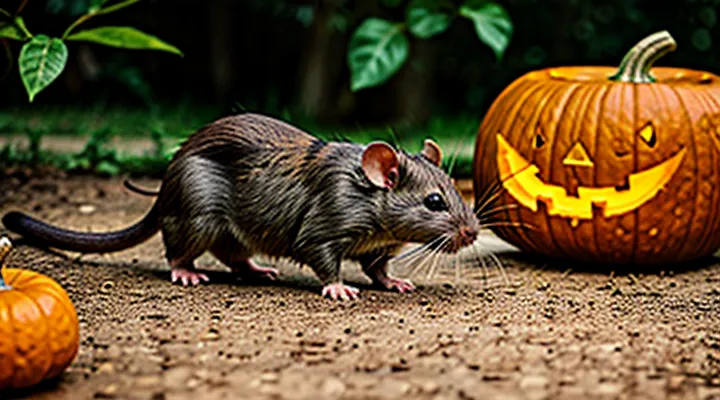
Can Rats Eat Pumpkin? The Short Answer
Rats can safely consume pumpkin when it is fresh, plain, and offered in small portions.
Pumpkin provides several nutrients that support rodent health:
- Beta‑carotene, which the body converts to vitamin A;
- Dietary fiber that aids digestive regularity;
- Low‑calorie carbohydrate source for energy;
- Small amounts of potassium and iron.
Despite these benefits, owners should observe the following precautions:
- Remove seeds, as they can pose choking hazards and contain trace toxins;
- Avoid canned pumpkin with added sugars, salts, or spices;
- Limit serving size to no more than a teaspoon per 100 g of body weight to prevent gastrointestinal upset;
- Monitor for signs of diarrhea or allergic reaction after the first exposure.
When these guidelines are followed, pumpkin serves as a nutritious supplement to a rat’s standard diet.
Nutritional Profile of Pumpkin
Vitamins and Minerals
Pumpkin provides a range of micronutrients that can support the health of pet rats when offered in moderation. The fruit’s nutrient profile includes:
- Vitamin A (β‑carotene): essential for vision, immune function, and epithelial integrity.
- Vitamin C: an antioxidant that aids collagen synthesis and protects against oxidative stress.
- Vitamin K: involved in blood clotting and bone metabolism.
- B‑complex vitamins (B1, B2, B3, B6, folate): facilitate energy metabolism and nervous system maintenance.
- Potassium: regulates fluid balance and nerve transmission.
- Magnesium: contributes to muscle function and enzymatic reactions.
- Iron: required for hemoglobin formation and oxygen transport.
- Phosphorus: supports bone structure and cellular energy storage.
These vitamins and minerals can complement a balanced rodent diet, especially when the primary feed lacks fresh produce. However, several considerations limit the safe inclusion of pumpkin:
- Excess vitamin A may cause toxicity, leading to liver damage or skeletal abnormalities. Limit pumpkin to no more than 5 % of total daily food weight.
- High sugar content, present in the fruit’s flesh, can promote obesity and dental issues if over‑fed.
- Raw pumpkin skins contain cellulose that is difficult for rats to digest; removing the skin reduces the risk of gastrointestinal upset.
- Pesticide residues or mold on improperly stored pumpkin pose health risks; always wash thoroughly and use fresh, organic specimens.
A practical feeding guideline: provide ½ to 1 teaspoon of cooked, skin‑less pumpkin per 100 g of body weight, two to three times per week. Monitor for changes in stool consistency, weight, or behavior, and adjust portions accordingly. If a rat shows signs of diarrhea, lethargy, or loss of appetite after pumpkin consumption, discontinue the food and consult a veterinarian.
Fiber Content
Pumpkin provides a notable amount of dietary fiber, making it a relevant addition to a rat’s diet. Raw pumpkin flesh contains approximately 2.5 g of fiber per 100 g, comprised of both soluble and insoluble fractions. Soluble fiber dissolves in water, forming a gel that can moderate glucose absorption, while insoluble fiber adds bulk to intestinal contents and promotes regular motility.
Benefits of pumpkin fiber for rats
- Enhances stool consistency, reducing the likelihood of constipation.
- Supports a diverse gut microbiota by supplying fermentable substrates.
- Contributes to satiety, helping to prevent overeating of higher‑calorie foods.
- Assists in maintaining stable blood‑sugar levels through slower carbohydrate digestion.
Potential contraindications
- Excessive fiber intake may lead to loose stools or diarrhea, especially if introduced abruptly.
- High bulk without adequate water can increase the risk of gastrointestinal blockage.
- Overreliance on pumpkin for fiber may dilute essential nutrients such as protein, fat, and vitamins if not balanced with other foods.
- Uncooked pumpkin skins contain tougher fibers that are harder for rats to digest and may cause irritation.
Introduce pumpkin gradually, monitor stool quality, and ensure fresh water is always available to mitigate the listed risks while allowing rats to benefit from the fiber content.
Water Content
Pumpkin flesh contains approximately 90 % water, a proportion comparable to many fruits and vegetables. This high moisture level contributes to overall hydration for pet rats, especially when fresh pumpkin replaces drier store‑bought treats.
- Each 100 g of raw pumpkin delivers about 7 g of carbohydrates, 1 g of protein, and negligible fat, while the water component supplies the bulk of the weight.
- The aqueous matrix facilitates the absorption of vitamins A and C, which are soluble in the pumpkin’s natural juices.
- Hydration from pumpkin can aid kidney function by promoting urine dilution, reducing the risk of mineral crystal formation.
Excessive intake may dilute electrolytes if pumpkin replaces the majority of a rat’s water source. Monitor daily fluid consumption to ensure a balanced intake of salts and minerals. Cooked pumpkin loses roughly 5 % of its water content, altering its hydrating effect; raw, finely diced pieces retain the full moisture level.
In summary, the water content of pumpkin provides a safe, natural means of supplemental hydration for rats, supports nutrient transport, and can improve renal health, provided it is offered in moderation alongside regular water and a balanced diet.
Benefits of Feeding Pumpkin to Rats
Digestive Health
Pumpkin provides a source of soluble and insoluble fiber that supports regular bowel movements in rats. The fiber increases bulk, stimulates peristalsis, and helps maintain a balanced gut microbiota. Moisture content in fresh pumpkin also contributes to hydration, which aids the transit of digested material through the intestines.
Key digestive benefits include:
- Enhanced stool consistency, reducing the risk of constipation.
- Prebiotic effect from fermentable fibers, fostering beneficial bacterial growth.
- Mild laxative action that can alleviate occasional sluggishness in the gastrointestinal tract.
Potential drawbacks must be considered. Excessive pumpkin can overload the digestive system, leading to loose stools or diarrhea. Ripe or spoiled pumpkin introduces harmful bacteria that may cause gastrointestinal infection. Whole seeds pose a choking hazard and can cause intestinal blockage if not removed. High natural sugar levels may disrupt glucose regulation in diabetic‑prone rats.
Safe implementation guidelines:
- Offer cooked, pureed pumpkin without added sugar, salt, or spices.
- Limit portions to 1‑2 teaspoons per 100 g of body weight, adjusting based on individual tolerance.
- Remove all seeds and skin before serving.
- Introduce pumpkin gradually, monitoring stool quality for any adverse changes.
When administered correctly, pumpkin serves as an effective dietary adjunct for maintaining optimal digestive health in rats, while careful management prevents the outlined contraindications.
Antioxidant Properties
Pumpkin supplies a spectrum of antioxidants, including beta‑carotene, vitamin C, vitamin E, and phenolic compounds. These agents neutralize free radicals, reducing oxidative damage to cellular membranes and DNA in laboratory rats. Studies show that regular inclusion of pumpkin puree in rodent diets lowers markers of lipid peroxidation and improves the activity of endogenous enzymes such as superoxide dismutase and glutathione peroxidase.
The antioxidant effect supports several physiological functions:
- Enhanced immune response through protection of white‑blood‑cell integrity.
- Stabilization of retinal cells, contributing to better visual acuity.
- Preservation of muscle tissue during periods of metabolic stress or aging.
Potential drawbacks arise when pumpkin is offered in excessive quantities. High natural sugar content may provoke hyperglycemia in diabetic‑prone strains, while elevated levels of oxalates could increase the risk of renal crystal formation. Monitoring portion size—typically no more than 5 % of total diet weight—mitigates these risks.
Overall, the antioxidant profile of pumpkin provides measurable health benefits for rats, provided that intake is balanced and individual metabolic conditions are considered.
Hydration
Pumpkin contains roughly 90 % water, providing a natural source of fluid for rats that consume it. When offered as a supplement to a balanced diet, the moisture helps maintain adequate hydration, especially in environments where water intake may be reduced.
The fluid contribution of pumpkin can be quantified: a 100‑gram serving delivers about 90 ml of water. For an adult laboratory rat weighing 250 g, daily water requirements range from 20 to 30 ml per 100 g of body weight. Incorporating a modest portion of pumpkin (≤20 g) can supply up to 18 ml of the needed fluid, reducing the demand on standing water sources.
Potential issues arise if pumpkin is over‑offered:
- Excessive moisture may dilute electrolytes, leading to hyponatremia.
- High water content combined with fiber can accelerate gastrointestinal transit, increasing the risk of loose stools.
- Moist pumpkin left uneaten can spoil, fostering bacterial growth that threatens health.
To use pumpkin safely for hydration:
- Limit fresh pumpkin to 5–10 % of the daily food intake.
- Provide fresh water at all times; pumpkin should complement, not replace, water.
- Observe stool consistency; adjust portion size if diarrhea appears.
- Store pumpkin in the refrigerator and discard any leftovers after 24 hours.
When these guidelines are followed, pumpkin contributes beneficial fluid without compromising electrolyte balance or digestive health.
How to Safely Feed Pumpkin to Rats
Raw Pumpkin
Preparation
Providing pumpkin to pet rats requires careful preparation to preserve nutritional value and prevent health risks. Raw pumpkin contains fibrous skin and seeds that may cause digestive irritation; cooking softens the flesh and eliminates potential pathogens. Clean, peel, and cook the pumpkin before offering it to rats.
- Wash the pumpkin under running water to remove soil and contaminants.
- Remove the outer rind with a sharp knife; the skin is tough and difficult for rats to chew.
- Cut the flesh into small cubes, approximately 1 cm on each side, to facilitate easy consumption.
- Steam or boil the pieces for 5–7 minutes until tender; avoid adding salt, sugar, or seasoning.
- Cool the cooked pumpkin to room temperature before serving.
Store any unused portions in an airtight container in the refrigerator for up to three days. Discard pumpkin that shows signs of spoilage, such as mold, off‑odor, or slime. Offer only a modest amount—no more than 5 % of the rat’s daily diet—to prevent gastrointestinal upset.
Portion Size
Pumpkin can be a nutritious supplement for pet rats, but the amount offered must be carefully measured to avoid digestive upset and excess calorie intake.
For an average adult rat (approximately 300 g), a safe serving is ½ – 1 teaspoon of raw, cooked, or pureed pumpkin per day. Juvenile rats (under 150 g) should receive no more than ¼ teaspoon daily. Larger rats (over 400 g) may tolerate up to 1½ teaspoons, provided the rest of the diet remains balanced. Adjust portions according to the individual’s activity level and overall diet composition.
Excessive pumpkin can lead to soft stools, bloating, or weight gain, especially when combined with other high‑carbohydrate treats. Monitoring body condition and stool consistency is essential after introducing pumpkin.
Signs that the portion is too large include:
- Loose, watery feces lasting more than 24 hours
- Noticeable abdominal distension
- Rapid weight increase despite unchanged feeding schedule
If any of these symptoms appear, reduce the pumpkin amount by half and observe for improvement before re‑introducing the treat. Consistent, measured portions ensure rats receive the fiber and vitamins of pumpkin without compromising health.
Cooked Pumpkin
Preparation
When offering pumpkin to pet rats, follow a consistent preparation routine to ensure safety and nutritional value.
Select a fresh, organic pumpkin. Avoid varieties treated with pesticides or chemicals. Cut the pumpkin into manageable pieces, discarding the skin if it appears tough or waxy. Rinse the flesh thoroughly under running water to remove residual soil.
Cook the pumpkin to improve digestibility. Boil or steam the flesh for 5–7 minutes until soft but not mushy. Do not add salt, sugar, spices, or oil; these additives can harm rodents.
Cool the cooked pumpkin to room temperature. Serve a small portion—approximately one teaspoon for a 100‑gram rat—once or twice a week. Adjust the amount based on the animal’s size and overall diet.
Store any leftover pumpkin in an airtight container. Refrigerate for up to three days; discard any material that develops odor, mold, or discoloration. For longer storage, freeze portions in single‑serve bags and thaw before use.
Key steps in preparation
- Choose pesticide‑free pumpkin.
- Remove skin and wash flesh.
- Boil or steam for 5–7 minutes.
- Cool without adding seasonings.
- Portion control: ~1 tsp per 100 g rat.
- Refrigerate ≤ 3 days or freeze for later use.
Portion Size
Pumpkin can be included in a rat’s diet, but the amount must be limited to prevent digestive upset and nutrient imbalance.
For an adult rat weighing 300–400 g, a safe serving is ½ to 1 teaspoon of cooked, unsalted pumpkin per day. Juvenile rats (under 150 g) should receive no more than ¼ teaspoon. Offer the portion once daily, preferably mixed with regular food to encourage gradual acceptance.
Benefits of adhering to the recommended portion include:
- Source of beta‑carotene, supporting vision and immune function.
- Soluble fiber that aids regular bowel movements.
- Low calorie content, helping maintain healthy body weight.
Exceeding the advised amount may cause:
- Diarrhea or soft stools due to excess fiber.
- Reduced intake of essential protein and fat from the regular diet.
- Potential weight gain if combined with other high‑calorie treats.
Monitor the rat after each feeding. If stool consistency changes, appetite declines, or activity level drops, reduce or discontinue pumpkin until normalcy returns.
Pumpkin Seeds
Preparation
Proper preparation ensures pumpkin is safe and nutritionally beneficial for pet rodents. Begin by selecting fresh, organic pumpkin free of mold or bruises. Rinse the flesh thoroughly under running water to eliminate surface contaminants.
- Trim away the skin and discard the outer rind, which is difficult for rats to digest.
- Remove all seeds; they contain high fat content and may pose choking hazards.
- Cut the flesh into uniform cubes of approximately one‑centimeter size to facilitate easy chewing and digestion.
Cook the pumpkin cubes by steaming or boiling for 5–7 minutes until soft but not mushy. Avoid adding salt, sugar, or seasoning, as these substances can cause gastrointestinal upset. After cooking, spread the pieces on a clean surface and allow them to cool to room temperature before offering them to the animal.
Store prepared pumpkin in an airtight container within the refrigerator. Use within three days to prevent bacterial growth. For longer preservation, portion the cooked pumpkin into single‑serving bags and freeze; thaw in the refrigerator before serving.
Portion Size
Pumpkin can be a nutritious addition to a rat’s diet, but the amount offered must be carefully measured. Excessive servings introduce high sugar and fiber levels that may cause digestive upset, including diarrhea and bloating. Small, controlled portions provide vitamins A and C, antioxidants, and a modest source of potassium without overwhelming the gastrointestinal system.
Recommended serving sizes for adult laboratory or pet rats are:
- ½ teaspoon of cooked, plain pumpkin per day for a single rat.
- ¼ teaspoon per rat when multiple individuals share a batch.
- No more than 1 teaspoon per week for juveniles or rats under 100 grams.
Adjust portions upward only if the rat tolerates the food without adverse reactions and if the overall diet remains balanced with protein‑rich pellets, fresh vegetables, and limited treats. Monitoring stool consistency and body weight after each feeding ensures the portion remains appropriate. If signs of gastrointestinal distress appear, reduce or discontinue pumpkin immediately.
Pumpkin Leaves and Stems
Pumpkin foliage consists of leaves and stems that are rich in beta‑carotene, vitamin C, potassium, and soluble fiber. The plant material is low in fat and contains moderate protein, making it a potential supplement to a rat’s standard diet.
Potential benefits for rats
- Supports visual health through provitamin A content.
- Contributes to gastrointestinal motility because of fiber.
- Provides antioxidant compounds that may reduce oxidative stress.
Possible contraindications
- Raw stems may contain high levels of oxalic acid, which can interfere with calcium absorption.
- Leaves and stems harvested from fields treated with pesticides pose a toxicity risk.
- Large, tough fragments can cause choking or intestinal blockage.
Feeding recommendations
- Offer only fresh, pesticide‑free foliage.
- Rinse thoroughly, remove any wilted or damaged portions.
- Chop leaves and stems into bite‑size pieces to prevent choking.
- Limit intake to no more than 5 % of total daily food volume, introduced gradually over several days to monitor tolerance.
When introduced responsibly, pumpkin leaves and stems can enhance a rat’s nutrient profile without compromising health.
Potential Risks and Contraindications
Choking Hazard
Pumpkin is a common treat for pet rats, but its texture and size can create a choking risk. Small, hard pieces may become lodged in a rat’s throat, obstructing airflow and causing rapid distress. The risk increases when raw pumpkin is offered, as the flesh is firmer than cooked pumpkin and may contain seeds or fibrous strings that are difficult to swallow.
Key factors that influence choking probability:
- Chunk size – pieces larger than ½ cm can be too big for a rat’s mouth.
- Hardness – raw pumpkin retains a dense structure; cooking softens it and reduces resistance.
- Presence of seeds – seeds are hard, irregular, and may slip into the airway.
- Rat’s chewing ability – younger or dental‑impaired rats chew less efficiently, heightening danger.
Preventive measures:
- Cook pumpkin briefly (steam or microwave) to soften fibers.
- Remove all seeds and stringy pulp before serving.
- Cut the flesh into tiny cubes or mash it into a paste.
- Observe the rat during the first feeding session; intervene if the animal pauses unusually or makes choking sounds.
- Offer only a small amount at a time, allowing the rat to chew thoroughly before providing more.
If choking occurs, the animal will display gurgling noises, rapid breathing, or an inability to swallow. Immediate veterinary assistance is required; do not attempt to force food down the airway. Regular monitoring and proper preparation eliminate most choking incidents while allowing rats to enjoy pumpkin’s nutritional benefits.
Pesticides and Chemicals
Pumpkin can be a nutritious addition to a rat’s diet, but chemical residues on the fruit may compromise safety. Pesticide applications during cultivation often leave trace amounts of organophosphates, carbamates, or pyrethroids on the skin and flesh. These compounds inhibit acetylcholinesterase, leading to neurotoxic effects such as tremors, excessive salivation, and impaired coordination in rodents. Even low-level exposure can accumulate over time, increasing the risk of chronic liver and kidney damage.
To minimize toxic exposure, follow these practices:
- Purchase pumpkins labeled as organic or grown without synthetic pesticides.
- Rinse the exterior thoroughly under running water, using a brush to remove surface particles.
- Peel the skin before offering the flesh, as residues concentrate in the outer layer.
- Store cut pumpkin in airtight containers at 4 °C, discarding any portion that shows discoloration or off‑odors, which may indicate microbial or chemical spoilage.
Analytical testing, such as gas chromatography–mass spectrometry, confirms the presence of pesticide residues below the established safe threshold for laboratory rodents (generally <0.01 mg kg⁻¹). When testing is unavailable, rely on visual inspection and supplier certifications. Avoid feeding rats pumpkin that has been treated with fungicides containing copper sulfate or other heavy metals, as these substances can cause gastrointestinal irritation and anemia.
In summary, pumpkin offers vitamins, fiber, and antioxidants beneficial to rat health, provided that the fruit is free from harmful chemicals. Proper sourcing, cleaning, and storage reduce the likelihood of pesticide‑related adverse effects, allowing safe incorporation of pumpkin into a balanced rodent diet.
Allergic Reactions
Rats may develop allergic reactions to pumpkin, though occurrences are relatively rare. Symptoms typically appear within minutes to a few hours after ingestion and include:
- Itching, redness, or swelling around the muzzle and ears
- Sneezing, nasal discharge, or watery eyes
- Gastrointestinal upset such as vomiting or diarrhea accompanied by hives
- Respiratory distress, characterized by labored breathing or coughing
Allergic responses arise when a rat’s immune system mistakenly identifies proteins in pumpkin as harmful, triggering the release of histamine and other mediators. Sensitization can result from repeated exposure or from cross‑reactivity with other foods containing similar allergens, such as certain fruits or vegetables.
To minimize risk, introduce pumpkin gradually, starting with a very small portion and observing the animal for any adverse signs. If a reaction occurs, discontinue feeding immediately and consult a veterinarian. Antihistamines prescribed for rodents may alleviate mild symptoms, but severe cases—particularly those involving respiratory compromise—require prompt veterinary intervention.
Preventive measures include:
- Selecting fresh, uncontaminated pumpkin free from mold or pesticide residues.
- Avoiding processed pumpkin products that contain added sugars, spices, or preservatives, which can increase allergenic potential.
- Keeping a detailed record of all dietary introductions and any observed reactions for future reference.
Understanding the signs and management of pumpkin‑related allergies enables owners to provide a safe diet while preserving the nutritional benefits pumpkin can offer rats.
Overfeeding
Rats that receive more pumpkin than recommended may experience several health problems. Excessive portions increase caloric intake, promote rapid weight gain, and can overload the digestive system with fiber and sugars.
Potential adverse effects include:
- Diarrhea or soft stools caused by high fiber concentration.
- Elevated blood glucose levels, which may predispose to insulin resistance.
- Imbalance of essential nutrients if pumpkin displaces balanced rodent chow.
- Increased risk of obesity‑related diseases such as fatty liver and joint stress.
To avoid overfeeding, adhere to the following guidelines:
- Offer pumpkin as a treat, not a staple, limiting it to no more than 5 % of the daily diet by weight.
- Provide a measured portion of ½ to 1 gram of cooked, seed‑free pumpkin per 100 g of body weight per serving.
- Serve pumpkin no more than two to three times per week, allowing a minimum of four days between servings.
- Observe the rat’s stool consistency and body condition after each feeding; adjust portion size or frequency if signs of digestive upset or weight gain appear.
Consistent monitoring and strict portion control prevent the negative consequences of excessive pumpkin consumption while preserving its nutritional benefits.
Pumpkin Skin and Guts
Pumpkin skin and guts are edible components that many owners consider adding to a rat’s diet. The skin is a source of fiber, beta‑carotene, and antioxidants, while the guts contain additional vitamins and trace minerals.
Benefits:
- High dietary fiber supports gastrointestinal motility and helps prevent constipation.
- Beta‑carotene converts to vitamin A, essential for vision and immune function.
- Antioxidants reduce oxidative stress, contributing to overall health.
- Low caloric density allows inclusion without excessive weight gain.
Potential issues:
- Skin may contain pesticide residues if the pumpkin is not thoroughly washed; residues can be toxic to rodents.
- The fibrous texture can cause choking or intestinal blockage in small or young rats if not finely shredded.
- Guts may harbor bacterial contamination, especially if the pumpkin was stored improperly; pathogens can lead to diarrhea or systemic infection.
- Excessive consumption of skin and guts can result in an unbalanced nutrient profile, reducing intake of protein‑rich foods needed for growth and reproduction.
Safe practice recommends:
- Selecting organic or pesticide‑free pumpkins.
- Washing the skin thoroughly under running water.
- Removing any moldy or damaged areas.
- Cutting skin and guts into small, bite‑size pieces.
- Introducing the material gradually, monitoring for digestive upset.
When prepared correctly, pumpkin skin and guts can enrich a rat’s diet, providing fiber and micronutrients without compromising health.
Other Pumpkin Products for Rats
Canned Pumpkin
Canned pumpkin is a shelf‑stable product made from pureed pumpkin flesh, water, and often a small amount of salt or preservatives. Its composition includes dietary fiber, beta‑carotene, vitamins A, C, E, and potassium, all of which are digestible by rodents.
Rats metabolize the fiber in pumpkin to support gastrointestinal motility. The beta‑carotene converts to vitamin A, essential for vision and immune function. Potassium contributes to electrolyte balance, while the low fat content makes the food suitable for regular inclusion in a rodent diet.
Potential benefits for rats
- Improved stool consistency and reduced constipation.
- Enhanced immune response due to vitamin A and antioxidant content.
- Support for weight management because of low caloric density.
- Source of natural sweetness that can encourage reluctant eaters to consume a balanced diet.
Possible contraindications
- Added sugars or spices in flavored varieties may cause digestive upset.
- Excessive fiber can lead to bloating or diarrhea.
- High sodium levels in some brands risk hypertension.
- Canned pumpkin alone lacks protein and essential fatty acids required for complete nutrition.
When offering canned pumpkin, limit portions to one teaspoon per 100 g of body weight, no more than twice weekly. Verify that the label lists only pumpkin, water, and minimal additives. Combine with a standard rodent pellet or fresh vegetables to ensure a balanced diet.
Pumpkin Puree
Pumpkin puree is a common supplemental food for laboratory and pet rats. Its smooth texture allows easy ingestion, and the natural sugars and fibers provide an additional energy source without requiring chewing. The product should be unsweetened, free of additives, and served in modest quantities to avoid digestive upset.
Potential advantages
- Source of beta‑carotene, which the animal converts to vitamin A for retinal health.
- Soluble fiber that can help regulate bowel movements and prevent constipation.
- Mild anti‑inflammatory compounds that may soothe mild gastrointestinal irritation.
- Low fat content, suitable for weight‑controlled diets.
Possible risks
- Excessive portions may lead to diarrhea due to high fiber and water content.
- Presence of seeds or skin fragments can cause intestinal blockage if not removed.
- High natural sugar levels might aggravate glucose intolerance in predisposed individuals.
- Contamination with mold or bacterial growth poses infection risk; store refrigerated and use within a few days.
Pumpkin Seeds as a Treat
Pumpkin seeds provide a concentrated source of protein, healthy fats, and minerals such as magnesium, zinc, and iron, making them a nutritionally dense supplement for pet rats. The high‑fat content supports coat shine and energy levels, while the fiber aids digestive motility.
Benefits
- Enhances dental health through natural chewing action.
- Supplies essential omega‑6 fatty acids that contribute to brain development.
- Delivers antioxidants, including vitamin E, which help mitigate oxidative stress.
Potential contraindications
- Excessive fat may trigger weight gain or pancreatitis in rats predisposed to metabolic disorders.
- Raw seeds can contain low levels of anti‑nutritional compounds; thorough rinsing reduces this risk.
- Over‑consumption may cause loose stools due to high fiber and fat content.
Feeding guidelines
- Offer 1–2 cracked seeds per 100 g of body weight, no more than twice weekly.
- Roast seeds at 150 °C for 10 minutes without added oil or salt to improve digestibility.
- Store in an airtight container in a cool, dark place to prevent rancidity.
When introduced gradually and monitored for any adverse reactions, pumpkin seeds serve as an effective, palatable treat that complements a balanced rat diet.
What to Avoid When Feeding Pumpkin
Sugary Pumpkin Products
Sugary pumpkin products include canned pumpkin puree with added sugar, pumpkin-flavored pastries, and pumpkin candy. These items differ from plain pumpkin in that they contain high concentrations of simple carbohydrates, flavor enhancers, and often preservatives.
The added sugars increase caloric density dramatically. Rats metabolize simple sugars quickly, which can cause rapid spikes in blood glucose. Excessive intake overloads the liver’s capacity to process glucose, leading to elevated triglycerides and potential fatty liver development.
Potential benefits are limited. A small, occasional portion can serve as a highly palatable treat, encouraging voluntary feeding in reluctant animals. The product retains some beta‑carotene and vitamin C, which may contribute marginally to antioxidant intake when offered sparingly.
Contraindications:
- Rapid weight gain and obesity
- Dental decay from sticky sugar residues
- Disruption of gut microbiota balance
- Increased risk of insulin resistance and diabetes
- Gastrointestinal upset, including diarrhea and bloating
Guidelines for safe use: offer no more than a teaspoon of sugary pumpkin per week for an adult rat weighing 300 g; monitor body condition and blood glucose regularly; prefer unsweetened pumpkin or low‑sugar alternatives for routine feeding.
Spiced Pumpkin Products
Spiced pumpkin products are a common treat for pet rodents, but their safety depends on composition and preparation. Plain pumpkin provides fiber, vitamin A, and antioxidants that support digestive health and vision. Adding spices introduces additional compounds that can be beneficial or harmful.
Potential benefits
- Cinnamon: low‑dose cinnamon may have mild anti‑inflammatory effects.
- Nutmeg: contains myristicin, which can be toxic at high levels; only trace amounts are acceptable.
- Clove: eugenol offers antiseptic properties, but excessive use may irritate the gastrointestinal tract.
Risks and contraindications
- High sugar or salt content: increases the risk of obesity, kidney strain, and hypertension.
- Artificial sweeteners: xylitol is lethal to many mammals and must be avoided.
- Strong spices (e.g., large quantities of nutmeg, cloves, or ginger): can cause liver stress or neurological symptoms.
- Preservatives and colorants: may trigger allergic reactions or digestive upset.
Guidelines for safe preparation
- Use fresh, unsweetened pumpkin puree as the base.
- Limit added spices to no more than 0.5 % of the total mixture by weight.
- Exclude sugar, salt, and artificial additives.
- Bake or steam the mixture to eliminate potential pathogens; avoid raw preparations.
- Cool completely before offering small portions (no more than a teaspoon for a standard adult rat) and monitor for adverse reactions.
Monitoring
Observe the rat for changes in stool consistency, appetite, and activity level after introducing a spiced pumpkin treat. Discontinue use immediately if diarrhea, lethargy, or signs of discomfort appear.
When formulated according to these parameters, spiced pumpkin products can enrich a rat’s diet without compromising health.
Moldy or Rotten Pumpkin
Moldy or rotten pumpkin poses serious health risks for rats. The growth of fungi on pumpkin introduces mycotoxins that can damage the liver, kidneys, and nervous system. Consumption may trigger vomiting, diarrhea, loss of appetite, and lethargy, potentially leading to fatal outcomes.
Key hazards of spoiled pumpkin for rats
- Mycotoxin exposure (e.g., aflatoxin, ochratoxin)
- Bacterial contamination (Salmonella, E. coli)
- Presence of mold spores that can cause respiratory irritation or allergic reactions
Symptoms indicating toxicity
- Persistent diarrhea or watery stools
- Unexplained weight loss or reduced growth
- Tremors, uncoordinated movement, or seizures
- Pale or yellowish mucous membranes
- Decreased activity and reluctance to eat
If any of these signs appear after a rat has ingested pumpkin, immediate veterinary assessment is required. Preventive measures include inspecting pumpkin pieces for discoloration, soft spots, or fuzzy growth before offering them. Store fresh pumpkin in a sealed container in the refrigerator and discard any portion that shows signs of spoilage within 24 hours.
In practice, only fresh, firm pumpkin should be given to rats. Removing the skin and seeds reduces the chance of contamination, but the primary safeguard remains the exclusion of any moldy or decayed material.
A Balanced Diet for Rats
A rat’s nutritional needs consist of protein, fiber, fats, vitamins, and minerals in proportions that support growth, reproduction, and immune function. Commercial rodent pellets provide a reliable base, delivering consistent protein (15–20 % of calories) and essential amino acids. Supplementary foods should complement, not replace, this foundation.
- Protein sources: cooked chicken, boiled egg, low‑fat cottage cheese; limit to 5–10 % of daily intake.
- Fiber: fresh vegetables such as leafy greens, carrots, and small portions of squash; aim for 10–15 % of diet.
- Fats: unsalted nuts, seeds, or a few drops of linseed oil; keep total fat below 5 % of calories.
- Vitamins and minerals: occasional fruit, fortified rodent blocks, or a balanced vitamin supplement.
Pumpkin can be incorporated as a fiber‑rich, low‑calorie treat. Its soft flesh supplies beta‑carotene, vitamin C, and potassium, while the skin contributes additional insoluble fiber. When offering pumpkin, follow these guidelines:
- Offer only the orange flesh; remove seeds and skin to avoid choking hazards and high fat content.
- Serve in small cubes (no larger than ½ inch) to facilitate chewing.
- Limit to 1–2 % of total daily calories, adjusting for the rat’s size and activity level.
- Introduce gradually, observing for digestive changes such as soft stools or reduced appetite.
Excessive pumpkin may displace essential protein and cause gastrointestinal upset. Rats with a history of diabetes, obesity, or dental problems should receive pumpkin only under veterinary supervision.
A balanced diet for rats therefore combines a stable pellet base with measured portions of fresh produce, protein add‑ons, and occasional low‑calorie treats like pumpkin, ensuring optimal health without nutritional deficiencies.