
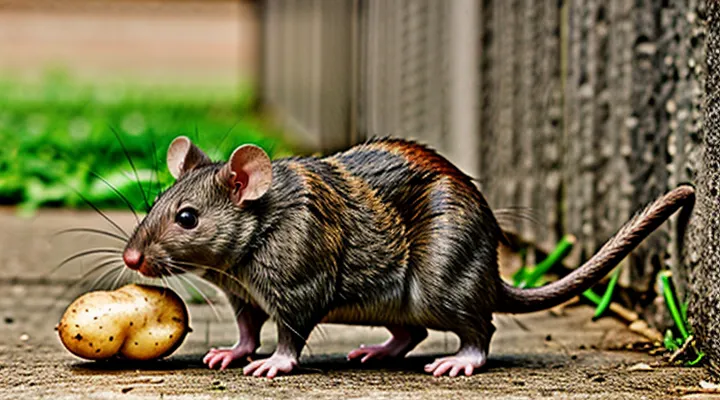
Understanding Rat Diet Needs
Essential Nutritional Requirements
Rats require a diet that supplies protein, fat, carbohydrates, fiber, vitamins, and minerals in specific proportions to support growth, reproduction, and immune function. Protein should constitute 14–20 % of total calories, primarily from animal sources such as soy, whey, or cooked eggs. Essential amino acids—including lysine, methionine, and tryptophan—must be present to sustain tissue repair and hormone synthesis. Fat supplies 4–6 % of calories, providing essential fatty acids (linoleic and α‑linolenic) needed for cell membrane integrity and energy storage.
Carbohydrates serve as the main energy source, but excessive intake can lead to obesity and metabolic disturbances. Fiber, at 3–5 % of the diet, promotes gastrointestinal motility and prevents cecal dysbiosis. Vitamins A, D, E, K, and the B‑complex group are required in microgram amounts; deficiencies manifest as impaired vision, bone development issues, and neurological deficits. Minerals such as calcium, phosphorus, magnesium, potassium, sodium, zinc, copper, and iron must be balanced; an improper calcium‑to‑phosphorus ratio can cause skeletal malformations.
Potatoes provide carbohydrate energy and modest amounts of vitamin C, potassium, and dietary fiber, but they lack sufficient protein, essential fatty acids, and several vitamins and minerals critical for rat health. When incorporated into a rat’s diet, potatoes should meet the following conditions:
- Cooked thoroughly to eliminate raw starches that resist digestion.
- Served in limited portions, not exceeding 10 % of total daily caloric intake.
- Complemented with high‑quality protein sources to meet amino acid requirements.
- Paired with fortified feeds or supplements that supply missing vitamins (A, D, B12) and minerals (calcium, phosphorus, zinc).
In isolation, potatoes cannot satisfy the comprehensive nutritional profile rats need for optimal physiological function. Inclusion as a supplemental carbohydrate is acceptable only when the overall diet remains balanced and meets all essential nutrient thresholds.
Foods to Avoid
Toxic Substances
Rats can ingest potatoes, but the presence of natural toxins limits safe consumption. Raw tubers contain glycoalkaloids—primarily solanine and chaconine—concentrated in the skin, sprouts, and any green discoloration. These compounds disrupt cell membranes and can cause gastrointestinal distress, neurological symptoms, and, at high doses, mortality in rodents.
Key toxic factors:
- Solanine levels above 200 mg kg⁻¹ in the edible portion.
- Sprouted eyes, which concentrate glycoalkaloids.
- Green patches indicating chlorophyll‑linked solanine buildup.
- Residual pesticides from conventional cultivation.
Cooking reduces glycoalkaloid content by up to 50 % but does not eliminate it. Boiling or steaming for at least 15 minutes is recommended; frying or baking does not further diminish toxin levels. Removing the skin and discarding sprouts before cooking lowers exposure significantly.
If potatoes are offered as a supplement, limit portions to less than 5 % of a rat’s daily caloric intake and monitor for signs of toxicity, such as reduced activity, tremors, or vomiting. Regular veterinary assessment is advisable when potatoes constitute a recurring component of the diet.
Unhealthy Options
Potatoes are occasionally included in laboratory rodent diets, but several forms pose health risks. Raw tubers contain solanine, a glycoalkaloid that can cause neurological disturbances, gastrointestinal irritation, and, at high concentrations, mortality. Cooking reduces solanine, yet certain preparations remain problematic.
- Fried or greasy potatoes: high fat content leads to obesity, hepatic steatosis, and lipid metabolism disorders.
- Seasoned varieties with excessive salt or spices: sodium overload strains renal function; spicy additives may irritate the mucosa and provoke stress responses.
- Potato chips and snack products: contain artificial flavorings, preservatives, and trans‑fatty acids, which increase the incidence of cardiovascular lesions and inflammatory markers.
- Sweetened potato desserts: added sugars accelerate dental decay, promote insulin resistance, and interfere with normal growth trajectories.
When potatoes are offered, they should be boiled or steamed without added fat, salt, or seasoning, and served in limited quantities to prevent excess caloric intake. Monitoring for signs of solanine toxicity—tremors, lethargy, or reduced appetite—is essential for maintaining rodent health.
Potatoes and Rat Health
Raw Potatoes: A Risk Factor
Solanine Content
Solanine is a glycoalkaloid produced by plants of the Solanaceae family, notably potatoes. It functions as a natural pesticide and is concentrated in the tuber’s skin, sprouts, and any green tissue.
In a fresh, unblemished potato, solanine typically ranges from 2 mg to 15 mg per 100 g of flesh. Greened or sprouted portions may contain up to 200 mg per 100 g. Human safety limits are set at 20 mg per 100 g, but toxicity thresholds differ across species.
For rats, the reported median lethal dose (LD₅₀) of solanine lies between 200 mg kg⁻¹ and 300 mg kg⁻¹. A standard laboratory rat weighing 250 g would require roughly 50–75 mg of pure solanine to reach a lethal level. Consequently, a typical serving of peeled, non‑green potato (≈30 g) delivers far less than 1 mg of solanine, well under the toxic threshold. However, consumption of green or sprouted sections can raise intake close to hazardous levels.
Guidelines for offering potatoes to rats:
- Use only peeled, white‑fleshed tubers; discard any green skin or sprouts.
- Limit portions to 10–20 g per day for an adult rat weighing 250 g.
- Store potatoes in a cool, dark environment to prevent greening.
- Monitor rats for signs of gastrointestinal upset or neurological disturbance after introduction.
When these precautions are observed, solanine exposure remains minimal, and potatoes can be included safely in a rat’s diet.
Symptoms of Toxicity
Rats that consume raw potatoes may ingest solanine, a glycoalkaloid that can cause toxic reactions. Toxicity manifests quickly and may be fatal if untreated.
Typical signs include:
- Lethargy or reduced activity
- Tremors or muscle spasms
- Loss of coordination and stumbling
- Excessive salivation
- Vomiting or retching
- Diarrhea, sometimes with blood
- Rapid breathing or panting
- Pale or bluish gums indicating poor oxygenation
- Seizures or convulsions
- Sudden death without preceding signs
If any of these symptoms appear after a rat has eaten potato material, immediate veterinary intervention is required. Cooked potatoes, with reduced solanine levels, present a lower risk, but over‑feeding can still cause digestive upset. Monitoring diet and avoiding raw tuber exposure prevent toxicity.
Cooked Potatoes: A Safer Alternative
Preparation Methods
Rats can safely consume potatoes when the tubers are prepared correctly. Raw potatoes contain solanine, a toxic glycoalkaloid, so any portion offered to a rodent must be processed to reduce this compound. Effective preparation methods include:
- Boiling: Cut potatoes into small cubes, discard the skin, and boil in unsalted water for 10–15 minutes until fully tender. Drain and allow to cool before serving.
- Steaming: Place peeled, diced pieces in a steamer basket over simmering water. Steam for 8–12 minutes, ensuring the interior is soft. Cool to room temperature.
- Baking: Preheat an oven to 190 °C (375 °F). Peel and slice potatoes thinly, arrange on a baking sheet, and bake for 20–25 minutes, turning once. Avoid adding butter, oil, or seasoning.
- Mashing: After boiling or steaming, mash the potatoes with a fork or potato masher. Do not incorporate milk, cheese, or salt; plain mash is sufficient.
All prepared potatoes should be offered in moderation, no larger than a few centimeters of the animal’s body length, and removed if uneaten after 30 minutes to prevent spoilage. Consistent preparation and careful portion control eliminate the risk associated with raw tuber consumption while providing a source of carbohydrates and vitamins for laboratory or pet rats.
Moderation and Portion Size
Rats may include potatoes in their diet, but only in limited quantities. Raw potatoes contain solanine, a toxic glycoalkaloid; cooking reduces solanine to safe levels. Even cooked, potatoes lack essential nutrients for rodents and can displace protein‑rich foods.
Recommended portion
- Small adult rat: no more than ½ teaspoon of cooked, unseasoned potato per day.
- Juvenile or pregnant rat: limit to ¼ teaspoon, monitoring for digestive upset.
Frequency
- Offer potatoes no more than twice weekly.
- Alternate with vegetables higher in fiber and vitamins, such as carrots or leafy greens.
Preparation guidelines
- Peel to remove skin where solanine concentrates.
- Boil or steam until soft; avoid frying or adding salt, butter, or spices.
- Cool to room temperature before serving.
Excessive potato intake may cause weight gain, gastrointestinal irritation, or nutrient imbalance. Observe the rat for changes in stool consistency or appetite; discontinue if adverse signs appear.
Nutritional Value for Rats (When Cooked)
Carbohydrates
Carbohydrates are organic compounds composed of carbon, hydrogen, and oxygen, primarily serving as a rapid energy source for mammals. Simple sugars provide immediate glucose, while polysaccharides such as starch release glucose gradually through enzymatic breakdown.
Potatoes contain approximately 17 % carbohydrate by fresh weight, dominated by starch (about 15 % of the edible portion) and minor amounts of sucrose, glucose, and fructose. Cooking gelatinizes starch, increasing its digestibility for omnivorous rodents.
Rats possess pancreatic amylase and intestinal maltase, enabling efficient hydrolysis of starch into maltose and glucose. Their metabolic pathways readily convert these monosaccharides into glycogen for storage or fuel for activity. Excessive carbohydrate intake can elevate blood glucose and promote adiposity, but moderate amounts integrate well with protein and fat requirements.
Considerations for including potatoes in a rat’s diet
- Energy contribution: Provides a substantial, low‑fat caloric source.
- Digestibility: Cooked tuber starch is readily absorbed; raw potato starch remains less accessible.
- Nutrient balance: Complements protein‑rich feed, but must not replace essential amino acids and micronutrients.
- Potential hazards: Raw potatoes contain solanine, a toxic glycoalkaloid; thorough cooking eliminates most of this compound.
- Portion control: Limit to 10 % of total daily intake to avoid carbohydrate overload and weight gain.
When prepared without additives and offered in controlled portions, potatoes can serve as a safe carbohydrate component for rats.
Vitamins and Minerals
Rats can consume potatoes, but the nutritional contribution of the tuber hinges on its vitamin and mineral profile. Potatoes contain several micronutrients that affect rat health:
- Vitamin C: supports immune function and antioxidant defenses; rats synthesize it endogenously, so dietary intake is supplemental.
- Vitamin B6 (pyridoxine): involved in amino‑acid metabolism and neurotransmitter synthesis; deficiency can impair growth.
- Vitamin A (as β‑carotene): essential for vision and epithelial maintenance; potatoes provide modest amounts, insufficient as a primary source.
- Potassium: regulates cellular osmolarity and nerve signaling; potatoes are a rich source.
- Phosphorus: required for bone mineralization and ATP production; present in moderate quantities.
- Magnesium: cofactor for enzymatic reactions including DNA replication; potatoes supply a usable fraction.
- Iron: necessary for hemoglobin synthesis; bioavailability from potatoes is low compared to meat sources.
Rats require balanced micronutrient intake to sustain growth, reproduction, and disease resistance. Potatoes supply some of these elements, yet they lack adequate levels of vitamin A, calcium, and certain trace minerals such as zinc and selenium. Moreover, raw potatoes contain solanine, a glycoalkaloid toxic to rodents at high concentrations; cooking reduces solanine but does not eliminate it.
For a diet that includes potatoes, supplement the feed with:
- Calcium‑rich components (e.g., powdered bone meal) to offset low calcium.
- Vitamin A‑enhancing foods (e.g., carrots or liver) to meet retinal and skin requirements.
- Trace‑mineral additives (zinc, selenium) to achieve optimal enzymatic activity.
Incorporating potatoes as a modest portion of a varied diet can contribute potassium and vitamin C, provided that the overall formulation meets the species‑specific micronutrient recommendations and excludes excessive raw tuber material.
Safe Feeding Practices
Introducing New Foods
Observation for Adverse Reactions
Rats subjected to raw or cooked potato diets exhibit specific physiological responses that can be recorded systematically. Baseline measurements—body weight, heart rate, and gastrointestinal activity—are taken before introduction of the tuber. The test group receives a measured portion of potato (approximately 10 % of daily caloric intake) while a control group continues on standard rodent chow.
Observations focus on immediate and delayed adverse effects:
- Gastrointestinal distress: vomiting, diarrhea, or abdominal swelling within 2–6 hours after feeding.
- Neurological signs: tremors, ataxia, or lethargy appearing within 12 hours.
- Dermatological reactions: erythema or edema at the site of oral exposure, noted during daily visual inspections.
- Metabolic alterations: elevated blood glucose or electrolyte imbalance detected through blood sampling at 24‑hour intervals.
Data collection proceeds for a 7‑day period. Any occurrence of the listed symptoms triggers removal of the affected animal from the test cohort and initiation of veterinary intervention. Post‑mortem examinations are performed on individuals that exhibit severe toxicity, focusing on liver, kidney, and intestinal histopathology.
Statistical analysis compares incident rates between the test and control groups using chi‑square or Fisher’s exact test, depending on sample size. Significant differences indicate that potatoes, particularly when raw, can provoke adverse reactions in rats, whereas cooked specimens show reduced but still measurable effects under identical dosing conditions.
Frequency and Quantity
Rats can digest potatoes, but the vegetable should be offered sparingly. Raw tubers contain solanine, a glycoalkaloid toxic at high concentrations; cooking reduces this risk. Feeding schedules must balance nutritional benefit against potential digestive upset.
- Maximum weekly portion: 10 g of cooked, unseasoned potato per 100 g of body weight.
- Maximum daily portion: 2 g of cooked potato per 100 g of body weight, not exceeding the weekly limit.
- Frequency: No more than three servings per week, spaced evenly to avoid cumulative exposure.
If a rat exhibits signs of gastrointestinal distress—loose stools, reduced activity, or loss of appetite—immediately discontinue potato feedings and monitor health. For breeding colonies, limit exposure to a single small portion per week to prevent accidental overconsumption.
Consulting a Veterinarian
When a pet rat’s diet might include potatoes, a veterinarian is the most reliable source for safety assessment. A professional evaluates nutritional balance, identifies potential toxins, and advises on preparation methods that minimize health risks.
Key reasons to seek veterinary guidance:
- Confirmation that the specific potato variety is non‑toxic for rodents.
- Determination of appropriate portion size relative to the rat’s weight and overall diet.
- Identification of signs that indicate adverse reactions, such as gastrointestinal upset, lethargy, or changes in stool consistency.
- Recommendations for cooking techniques that reduce starch content and eliminate harmful compounds (e.g., thorough boiling without added salt or seasoning).
During the consultation, the veterinarian may request details about the rat’s current feeding regimen, health history, and any observed symptoms. The practitioner can then provide a written plan that integrates potatoes, if appropriate, with other essential nutrients like protein, fiber, and vitamins.
If adverse effects appear after introducing potatoes, immediate veterinary evaluation is necessary. Prompt treatment can prevent dehydration, electrolyte imbalance, or more severe complications.