
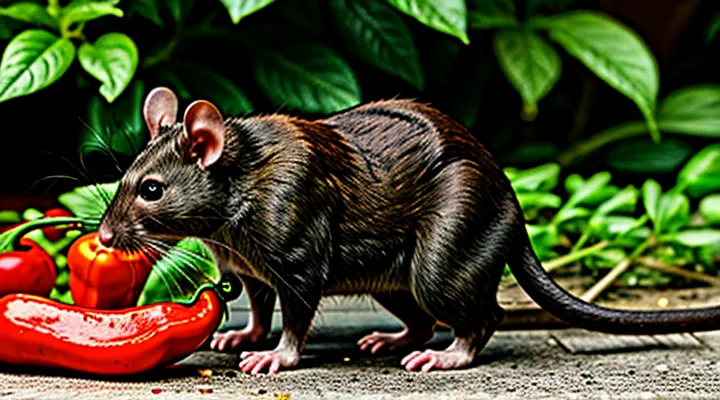
Understanding Rat Dietary Needs
Essential Nutritional Requirements for Rats
Rats require a balanced diet that supplies macronutrients, micronutrients, and water in proportions that support growth, reproduction, and immune function. Protein should constitute 14–20 % of total calories, sourced from soy, casein, or animal meal. Fat supplies 5–10 % of calories, with emphasis on essential fatty acids such as linoleic and α‑linolenic acid. Carbohydrates provide the remaining energy, typically from grains and starches, while fiber (3–5 % of diet) promotes gastrointestinal motility.
Key micronutrients include:
- Calcium (1.0–1.5 % of diet) and phosphorus (0.8–1.2 %) in a ratio near 1.2:1 for skeletal health.
- Vitamin A (≈ 4 IU/g) for vision and epithelial maintenance.
- Vitamin D₃ (≈ 1000 IU/kg) to facilitate calcium absorption.
- Vitamin E (≈ 30 IU/kg) as an antioxidant.
- B‑complex vitamins (thiamine, riboflavin, niacin, pyridoxine, cobalamin) for metabolic pathways.
- Trace minerals: iron, copper, zinc, manganese, selenium at concentrations defined by the National Research Council.
Water must be freely available, clean, and at a temperature that encourages consumption.
When evaluating the suitability of pepper for rats, consider its nutritional contribution and potential adverse effects. Capsicum species contain capsaicin, which can irritate the oral mucosa and gastrointestinal tract, especially in high concentrations. Small amounts of mild pepper may add vitamin C and minor amounts of antioxidants, but they do not fulfill any of the essential nutrient categories listed above. Excessive pepper intake risks reduced feed intake, dehydration, and mucosal inflammation, which can compromise the balance of the required nutrients.
In practice, a rat’s diet should prioritize formulated rodent pellets that meet the outlined nutrient specifications. Treats, including limited pepper, may be offered sporadically, provided they do not replace nutritionally complete feed and are introduced gradually to monitor tolerance.
Foods to Avoid for Rats
Rats have a sensitive digestive system that reacts poorly to many common household foods. Spicy vegetables, including peppers, can cause irritation to the gastrointestinal tract and may lead to loss of appetite, diarrhea, or respiratory distress. Therefore, peppers should not be part of a rat’s regular diet.
The following items are known to pose health risks for pet rats and should be excluded from their feeding regimen:
- Citrus fruits (oranges, lemons, limes) – high acidity damages tooth enamel and stomach lining.
- Chocolate and caffeine – contain theobromine and stimulants toxic to rodents.
- Raw onions, garlic, and chives – cause hemolytic anemia by damaging red blood cells.
- Processed meats and salty snacks – high sodium content strains kidneys and heart.
- Sugary candies and artificial sweeteners – lead to obesity, dental decay, and metabolic disturbances.
- Moldy or spoiled foods – introduce mycotoxins and bacterial infections.
- High‑fat dairy products (cheese, butter) – difficult to digest and increase risk of pancreatitis.
Providing a balanced diet of fresh vegetables, grains, and protein sources while strictly avoiding the listed foods supports optimal health and longevity in rats.
Pepper Varieties and Their Suitability for Rats
Bell Peppers «Capsicum annuum»
Nutritional Profile of Bell Peppers
Bell peppers (Capsicum annuum) are low‑calorie vegetables composed primarily of water (approximately 92 %). A 100‑gram serving provides about 31 kcal, 0.3 g protein, 0.2 g fat, and 6 g carbohydrates, of which dietary fiber accounts for 2.1 g. The carbohydrate fraction includes roughly 2.4 g sugars, mainly glucose and fructose.
Key micronutrients per 100 g include:
- Vitamin C: 80–120 mg (130–200 % of daily value), a potent antioxidant.
- Vitamin A (as β‑carotene): 300–500 µg (30–55 % DV), supporting vision and immune function.
- Vitamin B6: 0.3 mg (15 % DV), involved in amino‑acid metabolism.
- Folate: 30–40 µg (8–10 % DV), essential for DNA synthesis.
- Vitamin E: 0.5 mg (3 % DV), another antioxidant.
- Potassium: 210 mg (6 % DV), contributes to electrolyte balance.
- Magnesium: 12 mg (3 % DV) and iron: 0.3 mg (2 % DV).
Bell peppers also contain phytonutrients such as capsanthin, lutein, and zeaxanthin, which have demonstrated anti‑inflammatory and ocular‑health benefits. Their low fat and sodium content make them suitable for inclusion in a balanced diet for many species, including rodents, provided that the capsaicin level is minimal. Green varieties have slightly lower vitamin C and higher bitter compounds than red, orange, or yellow types.
When assessing the suitability of bell peppers for rats, the nutrient density is favorable, but the presence of capsaicinoids—especially in hot varieties—can cause irritation of the gastrointestinal tract. Selecting sweet, non‑spicy peppers reduces this risk while delivering the described vitamins, minerals, and fiber.
Risks and Benefits of Feeding Bell Peppers to Rats
Bell peppers provide rats with vitamins A and C, dietary fiber, and antioxidants, supporting immune function and eye health while adding variety to a standard rodent diet. Their low caloric density makes them suitable for weight‑controlled feeding regimes.
Benefits
- High vitamin C content enhances collagen synthesis and reduces oxidative stress.
- Vitamin A contributes to retinal health and epithelial maintenance.
- Fiber promotes gastrointestinal motility and microbial diversity.
- Antioxidants such as carotenoids may mitigate cellular damage.
Risks
- Capsaicin present in hot varieties can irritate the gastrointestinal tract, leading to diarrhea or reduced appetite.
- Seeds and membranes contain small amounts of solanine, which may be toxic at high concentrations.
- Residual pesticides or cleaning agents can cause hepatic or renal strain if not thoroughly washed.
- Over‑feeding may result in nutrient imbalance, displacing essential rodent chow components.
Safe practice involves offering only small portions of raw, washed, and seed‑removed sweet bell peppers, limiting frequency to two or three times per week. Monitoring for adverse reactions—vomiting, loose stools, or decreased activity—allows early identification of intolerance. Integrating bell peppers as an occasional supplement, rather than a staple, preserves nutritional balance while leveraging their health‑promoting properties.
Hot Peppers «Chili Peppers»
Capsaicin: The Compound to Watch Out For
Capsaicin, the alkaloid that gives peppers their heat, triggers the transient receptor potential vanilloid 1 (TRPV1) channels in mammals. In rats, activation of these receptors produces a rapid, dose‑dependent aversion response, including increased salivation, licking, and avoidance of the food source. High concentrations cause irritation of the oral mucosa, gastrointestinal distress, and, in extreme cases, respiratory compromise due to bronchoconstriction.
Key physiological effects of capsaicin in rodents:
- Stimulation of TRPV1 leading to pain signaling and acute discomfort.
- Release of substance P and calcitonin‑gene‑related peptide, promoting neurogenic inflammation.
- Elevation of gastric acid secretion, which may result in ulceration if exposure is prolonged.
- Potential hypothermic response as the body attempts to dissipate excess heat generated by metabolic activation.
Experimental data indicate that the median lethal dose (LD₅₀) for capsaicin in rats ranges from 47 mg kg⁻¹ (oral) to 150 mg kg⁻¹ (intraperitoneal). Sub‑lethal doses as low as 5 mg kg⁻¹ produce measurable behavioral aversion and gastrointestinal irritation. Consequently, when assessing whether rats can ingest pepper, the presence and concentration of capsaicin constitute the primary risk factor, outweighing any nutritional benefit the fruit might offer.
Dangers of Feeding Hot Peppers to Rats
Rats have a limited tolerance for the capsaicin found in hot peppers. Capsaicin binds to pain receptors in the oral cavity and gastrointestinal tract, causing intense burning sensations that can lead to reduced food intake and stress. Acute exposure may result in excessive salivation, vomiting, and diarrhea, which quickly deplete fluids and electrolytes.
The primary health risks include:
- Mucosal irritation – inflamed tongue, esophagus, and stomach lining.
- Gastrointestinal distress – rapid transit, cramping, and potential ulceration.
- Respiratory complications – inhaled capsaicin particles may trigger coughing, sneezing, and bronchoconstriction.
- Dehydration – fluid loss from vomiting and diarrhea accelerates electrolyte imbalance.
- Behavioral changes – discomfort can cause aggression or withdrawal, affecting social dynamics in a colony.
Long‑term exposure, even at low levels, can sensitize pain pathways, making rats more susceptible to chronic digestive disorders. Veterinary guidance advises against introducing any hot pepper varieties into a rat’s diet and recommends monitoring for signs of irritation if accidental ingestion occurs.
Feeding Guidelines for Peppers to Rats
Preparing Peppers for Rat Consumption
Rats can tolerate mild pepper varieties when the fruit is processed to remove seeds, stems, and excess capsaicin. Proper preparation reduces the risk of gastrointestinal irritation and ensures the food is nutritionally appropriate.
Preparation steps
- Wash peppers thoroughly under running water to eliminate pesticides and debris.
- Trim off the stem and discard the core, which contains higher concentrations of capsaicin.
- Remove all seeds; they are bitter and may contain residual heat.
- Slice the flesh into bite‑size pieces (approximately 0.5 cm) to match a rat’s chewing ability.
- Optionally blanch the pieces in boiling water for 30 seconds, then cool rapidly; this deactivates residual capsaicin without destroying vitamins.
- Pat dry with a clean cloth or paper towel to prevent excess moisture in the cage.
After preparation, introduce a small amount (no more than one or two pieces) into the rat’s diet and observe for signs of discomfort. Gradual exposure allows assessment of individual tolerance and prevents digestive upset.
Recommended Serving Sizes and Frequency
Rats may tolerate small amounts of pepper, but portions must be limited to prevent gastrointestinal irritation and reduced appetite.
- Fresh bell pepper: ¼ to ½ teaspoon per 100 g of body weight, diced finely.
- Dried or powdered pepper: no more than a pinch (approximately 0.1 g) per serving.
These quantities correspond to roughly 1–2 g of fresh pepper for an average adult laboratory rat (250 g body weight).
Frequency should be low; pepper can be offered no more than two times per week, with at least three days between servings. Continuous exposure increases the risk of mucosal inflammation and may alter the animal’s natural diet preferences.
If any signs of discomfort, reduced intake, or abnormal stool appear, discontinue pepper immediately and monitor the rat’s health.
Observing Your Rat After Feeding Peppers
After offering a pepper to a pet rat, monitor the animal closely for any immediate or delayed reactions. Look for changes in activity level, grooming habits, and social interaction. Note any signs of respiratory irritation, such as rapid breathing or sneezing, which may indicate sensitivity to capsaicin. Observe the stool for unusual consistency, color, or the presence of undigested fragments, suggesting digestive intolerance.
Key observations include:
- Behavioral shifts – reduced exploration, lethargy, or increased aggression.
- Physical symptoms – watery eyes, nasal discharge, excessive salivation, or paw licking.
- Gastrointestinal response – diarrhea, constipation, bloating, or abdominal discomfort.
- Appetite changes – refusal to eat, decreased water intake, or selective feeding.
Document the timing of each symptom relative to the feeding event. If adverse effects appear within a few hours and persist, discontinue pepper and consult a veterinarian. A single small piece of mild pepper may be tolerated, but repeated exposure should be avoided unless the rat shows no negative response over several days. Regular observation ensures the animal’s health remains uncompromised while exploring new dietary options.
Potential Health Implications
Digestive Issues
Rats can ingest pepper, but the spice poses specific challenges for their gastrointestinal system. Capsaicin, the active component in hot peppers, irritates the mucosal lining of the stomach and intestines. In rodents, this irritation may lead to reduced appetite, altered motility, and inflammation of the gut wall.
Potential digestive complications include:
- Gastric ulceration caused by prolonged exposure to capsaicinoids.
- Diarrhea resulting from increased intestinal secretions.
- Reduced nutrient absorption due to mucosal damage.
- Weight loss if intake is frequent or excessive.
Mild, occasional exposure to low‑pungency peppers generally does not produce severe pathology. However, high‑pungency varieties or continuous feeding can exacerbate the above conditions. Veterinary studies recommend limiting pepper to less than 5 % of a rat’s total diet and monitoring for signs such as loose stools, reduced food consumption, or abdominal discomfort.
If digestive distress appears, immediate removal of pepper from the diet and provision of bland, fiber‑rich food can aid recovery. Persistent symptoms warrant veterinary evaluation to rule out ulceration or secondary infection.
Allergic Reactions
Rats may develop hypersensitivity to compounds found in capsicum fruits. Capsaicin, the active component that gives pepper its heat, can act as an allergen for some rodents, triggering immune-mediated responses similar to those observed in other mammals.
Allergic manifestations include:
- Rapid swelling of the facial region, particularly around the snout and eyes.
- Redness and irritation of the skin, sometimes progressing to ulceration.
- Respiratory distress marked by wheezing, increased respiratory rate, or labored breathing.
- Gastrointestinal upset such as vomiting, diarrhea, or abdominal cramping.
- Behavioral signs of discomfort, including excessive grooming, agitation, or reduced activity.
The underlying mechanism typically involves IgE antibodies binding to capsaicin‑specific epitopes, leading to mast cell degranulation and release of histamine, leukotrienes, and prostaglandins. Histamine accumulation accounts for most visible symptoms, while cytokine release sustains inflammation.
Management strategies focus on immediate removal of the offending food, administration of antihistamines (e.g., diphenhydramine) to block histamine receptors, and corticosteroids to reduce systemic inflammation. In severe cases, supportive care such as oxygen therapy or fluid replacement may be required.
Preventive measures consist of excluding pepper and related spices from rodent diets, monitoring feed for cross‑contamination, and conducting gradual exposure trials when introducing novel foods to identify potential sensitivities early.
Long-Term Health Effects
Rats tolerate capsaicin, the active component of pepper, but chronic exposure produces measurable physiological changes. Repeated ingestion of moderate amounts (approximately 0.5 % of diet by weight) leads to:
- Desensitization of TRPV1 receptors, reducing pain perception and altering feeding behavior.
- Elevated gastric acid secretion, increasing the risk of ulceration over months.
- Up‑regulation of hepatic cytochrome P450 enzymes, accelerating metabolism of xenobiotics while imposing oxidative stress on liver tissue.
- Persistent mild inflammation in the respiratory tract when powdered pepper becomes airborne, potentially progressing to chronic bronchitis.
Long‑term dietary inclusion of pepper also affects body composition. Studies on Sprague‑Dawley rats show a gradual decline in adipose tissue percentage, accompanied by a modest rise in lean mass, attributed to increased thermogenesis. However, the same studies report a slight reduction in overall food intake, which can confound interpretations of weight change.
Reproductive parameters are sensitive to continuous capsaicin exposure. Data from multigenerational experiments indicate:
- Decreased sperm motility in male offspring after three generations of pepper‑enriched diets.
- Slightly lower litter size and increased neonatal mortality when females consume pepper throughout gestation.
Immunological assessments reveal a shift toward a Th2‑dominant profile, with elevated IgE levels and reduced bacterial clearance efficiency. This pattern suggests a higher susceptibility to opportunistic infections in environments where pathogens are prevalent.
Overall, the evidence points to a complex trade‑off: chronic pepper consumption stimulates metabolic activity and may aid in weight regulation, yet it imposes gastrointestinal, hepatic, reproductive, and immune challenges that accumulate over time. Careful dosing and monitoring are required to avoid adverse long‑term outcomes.