
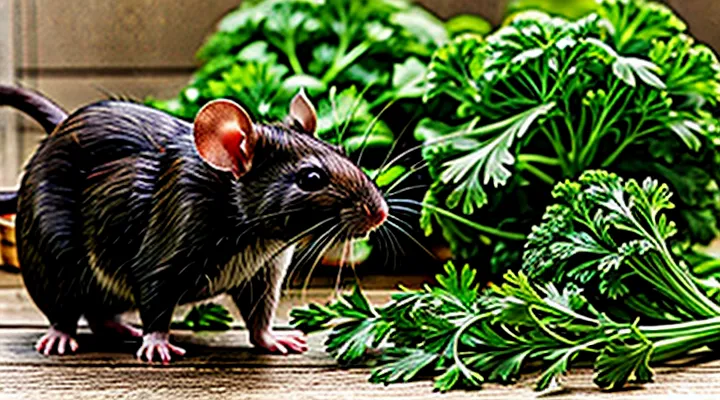
Nutritional Value of Parsley for Rats
Vitamins and Minerals in Parsley
Parsley (Petroselinum crispum) contains a dense profile of micronutrients that can contribute to a rodent’s dietary needs. Per 100 g of fresh leaves, the herb provides approximately 1,640 µg vitamin K1, 133 mg vitamin C, 2,090 IU vitamin A (as β‑carotene), and 0.1 mg thiamine (vitamin B1). Folate reaches 152 µg, while pyridoxine (vitamin B6) is present at 0.08 mg. These vitamins support blood coagulation, antioxidant defenses, and metabolic processes that are relevant to the health of laboratory and pet rats.
Mineral content is similarly notable. Fresh parsley supplies about 180 mg calcium, 55 mg magnesium, 554 mg potassium, 1.5 mg iron, and 0.05 mg zinc per 100 g. Sodium is low, at roughly 56 mg, reducing the risk of electrolyte imbalance when parsley is offered in moderation. The combination of calcium and magnesium aids skeletal development, while potassium contributes to nerve function and fluid balance.
A concise overview of key nutrients:
- Vitamin K1: ~1,640 µg
- Vitamin C: ~133 mg
- Vitamin A (β‑carotene): ~2,090 IU
- Folate: ~152 µg
- Calcium: ~180 mg
- Magnesium: ~55 mg
- Potassium: ~554 mg
- Iron: ~1.5 mg
These concentrations exceed the typical daily requirements of a standard laboratory rat for several vitamins and minerals, indicating that parsley can serve as an occasional supplement. However, the herb lacks sufficient protein, essential fatty acids, and certain trace elements such as selenium, which must be provided by a balanced base diet. Excessive intake could lead to hypervitaminosis K or digestive upset due to the high fiber content. Therefore, parsley should be offered in limited, measured portions as part of a diversified feeding regimen.
Potential Health Benefits
Parsley (Petroselinum crispum) supplies rats with several nutrients that can positively influence their physiology. The herb delivers high concentrations of vitamin C, vitamin K, and folate, each essential for blood clotting, tissue repair, and metabolic processes. Beta‑carotene and lutein, present in the foliage, function as antioxidants, reducing oxidative stress and supporting cellular integrity.
Key health effects observed in rodent studies include:
- Enhanced immune response: flavonoids such as apigenin stimulate white‑blood‑cell activity, improving resistance to pathogens.
- Improved gastrointestinal function: fiber content promotes peristalsis, aiding regular bowel movements and preventing constipation.
- Bone health support: vitamin K and calcium facilitate osteocalcin activation, contributing to stronger skeletal development.
Potential drawbacks must be considered. Parsley contains oxalic acid, which, in excess, can bind calcium and increase the risk of kidney stone formation. Additionally, the volatile oil eugenol may irritate the mucous membranes if large quantities are consumed. Moderation—offering fresh, washed leaves as a small portion of the daily diet—balances nutrient intake while minimizing adverse effects.
Overall, incorporating limited amounts of parsley into a rat’s diet can supply valuable vitamins, antioxidants, and fiber, supporting immune competence, digestive regularity, and skeletal health, provided that consumption remains within safe limits.
Nutritional Comparison with Other Vegetables
Parsley offers a high concentration of vitamins A, C, and K, comparable to leafy greens such as kale and spinach. Its calcium and iron levels exceed those found in carrots and bell peppers, while fiber content remains moderate, similar to broccoli. The herb also supplies flavonoids and antioxidants that support immune function.
When evaluating suitability for rodent diets, consider the following nutrient profile relative to common vegetables:
- Kale: Vitamin K > parsley; calcium ≈ parsley; vitamin C slightly lower.
- Spinach: Vitamin A ≈ parsley; iron > parsley; oxalate content higher, which may limit intake.
- Carrot: Beta‑carotene > parsley; sugar > parsley; calcium < parsley.
- Broccoli: Fiber ≈ parsley; vitamin C ≈ parsley; calcium < parsley.
- Bell Pepper: Vitamin C > parsley; vitamin A < parsley; negligible calcium.
Parsley’s low caloric density makes it a safe supplement when offered in small quantities. Excessive consumption can introduce high levels of essential oils that may irritate the gastrointestinal tract, so portion control is essential. Integrating parsley with a balanced mix of other vegetables ensures rats receive a diverse array of micronutrients without overloading any single component.
Risks and Considerations
Oxalates and Their Impact
Oxalates are organic acids found in many leafy greens, including parsley. In rodents, dietary oxalates can bind calcium, forming insoluble calcium oxalate crystals that may accumulate in the urinary tract. High intake may lead to kidney stone formation, reduced calcium absorption, and potential irritation of the gastrointestinal mucosa.
Rats metabolize oxalates through the gut microbiota, but the capacity varies among individuals. When parsley is offered as a treat, the oxalate concentration typically ranges from 150 to 250 mg per 100 g of fresh foliage. A modest portion—no more than 5 g per 100 g body weight—generally stays within the tolerable limit for healthy adult rats.
Key considerations for feeding parsley to rats:
- Oxalate content: Evaluate the amount per serving; excessive portions increase risk of crystal deposition.
- Calcium balance: Ensure dietary calcium is sufficient to counteract oxalate binding; a calcium‑rich diet reduces crystal formation.
- Health status: Rats with a history of renal issues or urinary tract disorders are more susceptible to oxalate‑related complications.
- Frequency: Limit parsley to occasional supplementation rather than a staple component of the diet.
Monitoring urine for signs of crystalluria and observing appetite and stool consistency can help detect adverse reactions early. When parsley is incorporated responsibly, the oxalate burden remains manageable, allowing rats to benefit from the herb’s flavor and nutrients without significant health threats.
Potential Toxicity
Parsley (Petroselinum crispum) contains several phytochemicals that can be harmful to rodents when consumed in excess. The primary concerns are:
- Apiol and myristicin – phenolic compounds that can irritate the gastrointestinal tract and, at high doses, affect the central nervous system.
- Furanocoumarins – photosensitizing agents that may cause skin lesions and liver stress if accumulated.
- Essential oil constituents – such as limonene and eugenol, which can induce hepatic enzyme disruption when ingested in large quantities.
Observed adverse effects in rats include:
- Reduced appetite and weight loss.
- Diarrhea or vomiting.
- Elevated liver enzyme levels indicating hepatic strain.
- Neurological signs such as tremors or lethargy in severe cases.
Toxicity thresholds vary with age, health status, and overall diet. Young or compromised rats are more susceptible to lower doses. Controlled studies suggest that occasional small portions (less than 1 % of daily food intake) rarely produce measurable harm, whereas regular consumption exceeding this proportion raises the risk of the listed symptoms.
Owners who wish to offer parsley should monitor quantity, introduce it gradually, and observe any behavioral or physiological changes. If signs of distress appear, discontinue the herb and consult a veterinarian.
Recommended Serving Size and Frequency
Fresh vs. Dried Parsley
Fresh parsley contains high water content, approximately 85 % moisture, which supplies additional hydration for rats when mixed into their diet. The leaves are rich in vitamins A, C, and K, as well as flavonoids that support immune function. Because the plant material is soft, rats can chew it easily, reducing the risk of dental strain.
Dried parsley has moisture reduced to below 10 %, concentrating fiber and essential oils. The lower water level makes it more stable for long‑term storage, but the drying process can degrade heat‑sensitive vitamins, especially vitamin C. The increased concentration of volatile oils may irritate a rat’s gastrointestinal tract if offered in large quantities.
When deciding which form to provide, consider the following points:
- Nutrient retention: Fresh parsley delivers more intact vitamins; dried parsley supplies less but retains minerals and fiber.
- Digestibility: Fresh leaves are softer and easier for small rodents to process; dried leaves are tougher and may require soaking before feeding.
- Safety: Both forms are non‑toxic in moderate amounts. Excessive dried parsley can lead to hyper‑oxalate intake, potentially contributing to kidney stone formation.
- Convenience: Dried parsley offers shelf stability and precise portioning; fresh parsley requires refrigeration and quick consumption to avoid spoilage.
A balanced approach uses fresh parsley as a occasional supplement for hydration and vitamin boost, while dried parsley can be incorporated in small, measured quantities to add flavor and fiber without increasing moisture load. Monitoring the rats’ health and adjusting portions based on weight and stool consistency ensures the herb remains a safe component of their diet.
Types of Parsley to Avoid
Parsley is often offered to pet rodents for its vitamin content, but not all varieties are suitable. Certain types contain substances that can harm a rat’s digestive system or interfere with nutrient absorption.
- Curly leaf parsley (Petroselinum crispum) – higher concentrations of oxalic acid, which may contribute to kidney stone formation when fed repeatedly.
- Giant parsley (Petroselinum hortense) – larger stems contain tougher fibers that are difficult for a rat’s molars to break down, increasing the risk of gastrointestinal blockage.
- Wild or foraged parsley – may be contaminated with pesticides, heavy metals, or other toxic plants that resemble parsley, posing poisoning hazards.
- Sprouted parsley seeds – contain elevated levels of cyanogenic glycosides during early growth stages, which can release cyanide compounds if ingested in large amounts.
Avoid these varieties in a rat’s diet, and limit any parsley serving to a few small leaves of a fresh, clean, flat‑leaf (Italian) cultivar. Regularly wash the herb to remove residual soil or chemicals before offering it as a treat.
How to Introduce Parsley to Your Rat
Gradual Introduction Methods
Introducing parsley into a rat’s diet should be done slowly to avoid digestive upset and to assess acceptance. Begin with a tiny portion—approximately ¼ teaspoon of finely chopped leaves—mixed into the regular feed. Observe the animal for 24–48 hours; any signs of diarrhea, reduced appetite, or abnormal behavior indicate that the amount is excessive or the rat is intolerant.
If the initial trial is successful, increase the quantity incrementally:
- Second exposure: add ½ teaspoon of chopped parsley to the daily ration for three consecutive days.
- Third exposure: raise the portion to 1 teaspoon, maintaining the schedule for another three days.
- Final exposure: incorporate up to 2 teaspoons, monitoring health parameters throughout.
Key considerations during the process:
- Offer fresh parsley each time; wilted or contaminated leaves can introduce pathogens.
- Keep the overall fiber content balanced; excessive parsley may displace other essential nutrients.
- Record each feeding session, noting intake volume and any physiological changes.
When a rat consistently consumes the maximum tolerated amount without adverse effects, parsley can be considered a safe supplemental herb. Adjust the regimen if the animal’s weight, activity level, or health status changes.
Observing for Adverse Reactions
When introducing parsley into a rat’s diet, systematic observation for negative effects is essential. Begin with a single leaf or a small sprig and record the animal’s behavior for at least 24 hours. Note any deviations from normal activity, such as reduced movement, vocalizations, or signs of discomfort.
Key indicators of an adverse reaction include:
- Diarrhea or abnormal stool consistency
- Excessive salivation or drooling
- Respiratory distress, including rapid or labored breathing
- Swelling of the mouth, eyes, or paws
- Lethargy or collapse
If any of these symptoms appear, discontinue parsley immediately and consult a veterinarian. Re‑introduce the herb only after a thorough health assessment confirms tolerance. Continuous documentation of each trial supports safe dietary experimentation and informs future feeding decisions.
Safe Preparation Techniques
Rats may enjoy parsley as an occasional treat, but the herb must be handled correctly to avoid health risks.
Safety begins with source selection. Choose organic or pesticide‑free parsley, and inspect leaves for signs of mold or decay.
Preparation steps:
- Rinse thoroughly under running water; use a clean brush to dislodge soil.
- Submerge in a bowl of cold water for two minutes, then rinse again.
- Pat dry with a paper towel or a clean cloth.
- Remove stems that are thick or woody; retain only tender leaves.
- Chop into small, bite‑size pieces appropriate for the animal’s size.
After cutting, store the herb in a sealed container in the refrigerator, use within 24 hours, and discard any leftovers that develop discoloration or odor.
Introduce parsley gradually, observing the rat for signs of digestive upset or allergic reaction. Adjust portion size to no more than a few leaf fragments per day.
Alternative Safe Vegetables and Herbs
Recommended Safe Options
Rats can safely eat parsley in moderation, but it should not be a staple. When planning a balanced diet, include foods that provide essential nutrients without posing health risks.
Recommended safe options:
- Leafy greens: Romaine lettuce, kale, spinach, and Swiss chard. Offer small portions to avoid excess calcium.
- Root vegetables: Carrots, sweet potatoes, and beets. Serve cooked or raw, peeled and diced.
- Fruits: Apples (core removed), blueberries, strawberries, and bananas. Limit sugary varieties to prevent obesity.
- Whole grains: Oats, brown rice, and whole‑wheat pasta. Provide cooked, unseasoned portions.
- Protein sources: Cooked chicken, boiled eggs, and low‑fat cottage cheese. Ensure no added salt or spices.
- Commercial rodent pellets: Formulated to meet nutritional standards; use as the primary diet base.
Supplement the main diet with occasional treats such as unsalted nuts or plain popcorn, keeping portions small to avoid digestive upset. Always provide fresh water and monitor for any signs of intolerance.
Vegetables to Avoid
Parsley is generally safe for rats, but several common vegetables pose health risks and should be excluded from their diet.
- Onions and garlic – contain thiosulfates that can cause hemolytic anemia in rodents.
- Potatoes (raw or green) – high solanine levels damage red blood cells and may lead to gastrointestinal distress.
- Rhubarb leaves – oxalic acid can precipitate calcium, resulting in kidney failure.
- Tomato leaves and stems – contain tomatine, a toxic glycoalkaloid harmful to rats.
- Eggplant (solanum) leaves and stems – also contain solanine, which is poisonous when ingested.
- Mushrooms (wild varieties) – many species produce toxins that affect the liver and nervous system.
Avoid feeding rats any part of these vegetables. If accidental ingestion occurs, monitor for symptoms such as lethargy, vomiting, or pale gums and seek veterinary care promptly.
Balancing a Rat«s Diet
Parsley can be included in a rodent’s menu, but it must fit within a balanced nutritional plan. Fresh parsley supplies vitamin C, vitamin K, and dietary fiber, yet it lacks protein and essential fats that a rat requires for growth and maintenance.
Key components of a complete rat diet:
- Commercial pellet or block formulated for rodents (provides protein ≈ 14‑20 %, fat ≈ 5‑8 %, calcium‑phosphorus ratio ≈ 1 : 1).
- Fresh vegetables (leafy greens, carrots, bell peppers); parsley may be offered in small portions, no more than 10 % of total fresh produce weight per day.
- Occasional fruit (low‑sugar varieties) for enrichment; limit to 5 % of fresh food intake.
- Clean water available at all times.
Guidelines for incorporating parsley:
- Wash thoroughly to remove pesticides or soil residues.
- Chop finely to prevent choking and facilitate digestion.
- Introduce gradually; monitor for changes in stool consistency or appetite.
- Do not feed wilted or moldy leaves; discard any portion that smells off.
Excessive parsley can displace higher‑protein foods, leading to deficiencies in amino acids, essential fatty acids, and minerals such as calcium. Regular veterinary check‑ups and body condition scoring help ensure the diet remains balanced while allowing occasional herbaceous treats.