
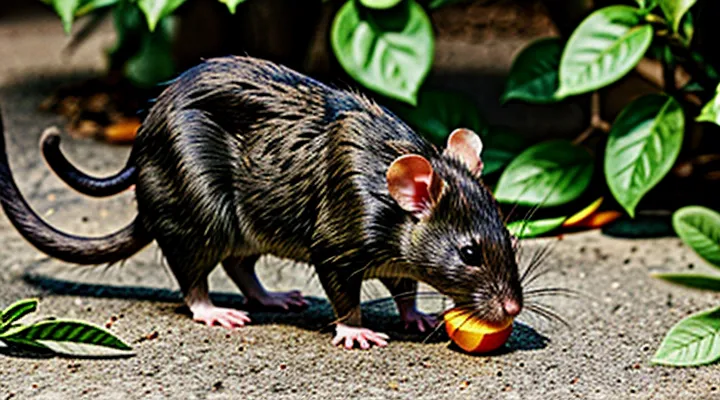
Understanding Nectarines
Nutritional Profile of Nectarines
Vitamins and Minerals
Nectarines provide a range of micronutrients that can influence rodent health. The fruit contains vitamin A (as β‑carotene), vitamin C, several B‑vitamins, potassium, magnesium, and small amounts of calcium and iron. These nutrients support vision, immune function, energy metabolism, and electrolyte balance.
Rats possess dietary requirements for the same vitamins and minerals, but their optimal intake levels differ from those of humans. Excessive vitamin C is not a concern because rats synthesize it endogenously; however, high external sources can cause gastrointestinal irritation. Vitamin A is essential, yet overconsumption may lead to hypervitaminosis, manifesting as liver dysfunction. Potassium and magnesium are vital for neuromuscular activity, but rapid intake from fruit can provoke osmotic diarrhea.
When offering nectarines to rats, consider the following guidelines:
- Serve only the flesh; remove skin and pit, as the pit contains cyanogenic compounds.
- Limit portions to no more than 5 % of total daily caloric intake to avoid sugar overload.
- Observe for signs of digestive upset, such as loose stools or reduced food consumption.
- Ensure a balanced diet that supplies required nutrients from standard rodent chow, using fruit as an occasional supplement.
In summary, nectarines can be incorporated safely into a rat’s diet if offered in modest quantities, with attention to potential vitamin excess and the elimination of toxic seed material.
Sugars and Fiber
Nectarines contain a high proportion of simple carbohydrates, primarily fructose and glucose, with total sugar content ranging from 8 % to 10 % by weight. The fruit also provides dietary fiber, approximately 1.5 % to 2 % of its mass, composed of both soluble pectin and insoluble cellulose.
Rats metabolize simple sugars efficiently; glucose enters glycolysis directly, while fructose is converted in the liver. Moderate intake supplies quick energy without disrupting glycemic balance. Excessive consumption can elevate blood glucose levels, potentially leading to weight gain and insulin resistance.
Fiber contributes to gastrointestinal health. Soluble fiber forms a viscous gel, slowing nutrient absorption and supporting microbial fermentation. Insoluble fiber adds bulk, promoting regular peristalsis. Over‑feeding fiber may cause loose stools or abdominal discomfort.
Practical recommendations:
- Offer bite‑sized pieces, removing the pit entirely.
- Limit fruit to no more than 5 % of daily caloric intake.
- Observe individual response; discontinue if diarrhea or reduced activity occurs.
- Provide fresh water to aid digestion.
«Rats readily consume fruit when offered» supports the conclusion that nectarines can be included safely in a balanced diet, provided sugar and fiber intake remain controlled.
Potential Risks of Nectarines for Rats
Cyanide in Pits
Nectarine seeds contain amygdalin, a glycoside that releases hydrogen cyanide when metabolized. The concentration of cyanide varies with seed size, maturity, and storage conditions, typically reaching levels capable of causing acute toxicity in small mammals. Exposure to even a few seeds can produce symptoms such as respiratory distress, convulsions, and rapid onset of death.
Rats that ingest whole nectarines are likely to swallow seeds unintentionally. The following points summarize the risk:
- A single seed may contain enough cyanide to exceed the lethal dose for a rodent weighing 200 g.
- Digestive enzymes in the rat’s gut hydrolyze amygdalin, liberating cyanide rapidly.
- Clinical signs appear within minutes, limiting the window for intervention.
- Preventive measures, such as seed removal or offering seedless fruit, eliminate the hazard entirely.
Consequently, providing nectarines to rats without removing the pits poses a serious health threat due to cyanogenic poisoning.
High Sugar Content
Nectarines contain a sugar concentration that can reach 10–12 % of their fresh weight. This level exceeds the typical carbohydrate intake of wild rats, which usually obtain sugars from grains and occasional fruit scraps.
Rats metabolize glucose efficiently, yet excessive simple sugars overload hepatic glycogen storage and stimulate rapid insulin release. Persistent high‑sugar consumption leads to hyperglycemia, increased fat deposition, and a heightened risk of diabetes‑like conditions in laboratory rodents.
Potential health impacts of feeding nectarines to rats include:
- Elevated blood glucose levels within hours of ingestion.
- Rapid weight gain due to caloric surplus.
- Disruption of gut microbiota balance, favoring fermentative bacteria.
- Increased incidence of dental decay from prolonged exposure to sugary pulp.
In summary, the high sugar content of nectarines poses metabolic challenges for rats, making regular consumption inadvisable for their health.
Acidity Concerns
Nectarines possess a natural acidity that can challenge the gastrointestinal system of laboratory and pet rats. The fruit’s flesh typically registers a pH between 3.5 and 4.0, reflecting concentrations of citric and malic acids comparable to those found in many stone fruits.
Elevated acidity may provoke gastric irritation, increase the likelihood of ulcer formation, and disrupt the balance of intestinal microbiota. Rats, whose stomach lining is adapted to relatively neutral diets, exhibit heightened sensitivity to rapid pH fluctuations.
- Potential for esophageal erosion
- Risk of gastritis or ulceration
- Possible reduction in nutrient absorption due to mucosal inflammation
To mitigate these hazards, limit nectarines to occasional, small portions; observe for signs of distress such as reduced feed intake, lethargy, or abnormal stool consistency; and consider substituting with fruits of lower acid content, for example, bananas or peeled apples. Regular veterinary assessment remains advisable when introducing any new fruit to a rodent’s diet.
Safe Feeding Practices for Rats
Introducing New Foods
Small Portions
Rats are capable of consuming nectarines when the fruit is offered in very limited quantities. The flesh of the fruit contains natural sugars, water, and modest amounts of vitamins A and C, which can provide a brief source of energy for a rodent.
Potential concerns include the high sugar concentration, which may disrupt normal gut flora if the fruit is over‑fed, and the presence of pits that pose a choking hazard and contain cyanogenic compounds.
Guidelines for offering nectarines to rats:
- Serve only a small slice, roughly the size of a pea, once or twice a week.
- Remove the skin if it appears waxy or has been treated with pesticides.
- Discard the pit entirely; never allow a rat to chew on it.
- Observe the animal for signs of digestive upset after the first exposure.
Adhering to these limits ensures that the fruit contributes occasional variety without compromising health.
Monitoring for Adverse Reactions
When introducing nectarines into a rat’s diet, systematic observation of health indicators is required to detect any negative response.
Key signs that may indicate an adverse reaction include:
- Reduced activity or lethargy
- Abnormal grooming or self‑injury
- Diarrhea, vomiting, or changes in stool consistency
- Sudden weight loss or failure to gain weight
Effective monitoring combines scheduled visual checks with quantitative assessments. Recommended practices are:
- Conduct brief examinations at least twice daily for the first 48 hours, then once daily for the subsequent week.
- Record body weight every 24 hours using a calibrated scale.
- Apply a clinical scoring system that assigns numerical values to observed signs, allowing rapid identification of worsening conditions.
- Collect fecal samples for microscopic analysis if gastrointestinal distress is suspected.
All observations must be entered into a dedicated log, noting time, specific symptoms, and severity scores. Should the cumulative score exceed a predefined threshold, immediate removal of nectarines from the diet and veterinary consultation are warranted. Continuous documentation ensures traceability and supports evidence‑based adjustments to dietary protocols.
Preparing Nectarines for Rats
Removing the Pit
When offering nectarine to a rodent, the stone must be removed before any portion is presented. The pit contains cyanogenic compounds that can release hydrogen cyanide upon digestion, posing a toxic risk even for small mammals. Additionally, the hard texture can cause dental injury or obstruct the gastrointestinal tract.
Key considerations for safe preparation:
- Slice the fruit lengthwise and extract the stone with a knife or spoon.
- Inspect the flesh for any remaining fragments; discard any visible pieces.
- Wash the cut surfaces to eliminate residual pesticide residues.
- Serve only a small, bite‑size piece, roughly the size of a pea, to prevent overfeeding.
Monitoring after ingestion remains essential. Observe the animal for signs of distress, such as rapid breathing, lethargy, or abnormal behavior. If symptoms appear, seek veterinary assistance promptly.
Providing pit‑free nectarine allows the rodent to benefit from the fruit’s vitamins and antioxidants while minimizing health hazards.
Washing the Fruit
When nectarines are considered as a dietary supplement for rats, the fruit must be cleaned before presentation.
Residues of pesticides, soil particles, and microbial contaminants on the skin can cause gastrointestinal irritation or toxic reactions in small mammals.
Cleaning procedure:
- Rinse under cool running water to remove loose debris.
- Gently rub the surface with a soft brush or cloth to dislodge adhering particles.
- Soak briefly (30–60 seconds) in a dilute solution of food‑grade hydrogen peroxide (1 % concentration) to neutralize surface microbes.
- Rinse again thoroughly to eliminate any chemical residues.
After washing, pat the fruit dry with a clean paper towel. Slice into bite‑size pieces no larger than ½ inch to prevent choking. Store sliced portions in a sealed container in the refrigerator and use within 24 hours to maintain freshness and minimize bacterial growth.
Cutting into Bite-Sized Pieces
Feeding nectarines to pet rodents requires careful preparation to avoid choking hazards and digestive upset. Cutting the fruit into bite‑sized pieces maximizes safety and palatability.
The pit must be removed entirely; its hard shell can cause intestinal blockage. Skin may contain pesticide residues, so thorough washing with a mild, fruit‑safe cleanser is essential. Some owners prefer peeling to reduce fiber load, but the skin also supplies vitamins, so the decision depends on the individual animal’s tolerance.
Portion size should not exceed one to two small cubes per feeding, each roughly the size of a pea. Over‑feeding may lead to diarrhea due to the fruit’s natural sugars and fiber. Introduce nectarines gradually, observing for any signs of aversion or gastrointestinal disturbance.
Practical steps for preparation:
- Wash the nectarine under running water; scrub gently if the surface appears waxed.
- Slice the fruit lengthwise, discard the pit, and examine the flesh for bruises.
- Cut the flesh into uniform cubes, each approximately 0.5 cm on each side.
- Offer a single cube on a clean feeding platform; remove uneaten pieces after 15 minutes.
Consistent adherence to these guidelines supports healthy inclusion of nectarines in a rodent’s diet while minimizing risk.
Alternative Fruit Options for Rats
Safe Fruits
Apples (Seedless)
Seedless apples provide a source of carbohydrates, dietary fiber, and vitamins C and A suitable for laboratory and pet rats. The flesh contains soluble sugars such as glucose and fructose, which supply readily metabolizable energy. Fiber contributes to gastrointestinal motility, while the vitamin content supports basic metabolic functions.
The removal of seeds eliminates cyanogenic compounds present in apple kernels, thereby removing a potential toxic risk. Seedless varieties also reduce the chance of mechanical obstruction, as the fruit lacks hard cores that could cause choking.
Feeding recommendations emphasize moderation and preparation. Rats should receive small, bite‑size pieces to accommodate their oral anatomy. Excessive fruit can lead to gastrointestinal upset due to high sugar content.
- Offer 1–2 grams of seedless apple flesh per 100 grams of body weight, no more than three times per week.
- Wash the fruit thoroughly to remove pesticide residues.
- Cut into uniform cubes of approximately 0.5 centimetres.
- Observe for signs of digestive disturbance and adjust portions accordingly.
When incorporated with a balanced rodent diet, seedless apples serve as a safe, occasional treat that complements nutritional requirements without introducing the hazards associated with fruit seeds.
Berries
Rats can include fruit in a balanced diet, provided the fruit is non‑toxic and offered in moderation. Nectarine consumption raises concerns about sugar load and seed toxicity; berries present an alternative with lower sugar content and minimal seed risk.
Berries commonly regarded as safe for laboratory and pet rats:
- «Strawberries» – high in vitamin C, moderate fiber; remove stems and cut into bite‑size pieces.
- «Blueberries» – rich in antioxidants; serve whole, avoiding moldy fruit.
- «Raspberries» – source of vitamin K and manganese; limit to a few berries due to natural acidity.
- «Blackberries» – contain vitamin B6 and folate; discard any with soft spots.
Precautions:
- Wash thoroughly to eliminate pesticide residues.
- Offer fresh, not frozen, berries; freezing reduces texture and may encourage mold growth.
- Limit total fruit intake to no more than 5 % of daily caloric consumption to prevent gastrointestinal upset and obesity.
- Observe for signs of diarrhea or reduced activity after introduction; discontinue if adverse reactions appear.
Integrating berries into a rat’s diet supports variety and micronutrient intake while addressing the concerns associated with nectarine consumption. Regular monitoring ensures the fruit remains a beneficial supplement rather than a health risk.
Bananas
Bananas provide a high‑energy carbohydrate source, primarily glucose and fructose, along with dietary fiber, vitamin B6, vitamin C, and potassium. The fruit’s soft texture and natural sugars make it readily palatable for many small mammals.
Rats can ingest banana flesh without immediate toxicity. Digestive enzymes process the sugars efficiently, and the fiber contributes to gastrointestinal motility. Excessive consumption may lead to weight gain or loose stools; therefore, portions should be limited to a few small slices per week.
When evaluating fruit options for rodents, bananas differ from nectar‑like fruits in sugar concentration and acidity. Nectarines contain higher levels of citric acid, which can irritate a rat’s oral mucosa and stomach lining. Bananas lack significant acidity, reducing the risk of digestive upset.
Key nutritional components of banana for rats:
- Carbohydrates: ~23 g per 100 g
- Dietary fiber: ~2.6 g per 100 g
- Potassium: ~358 mg per 100 g
- Vitamin B6: ~0.4 mg per 100 g
- Vitamin C: ~8.7 mg per 100 g
«Rats tolerate banana pulp without adverse effects», a laboratory observation confirms the fruit’s suitability as an occasional treat.
Fruits to Avoid
Citrus Fruits
Rats are omnivorous mammals capable of digesting a wide range of plant materials, but their ability to process specific fruit types varies according to nutritional composition and potential toxins. Citrus fruits, including oranges, lemons, limes, and grapefruits, contain high levels of citric acid, essential vitamins, and flavonoids. These compounds are generally safe for rodents when offered in moderate quantities; however, the acidic nature may cause gastrointestinal irritation if consumed excessively.
Key considerations for feeding citrus to rats:
- Acidity – high citric acid concentration can lead to stomach upset; limit portions to small slices.
- Sugar content – natural sugars provide quick energy but may contribute to obesity if overfed.
- Essential nutrients – vitamin C and potassium support immune function and electrolyte balance.
- Potential pesticides – residues on the peel or flesh can be harmful; wash thoroughly or use organic produce.
When evaluating whether rats can safely ingest nectarines, the presence of citrus in their diet does not directly affect the digestion of stone fruits. Nectarines contain lower acidity and different sugar profiles, making them less likely to cause the same gastrointestinal issues associated with citrus. Nevertheless, both fruit groups should be introduced gradually, observing the animal for signs of discomfort such as diarrhoea, reduced activity, or loss of appetite.
Grapes
Grapes are frequently offered as occasional treats for laboratory and pet rats. Their high water content and modest protein levels differ markedly from the composition of stone fruits such as nectarines, which are often examined when assessing rat dietary suitability.
Nutritional profile includes simple sugars (glucose, fructose), vitamin C, potassium, and trace antioxidants. Caloric density is approximately 70 kcal per 100 g, comparable to other sweet fruits.
Toxicological data indicate that fresh grapes rarely produce acute toxicity in rats, yet isolated reports describe renal impairment after large, repeated doses. Seeds contain cyanogenic glycosides; ingestion of whole seeds may increase risk of gastrointestinal irritation.
Compared with nectarines, grapes lack a hard pit but retain small seeds. Nectarines present additional concerns due to pit fragments and higher fiber content, which can cause intestinal blockage if not removed.
Guidelines for offering grapes to rats:
- Provide no more than 5 g of fresh grape flesh per 100 g body weight per day.
- Remove all seeds before presentation.
- Avoid dried or candied grapes, as sugar concentration and preservative content are elevated.
- Observe animals for changes in urine output or behavior for at least 48 hours after first exposure.
- Discontinue feeding if any signs of renal distress appear.
Avocados
Avocados belong to the Lauraceae family and are cultivated for their nutrient‑rich fruit. The edible portion contains high levels of monounsaturated fats, potassium, and vitamins E and C, making it a common component of human diets.
For rats, the fatty content provides a concentrated energy source, while the vitamins support antioxidant defenses. However, the fruit also contains persin, a compound concentrated in the skin, leaves, and pit, which can cause respiratory distress and cardiac issues in small mammals.
Safe inclusion of avocado in a rodent diet requires specific precautions:
- Remove skin and pit completely.
- Offer only the flesh, limited to a few grams per week.
- Observe for signs of gastrointestinal upset after the first exposure.
Occasional, properly prepared avocado flesh can serve as a supplemental treat, but it does not replace a balanced rodent diet. The same caution applies when considering the broader question of rodents consuming nectarines, as both fruits share the need for careful portion control and removal of potentially harmful parts.