
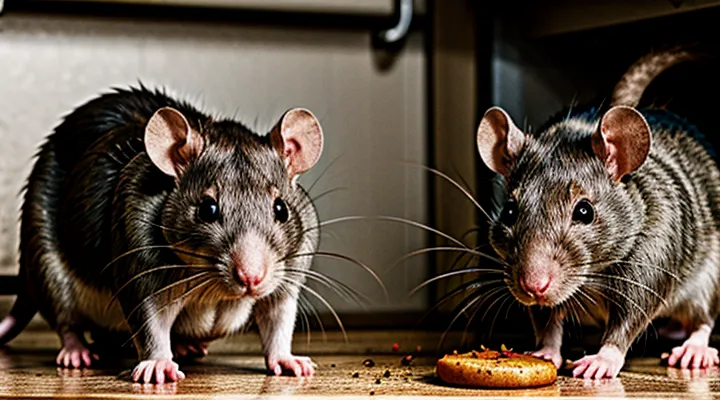
«The Rat's Natural Diet»
«In the Wild»
Rats living in natural habitats consume a varied diet that includes insects, small vertebrates, eggs, and carrion. Their opportunistic foraging behavior allows them to supplement plant material with animal protein when prey is available. Common wild prey items are:
- Soft‑bodied insects (crickets, beetles, larvae)
- Amphibians and reptile hatchlings
- Bird eggs and nestlings
- Small mammals or their remains
Veterinary expertise indicates that meat provides essential amino acids, taurine, and certain vitamins that complement the rodents’ herbivorous base. However, several health considerations apply:
- Digestive tolerance – Rats possess a relatively short gastrointestinal tract for processing protein; excessive meat can cause diarrhea or gastric upset.
- Pathogen exposure – Raw meat may harbor bacteria (Salmonella, Campylobacter) or parasites (nematodes, tapeworms) that lead to systemic infection.
- Nutrient balance – Overreliance on animal tissue can create calcium‑phosphorus imbalances, increasing the risk of metabolic bone disease.
Field observations confirm that wild rats ingest meat in moderation, typically as part of a mixed diet. Veterinary guidance for captive rats mirrors this pattern: occasional, cooked or properly processed meat portions, limited to no more than 10 % of total caloric intake, reduce the likelihood of digestive disturbance and disease transmission.
«Domesticated Rats vs. Wild Rats»
Domesticated rats and wild rats differ markedly in dietary habits, especially regarding meat consumption. Pet rats receive a formulated pellet or mash that supplies balanced nutrients; meat is not a required component but can be offered as a supplement under veterinary guidance. Wild rats survive on opportunistic feeding, regularly incorporating animal protein into their intake.
Typical meat sources for wild rats include:
- Insects such as beetles and grasshoppers
- Small vertebrates like mice or fledgling birds
- Carrion and discarded animal waste
- Eggs found in nests or on the ground
Veterinary recommendations for pet rats when introducing meat are:
- Choose lean, cooked protein (e.g., chicken breast, boiled egg) to eliminate parasites and bacterial contamination.
- Limit portions to no more than 5–10 % of total daily caloric intake to maintain proper nutrient balance.
- Avoid processed meats, seasoned products, and raw red meat because of high fat, sodium, and pathogen risk.
- Observe the animal for digestive upset; discontinue if diarrhea, vomiting, or lethargy occurs.
Health implications of inappropriate meat feeding are clear. Excessive or unsafe animal protein can cause gastrointestinal disturbances, obesity, and liver strain in domesticated rats. In contrast, wild rats rely on meat as a natural protein source, but their consumption is regulated by availability and seasonal variation, not by owner-imposed limits.
«Meat and Rat Digestion»
«Carnivores, Herbivores, and Omnivores»
Rats belong to the omnivorous group, meaning they naturally consume both plant and animal material. Their digestive system can process protein from meat as efficiently as carbohydrates from grains, seeds, and vegetables. Unlike strict carnivores, which rely exclusively on animal tissue for nutrients, rats can obtain essential amino acids from a variety of sources, including insects, eggs, and cooked meat.
Veterinary guidance emphasizes that meat should be offered in moderation and prepared safely:
- Cooked, unseasoned meat eliminates pathogens and parasites.
- Lean cuts reduce excess fat, which can cause digestive upset.
- Small, bite‑size portions prevent choking and allow observation of tolerance.
Herbivores, such as guinea pigs, lack the enzymatic capacity to break down substantial protein, leading to kidney strain if meat is introduced. Strict carnivores, exemplified by cats, require higher levels of taurine and arachidonic acid, nutrients that rats do not depend on in large quantities. Therefore, while rats can digest meat, their nutritional balance remains optimal when animal protein supplements a primarily plant‑based diet rather than replaces it.
Veterinarians advise monitoring stool consistency and overall activity after introducing meat. Any signs of diarrhea, lethargy, or loss of appetite warrant immediate cessation of meat and consultation with a professional. Properly incorporated, meat enhances dietary variety without compromising rat health.
«The Rat's Digestive System»
«Enzymatic Breakdown»
Rats possess a digestive system adapted primarily for omnivorous intake, with enzymatic mechanisms that process both plant and animal proteins. When meat is introduced, pancreatic proteases—trypsin, chymotrypsin, and elastase—hydrolyze peptide bonds, converting large protein molecules into smaller peptides and free amino acids. These products are then absorbed across the small‑intestinal epithelium via specific transporters.
The small intestine also secretes brush‑border peptidases, such as aminopeptidase N and dipeptidyl peptidase IV, which further degrade peptides into individual amino acids. This enzymatic cascade ensures rapid utilization of essential amino acids for tissue growth, immune function, and metabolic processes.
Key considerations for veterinary guidance include:
- Protein quality: Meat provides high‑biological‑value proteins, but excessive intake may overwhelm the rat’s capacity for nitrogen excretion, leading to renal strain.
- Fat content: Lipases break down dietary fats; however, rodents have limited ability to metabolize saturated fats, increasing the risk of hepatic lipidosis.
- Digestive tolerance: Sudden introduction of meat can cause transient dysbiosis; gradual incorporation allows the microbiome to adjust, reducing the likelihood of diarrhea.
Veterinarians recommend monitoring stool consistency and weight after meat is added to a rat’s diet. If signs of gastrointestinal upset appear, reduce the proportion of animal protein and supplement with fiber‑rich vegetables to support microbial fermentation and short‑chain fatty‑acid production. Regular health checks should include serum urea and creatinine measurements to assess renal function when meat constitutes a significant dietary component.
«Nutrient Absorption»
Rats efficiently extract protein, essential amino acids, and bio‑available iron from animal tissue. Their short gastrointestinal tract and high gastric acidity promote rapid denaturation of muscle fibers, allowing pancreatic enzymes such as trypsin and chymotrypsin to act on peptide bonds with minimal loss of amino acid integrity. Consequently, nitrogen retention rates rise compared to plant‑based sources, supporting growth and tissue repair.
Fats in meat provide concentrated energy and deliver fat‑soluble vitamins (A, D, E, K) that are poorly absorbed from most rodent grains. Bile secretion in rats emulsifies triglycerides, facilitating micelle formation and uptake across the intestinal mucosa. Adequate dietary fat improves the absorption of these vitamins, enhancing immune function and bone health.
Key micronutrients supplied by meat include:
- Heme iron, which bypasses the non‑heme absorption pathway and achieves higher serum levels.
- Zinc, crucial for enzymatic activity and skin integrity, absorbed via carrier proteins stimulated by animal protein.
- Vitamin B12, absent from plant diets, absorbed through intrinsic factor–mediated transport in the ileum.
Veterinary guidance recommends limiting meat portions to 10–15 % of total caloric intake for pet rats. Excessive protein can overwhelm renal excretion capacity, leading to urolith formation. Balanced inclusion of lean muscle tissue, supplemented with fiber‑rich vegetables, ensures optimal nutrient absorption while preventing metabolic disturbances.
«Benefits of Meat for Rats»
«Protein Source»
«Muscle Development»
Veterinarians assess dietary protein when evaluating rat musculature. Meat supplies complete proteins, delivering all essential amino acids required for muscle fiber synthesis. The high biological value of animal protein supports rapid incorporation of amino acids into contractile proteins, which accelerates lean‑mass gain.
Protein from meat stimulates muscle hypertrophy by increasing synthesis rates of myofibrillar proteins. Regular intake improves recovery after minor injuries, as the amino acid profile supplies substrates for tissue repair. Balanced meat consumption also enhances strength development by maintaining optimal nitrogen balance.
Safe incorporation of meat into a rat’s diet follows these principles:
- Choose lean cuts (chicken breast, turkey, rabbit) to limit excess fat.
- Cook thoroughly; boiling or baking eliminates pathogens without adding additives.
- Limit portions to 5–10 % of total daily caloric intake, adjusting for age and activity level.
- Offer meat no more than three times per week to prevent digestive upset.
- Monitor body condition; adjust quantity if weight gain exceeds target levels.
Veterinary guidance emphasizes gradual introduction, observation for signs of intolerance, and pairing meat with fiber‑rich vegetables to maintain gastrointestinal health. Consistent, controlled meat feeding aligns with muscle‑development goals while preserving overall well‑being.
«Tissue Repair»
Rats that receive animal protein benefit from accelerated tissue regeneration. Protein supplies essential amino acids that serve as building blocks for collagen, elastin, and cellular membranes. Adequate intake supports wound closure, muscle repair, and organ recovery after injury or surgery.
Key dietary components for optimal tissue repair include:
- High‑quality animal protein (e.g., lean chicken, turkey, or fish) providing complete amino acid profiles.
- Vitamin C sources (fresh vegetables or fortified pellets) that facilitate collagen synthesis.
- Zinc‑rich foods (organ meats, shellfish) that act as cofactors for enzymatic processes in cell proliferation.
- Omega‑3 fatty acids (fish oil or flaxseed) that modulate inflammation and promote cell membrane integrity.
Veterinary guidance recommends introducing meat gradually, monitoring for gastrointestinal upset, and ensuring balanced micronutrient supplementation. Excessive fat or improper preparation can impair digestion and delay healing. Regular health checks confirm that protein levels remain within the species‑specific range, preventing metabolic strain while maximizing regenerative capacity.
«Essential Nutrients»
«Vitamins and Minerals»
Rats require a range of vitamins and minerals to maintain health, and meat can contribute several of these nutrients.
Protein‑rich animal tissue supplies vitamin B12, a nutrient rats cannot synthesize. B12 supports red blood cell formation and neurological function. Meat also provides heme iron, which is more readily absorbed than non‑heme iron from plant sources, aiding oxygen transport.
Key minerals found in meat include zinc, essential for enzyme activity and immune response, and selenium, which protects cells from oxidative damage. Both minerals are present in bioavailable forms, reducing the need for supplemental sources when meat is included in the diet.
Excessive meat intake may create imbalances. High levels of copper and phosphorus can compete with zinc absorption, potentially leading to deficiency symptoms. Fatty cuts introduce saturated fat, which can affect cholesterol metabolism and increase the risk of obesity if not balanced with fiber‑rich vegetables.
To achieve a balanced nutrient profile, consider the following guidelines:
- Limit meat to 10–15 % of total daily caloric intake.
- Choose lean cuts such as chicken breast or turkey to minimize saturated fat.
- Complement meat with a high‑fiber, vitamin‑rich vegetable mix that supplies vitamin C, A, K, and calcium.
- Monitor body weight and coat condition; rapid weight gain or dull fur may indicate over‑reliance on animal protein.
If a rat’s diet lacks sufficient vitamin B12 or iron, a veterinarian may recommend a fortified supplement. However, routine supplementation is unnecessary when meat is provided within the recommended proportion and the overall diet includes a commercial rodent pellet formulated to meet micronutrient requirements.
Regular health checks, including blood work for mineral levels, help ensure that dietary choices—including occasional meat—support optimal vitamin and mineral status without causing excesses or deficiencies.
«Amino Acids»
Rats require a complete profile of amino acids to maintain tissue growth, immune function, and metabolic balance. When meat is introduced into a rat’s diet, it supplies most essential amino acids directly, reducing the need for plant‑based protein supplementation. However, the quality of meat protein varies; lean poultry, fish, and cooked rabbit contain high levels of lysine, threonine, and methionine, which are often limiting in grain‑based feeds.
Veterinary guidance emphasizes the following points:
- Ensure meat is thoroughly cooked to eliminate pathogens that can cause gastrointestinal illness.
- Offer meat in moderation; excess protein can overload the kidneys and lead to urinary calculi.
- Balance meat with a fiber‑rich base (e.g., whole‑grain pellets) to support gut motility and prevent constipation.
- Monitor for signs of deficiency or excess, such as hair loss, reduced activity, or abnormal urine pH.
Essential amino acids for rats include:
- Lysine – supports collagen formation and hormone synthesis.
- Methionine – provides sulfur for antioxidant defenses.
- Threonine – contributes to mucosal integrity in the digestive tract.
- Tryptophan – precursor for serotonin, influencing behavior and stress response.
- Valine, leucine, isoleucine – branched‑chain amino acids that aid muscle repair.
- Phenylalanine – converts to tyrosine, essential for pigment and neurotransmitter production.
- Histidine – required for hemoglobin function and immune response.
If meat is the primary protein source, supplement the diet with a vitamin‑mineral mix to address micronutrient gaps. Regular veterinary check‑ups verify that amino acid intake aligns with the animal’s growth stage and health status.
«Risks and Concerns of Feeding Meat to Rats»
«Types of Meat to Avoid»
«Processed Meats»
Processed meats refer to animal products that have been cured, smoked, salted, or treated with preservatives to extend shelf life. Common examples include bacon, ham, deli slices, hot dogs, and canned sausages. These items are sometimes offered to pet rats as occasional treats.
Protein levels in processed meats are comparable to fresh meat, but the accompanying fat, sodium, and chemical additives modify their nutritional profile. Sodium concentrations frequently exceed the amounts rats can safely process, leading to fluid retention and hypertension. Preservatives such as nitrates, nitrites, and phosphates can irritate the gastrointestinal tract and may contribute to long‑term health issues. High fat content raises the risk of obesity and hepatic lipidosis.
Veterinarians advise the following precautions:
- Offer processed meat no more than once or twice a month.
- Choose products with minimal additives, low sodium, and no added sugars.
- Remove skin, bone fragments, and excess fat before feeding.
- Avoid cured meats containing nitrates, nitrites, or strong spices.
- Observe the rat for signs of digestive upset, such as diarrhea or reduced appetite.
When a processed meat meets the criteria of low sodium, no preservatives, and trimmed fat, a small piece (approximately 0.5 cm³) can serve as a reward. Consistent reliance on these foods is discouraged; a balanced diet should consist primarily of high‑quality rodent pellets, fresh vegetables, and occasional lean protein sources.
«High-Fat Meats»
High‑fat animal proteins such as bacon, sausage, and marbled beef contain a disproportionate amount of saturated fat relative to the typical rodent diet. Laboratory studies show that excessive saturated fat can disrupt lipid metabolism, promote obesity, and increase the likelihood of hepatic lipidosis in small mammals.
Veterinarians recommend limiting these meats to a maximum of 5 % of a rat’s total caloric intake. For an adult laboratory rat consuming roughly 15 kcal per day, this translates to no more than 0.75 kcal from high‑fat meat, equivalent to about 0.2 g of cooked product. Exceeding this threshold may result in:
- rapid weight gain
- elevated blood triglycerides
- reduced fertility
- gastrointestinal upset
If high‑fat meat is offered, it should be:
- fully cooked to eliminate pathogens
- trimmed of visible skin and excess grease
- served in small, bite‑size pieces to prevent choking
Alternative protein sources with lower fat content, such as lean chicken breast, turkey, or boiled eggs, provide comparable amino acid profiles without the associated lipid risks. Monitoring body condition score and stool consistency helps detect early signs of intolerance; any sudden increase in stool softness or presence of blood warrants immediate dietary adjustment.
«Raw Meat Concerns»
Raw meat can provide protein for rats, but it carries specific health risks that require careful management. Bacterial pathogens such as Salmonella, E. coli, and Campylobacter are common in uncooked flesh and may cause gastrointestinal distress, systemic infection, or fatal illness in rodents. These microorganisms survive at refrigeration temperatures and multiply rapidly if meat is left at room temperature for more than two hours.
Key concerns include:
- Contamination – surface bacteria persist despite brief washing; thorough cooking eliminates most risks.
- Nutrient imbalance – raw muscle tissue lacks essential vitamins, minerals, and fiber; exclusive feeding leads to deficiencies.
- Fat content – high levels of saturated fat increase the likelihood of obesity and hepatic lipidosis.
- Spoilage – oxidation and bacterial growth produce off‑flavors and toxins; signs include discoloration, slime, and foul odor.
- Cross‑contamination – handling raw meat without proper hygiene can spread pathogens to other foods, cages, and personnel.
When incorporating meat into a rat’s diet, veterinarians recommend cooking to an internal temperature of 165 °F (74 °C), trimming excess fat, and mixing with a balanced commercial rodent chow. Portion sizes should not exceed 5 % of total caloric intake, and fresh water must be available at all times. Store meat in sealed containers, use it within 24 hours of preparation, and discard any leftovers promptly to prevent spoilage.
«Bacteria and Parasites»
Rats that are offered animal flesh are exposed to a range of microbial hazards. Raw meat frequently contains Salmonella, Escherichia coli O157:H7, Clostridium perfringens, and Listeria monocytogenes. These bacteria can colonize the gastrointestinal tract, cause diarrhea, and lead to systemic infection if the animal’s immune system is compromised.
Parasites also present a significant risk. Commonly identified in uncooked meat are:
- Toxoplasma gondii – intracellular protozoan capable of forming tissue cysts.
- Trichinella spiralis – nematode that encysts in muscle tissue.
- Taenia spp. – tapeworms that develop in the intestine.
- Hymenolepis nana – dwarf tapeworm with a direct life cycle.
Veterinary guidance recommends the following precautions when meat is included in a rat’s diet:
- Heat treatment – cooking to an internal temperature of at least 71 °C (160 °F) eliminates most bacteria and kills encysted parasites.
- Freezing – storing meat at –20 °C (–4 °F) for a minimum of seven days reduces parasite viability but does not guarantee complete safety.
- Source verification – obtaining meat from reputable suppliers lowers the likelihood of contamination.
- Regular health monitoring – observing stool consistency, weight, and activity levels helps detect early signs of infection.
Adhering to these measures minimizes the bacterial and parasitic load associated with meat consumption, supporting the overall health of pet rats.
«Bone Fragments»
Bone fragments are occasionally offered to pet rats as a source of calcium and phosphorus, but veterinary guidance emphasizes strict caution. Raw, unprocessed bones can splinter, creating sharp edges that may perforate the gastrointestinal tract. Even small, soft bones, such as those from chicken or rabbit, pose a risk of obstruction if a rat swallows a large piece whole.
Safe practices include:
- Selecting only commercially prepared, rodent‑specific calcium treats that mimic bone texture without actual bone material.
- Offering bone‑shaped chew toys made from non‑splintering polymers, which satisfy gnawing instincts while delivering minerals.
- Limiting any natural bone to a single, bite‑size fragment that the rat can easily break apart, and supervising the feeding session.
If a rat shows signs of discomfort—vomiting, reduced activity, or abnormal stool—immediate veterinary evaluation is required. Diagnostic imaging often reveals perforations or blockages caused by bone shards, and surgical intervention may be necessary.
Overall, the nutritional benefits of bone fragments are outweighed by the potential for severe injury. Veterinarians recommend alternative calcium sources, such as fortified pellets, powdered supplements, or cuttlefish bone, to meet the dietary needs of rats safely.
«Potential Health Issues»
«Obesity»
Rats consuming meat can gain excess calories, leading to obesity if protein sources are not balanced with fiber and low‑fat vegetables. Obesity in rats increases the risk of heart disease, diabetes, and joint problems, reducing lifespan and quality of life.
Signs of obesity include a rounded body shape, difficulty reaching the hindquarters, reduced mobility, and a noticeable increase in body weight over a short period. Veterinarians assess condition by palpating the ribcage and evaluating the waist-to-hip ratio.
Preventive measures focus on diet composition and portion control:
- Offer meat no more than 10‑15 % of total daily intake; prioritize lean cuts such as boiled chicken breast.
- Complement protein with high‑fiber vegetables (e.g., carrots, kale) and a small amount of whole‑grain pellets.
- Limit treats to occasional, low‑calorie options; avoid sugary or fatty snacks.
- Provide daily exercise opportunities: climbing structures, wheels, and supervised floor time.
- Monitor weight weekly; adjust portions if the rat gains more than 5 % of its baseline weight within a month.
If a rat is already overweight, a veterinarian may prescribe a calorie‑restricted diet, increase activity sessions, and schedule regular health checks to track progress. Rapid weight loss is discouraged; gradual reduction prevents hepatic lipidosis and other complications.
«Digestive Upset»
Rats that ingest meat may experience digestive upset, a condition characterized by altered stool consistency, abdominal cramping, and reduced appetite. The rodent gastrointestinal tract is optimized for omnivorous diets rich in plant material; sudden introduction of animal protein can overwhelm enzymatic capacity and disrupt microbial balance.
Common symptoms include:
- Watery or loose feces
- Blood or mucus in stool
- Vomiting or regurgitation
- Lethargy and decreased water intake
Veterinary guidance recommends a gradual approach when offering meat:
- Select lean, cooked protein without seasoning, bones, or fat.
- Limit portion to no more than 5 % of total daily calories.
- Introduce a single, small piece (approximately 1 g for a 200‑g rat) and observe for 24 hours.
- If no adverse reaction occurs, maintain the same amount weekly; increase only after confirming tolerance.
If digestive upset appears, immediate steps are:
- Remove meat from the diet.
- Provide fresh water and a high‑fiber pellet mix.
- Monitor stool and activity for 48 hours.
- Contact a veterinarian if symptoms persist or worsen, as dehydration and electrolyte imbalance can develop rapidly.
Preventive measures focus on balanced nutrition: primary diet should consist of commercially formulated rat chow supplemented with occasional fruits, vegetables, and limited protein sources. Consistency in feeding schedule and gradual dietary changes reduce the risk of gastrointestinal disturbances.
«Kidney Problems»
Rats that consume meat are exposed to higher levels of protein and purines, which increase the workload on the kidneys. Excessive renal strain can accelerate the development of chronic kidney disease (CKD) or exacerbate existing renal insufficiency. Clinical signs of kidney impairment include increased thirst, frequent urination, weight loss, lethargy, and a noticeable odor of ammonia in the cage.
Veterinary recommendations for preventing kidney problems in meat‑eating rats:
- Limit meat portions to no more than 10 % of the total daily diet; prioritize high‑quality rodent pellets as the primary source of nutrition.
- Choose lean, low‑fat meat varieties (e.g., skinless chicken breast) and avoid processed or heavily seasoned products that contain added sodium or preservatives.
- Provide constant access to fresh water to support renal clearance of metabolic waste.
- Incorporate omega‑3 fatty acid supplements or fish oil in small amounts to reduce inflammation and support kidney health.
- Schedule regular veterinary check‑ups, including blood chemistry panels to monitor creatinine, blood urea nitrogen (BUN), and electrolyte levels.
If a rat shows any signs of renal distress, immediate reduction or elimination of meat from the diet is advised, followed by veterinary assessment. Early intervention, combined with a balanced low‑protein diet, can slow CKD progression and improve quality of life.
«Veterinarian Recommendations»
«Frequency of Feeding Meat»
Rats may accept animal protein, but their gastrointestinal system is optimized for a grain‑based diet. Introducing meat should be occasional, not a staple, to avoid nutritional imbalances and digestive upset.
Veterinary guidance recommends limiting meat to no more than one to two small servings per week. Each serving should be roughly the size of a pea, providing less than 5 % of the rat’s total caloric intake. Over‑feeding can lead to obesity, kidney strain, and altered gut flora.
Practical schedule:
- Monday: a pea‑sized piece of cooked chicken breast.
- Thursday: a pea‑sized piece of boiled egg white.
The remaining days, offer a balanced mix of commercial rodent pellets, fresh vegetables, and occasional fruit. Ensure all meat is cooked, unseasoned, and free of bones to prevent choking hazards.
Regular monitoring of body condition and stool consistency helps identify adverse reactions early. If weight gain, diarrhea, or lethargy appear, discontinue meat and consult a veterinarian.
«Safe Meat Preparation»
«Cooking Methods»
Veterinarians advise that meat offered to pet rats must be prepared without additives, excess fat, or bone fragments. Proper cooking eliminates pathogens and reduces the risk of gastrointestinal upset.
- Boiling – submerge lean cuts in water, bring to a rolling boil, maintain for 5–7 minutes, then let cool. Discard the cooking liquid, which may contain leached minerals unsuitable for rodents.
- Steaming – place meat on a perforated tray above simmering water, cover, and steam for 6–8 minutes. This method preserves moisture while avoiding direct contact with fat.
- Baking – preheat oven to 180 °C (350 °F), arrange thin slices on a parchment sheet, bake for 10–12 minutes. Ensure the interior reaches an internal temperature of at least 70 °C (160 °F). Remove any crispy edges that could cause oral injury.
- Poaching – gently simmer meat in plain water or low‑sodium broth, avoiding vigorous boiling. Cook until opaque throughout, typically 4–6 minutes for small pieces. Rinse briefly to eliminate residual broth.
Guidelines for all methods:
- Use only unseasoned, lean protein such as chicken breast, turkey, or lean beef.
- Trim visible fat and connective tissue before cooking.
- Cool cooked meat to room temperature before offering it to the rat.
- Cut into bite‑size pieces (approximately 0.5 cm) to prevent choking.
- Serve fresh portions; discard any leftovers after two hours to avoid bacterial growth.
By following these preparation standards, owners provide a safe source of animal protein that aligns with veterinary recommendations for rat nutrition.
«Portion Sizes»
When incorporating animal protein into a rat’s diet, the quantity must align with the animal’s size and metabolic needs. A healthy adult rat, weighing approximately 250 g, can safely receive 5–10 g of cooked, lean meat per day. Juvenile rats require proportionally less, typically 2–4 g, because their digestive systems are still developing.
Key considerations for meat portions:
- Frequency: Offer meat no more than three times weekly to prevent nutrient imbalance.
- Preparation: Cook thoroughly, remove bones, and eliminate seasoning, sauces, or additives.
- Variety: Rotate between chicken, turkey, and lean beef to supply diverse amino acid profiles.
- Monitoring: Observe stool consistency and weight; sudden weight gain or loose feces indicate excess.
Overfeeding meat can lead to obesity, kidney strain, and reduced intake of essential fiber. Adjust portions if the rat exhibits lethargy, excessive thirst, or abnormal feces. Regular veterinary check‑ups confirm that meat inclusion supports overall health without compromising nutritional balance.
«Alternative Protein Sources»
«Plant-Based Proteins»
Rats are omnivorous mammals capable of deriving essential amino acids from both animal and plant sources. When animal protein is limited or excluded, high-quality plant proteins must supply the same nutritional profile to maintain growth, reproduction, and immune function.
Key plant protein ingredients suitable for laboratory or pet rat diets include:
- Soy isolate or soy meal, providing a complete amino acid profile when processed to reduce antinutrients.
- Pea protein concentrate, rich in lysine and branched‑chain amino acids, with low allergenicity.
- Lentil flour, offering moderate levels of methionine and cysteine, useful in combination with other legumes.
- Quinoa seed, a pseudo‑cereal containing all essential amino acids, suitable for occasional inclusion.
- Hemp seed meal, delivering omega‑3 fatty acids alongside protein, beneficial for skin and coat health.
When plant proteins replace animal meat, veterinarians advise monitoring the following parameters:
- Amino acid balance – Ensure the diet meets the rat’s requirement for sulfur‑containing amino acids (methionine, cysteine) by blending complementary sources.
- Vitamin B12 – Absent from most plant foods; supplement with synthetic B12 to prevent anemia and neurological deficits.
- Mineral bioavailability – Phytates in legumes can impair calcium and iron absorption; employ enzymatic treatment or include mineral chelates.
- Fiber content – Excessive soluble fiber may interfere with protein digestion; maintain a fiber ratio that supports gut motility without diluting protein density.
Veterinary nutritionists recommend formulating rat feeds with a minimum of 18 % crude protein from plant origins, supplemented by the nutrients listed above. Regular health checks should include body weight, coat condition, and blood panels for protein status, confirming that plant‑based regimens meet physiological demands.
«Insect-Based Proteins»
Insect‑derived protein powders, freeze‑dried larvae, and whole edible insects are nutritionally suitable for domestic rats when introduced as part of a balanced diet. These sources supply complete amino acid profiles comparable to traditional animal meat, delivering high‑quality protein essential for growth, tissue repair, and immune function.
Key nutritional attributes:
- Protein content: 45‑65 % dry matter, matching or exceeding that of chicken or beef.
- Essential amino acids: lysine, methionine, threonine, and tryptophan present in adequate proportions.
- Micronutrients: chitin contributes fiber; insects contain iron, zinc, and B‑vitamins.
- Fat composition: moderate saturated and polyunsaturated fatty acids, supporting energy needs without excessive calories.
Veterinary guidance recommends the following practices:
- Introduce insect protein gradually, starting with 5 % of total daily intake and monitoring for digestive upset.
- Ensure the product is sourced from reputable manufacturers that guarantee pesticide‑free, pathogen‑free processing.
- Combine insect protein with a standard rodent pellet to maintain dietary fiber levels and prevent nutritional gaps.
- Observe individual tolerance; some rats may develop allergies to specific insect species and require alternative protein sources.
Potential risks include excessive chitin intake, which can impair nutrient absorption if not balanced, and the possibility of contaminant exposure from low‑quality suppliers. Regular health checks, including weight tracking and stool analysis, help identify adverse reactions early.
Incorporating insect‑based proteins offers a viable, sustainable alternative to conventional meat, aligning with veterinary recommendations for protein diversity while meeting the physiological requirements of pet rats.
«Monitoring Your Rat's Health»
«Changes in Behavior»
Rats introduced to animal protein often display measurable shifts in conduct. Observations from veterinary practice reveal the following patterns:
- Heightened territorial marking, including more frequent urine and fecal deposits in confined spaces.
- Increased responsiveness to stimuli, manifested as quicker startle reactions and more vigorous exploration of novel objects.
- Greater propensity for aggressive encounters with conspecifics, leading to bite incidents and dominance displays.
- Altered grooming routines, with shorter intervals between self‑cleaning bouts and occasional neglect of peripheral body regions.
- Variations in feeding behavior, such as faster consumption rates and reduced interest in plant‑based foods after meat exposure.
These behavioral modifications correlate with physiological changes. Protein‑rich diets elevate serum amino acid levels, influencing neurotransmitter synthesis that governs mood and activity. Enhanced metabolic rate can produce more energy for movement, reinforcing the observed increase in locomotor activity. Conversely, excessive meat intake may provoke gastrointestinal upset, prompting irregular defecation patterns and occasional lethargy.
Veterinarians advise monitoring these signs promptly. If aggression escalates or grooming declines, adjusting the diet to a balanced mix of grains, vegetables, and limited animal protein can restore typical behavior. Consistent observation ensures that dietary choices support both health and stable social dynamics within the rodent population.
«Gastrointestinal Symptoms»
Rats are naturally omnivorous, and the occasional inclusion of animal protein can be safe when the source is fresh, low‑fat, and properly prepared. However, feeding meat that is spoiled, overly fatty, or introduced abruptly often triggers digestive disturbances.
Typical gastrointestinal signs observed after inappropriate meat consumption include:
- Diarrhea, sometimes with mucus or blood
- Soft, unformed feces accompanied by a strong odor
- Reduced appetite or complete refusal to eat
- Bloating or visible abdominal distension
- Excessive gas production leading to audible rumbling
- Vomiting, which may contain partially digested meat
Veterinary guidance recommends a gradual introduction of meat, limiting portions to no more than 10 % of the total daily intake, and selecting lean, cooked sources free of seasoning or additives. Owners should monitor stool consistency, frequency, and any signs of abdominal discomfort. Persistent or severe symptoms warrant immediate veterinary evaluation to rule out infections, pancreatitis, or other underlying conditions. Regular health checks and a balanced diet that emphasizes high‑quality rodent pellets, fresh vegetables, and occasional protein help maintain optimal gastrointestinal function.
«Creating a Balanced Diet for Your Pet Rat»
«Commercial Rat Food as a Foundation»
Commercially formulated rat pellets provide a balanced mix of protein, fat, fiber, vitamins, and minerals essential for growth, reproduction, and immune function. The nutrient profile is calibrated to meet the average requirements of laboratory‑bred and pet rats, reducing the risk of deficiencies that can arise from homemade diets.
When evaluating the inclusion of animal protein, veterinarians emphasize that the protein content in quality pellets already satisfies the species’ needs. Excess meat can disrupt the calcium‑phosphorus ratio, leading to skeletal problems, and may introduce pathogens if not cooked thoroughly. Therefore, meat should be offered only as an occasional supplement, not as a primary component.
Key points for safe meat supplementation:
- Cooked, lean protein (e.g., chicken breast, turkey, boiled egg) in portions no larger than a teaspoon per 100 g body weight.
- Introduce new protein sources gradually, monitoring for digestive upset or changes in stool consistency.
- Avoid processed meats, raw pork, or fish with high fat and salt levels, which can cause gastrointestinal irritation and renal strain.
- Ensure that the overall diet remains pellet‑centric; supplements should not exceed 10 % of total caloric intake.
Veterinary guidance recommends regular health checks to assess weight, coat condition, and blood parameters when meat is part of the diet. Adjustments to pellet quantity may be necessary if the rat shows signs of over‑consumption or weight gain.
In summary, commercial rat food establishes a reliable nutritional foundation. Meat can be incorporated safely as a limited, well‑cooked treat, provided that the core diet remains pellet‑based and veterinary advice is followed.
«Incorporating Fruits and Vegetables»
Rats thrive on a diet that balances protein, carbohydrates, and fiber. While animal protein can be offered occasionally, the majority of nutritional needs are met through plant sources. Including fruits and vegetables supplies essential vitamins, minerals, and antioxidants that support immune function and dental health.
When adding produce, select items low in sugar and high in fiber. Suitable choices include:
- Apples (core removed, no seeds)
- Blueberries
- Carrots (peeled, cut into bite‑size pieces)
- Leafy greens such as kale, spinach, and romaine lettuce
- Bell peppers (any color)
- Zucchini
- Broccoli florets
Avoid citrus fruits in large quantities, as acidity may irritate the gastrointestinal tract. Remove pits, stems, and any toxic parts (e.g., tomato leaves, avocado skin) before offering them to the rat.
Portion control is critical; fruits should not exceed 10 % of the total daily intake, while vegetables can comprise up to 30 %. Provide fresh, clean produce each day and discard leftovers after a few hours to prevent spoilage. Regular veterinary check‑ups can verify that the diet meets the individual rat’s health requirements.
«Treats and Supplements»
Rats can safely receive meat‑based treats when the portion size, preparation method, and frequency are carefully controlled. Veterinary guidance emphasizes that meat should be cooked, unseasoned, and free of bones to prevent choking or bacterial contamination.
- Cooked chicken breast, turkey, or lean beef, cut into ½‑inch cubes, no more than 1 g per 100 g of body weight per serving.
- Occasionally offered as a protein supplement, not a staple, to avoid excess fat and calorie intake.
- Avoid processed meats, cured or smoked products, and any items containing salt, garlic, onion, or spices, as these can be toxic to rodents.
Supplemental products designed for rats often contain balanced vitamins and minerals. A multivitamin powder or liquid formulated for small mammals can fill gaps in calcium, vitamin D, and B‑complex nutrients, especially when the primary diet consists mainly of commercial rodent pellets and fresh produce. Dosage should follow the manufacturer’s instructions or the veterinarian’s prescription, typically measured in a fraction of a milliliter per day.
When introducing any new treat or supplement, observe the rat for changes in appetite, stool consistency, or behavior. Immediate discontinuation and veterinary consultation are advised if signs of gastrointestinal upset, lethargy, or allergic reaction appear. Regular health checks help ensure that occasional meat treats and supplemental nutrition support overall well‑being without compromising the animal’s natural dietary balance.