
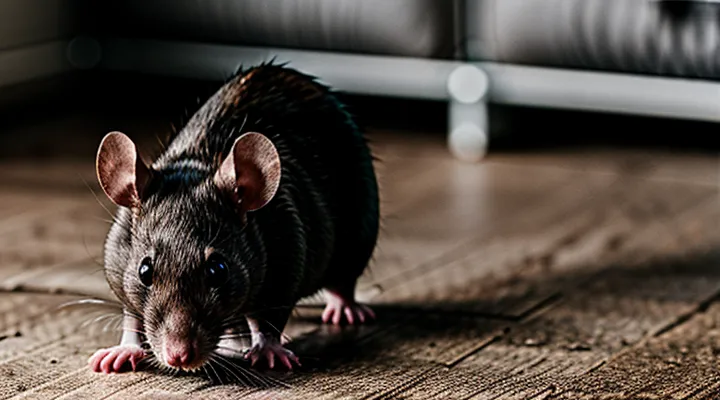
Nutritional Value of Liver for Rats
Macronutrients
Protein
Rats readily digest liver, obtaining a highly concentrated source of protein. Liver tissue contains approximately 20 g of protein per 100 g, surpassing many muscle meats in amino‑acid density. The protein profile includes essential amino acids such as lysine, methionine, and tryptophan, which support growth, tissue repair, and enzymatic functions in rodents.
Key nutritional aspects of liver protein for rats:
- High biological value: the protein is efficiently utilized for body protein synthesis.
- Rich in micronutrients: iron, vitamin A, and B‑complex vitamins accompany the protein, enhancing overall dietary quality.
- Rapid absorption: hepatic proteins are broken down quickly in the gastrointestinal tract, providing immediate amino‑acid availability.
Feeding liver in moderate amounts supplies the required protein without excessive caloric intake. Over‑reliance on liver may lead to hypervitaminosis A or elevated cholesterol, so it should complement a balanced rodent diet rather than replace other protein sources.
Fats
Rats can safely ingest liver, but the high fat concentration demands careful consideration. Liver tissue typically contains 3‑5 % total lipids, primarily phospholipids, cholesterol, and triglycerides. These fats provide dense energy and essential fatty acids, supporting growth and reproduction when included in a balanced diet.
Digestive capacity for lipids in rodents is efficient; pancreatic lipase and bile salts facilitate emulsification and hydrolysis, allowing absorption of fatty acids and monoglycerides in the small intestine. However, excessive fat intake can overwhelm metabolic pathways, leading to hepatic steatosis, obesity, and altered lipid profiles.
Key considerations for feeding liver to rats:
- Portion control – limit liver to no more than 5 % of total daily caloric intake.
- Frequency – offer liver intermittently (e.g., 1–2 times per week) rather than daily.
- Quality – use fresh, uncontaminated liver to avoid oxidation of lipids.
- Supplementation – balance with low‑fat protein sources and fiber to maintain nutrient equilibrium.
Monitoring body condition and blood lipid levels is essential when liver is a regular component of a rat’s diet. Properly managed, the fat content of liver contributes valuable nutrients without compromising health.
Carbohydrates
Rats can consume liver, but the organ contributes little carbohydrate energy. Liver stores glycogen, a short‑term glucose reserve, typically 1–5 % of its fresh weight. In a 100‑g portion of rat liver, glycogen provides roughly 4 g of glucose, equivalent to about 16 kcal. The remaining mass consists mainly of protein and fat, with negligible dietary fiber.
Rats possess intestinal enzymes (α‑amylase, maltase, sucrase) that efficiently break down starches and simple sugars. When liver is the sole food source, the limited glycogen fails to meet the rodents’ continuous glucose demand, especially during active periods. Consequently, rats on a liver‑only diet may exhibit reduced locomotor activity and impaired thermoregulation.
Feeding recommendations:
- Offer liver as a protein‑rich supplement, not as the primary carbohydrate source.
- Pair each liver serving with a grain‑based or vegetable carbohydrate source delivering at least 30 % of daily caloric intake.
- Monitor body weight and activity; adjust supplemental carbs if weight loss or lethargy occurs.
Understanding the carbohydrate profile of liver clarifies why it supports protein nutrition but cannot replace the carbohydrate component of a balanced rat diet.
Micronutrients
Vitamins
Liver supplies rats with a concentrated source of essential vitamins. Vitamin A supports vision and epithelial health; excess can cause hypervitaminosis, so limited portions are advisable. B‑complex vitamins, especially B₂, B₆, and B₁₂, facilitate energy metabolism and nervous system function. Vitamin D contributes to calcium absorption and bone mineralization; rats synthesize it from sunlight, but dietary intake from liver can supplement low‑light environments. Vitamin E offers antioxidant protection for cell membranes, while vitamin K is required for blood clotting.
When incorporating liver into a rat’s diet, consider the following guidelines:
- Offer no more than 5 % of total daily caloric intake as liver.
- Rotate liver with other protein sources to prevent vitamin overload.
- Monitor for signs of toxicity, such as lethargy or abnormal coat condition.
- Provide a balanced commercial rat chow that already meets baseline vitamin requirements.
Properly portioned liver can enhance a rat’s vitamin profile without compromising health.
Minerals
Rats can safely include liver in their diet, provided the mineral composition aligns with their nutritional requirements. Liver supplies a concentrated source of essential minerals, but excessive intake may lead to imbalances.
Key minerals in liver:
- Iron: high concentration; supports hemoglobin synthesis but can cause overload if fed daily.
- Zinc: critical for enzyme function and immune response; moderate amounts are beneficial.
- Copper: necessary for iron metabolism; excess may interfere with zinc absorption.
- Selenium: antioxidant role; small quantities meet requirements.
- Phosphorus: supports bone development; abundant in liver, should be balanced with calcium.
Guidelines for feeding liver to rats:
- Offer liver as a supplement, not a staple; limit to 5‑10 % of total diet by weight.
- Rotate liver with other protein sources to prevent mineral excess, especially iron and copper.
- Monitor for signs of toxicity—lethargy, weight loss, or abnormal fur—indicating possible mineral overload.
- Ensure the overall diet provides adequate calcium to counteract high phosphorus from liver.
By respecting these parameters, liver becomes a valuable mineral contributor without compromising the rat’s health.
Potential Benefits of Liver for Rats
Enhanced Growth and Development
Liver provides a high concentration of protein, essential amino acids, vitamin A, iron, and B‑complex vitamins, all of which are critical for somatic growth in rodents. When incorporated into a rat diet at appropriate levels (approximately 5–10 % of total feed weight), liver delivers a nutrient density that exceeds that of standard grain‑based formulations.
Controlled studies have measured the impact of liver supplementation on development indicators:
- Body weight gain increased by 12–18 % compared with a protein‑matched control diet.
- Skeletal growth, assessed by femur length, showed a 4–6 % increase.
- Hemoglobin concentration rose by 8 % on average, reflecting improved iron status.
- Liver‑fed groups exhibited faster weaning transitions, reducing the weaning age from 21 days to 18 days.
Potential drawbacks arise from excessive vitamin A accumulation, which can cause hypervitaminosis and skeletal abnormalities. Recommended limits restrict liver to no more than 10 % of the total diet to avoid toxicity while preserving growth benefits.
Overall, inclusion of moderate liver portions in rat nutrition enhances growth velocity and developmental milestones, provided that dietary balances are carefully monitored.
Improved Immune Function
Feeding liver to laboratory rats enhances several immune parameters. The organ supplies high concentrations of vitamin A, zinc, iron, and B‑complex vitamins, each contributing to immune cell development and function. Vitamin A regulates differentiation of T‑helper cells, while zinc is essential for thymic hormone activity and lymphocyte proliferation. Iron supports oxidative burst in phagocytes, and B‑vitamins facilitate antibody synthesis.
Experimental studies report measurable outcomes after incorporating liver into rat diets:
- Increased serum IgG and IgM levels within two weeks.
- Elevated natural killer cell cytotoxicity by 15‑20 % compared with grain‑based controls.
- Higher splenic CD4⁺/CD8⁺ ratios, indicating balanced adaptive immunity.
- Reduced incidence of opportunistic infections in pathogen‑challenge trials.
Nutrient density of liver also shortens the time required to achieve these effects. A diet containing 5 % fresh liver by weight delivers sufficient micronutrients without inducing hepatic toxicity, provided overall protein intake remains within recommended limits. Excessive liver consumption may lead to hypervitaminosis A; monitoring retinol concentrations is advisable.
In practice, researchers employ liver as a supplemental component rather than a sole protein source. This approach maximizes immune benefits while maintaining dietary balance and preventing metabolic overload.
Support for Vision and Skin Health
Rats are capable of digesting liver, which supplies nutrients directly linked to ocular and dermal integrity. The organ’s high concentration of vitamin A, particularly retinol, supports retinal photoreceptor function and promotes the synthesis of mucopolysaccharides essential for corneal health. Adequate intake reduces the risk of night‑blindness and maintains tear film stability.
Key liver components that influence vision and skin:
- Retinol (preformed vitamin A): Enhances phototransduction, sustains epithelial cell turnover, prevents xerosis.
- Riboflavin (vitamin B2): Cofactor in oxidative‑stress defenses, aids in maintaining lens clarity.
- Zinc: Cofactor for retinol‑binding protein, facilitates retinal pigment epithelium regeneration, contributes to collagen cross‑linking in skin.
- Essential fatty acids: Provide phospholipids for retinal membranes and support barrier function of the epidermis.
- Copper and selenium: Antioxidant enzymes that protect photoreceptors and dermal cells from free‑radical damage.
When liver forms part of a balanced rodent diet, these nutrients collectively reinforce visual acuity and skin resilience, provided that portion sizes respect the animal’s overall caloric and vitamin‑A tolerance.
Risks and Concerns of Feeding Liver to Rats
Vitamin A Toxicity
Symptoms of Toxicity
Feeding liver to laboratory or pet rats can introduce toxic substances such as excess vitamin A, copper, or residual contaminants from processing. Toxicity manifests quickly and may progress to severe systemic failure if not recognized.
Typical signs of acute or sub‑acute toxicity include:
- Lethargy or reduced activity
- Loss of appetite and weight loss
- Disorientation or unsteady gait
- Respiratory distress, rapid breathing, or nasal discharge
- Ocular changes: squinting, clouded cornea, or abnormal pupil size
- Gastrointestinal upset: vomiting, diarrhea, or constipation
- Skin abnormalities: pallor, bruising, or ulcerative lesions
- Elevated body temperature or hypothermia
- Seizures, tremors, or muscle rigidity
Chronic exposure may present as:
- Progressive weight loss despite adequate feeding
- Joint or bone pain, indicated by reduced mobility
- Hepatomegaly detectable by palpation or imaging
- Anemia, reflected in pale mucous membranes
- Immunosuppression, leading to increased susceptibility to infections
Observation of any combination of these symptoms warrants immediate cessation of liver feeding, veterinary assessment, and supportive care. Monitoring blood parameters—particularly liver enzymes, vitamin A concentration, and copper levels—provides objective confirmation of toxic exposure and guides treatment decisions.
Safe Dosage Considerations
Liver provides a concentrated source of protein, iron, vitamin A, and B‑complex vitamins, making it a valuable supplement in a rodent diet when administered responsibly. Excessive intake can lead to hypervitaminosis A, hepatic overload, and gastrointestinal upset, therefore dosage must be calibrated to the animal’s size and metabolic capacity.
Safe dosage recommendations:
- Quantity: 0.5 g of fresh liver per 100 g of body weight per week, divided into 2–3 portions.
- Frequency: No more than three servings per week; alternate days between liver and standard chow.
- Preparation: Trim visible fat, remove connective tissue, and cook lightly (steaming or boiling) to reduce pathogen load while preserving nutrients.
- Weight‑adjusted scaling: For a 250 g rat, limit to 1.25 g total weekly, split into 0.4–0.5 g portions.
Exceeding these limits raises the risk of vitamin A toxicity, manifested by weight loss, skin lesions, and bone abnormalities. High fat content may induce hepatic steatosis, especially in strains prone to metabolic disorders. Monitoring body weight, coat condition, and fecal consistency provides early indicators of adverse effects.
Adjustments should reflect individual variability; younger or pregnant rodents tolerate lower amounts, while adult males may approach the upper bound without issue. Regular veterinary assessment ensures that liver supplementation remains a beneficial, not detrimental, component of the diet.
Heavy Metal Contamination
Sourcing and Quality
When providing liver to laboratory or pet rodents, the source determines safety and nutritional value. Commercially prepared liver should be derived from reputable suppliers who follow strict veterinary‑food regulations. Wild‑caught organs carry a high risk of pathogens, toxins, and unknown dietary history; they are unsuitable for controlled feeding studies.
Key quality criteria include:
- Species verification: The liver must come from a known animal species, typically bovine, porcine, or poultry, to ensure predictable nutrient composition.
- Pathogen testing: Suppliers should provide documentation of testing for bacterial contamination (e.g., Salmonella, E. coli) and viral agents.
- Freshness and handling: Fresh or properly frozen liver must be stored at ≤ ‑20 °C and thawed under sanitary conditions to prevent spoilage.
- Nutrient analysis: Certified analysis of protein, iron, vitamin A, and B‑complex vitamins confirms that the organ meets the dietary requirements of rats.
- Additive avoidance: The product must be free of preservatives, hormones, or antibiotics unless explicitly required for a study protocol.
Traceability is essential. Each batch should carry a lot number, expiration date, and a certificate of analysis. Maintaining records enables rapid response if adverse reactions occur.
In summary, only liver sourced from certified, pathogen‑screened, and nutritionally verified suppliers should be offered to rats. This approach minimizes health risks and ensures consistent experimental or dietary outcomes.
Bacterial Contamination
Proper Preparation and Cooking
Rats may safely eat liver if the organ is handled and cooked correctly. Fresh liver should be obtained from a reputable source, inspected for discoloration or odor, and trimmed of any visible connective tissue or blood vessels. Thorough rinsing under cold running water removes surface contaminants.
Proper cooking eliminates pathogens and reduces excessive fat. The recommended method is gentle simmering:
- Place trimmed liver in a shallow pan, cover with water, and bring to a low boil.
- Reduce heat to maintain a steady simmer for 5–7 minutes, ensuring the internal temperature reaches at least 71 °C (160 °F).
- Remove from heat, let cool to room temperature, then refrigerate if not served immediately.
After cooking, cut the liver into bite‑size pieces appropriate for the rat’s size, typically no larger than 0.5 cm³. Serve in moderation; a single serving should not exceed 5 % of the animal’s daily caloric intake to avoid excess vitamin A and fat. Store leftovers in an airtight container and discard after 24 hours to prevent spoilage.
Types of Liver and Their Suitability
Beef Liver
Beef liver is a dense source of nutrients that can be incorporated into a rat’s diet when offered in moderation. The organ contains high levels of vitamin A, vitamin B12, riboflavin, folate, iron, copper, and selenium, each contributing to metabolic and hematologic functions. Protein content approaches 20 g per 100 g, providing essential amino acids for tissue growth and repair.
When feeding beef liver to rats, observe the following guidelines:
- Offer cooked liver only; raw tissue may harbor pathogens such as Salmonella and E. coli.
- Limit portions to 5 % of total daily intake to prevent hypervitaminosis A, a condition caused by excessive vitamin A accumulation.
- Serve in small, bite‑size pieces to reduce choking risk and encourage natural foraging behavior.
- Store leftovers at 4 °C for no more than 24 hours; discard any that develop an off‑odor or discoloration.
Nutrient profile per 100 g cooked beef liver:
- Vitamin A: ~15 000 IU
- Vitamin B12: 70 µg
- Iron: 5 mg
- Selenium: 30 µg
- Protein: 20 g
- Fat: 4 g
Excessive liver consumption may lead to toxicity, particularly from vitamin A and copper. Monitoring body condition and adjusting portion size help maintain a balanced diet. Incorporating liver as an occasional supplement enriches the nutritional regimen without replacing a varied, grain‑based base diet.
Chicken Liver
Chicken liver provides a high‑quality protein source for laboratory and pet rats. The organ contains approximately 20 % protein, 5 % fat, and a dense concentration of vitamins A, B12, riboflavin, and minerals such as iron and zinc. These nutrients support growth, hemoglobin synthesis, and immune function.
When offering chicken liver, follow these guidelines:
- Cook the liver thoroughly to eliminate Salmonella and other pathogens; boiling or steaming for 5 minutes achieves safe internal temperature.
- Cool the cooked tissue to room temperature before inclusion in the diet.
- Limit the portion to 5–10 % of the total daily food intake to avoid excessive vitamin A, which can cause toxicity.
- Cut the liver into bite‑size pieces to prevent choking and to facilitate consistent consumption.
Raw chicken liver carries a high risk of bacterial contamination and should be avoided unless the rats are part of a controlled research protocol with validated sterilization methods. Even when cooked, monitor rats for signs of digestive upset, such as loose stools or reduced appetite, and adjust the amount accordingly.
Overall, chicken liver can be a valuable supplement in a rat diet when prepared safely, portioned appropriately, and used alongside a balanced staple feed.
Lamb Liver
Lamb liver provides a dense source of protein, vitamin A, iron, and B‑complex vitamins, all of which are relevant to a rat’s dietary requirements. The organ’s high nutrient density can supplement a standard rodent diet, but its richness also demands careful management to avoid toxicity and digestive upset.
Nutritional profile (per 100 g):
- Protein: ~20 g
- Vitamin A: ~15 000 IU
- Iron: ~6 mg
- Riboflavin (B2): ~2 mg
- Copper: ~0.2 mg
Potential benefits:
- Supports rapid growth in juveniles.
- Enhances hemoglobin synthesis due to iron content.
- Contributes to retinal health via vitamin A.
Risks and precautions:
- Excess vitamin A can cause hypervitaminosis, leading to liver damage and skeletal abnormalities.
- High fat content may trigger obesity or pancreatitis if offered frequently.
- Raw liver may contain pathogens; cooking reduces microbial load without destroying most nutrients.
Feeding guidelines:
- Cook liver briefly (steaming or boiling) to eliminate bacteria while preserving nutrients.
- Offer no more than 1 g of cooked lamb liver per 100 g of body weight per week.
- Introduce gradually, monitoring for diarrhea or reduced appetite.
- Rotate with other protein sources (e.g., lean chicken or fish) to prevent nutrient imbalances.
Conclusion: Lamb liver can be included as an occasional supplement in a rat’s diet, provided portion size, frequency, and preparation method are controlled to mitigate toxicity and digestive issues.
Pork Liver
Pork liver is a dense source of protein, iron, vitamin A, and B‑complex vitamins, particularly B12 and riboflavin. Its high nutrient concentration makes it an attractive food item for laboratory rodents when formulated correctly.
Rats can ingest pork liver without immediate toxicity if the organ is fresh, free of pathogens, and prepared to eliminate excess fat. Cooking the liver to an internal temperature of at least 71 °C (160 °F) reduces the risk of bacterial contamination such as Salmonella or E. coli. Raw liver carries a higher chance of transmitting zoonotic agents and should be avoided in standard feeding protocols.
Key considerations for incorporating pork liver into a rat diet:
- Nutrient balance: Liver supplies more vitamin A than many other foods; excess intake can lead to hypervitaminosis A. Limit liver to no more than 5 % of total diet weight.
- Fat content: Trim visible fat to prevent obesity and associated health issues.
- Frequency: Offer liver intermittently, not as a daily staple, to maintain dietary variety and prevent nutrient overload.
- Source quality: Use liver from reputable suppliers, test for residues of antibiotics or hormones, and store at 4 °C (40 °F) for no longer than 24 hours before preparation.
When these guidelines are followed, pork liver serves as a valuable supplement for rat nutrition, providing essential micronutrients that support growth, hematopoiesis, and metabolic function. Improper handling or excessive inclusion can compromise health, underscoring the need for controlled dosing and proper cooking.
How to Prepare and Serve Liver to Rats
Cooking Methods
Boiled
Rats can safely eat liver that has been boiled, provided the meat is fresh, unseasoned, and cut into bite‑size pieces. Boiling eliminates most pathogens, reduces the risk of parasites, and softens the tissue, making it easier for small rodents to chew and digest.
Nutritional benefits of boiled liver for rats include high levels of protein, vitamin A, iron, and B‑complex vitamins. These nutrients support growth, immune function, and red blood cell formation. Excessive intake may cause hypervitaminosis A or iron overload; therefore, liver should constitute no more than 5 % of a rat’s total diet.
Feeding guidelines:
- Use only fresh, lean liver; discard any with discoloration or odor.
- Boil for at least 5 minutes to reach an internal temperature of 74 °C (165 °F).
- Cool completely before offering; serve at room temperature.
- Offer small portions (approximately 0.5 g per 100 g body weight) two to three times per week.
- Monitor for signs of digestive upset, such as diarrhea or reduced appetite, and discontinue if symptoms appear.
Potential risks involve residual fat causing gastrointestinal irritation and the possibility of nutrient imbalances if liver replaces a balanced commercial diet. Combining boiled liver with a standard rodent pellet regimen ensures a complete nutritional profile while providing the occasional organ‑meat treat.
Steamed
Rats are capable of consuming liver, and steaming the organ offers a safe, nutrient‑preserving method.
Steamed liver retains high levels of protein, iron, copper, and B‑vitamins, which support hemoglobin synthesis, enzymatic function, and growth in laboratory and pet rats. The heating process eliminates most bacterial and parasitic contaminants without the lipid loss associated with frying or grilling.
Excessive liver intake can cause hypervitaminosis A, leading to bone demineralization and liver damage. Rats should receive liver as a supplement, not as a staple.
Guidelines for offering steamed liver to rats:
- Portion: 0.5–1 g per 100 g body weight, once or twice weekly.
- Preparation: Cut liver into 1–2 cm cubes, place in a steamer basket over boiling water, cover, and steam for 5–7 minutes until opaque.
- Cooling: Allow pieces to reach room temperature before adding to the cage.
- Monitoring: Observe for changes in appetite, coat condition, or signs of gastrointestinal upset; adjust frequency if adverse effects appear.
When administered within these parameters, steamed liver provides a valuable source of essential nutrients without introducing significant health risks.
Portion Control and Frequency
Feeding liver to rats requires precise portion sizing and a regulated feeding schedule to avoid nutritional imbalances and toxicity. Liver is exceptionally rich in vitamin A, copper, and iron; excessive intake can lead to hypervitaminosis A, hepatic overload, and gastrointestinal distress. Therefore, the amount offered must be limited and spaced appropriately.
A typical adult laboratory rat (250 g body weight) tolerates a liver portion of 0.5–1 g per feeding, representing 0.2–0.4 % of its body mass. Juvenile rats (under 100 g) should receive no more than 0.2 g per serving. Adjustments are necessary for larger or heavier individuals, scaling proportionally while maintaining the 0.2–0.4 % guideline.
Feeding frequency should align with the rat’s overall diet composition:
- Daily inclusion: Offer liver once every 24 hours, integrating it into a balanced diet that supplies the remaining nutrients from standard rodent chow.
- Alternate‑day regimen: Provide liver every other day to further reduce cumulative vitamin A exposure while preserving the protein benefit.
- Weekly limit: Do not exceed three liver servings within a seven‑day period, regardless of daily or alternate‑day schedules.
Monitoring is essential. Observe body weight, coat condition, and stool consistency. Any signs of lethargy, loss of appetite, or abnormal feces warrant immediate reduction or cessation of liver feeding.
When liver is stored frozen, thaw it in a refrigerator, discard any leftovers after 24 hours, and avoid repeated reheating to prevent bacterial growth. Fresh liver should be handled with the same hygiene standards as other protein sources.
In summary, limit each serving to 0.5–1 g for adult rats, schedule feedings no more than three times per week, and continually assess health indicators to ensure safe incorporation of liver into the rat’s diet.
Combining with Other Foods
Rats can safely consume liver when it is incorporated into a balanced diet that includes other nutrient sources. Liver provides high levels of vitamin A, iron, and B‑complex vitamins, but excessive intake may cause hypervitaminosis A or iron overload. Pairing liver with foods low in these nutrients helps maintain nutritional equilibrium.
- Cooked lean protein (e.g., boiled chicken or turkey) – dilutes vitamin A concentration while supplying additional amino acids.
- High‑fiber vegetables (e.g., carrots, broccoli, kale) – promote digestive health and offset the dense caloric content of liver.
- Complex carbohydrates (e.g., whole‑grain rice, oats) – provide steady energy release and prevent rapid spikes in blood glucose.
- Calcium‑rich items (e.g., low‑fat yogurt, cheese) – counterbalance the high phosphorus content of liver and support bone health.
Preparation guidelines: remove any connective tissue, trim excess fat, and cook liver thoroughly to eliminate pathogens. Cool the cooked liver, cut it into bite‑size pieces, and mix with the complementary foods in a ratio of roughly 1 part liver to 3–4 parts other ingredients. Offer the mixture fresh, discarding leftovers after a few hours to avoid spoilage.
Alternatives to Liver for Nutrient Supplementation
Other Organ Meats
Rats readily accept a variety of organ meats, providing nutrients not typically found in standard rodent chow. Heart supplies high‑quality protein and essential taurine; kidneys contribute vitamin B12 and iron; spleen offers additional iron and immune‑supporting factors; and pancreas delivers digestive enzymes that can aid gut health when fed in small amounts.
- Heart – raw or lightly steamed; remove any visible fat; serve in 1‑2 mm pieces.
- Kidneys – rinse thoroughly, trim connective tissue, offer cooked or raw in moderation.
- Spleen – provide raw, cut into bite‑size portions; limit to occasional feedings due to high iron content.
- Pancreas – give raw, small quantities; monitor for signs of digestive upset.
Nutritional balance requires that organ meats constitute no more than 5–10 % of a rat’s total diet. Excessive intake of any single organ can cause hypervitaminosis or mineral overload. Freshness is critical; discard any organ meat that shows discoloration, odor, or slime.
Safety protocols include sourcing from reputable suppliers, storing at 4 °C, and using clean utensils. When introducing a new organ, observe the animal for changes in appetite, stool consistency, and activity level for 48 hours. Adjust portions or discontinue if adverse reactions occur.
Fortified Commercial Rat Food
Fortified commercial rat food is formulated to meet the complete nutritional requirements of laboratory and pet rats, providing a balanced mix of proteins, fats, carbohydrates, vitamins, and minerals. The protein portion often includes animal-derived sources such as chicken or fish meal, which supply essential amino acids comparable to those found in organ meats like liver. Added vitamin A, B‑complex vitamins, and trace minerals such as iron and copper compensate for nutrients that rats would otherwise obtain from occasional liver consumption.
Key benefits of fortified diets include:
- Consistent nutrient density that eliminates variability inherent in raw liver portions.
- Controlled levels of vitamin A to prevent hypervitaminosis, a risk when feeding excessive liver.
- Inclusion of pre‑biotic fibers that support gastrointestinal health, a function not provided by liver alone.
- Shelf‑stable formulation that reduces spoilage risk and simplifies storage.
When evaluating whether rats can safely consume liver, the fortified product offers a reliable alternative. It delivers equivalent or higher amounts of essential nutrients without the hazards of pathogens, excess cholesterol, or unpredictable toxin levels associated with raw organ meat. Consequently, a well‑balanced commercial diet can satisfy the dietary role of liver while maintaining optimal health parameters.
Specific Vitamin and Mineral Supplements
Rats can safely consume liver as part of a balanced diet, but the organ’s nutrient profile necessitates careful supplementation to avoid deficiencies or excesses.
Liver supplies high levels of vitamin A, vitamin B12, folate, iron, copper, and zinc. Excess vitamin A can cause toxicity, while iron overload may lead to hepatic damage. When liver constitutes a significant portion of the diet, the following supplements help maintain optimal health:
- Calcium carbonate – 0.5 g per kilogram of body weight, to counteract liver’s low calcium content.
- Vitamin D₃ – 100 IU per kilogram of body weight, supporting calcium absorption and bone development.
- Vitamin E (α‑tocopherol) – 10 IU per kilogram of body weight, protecting cell membranes from oxidative stress caused by high iron levels.
- Magnesium oxide – 0.2 g per kilogram of body weight, balancing the high copper-to‑magnesium ratio in liver.
If liver is offered intermittently rather than as a staple, supplementation may be unnecessary, provided the overall diet includes a complete rodent chow that supplies the missing nutrients. Regular monitoring of body weight, coat condition, and activity levels will indicate whether the dietary plan meets the rats’ nutritional requirements.