
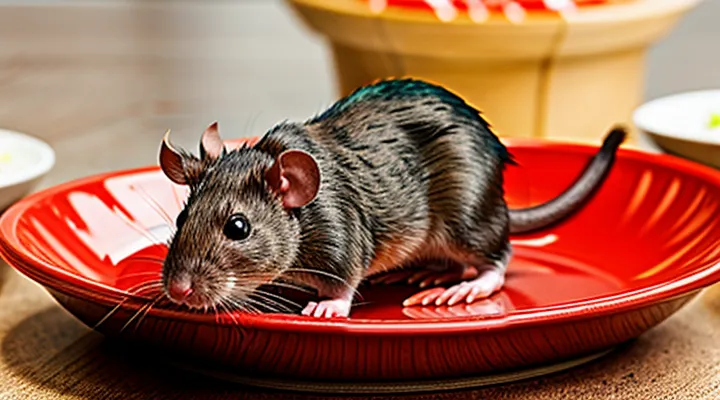
Understanding Imitation Crab Sticks
What Are Imitation Crab Sticks?
Ingredients and Manufacturing Process
Imitation crab sticks are composed primarily of surimi, a paste made from white-fleshed fish such as pollock or hake. The typical ingredient list includes:
- Surimi (fish protein isolate)
- Starch (wheat, potato, or corn)
- Egg white or albumin
- Sugar
- Salt
- Flavor enhancers (monosodium glutamate, hydrolyzed vegetable protein)
- Artificial crab flavor (often derived from natural extracts)
- Colorants (caramel, paprika extract)
- Preservatives (sodium benzoate, potassium sorbate)
The manufacturing process follows a defined sequence:
- Fish preparation – fillets are minced, washed, and centrifuged to remove fat and water, yielding a concentrated protein paste.
- Ingredient blending – surimi is mixed with starch, egg white, salt, sugar, and additives to achieve the desired texture and taste.
- Forming – the blended mass is extruded through molds that shape the sticks and imprint the characteristic flake pattern.
- Cooking – formed sticks undergo steam or hot-water cooking at 80‑90 °C for several minutes, which sets the protein matrix.
- Cooling and packaging – sticks are rapidly chilled, sliced if necessary, and sealed in airtight containers with a protective coating to prevent oxidation.
Understanding these components and steps is essential for evaluating whether the product is safe for rodent consumption. High protein content and low fat may be acceptable, but the presence of salt, sugar, flavor enhancers, and preservatives poses potential health risks for rats.
Nutritional Profile of Imitation Crab
Imitation crab, often labeled as surimi, consists mainly of minced white fish (typically Alaskan pollock) blended with starch, egg white, sugar, salt, and flavor enhancers. The product is shaped, cooked, and coated to resemble crab meat, resulting in a low‑fat, high‑protein seafood analogue.
Typical macronutrient composition per 100 g of imitation crab sticks:
- Calories: 95–110 kcal
- Protein: 12–14 g
- Carbohydrates: 8–10 g (including added sugars)
- Fat: 1–2 g (mostly unsaturated)
- Sodium: 500–700 mg
Micronutrients are limited. The product supplies modest amounts of vitamin B12 and selenium derived from the fish base, but lacks significant calcium, iron, or vitamin D. Additives commonly include:
- Modified starch (to improve texture)
- Sorbitol or other sugar alcohols (as humectants)
- Monosodium glutamate (flavor enhancer)
- Artificial crab flavoring (often containing natural extracts)
Rats require a diet high in protein (approximately 18–20 % of calories), low in saturated fat, and moderate in sodium. The protein level in imitation crab meets rat requirements, while the fat content remains within acceptable limits. Sodium concentration, however, exceeds typical rodent feed recommendations (150–250 mg per 100 g), posing a risk of hypertension or renal strain if consumed regularly. Sugar alcohols such as sorbitol can cause gastrointestinal upset in rodents when ingested in large quantities. The presence of MSG is generally tolerated but may stimulate excessive appetite.
In summary, the nutritional profile of imitation crab provides adequate protein and low fat but introduces high sodium and added sugars that are unsuitable for routine inclusion in a rat’s diet. Occasional, limited portions could be safe, provided the overall daily sodium intake remains below recommended thresholds.
Rat Dietary Needs
Essential Nutrients for Rats
Protein Requirements
Rats require dietary protein that constitutes 14–16 % of total calories, roughly 2.5–3 g per 100 g of body weight per day for adult individuals. Essential amino acids such as lysine, methionine, and tryptophan must be supplied in adequate ratios to support growth, tissue repair, and immune function.
Imitation crab sticks consist primarily of surimi—a processed fish paste—combined with starch, sugar, and flavor enhancers. Typical commercial formulations contain 5–8 % protein by weight, 1–2 % sodium, and 15–20 % carbohydrate. A standard 20‑g stick provides approximately 1 g of protein and 300 mg of sodium.
- Protein: ~1 g per 20 g stick (5 % of weight)
- Sodium: 300 mg per stick (≈13 % of recommended daily limit for rats)
- Carbohydrate: 3 g per stick
- Fat: <0.5 g per stick
The protein contribution from a single stick falls well below the daily requirement for a 200‑g rat, which needs about 4–6 g of protein. Moreover, the amino‑acid profile of surimi lacks sufficient levels of certain essential amino acids compared with rodent‑specific feed formulations.
High sodium and the presence of additives (e.g., monosodium glutamate, artificial flavorings) increase the risk of electrolyte imbalance, renal stress, and gastrointestinal irritation. Regular consumption could lead to reduced appetite for nutritionally balanced chow and compromise overall health.
Occasional offering of imitation crab sticks as a treat is permissible if the primary diet supplies complete protein at the recommended percentage. Limit exposure to one stick per week, monitor intake, and ensure constant access to water to mitigate sodium load. Primary nutrition should remain a formulated rodent diet engineered to meet established protein requirements.
Vitamin and Mineral Needs
Rats may encounter imitation crab sticks in household settings, prompting evaluation of whether the product satisfies their nutritional requirements. The assessment hinges on the alignment between the snack’s nutrient profile and the established vitamin and mineral needs of the species.
Rats require a balanced supply of fat‑soluble and water‑soluble vitamins to support growth, reproduction, and immune function. Key vitamins include:
- Vitamin A (retinol) – vision, epithelial health
- Vitamin D3 (cholecalciferol) – calcium metabolism
- Vitamin E (tocopherol) – antioxidant protection
- Vitamin K – blood coagulation
- B‑complex (B1, B2, B3, B5, B6, B7, B9, B12) – energy metabolism, nervous system maintenance
- Vitamin C – not essential; rats synthesize it endogenously
Mineral requirements are equally critical. Essential minerals for rats comprise:
- Calcium – bone formation, muscle contraction
- Phosphorus – energy transfer, skeletal health
- Magnesium – enzymatic reactions, nerve transmission
- Potassium – cellular function, fluid balance
- Sodium – nerve impulse conduction, electrolyte equilibrium
- Zinc – DNA synthesis, immune response
- Iron – hemoglobin production, oxygen transport
- Copper – iron metabolism, connective tissue development
- Selenium – antioxidant enzyme activity
Typical imitation crab sticks contain primarily purified fish protein, starch, and flavor enhancers. Their standard composition provides moderate protein, low fat, and elevated sodium levels. Vitamin fortification is limited, often restricted to small amounts of vitamin B12 and occasional vitamin E. The product lacks adequate calcium, phosphorus, and most fat‑soluble vitamins, and it supplies negligible zinc, iron, and selenium. Consequently, the snack does not meet the comprehensive micronutrient spectrum required for rat health.
Occasional, minimal inclusion of imitation crab sticks may be tolerated without immediate toxicity, but reliance on the item as a dietary source fails to satisfy essential vitamin and mineral needs. For optimal nutrition, rat diets should prioritize formulated rodent chow enriched with the full complement of required micronutrients, supplemented only with fresh fruits, vegetables, and appropriate protein sources.
Foods to Avoid for Rats
Toxic Ingredients for Rats
Imitation crab sticks are processed seafood analogues that frequently contain additives unsuitable for rodent consumption. Many of these additives are safe for humans but can cause acute or chronic toxicity in rats because of differences in metabolism and digestive physiology.
- Sodium bisulfite and other sulfites – act as preservatives; can induce respiratory distress and hemolytic anemia in rodents.
- Artificial flavor enhancers (e.g., monosodium glutamate, disodium inosinate) – may trigger kidney stress and electrolyte imbalance.
- High levels of sodium chloride – lead to dehydration, hypertension, and electrolyte disorders.
- Sugar substitutes such as xylitol – toxic to rats, causing rapid insulin release, hypoglycemia, and potential liver failure.
- Food dyes (e.g., Red 40, Yellow 5) – associated with gastrointestinal irritation and possible carcinogenic effects in long‑term studies.
- Starch binders treated with chemical cross‑linkers – can impede nutrient absorption and cause intestinal obstruction.
Rats lack the enzymatic pathways to detoxify these substances efficiently. Feeding imitation crab sticks introduces multiple hazards that outweigh any nutritional benefit. The safest approach is to avoid offering such processed seafood analogues to rats and provide a diet composed of species‑appropriate grains, vegetables, and protein sources.
High-Sodium and High-Sugar Foods
Imitation crab sticks are manufactured with elevated concentrations of sodium and sugar, ingredients that exceed the nutritional thresholds suitable for laboratory or pet rats.
Excess sodium disrupts fluid regulation in rodents. It elevates blood pressure, imposes stress on renal function, and can precipitate edema. Rats ingesting sodium‑rich foods may exhibit increased thirst, reduced appetite, and signs of cardiovascular strain.
Excess sugar accelerates caloric intake without providing essential nutrients. It predisposes rats to weight gain, insulin resistance, and alterations in gut microbiota. Chronic exposure can lead to hyperglycemia, reduced locomotor activity, and shortened lifespan.
Key health concerns associated with high‑sodium, high‑sugar processed seafood analogs:
- Hypertension and renal overload
- Fluid imbalance and edema
- Obesity and metabolic syndrome
- Diabetes‑type glucose dysregulation
- Gastrointestinal microbiome disruption
Given these risks, feeding imitation crab sticks to rats is inadvisable. A diet that prioritizes low‑sodium, low‑sugar components supports optimal growth, cardiovascular stability, and metabolic health.
Potential Risks of Feeding Imitation Crab to Rats
Concerns Regarding Ingredients
Sodium Content
Imitation crab sticks, also known as surimi products, contain a high concentration of sodium due to the brining and flavoring processes used in their manufacture. A standard 30‑gram serving typically provides 400–500 mg of sodium, representing roughly 18–22 % of the daily reference intake for humans. For laboratory rats, the recommended sodium intake is approximately 0.2 % of the diet by weight, which translates to about 200 mg per kilogram of body weight per day.
Excess sodium can disrupt the rat’s electrolyte balance, increase blood pressure, and impair kidney function. When evaluating the suitability of these sticks for rodent consumption, consider the following points:
- Sodium per 30 g serving: 400–500 mg
- Recommended rat dietary sodium: 0.2 % of total feed weight
- Potential health effects of excess sodium: hypertension, renal stress, dehydration
If a rat consumes a single stick, the sodium load may exceed the animal’s daily allowance by a factor of two to three, depending on its size and existing diet. Repeated exposure would compound the risk of physiological disturbances. Consequently, the sodium content alone makes imitation crab sticks unsuitable as a regular component of a rat’s diet.
Artificial Additives and Preservatives
Imitation crab sticks are manufactured from surimi, a processed fish paste, and contain a range of artificial additives and preservatives that affect their suitability for rodent consumption.
Typical additives include:
- Flavor enhancers such as monosodium glutamate (MSG) and disodium inosinate; they stimulate taste receptors in humans but can cause hyperexcitability and renal stress in rats at high doses.
- Sweeteners like sucrose or high‑fructose corn syrup; rodents metabolize simple sugars rapidly, leading to potential hyperglycemia and obesity when fed regularly.
- Starches and binders (wheat or corn starch, modified cellulose); generally digestible but may introduce gluten‑related issues in susceptible rats.
- Colorants (e.g., carmine, artificial yellow 5); some synthetic dyes have been linked to hepatic enzyme induction and behavioral changes in laboratory rodents.
- Preservatives such as sodium benzoate, potassium sorbate, and BHA/BHT; effective against microbial growth but can cause gastrointestinal irritation and liver enzyme alteration when ingested repeatedly.
Research on rodent tolerance indicates that most additives are safe within the limits established for human food, yet rats exhibit lower thresholds for certain compounds. For example, MSG toxicity manifests at concentrations above 0.5 g kg⁻¹ body weight, while sodium benzoate becomes hepatotoxic near 1 g kg⁻¹.
Consequently, feeding imitation crab sticks to rats introduces artificial substances that may exceed species‑specific tolerances, especially if the sticks form a regular part of the diet. Monitoring intake, limiting frequency, and selecting products with minimal additive lists reduce the risk of adverse health effects.
Sugar and Corn Syrup
Sugar and corn syrup are common ingredients in imitation crab sticks, providing sweetness, texture, and moisture. In the assessment of rat consumption, these sweeteners merit specific attention because rodents process carbohydrates differently from humans.
Rats possess a high capacity for digesting simple sugars, yet excess intake can lead to rapid blood‑glucose spikes, gastrointestinal upset, and long‑term metabolic disturbances. Corn syrup, primarily composed of glucose and fructose, presents a similar risk profile. Both substances lack nutritional value for rats and may displace essential proteins and fats required for healthy growth.
Key considerations for evaluating the safety of feeding imitation crab sticks to rats:
- Caloric density: Sugar and corn syrup contribute a substantial portion of the product’s calories, potentially causing obesity when included in a regular diet.
- Digestive tolerance: High concentrations can provoke diarrhea or bloating, especially in young or compromised individuals.
- Metabolic impact: Repeated exposure may predispose rats to insulin resistance and hepatic lipidosis.
- Additive interaction: Sweeteners often accompany preservatives and flavor enhancers, which can compound toxicity.
If a rat ingests a small, accidental piece of imitation crab stick, the immediate risk from sugar and corn syrup alone is low. However, intentional or frequent feeding introduces the hazards listed above and deviates from a nutritionally balanced rodent diet. The prudent approach is to avoid offering imitation crab sticks altogether and to provide foods formulated for rats’ specific dietary requirements.
Choking Hazards and Digestive Issues
Texture and Consistency
Imitation crab sticks are composed of surimi—a paste of white-fleshed fish that has been washed, minced, and formed into a cylindrical shape. The product’s texture is deliberately soft, with a smooth surface that yields easily under light pressure. Internally, the flesh exhibits a fibrous network that mimics the flake of real crab, yet the fibers are shorter and more uniformly aligned. Moisture content typically ranges from 55 % to 65 %, providing a supple, slightly elastic bite.
Rats possess continuously growing incisors designed for gnawing hard materials and molars that crush softer foods. Their oral muscles can generate sufficient force to separate the outer layer of the stick, but the overall softness means the teeth encounter minimal resistance. The fibrous interior breaks apart readily, allowing the animal to ingest small pieces without extensive mastication.
Key aspects of texture and consistency that affect rat consumption include:
- Soft outer skin: yields to gentle bite, reducing risk of dental strain.
- Moisture level: high water content keeps the product pliable, minimizing choking hazards.
- Fiber length: short, uniform fibers fragment easily, facilitating swallowing.
- Firmness: moderate firmness prevents the stick from disintegrating into a paste that could obstruct the esophagus.
Overall, the engineered softness and controlled moisture of imitation crab sticks align with a rat’s chewing capabilities, allowing the animal to break down the product without excessive effort or danger of blockage.
Potential for Allergies
Rats can ingest surimi‑based crab sticks, but the product contains several allergenic components that may trigger immune responses. Primary concerns include crustacean proteins, which are known to cause hypersensitivity in many mammals, and food‑grade additives such as soy, wheat gluten, and monosodium glutamate that can act as secondary allergens.
Allergic reactions in rats typically manifest as:
- Respiratory distress (labored breathing, wheezing)
- Dermatological signs (scratching, hair loss, erythema)
- Gastrointestinal upset (vomiting, diarrhea, reduced appetite)
- Behavioral changes (lethargy, agitation)
Observation of these indicators after a trial feeding is essential. An initial test should involve a minimal portion (approximately 1 g for a 250‑g rat) administered once, followed by a 24‑hour monitoring period. If any symptoms arise, discontinue the food and consult a veterinarian.
For owners seeking a safe crustacean substitute, consider offering plain, cooked fish or shrimp that have been thoroughly rinsed to remove seasoning and preservative residues. These alternatives reduce exposure to processed additives while still providing comparable protein content.
Safe Alternatives and Treats for Rats
Healthy Protein Sources
Cooked Chicken or Fish
Rats that are offered imitation crab sticks require a comparison with more traditional protein sources. Cooked chicken and cooked fish provide reliable alternatives because they contain high‑quality protein, essential amino acids, and minimal additives.
Cooked chicken delivers lean muscle tissue, low fat, and no bone fragments when shredded or diced. It supplies taurine and vitamin B12, nutrients that support rodent vision and nervous system function. Proper preparation—boiling or baking without seasoning, oil, or skin—eliminates sodium and preservatives that could harm the animal.
Cooked fish, such as salmon or whitefish, offers omega‑3 fatty acids and vitamin D, both beneficial for cardiovascular health and bone development. The fish must be deboned, cooked thoroughly, and served plain to avoid parasites and excess sodium.
Feeding guidelines:
- Offer 1–2 g of cooked chicken or fish per 100 g of body weight, divided into two daily portions.
- Ensure the meat is at room temperature before serving to prevent digestive shock.
- Rotate between chicken and fish weekly to provide a balanced nutrient profile.
- Observe the rat for signs of intolerance, such as loose stools or reduced activity, and discontinue the offending protein if symptoms appear.
Hard-Boiled Eggs
Hard‑boiled eggs are a protein‑rich food that can be offered to rats in moderation. Egg whites provide high‑quality amino acids, while yolks contain fat, cholesterol, vitamins A, D, E, and B‑complex, as well as minerals such as iron and selenium. The digestibility of cooked egg is superior to raw egg, reducing the risk of biotin deficiency that can arise from avidin in uncooked whites.
When evaluating whether rats can safely consume imitation crab sticks, the primary concerns are the presence of artificial additives, high sodium levels, and potential allergens. Hard‑boiled eggs lack these additives and present a natural nutrient source, making them a safer alternative for occasional treats.
Key considerations for feeding hard‑boiled eggs to rats:
- Portion size: limit to a small piece (approximately ½ teaspoon) per adult rat, no more than twice weekly.
- Preparation: ensure the egg is fully cooked, cooled, and free of seasoning, salt, or oil.
- Health monitoring: observe for signs of digestive upset or allergic reaction after introduction.
- Balance: integrate eggs within a diet dominated by commercial rodent pellets, fresh vegetables, and limited fruit.
In contrast, imitation crab sticks typically contain processed fish protein, starch, sugar, and flavor enhancers. Their high sodium content can strain a rat’s kidneys, and artificial flavors may provoke gastrointestinal irritation. While occasional ingestion of a tiny fragment is unlikely to cause acute toxicity, regular feeding poses nutritional imbalances that hard‑boiled eggs avoid.
Therefore, hard‑boiled eggs serve as a nutritionally superior, low‑risk supplement for rats, whereas imitation crab sticks should remain an infrequent, minimal‑exposure item, if offered at all.
Safe Fruits and Vegetables
Appropriate Portion Sizes
Imitation crab sticks are processed seafood analogues with a moderate protein content, low fat, and elevated sodium. Rats can tolerate occasional exposure, but the amount must remain within safe nutritional limits.
A typical adult rat weighing about 250 g may receive no more than 0.5 g of imitation crab stick per day. This quantity supplies roughly 2 % of the animal’s daily caloric requirement and keeps sodium intake below 0.1 % of the recommended maximum for rodents. Larger rats (300–350 g) can be offered up to 0.7 g, while juveniles under 150 g should not exceed 0.2 g.
Key considerations for portion control:
- Weight‑based scaling: calculate the portion as 0.2 % of the rat’s body mass (e.g., 0.5 g for a 250 g rat).
- Frequency: limit feedings to once every 24 hours; do not provide daily servings.
- Observation: monitor for signs of digestive upset, excessive thirst, or altered behavior; discontinue if any appear.
- Complementary diet: ensure the primary diet remains a balanced rodent pellet or mash; treat the imitation crab stick as a supplement, not a staple.
Adhering to these limits prevents excess sodium and maintains overall dietary balance while allowing rats to experience the occasional novelty of imitation crab sticks.
Washing and Preparation
Imitation crab sticks intended for rodent consumption must be cleaned and prepared to eliminate contaminants and reduce sodium content. Rinse each stick under cold running water for 10–15 seconds, then pat dry with a paper towel. Transfer the sticks to a shallow dish, cover with fresh water, and soak for 5 minutes to leach excess salt. Discard the soaking water, rinse again briefly, and cut the sticks into bite‑size pieces no larger than a rat’s paw.
- Rinse under cold water (10–15 s).
- Pat dry with disposable paper towel.
- Soak in fresh water (5 min) to reduce sodium.
- Rinse once more, then dice into ≤1 cm pieces.
After preparation, store the portions in an airtight container in the refrigerator and use within 24 hours to maintain freshness and prevent bacterial growth.
Commercial Rat Treats
Reading Ingredient Labels
Reading ingredient labels is the most reliable method for deciding whether a processed seafood product is suitable for a rodent diet. The label supplies the complete list of components, their order of predominance, and any added substances that could affect health.
When evaluating a product that mimics crab meat, follow these steps:
- Identify the primary protein source. Acceptable options for rats include fish or plant‑based proteins; avoid products that list meat by‑products or unidentified “surimi” without clear composition.
- Scan for common rat toxins: onion powder, garlic, leeks, chives, and related Allium extracts. Presence of any of these compounds disqualifies the item.
- Check for preservatives such as sodium benzoate, BHA, BHT, or nitrites. These chemicals can cause liver stress in rodents and should be excluded.
- Look for flavor enhancers like monosodium glutamate (MSG) or disodium inosinate. These additives may trigger digestive upset.
- Verify the sodium content; levels above 0.3 % are excessive for small mammals.
- Note artificial colors (e.g., Red 40, Yellow 5). Pigments have no nutritional benefit and may be harmful.
- Confirm the absence of added sugars or sweeteners, especially xylitol, which is toxic to many animals.
Interpretation of the listed ingredients determines safety. If the protein is derived from plain fish and the product lacks Allium extracts, high‑level preservatives, MSG, excessive sodium, artificial dyes, and sugar substitutes, the item may be considered non‑toxic from an ingredient standpoint. However, the texture and processing of imitation crab sticks are designed for human consumption; they often contain binding agents and starches that provide little nutritional value for rats.
Practical guidance: compare the examined list with established rat food guidelines, consult a veterinarian before introducing any new item, and monitor the animal for any adverse reaction after the first exposure.