
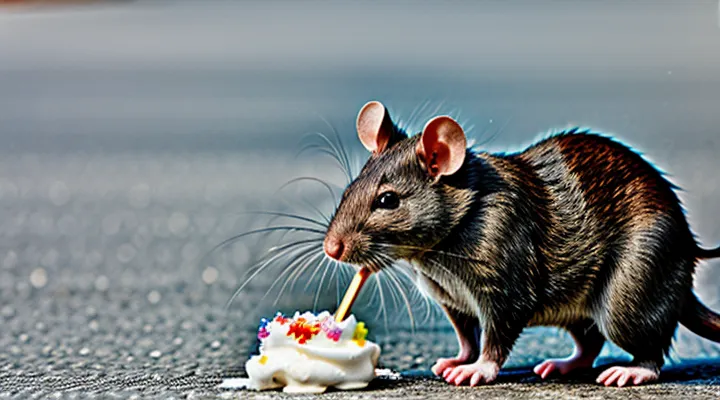
Understanding Rat Dietary Needs
What Do Rats Normally Eat?
Essential Nutrients for Rats
Rats require a balanced diet to maintain growth, reproduction, and immune function. When evaluating frozen desserts as a treat, the comparison must focus on how such foods align with the species’ nutritional baseline.
Key nutrients for a healthy rat include:
- Protein (18‑25 % of diet): Sources such as soy, fish, or egg provide essential amino acids for tissue repair.
- Fat (4‑6 % of diet): Animal or plant oils supply energy and aid absorption of fat‑soluble vitamins.
- Carbohydrates (45‑55 % of diet): Whole grains and legumes deliver glucose for immediate energy.
- Fiber (5‑7 % of diet): Insoluble fiber from vegetables and bran supports gastrointestinal motility.
- Vitamins A, D, E, K: Required for vision, calcium metabolism, antioxidant protection, and blood clotting; typically supplied by fortified lab chow.
- Minerals: Calcium, phosphorus, magnesium, zinc, and selenium maintain bone health, enzymatic activity, and immune response.
- Water: Continuous access prevents dehydration and aids nutrient transport.
Ice cream contributes primarily sugars and saturated fats, with negligible protein, fiber, or micronutrients. Regular inclusion can displace the essential components listed above, leading to deficiencies or metabolic strain. Small, occasional portions may be tolerated if the core diet remains uncompromised, but they do not provide any of the critical nutrients rats need for optimal health.
Foods to Avoid in a Rat’s Diet
Rats may be tempted by chilled desserts, yet many ingredients common in such treats pose serious health risks. Understanding which foods are unsafe prevents gastrointestinal distress, obesity, and toxic reactions.
- Chocolate: contains theobromine, which rats metabolize poorly, leading to cardiac arrhythmia and seizures.
- Caffeine: stimulates the nervous system excessively, causing tremors and hyperactivity.
- Sugary syrups and honey: promote rapid weight gain and dental decay.
- Dairy products with high lactose: rats lack sufficient lactase, resulting in diarrhea and abdominal pain.
- Artificial sweeteners (e.g., xylitol): can cause hypoglycemia and liver failure.
- Processed meats and salty snacks: high sodium levels strain kidneys and elevate blood pressure.
- Citrus peels and acidic fruits: irritate the digestive lining and may cause ulceration.
Ice cream typically combines several of these hazards—sugar, lactose, and sometimes chocolate or coffee flavorings. Even low‑fat varieties retain enough lactose to trigger digestive upset, while added flavorings may introduce toxic compounds. Small, occasional servings of plain, unsweetened yogurt can be tolerated, but they should not replace a balanced rodent diet.
Safe alternatives for a cold treat include frozen banana slices, unsweetened pumpkin puree, or a few crushed freeze‑dried vegetables. These options provide moisture and texture without the harmful additives found in most commercial desserts.
Providing only nutritionally appropriate foods protects rats from acute toxicity and long‑term health complications. Regularly reviewing ingredient lists and eliminating prohibited items ensures a stable, disease‑free environment.
The Ice Cream Dilemma: Risks and Considerations
Ingredients in Ice Cream Harmful to Rats
Sugar Content and Its Effects
Rats metabolize sugars rapidly, but the high concentration typical of frozen desserts can overwhelm their physiological limits. Simple carbohydrates raise blood glucose within minutes, prompting a surge of insulin release. In rodents, this response is often exaggerated, leading to transient hypoglycemia once insulin peaks. Repeated exposure to sugary treats can cause chronic hyperglycemia, weight gain, and increased risk of insulin resistance.
Key physiological impacts of excessive sugar intake in rats:
- Elevated blood glucose levels within 30 minutes of consumption.
- Rapid insulin spikes followed by potential post‑prandial hypoglycemia.
- Accumulation of adipose tissue, especially visceral fat, due to caloric surplus.
- Development of dyslipidemia, characterized by higher triglycerides and lower HDL cholesterol.
- Increased incidence of dental decay, as sucrose fosters oral bacterial growth.
Behavioral observations support these findings. Rats offered sugary ice cream display heightened activity shortly after ingestion, then enter a period of lethargy corresponding to falling glucose. Over weeks, preference for sweet foods intensifies, reinforcing a cycle of overconsumption.
Veterinary guidelines recommend limiting added sugars in rodent diets to less than 5 % of total caloric intake. When evaluating frozen treats, consider the total sugar content per serving, the presence of artificial sweeteners, and the overall nutritional balance. Substituting low‑sugar alternatives or offering plain frozen yogurt can reduce metabolic strain while still providing a cold stimulus.
Dairy Products and Lactose Intolerance
Rats possess a limited capacity to digest lactose, the sugar found in most dairy products. Their small intestine produces low levels of lactase, the enzyme that splits lactose into glucose and galactose for absorption. When lactose reaches the colon undigested, bacterial fermentation generates gas, acidity, and osmotic pressure, leading to gastrointestinal distress.
Key characteristics of lactose intolerance in rats:
- Diarrhea or loose stools within hours after ingestion of dairy.
- Abdominal bloating and flatulence caused by bacterial gas production.
- Reduced appetite and weight loss if exposure is chronic.
- Potential dehydration from fluid loss.
Commercial ice cream typically contains 3–5 % lactose, along with fat, sugar, and stabilizers. Even small quantities can overwhelm a rat’s lactase supply, triggering the symptoms listed above. Some ice cream formulations replace dairy milk with lactose‑free alternatives (e.g., soy, almond, or coconut bases), which eliminate the risk of lactose‑induced upset while preserving the cold, sweet texture.
When evaluating whether a rat can safely consume a frozen treat, consider the following criteria:
- Verify the product’s lactose content; a label indicating “lactose‑free” or “dairy‑free” confirms safety.
- Assess portion size; minimal exposure (a bite‑size sample of a lactose‑free treat) reduces metabolic load.
- Monitor the animal after ingestion for any signs of digestive disturbance; immediate cessation of feeding is advisable if symptoms appear.
In summary, traditional dairy ice cream poses a high likelihood of inducing lactose intolerance symptoms in rats due to their insufficient lactase activity. Selecting lactose‑free frozen foods or limiting exposure to negligible amounts mitigates adverse effects while allowing the animal to experience a cold treat.
Artificial Sweeteners and Additives
Rats that come into contact with frozen desserts often ingest products containing non‑nutritive sweeteners and food‑grade additives. These compounds alter the nutritional profile of the treat and introduce variables that affect rodent health.
Artificial sweeteners commonly found in ice‑cream formulations include aspartame, sucralose, saccharin and acesulfame‑K. In laboratory studies, rats metabolize aspartame to phenylalanine, methanol and formaldehyde; the resulting blood concentrations remain below toxic thresholds when intake is limited to 50 mg kg⁻¹ day⁻¹, a level comparable to human acceptable daily intake. Sucralose resists digestion, passes through the gastrointestinal tract largely unchanged, and produces no measurable adverse effects at doses up to 500 mg kg⁻¹ day⁻¹. Saccharin and acesulfame‑K exhibit low acute toxicity, but chronic exposure above 150 mg kg⁻¹ day⁻¹ has been linked to bladder hyperplasia in susceptible strains.
Food additives serve functional purposes in frozen desserts. The most relevant categories for rodent consumption are:
- Emulsifiers (e.g., mono‑ and diglycerides, lecithin): facilitate fat dispersion; high concentrations can disrupt intestinal mucosa, leading to mild inflammation.
- Stabilizers (e.g., carrageenan, guar gum, xanthan gum): increase viscosity; excessive intake may cause fermentation by gut bacteria, producing gas and diarrhea.
- Flavor enhancers (e.g., vanillin, ethyl maltol): generally recognized as safe; occasional allergic reactions reported in outbred populations.
- Synthetic colorants (e.g., Red 40, Yellow 5): metabolized to aromatic amines; chronic exposure above 100 mg kg⁻¹ day⁻¹ correlates with hepatic enzyme induction.
When evaluating risk, dose remains the decisive factor. A standard serving of ice cream (≈30 g) provides less than 0.5 g of sweetener and additive mixture, well below the established no‑observed‑adverse‑effect levels for most compounds. However, repeated feeding of multiple servings can accumulate exposure, especially in small laboratory rats weighing 200–250 g.
Practical guidance: limit frozen treat portions to a single small scoop per week, monitor for signs of gastrointestinal upset, and avoid formulations that list high‑potency sweeteners or multiple synthetic colorants. Under these conditions, artificial sweeteners and additives do not pose immediate toxicity, but they should not replace a balanced diet in rodent care.
Chocolate and Other Toxic Ingredients
Chocolate contains theobromine and caffeine, both metabolized far slower by rodents than by humans. Even small amounts can cause rapid heart rate, tremors, seizures, and death. Toxicity appears at approximately 100 mg of theobromine per kilogram of body weight; a single square of dark chocolate can exceed this dose for an average laboratory rat.
Other ice‑cream components pose similar risks:
- Xylitol: induces rapid insulin release, leading to hypoglycemia and hepatic failure.
- Caffeine: amplifies central nervous system stimulation, producing arrhythmias.
- Artificial sweeteners (e.g., sucralose, saccharin): may disrupt gut flora and cause gastrointestinal distress.
- High‑fat dairy: overwhelms the rat’s digestive capacity, resulting in pancreatitis.
- Nuts (especially macadamia) and raisins: linked to muscle weakness and renal impairment.
Safe alternatives include plain, unsweetened yogurt or low‑fat cottage cheese, offered in small quantities. Any treat should be introduced gradually, with observation for adverse reactions.
Potential Health Issues from Feeding Rats Ice Cream
Digestive Upset and Diarrhea
Rats that consume frozen desserts often experience gastrointestinal disturbances. Lactose, the primary sugar in most dairy treats, is poorly digested by many rodents because they lack sufficient lactase enzyme activity. Undigested lactose remains in the intestine, where bacterial fermentation produces gas and osmotic pressure that draw water into the lumen, resulting in loose stools.
High fat content contributes additional stress. Fat slows gastric emptying, prolongs exposure of the intestinal lining to irritants, and can trigger bile acid malabsorption. Both mechanisms increase the likelihood of diarrhea.
Cold temperature itself may impair normal motility. Sudden ingestion of chilled food can cause a temporary reduction in intestinal smooth‑muscle activity, delaying transit and allowing bacterial overgrowth, which further aggravates stool consistency.
Typical signs of digestive upset after a rat eats ice cream include:
- Frequent, watery feces
- Abdominal swelling or cramping
- Decreased appetite
- Lethargy
If symptoms appear, remove the treat immediately, provide fresh water, and monitor for dehydration. Persistent diarrhea warrants veterinary assessment, as prolonged fluid loss can be fatal for small mammals.
Obesity and Related Health Problems
Rats that regularly consume frozen desserts accumulate excess calories, leading to increased adipose tissue. The high sugar content of most ice‑cream formulations provides a rapid source of energy that surpasses the metabolic demands of a small rodent, especially when paired with low activity levels common in captive environments.
The physiological response to excessive sweet, cold foods includes elevated insulin secretion, reduced leptin sensitivity, and altered gut microbiota composition. Insulin spikes promote lipogenesis, while impaired leptin signaling diminishes satiety cues, creating a feedback loop that accelerates weight gain. Cold temperatures may also slow gastric emptying, extending the period during which nutrients are absorbed.
Consequences of obesity in rats extend beyond body mass:
- Cardiovascular strain, manifested as hypertension and reduced cardiac output.
- Impaired glucose tolerance, increasing the risk of type‑2 diabetes.
- Joint degeneration due to excessive load on skeletal structures.
- Respiratory difficulties, including obstructive sleep‑related events.
- Shortened lifespan resulting from systemic inflammation and organ dysfunction.
Preventive measures—limiting sugary frozen treats, providing balanced nutrition, and encouraging physical activity—directly mitigate these health risks. Continuous monitoring of body condition scores enables early detection of weight excess, allowing timely intervention before chronic disease develops.
Diabetes Risk
Sugar‑rich frozen desserts cause rapid elevation of blood glucose in rats. When a rat ingests ice cream, glucose enters the bloodstream within minutes, prompting a surge in insulin secretion to restore normoglycemia. Repeated exposure forces the pancreas to produce higher insulin volumes, increasing the likelihood of beta‑cell fatigue.
Elevated post‑prandial glucose and chronic hyperinsulinemia create conditions favorable to insulin resistance. Experimental groups receiving daily portions of sweetened frozen treats show:
- Higher fasting glucose levels after two weeks
- Reduced insulin sensitivity measured by glucose tolerance tests
- Early markers of pancreatic stress, such as increased pro‑insulin ratios
Long‑term consumption correlates with a higher incidence of type 2‑like diabetes in rodent models. The risk intensifies when ice cream is combined with high‑fat content, as adiposity further impairs insulin signaling pathways.
To mitigate diabetes risk, researchers advise:
- Limiting sugary cold treats to occasional, minimal portions
- Substituting low‑glycemic sweeteners or unsweetened dairy alternatives
- Monitoring body weight and fasting glucose in experimental cohorts
These measures reduce the metabolic load associated with sweet frozen foods and help maintain normal glucose regulation in rats.
Dental Problems
Rats possess continuously growing incisors that require regular wear to prevent overgrowth. Introducing frozen sugary treats adds a combination of sugar exposure and temperature stress that can interfere with normal dental maintenance.
- High‑sugar content promotes bacterial proliferation, leading to enamel demineralization and cavity formation.
- Cold temperatures cause rapid contraction of tooth material, increasing the risk of micro‑cracks that accelerate wear.
- Excessive softness of ice‑cream reduces the natural abrasive action needed to file down incisors, potentially resulting in malocclusion.
- Persistent exposure to sugary residues fosters plaque buildup, which can progress to periodontal inflammation and bone loss.
Mitigation strategies include limiting frozen desserts to occasional, low‑sugar portions; providing hard, fibrous chew items such as wooden blocks or untreated twine to encourage natural filing; and scheduling routine veterinary dental examinations to detect early signs of decay or misalignment.
The Allure of Cold Treats for Rats
Why Rats Might Seem to Enjoy Ice Cream
Rats display a marked interest in ice‑cream because the treat activates several sensory pathways that are highly rewarding for the species. Sweetness stimulates the gustatory receptors that are tuned to detect simple sugars, which provide rapid energy. The cold temperature engages thermoreceptors in the oral cavity, producing a refreshing sensation that contrasts with the warm environments rats usually inhabit.
The combination of sugar and fat in ice‑cream triggers the brain’s reward circuitry, releasing dopamine in the nucleus accumbens. This neurochemical response reinforces the behavior, making the animal more likely to seek the treat again. Laboratory observations confirm that rats will perform simple tasks, such as pressing a lever, to obtain a small amount of frozen dessert.
Additional factors that can create the impression of enjoyment include:
- Novelty: a new texture and temperature can attract exploratory behavior.
- Conditioning: repeated exposure paired with positive outcomes (e.g., food reward) strengthens preference.
- Social learning: rats observing conspecifics consuming the treat may imitate the action.
Overall, the interplay of taste, temperature, and reward mechanisms explains why rats often appear to relish ice‑cream when it is offered.
The Appeal of Novelty and Sweetness
Rats possess a well‑developed gustatory system that detects sugars and fats with high sensitivity. Sweetness signals readily available energy, while cold temperatures provide a novel sensory stimulus uncommon in typical rodent habitats. This combination triggers exploratory feeding behavior, especially when the offering differs from standard laboratory chow.
Key elements that make chilled sugary treats attractive to rats include:
- Taste receptor activation – Tas1r2/Tas1r3 receptors respond strongly to sucrose and artificial sweeteners, prompting immediate consumption.
- Thermal contrast – Cold temperatures stimulate transient receptor potential channels (TRPM8), creating a distinct mouthfeel that stands out from ambient food sources.
- Novelty bias – Rats display reduced neophobia when a novel item is paired with a familiar palatable cue, accelerating acceptance of unfamiliar foods.
- Energy density – High carbohydrate content offers rapid caloric intake, supporting the animal’s high metabolic rate.
The appeal of novelty and sweetness therefore stems from an intersection of sensory perception, physiological reward pathways, and adaptive foraging strategies, explaining why rats are inclined to sample ice‑cream‑like substances when presented.
Safer Alternatives to Ice Cream for Rats
Healthy and Rat-Friendly Frozen Treats
Frozen Fruits and Vegetables
Frozen fruits and vegetables can serve as a low‑calorie alternative to dairy‑based cold treats for laboratory and pet rats. The natural sugars in berries, apples, and melons provide quick energy, while leafy greens supply fiber and essential micronutrients. When offered frozen, the texture mimics the sensory experience of ice cream without introducing lactose, which many rodents cannot digest.
Benefits of frozen produce include:
- Reduced risk of gastrointestinal upset compared with dairy desserts.
- High water content that supports hydration during warm months.
- Presence of antioxidants (e.g., vitamin C in strawberries, beta‑carotene in carrots) that may counteract oxidative stress from a high‑sugar diet.
Potential concerns:
- Large pieces can cause choking; cut into bite‑size portions before freezing.
- Some fruits contain fructose levels that may promote obesity if over‑fed; limit to 1–2 grams per 100 grams of body weight daily.
- Freezer burn reduces palatability; store in airtight containers and use within three months.
Preparation guidelines:
- Wash all produce thoroughly to remove pesticides.
- Blanch hardy vegetables (e.g., broccoli, peas) for 30 seconds to preserve color and texture, then cool in ice water.
- Spread pieces on a parchment‑lined tray; freeze until solid, then transfer to a sealed bag.
When introducing frozen items, observe the rat’s reaction for signs of discomfort or refusal. Gradual incorporation, paired with a balanced pellet diet, maintains nutritional equilibrium while offering a cold, flavorful stimulus that aligns with the sensory appeal of traditional ice‑based treats.
Homemade Rat-Safe Popsicles
Rats can tolerate frozen treats when the ingredients are carefully selected. A homemade popsicle designed for rodents should contain only safe, low‑sugar components and avoid dairy, artificial sweeteners, and high‑fat foods.
Ingredients
- Fresh fruit puree (e.g., banana, apple, or berries) – no added sugar.
- Plain unsweetened yogurt or kefir (optional, for protein) – use a small amount to keep calcium levels moderate.
- Water or low‑sodium vegetable broth for dilution.
- A pinch of powdered calcium supplement (optional, for bone health).
Preparation steps
- Blend fruit puree with water or broth until smooth.
- If using yogurt or kefir, mix in 1–2 teaspoons per cup of puree.
- Add calcium powder if desired, stirring thoroughly.
- Pour the mixture into ice‑cube trays or small silicone molds.
- Freeze for at least 4 hours, until solid.
Feeding guidelines
- Offer one pop per rat, no larger than a ½‑inch cube.
- Limit consumption to 2–3 times per week to prevent excess sugar and dairy intake.
- Observe the animal for signs of gastrointestinal upset; discontinue if vomiting or diarrhea occurs.
Safety notes
- Exclude chocolate, xylitol, nuts, and citrus seeds, all of which are toxic to rats.
- Ensure the popsicle is fully thawed to a soft consistency before serving to avoid dental strain.
- Store leftovers in a sealed container at –18 °C; discard after 48 hours to prevent bacterial growth.
Properly formulated frozen treats provide hydration, enrichment, and a modest source of vitamins without compromising a rat’s health.
General Guidelines for Feeding Treats to Rats
Moderation and Frequency
Rats can tolerate small amounts of frozen desserts, but the benefits and risks depend on how often and how much is offered. Excessive consumption introduces high levels of sugar, dairy fats, and artificial additives, which may lead to obesity, dental decay, and gastrointestinal upset. Even low‑calorie varieties can disrupt the gut microbiome if presented too frequently.
Guidelines for safe inclusion:
- Serve no more than one teaspoon (≈5 g) of plain, low‑sugar ice cream per week.
- Choose products without added sugars, artificial sweeteners, or flavorings that contain toxic ingredients such as xylitol.
- Observe the rat’s weight, coat condition, and stool consistency after each serving; discontinue if adverse changes appear.
- Alternate frozen treats with fresh vegetables or fruit to provide fiber and nutrients.
Consistent moderation protects against metabolic strain while allowing occasional enrichment. Maintaining a predictable schedule—once weekly or less—prevents habituation and preserves the novelty that contributes to behavioral well‑being.
Introducing New Foods Safely
Rats may be tempted by frozen desserts, but any novel food requires a controlled introduction to avoid digestive upset or toxic reactions. Veterinarians advise that the safety of a cold treat depends on its composition, temperature, and the animal’s individual health status.
Safe introduction protocol
- Verify that all ingredients are rat‑compatible; exclude dairy, excessive sugar, artificial sweeteners, and flavorings such as chocolate or vanilla extract.
- Prepare a minimal portion (no more than ½ teaspoon) at room temperature to assess palatability before chilling.
- Offer the sample once, observe for signs of distress—vomiting, diarrhea, lethargy—within a two‑hour window.
- If the rat tolerates the test, gradually increase the serving size, maintaining a maximum of 1 teaspoon per week.
- Store any remaining treat at a safe temperature (below 4 °C) and discard leftovers after 24 hours to prevent bacterial growth.
Regular monitoring and adherence to these steps ensure that introducing chilled novelties does not compromise rat health while satisfying curiosity.
Responsible Pet Ownership and Rat Health
Prioritizing a Balanced Diet
Rats thrive on a diet that supplies protein, fiber, vitamins, and minerals in proportions that support growth, reproduction, and immune function. Introducing a cold treat such as ice cream adds sugar, fat, and dairy components that do not align with these nutritional requirements.
- Protein sources (e.g., lean meat, beans, eggs) should constitute the largest caloric share.
- Fiber from whole grains, vegetables, and fruits aids digestion and prevents gastrointestinal issues.
- Micronutrients are supplied by leafy greens, carrots, and fortified pellets.
- Water remains essential for hydration and metabolic processes.
When a rat receives ice cream, the excess simple carbohydrates can disrupt blood glucose regulation, while lactose may cause digestive distress because many adult rats lack sufficient lactase activity. Occasional, minimal exposure—no more than a teaspoon of a low‑sugar, lactose‑free formulation—reduces risk but does not replace the need for a balanced regimen.
To maintain dietary integrity while satisfying curiosity about cold treats, consider the following protocol:
- Verify the ice cream contains no artificial sweeteners or high levels of saturated fat.
- Offer a single small portion no more than once per month.
- Observe the animal for signs of diarrhea, lethargy, or reduced appetite after consumption.
- Reinforce the primary diet with fresh vegetables and high‑quality protein within 24 hours.
Prioritizing a well‑balanced diet ensures that occasional indulgences do not compromise overall health, growth rates, or longevity in laboratory or pet rats.
Consulting a Veterinarian for Dietary Concerns
When a pet rat shows interest in frozen desserts, owners must verify safety through professional guidance. A veterinarian possesses the expertise to evaluate nutritional suitability, identify potential allergens, and recommend appropriate portions if any dairy product is acceptable.
Before the appointment, collect the following information:
- Current diet composition, including commercial pellets, fresh produce, and occasional treats.
- Frequency and quantity of ice‑cream exposure, if already attempted.
- Observed reactions such as diarrhea, lethargy, or changes in behavior.
During the consultation, the veterinarian will assess the rat’s digestive physiology, test for lactose intolerance, and advise whether a lactose‑free alternative or a completely different treat is advisable. The professional may also suggest supplemental nutrients to offset any deficiencies that could arise from an occasional cold treat.
Following the vet’s recommendations ensures that any indulgence aligns with the animal’s health requirements and prevents avoidable gastrointestinal complications.