
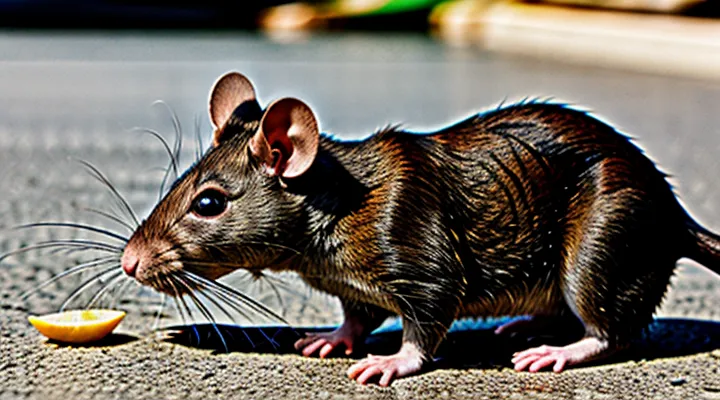
Potential Dangers of Fried Fish for Rats
High Fat Content and Digestive Issues
Rats can physically ingest fried fish, but the dish’s elevated fat concentration poses immediate nutritional concerns. Laboratory data indicate that rodent diets exceeding 15 % fat trigger rapid weight gain and impair insulin sensitivity. Fried fish often contains 20–30 % fat, far above the optimal range for laboratory‑bred rats, which are accustomed to diets near 5 % fat.
Excessive lipid intake overwhelms the rat’s pancreatic enzymes, leading to delayed gastric emptying and potential pancreatitis. The small intestine struggles to emulsify large oil droplets, resulting in malabsorption and loose stools. Chronic exposure to high‑fat meals encourages hepatic steatosis and cardiovascular strain.
Key health implications:
- Rapid increase in body mass index
- Elevated blood triglycerides and cholesterol
- Impaired glucose tolerance
- Pancreatic inflammation
- Diarrhea and nutrient malabsorption
Given these physiological responses, offering fried fish to rats is inadvisable for both short‑term comfort and long‑term health.
Harmful Additives and Seasonings
Rats that consume fried fish are exposed to a range of additives and seasonings commonly used in commercial preparation. High sodium levels increase the risk of hypertension and renal strain in rodents, while excessive potassium chloride, often employed as a salt substitute, can disrupt electrolyte balance and cause cardiac arrhythmias. Preservatives such as sodium nitrite and BHA/BHT are linked to oxidative stress and carcinogenic processes in laboratory studies. Monosodium glutamate (MSG) stimulates excessive glutamate receptors, leading to excitotoxic damage in the central nervous system of rats.
Typical seasoning blends contain onion powder, garlic powder, and black pepper, each presenting specific hazards. Sulfides in onion and garlic generate toxic metabolites that can cause hemolytic anemia in rodents. Piperine, the active compound in black pepper, enhances the absorption of other toxins, potentially amplifying the effects of co‑administered additives.
Common harmful additives in fried fish:
- Sodium chloride (excessive salt)
- Sodium nitrite (preservative)
- BHA/BHT (antioxidant stabilizers)
- Monosodium glutamate (flavor enhancer)
- Onion and garlic powders (sulfur compounds)
- Black pepper extract (piperine)
Avoiding or limiting these substances reduces the likelihood of adverse health outcomes in rats that ingest fried fish. Substituting low‑sodium, preservative‑free preparations and using mild herbs such as parsley or dill minimizes toxic exposure while preserving palatability.
Risk of Choking from Bones
Rats may be offered fried fish as a treat, but the presence of small, hard bones creates a significant choking hazard. Bones can become lodged in the oral cavity, pharynx, or esophagus, obstructing airflow and preventing normal swallowing. An obstruction can rapidly lead to asphyxiation, especially in smaller rodents whose airway diameter is limited.
Key factors that increase the risk include:
- Bone size relative to the rat’s jaw and throat dimensions.
- The tendency of rats to gnaw rapidly, reducing the chance to detect sharp edges.
- The oily nature of fried fish, which can mask the texture of bone fragments.
If a rat ingests a bone, immediate signs may include coughing, audible choking sounds, difficulty breathing, or sudden collapse. Veterinary intervention is required to remove the obstruction; delays can result in irreversible damage or death.
To mitigate the danger, any fish offered to rats should be thoroughly deboned, with all pinbones and residual fragments removed. Alternatively, provide only fish flesh that has been cooked and mashed, ensuring a smooth consistency that eliminates the possibility of bone-related choking.
Bacterial Contamination Risks
Rats that are offered fried fish are exposed to bacterial hazards inherent in the cooking process and the fish itself. Heat may not eliminate all microorganisms, especially if the fish is undercooked, reheated, or stored improperly, creating a vector for pathogenic infection.
Common bacterial agents found in improperly handled fried fish include:
- Salmonella spp.
- Listeria monocytogenes
- Escherichia coli O157:H7
- Staphylococcus aureus toxin producers
These pathogens can cause gastrointestinal distress, septicemia, and secondary complications in rodents. Preventive measures consist of sourcing fish from reputable suppliers, cooking to an internal temperature of at least 165 °F (74 °C), cooling rapidly, and storing at refrigeration temperatures below 40 °F (4 °C) for no more than 48 hours. Regular health monitoring of rats receiving fish treats is essential to detect early signs of bacterial infection.
Nutritional Value of Fish for Rats
Benefits of Cooked, Unfried Fish
Cooked, non‑fried fish provides a reliable source of high‑quality protein, delivering all essential amino acids required for rapid tissue growth and repair in rodents. The protein is readily digestible, minimizing metabolic strain during absorption.
Omega‑3 fatty acids, particularly EPA and DHA, are preserved in gently heated fish. These polyunsaturated lipids support neuronal development, enhance visual acuity, and contribute to anti‑inflammatory processes that protect cardiovascular health.
Vitamins A, D, and B‑complex, along with minerals such as selenium, iodine, and phosphorus, remain stable after mild cooking. These micronutrients regulate immune function, bone mineralization, and thyroid activity, ensuring balanced physiological performance.
Low fat content distinguishes boiled or steamed fish from fried alternatives. Reduced lipid load decreases the likelihood of obesity, hepatic steatosis, and pancreatitis, while facilitating smoother gastrointestinal transit.
Key benefits of cooked, unfried fish:
- Complete, highly digestible protein
- Retained omega‑3 fatty acids for neural and anti‑inflammatory support
- Stable vitamin and mineral profile
- Minimal added fats, lowering caloric density
- Decreased risk of oil‑related toxins and gastrointestinal irritation
Incorporating gently cooked fish into a rodent diet supplies essential nutrients without the adverse effects associated with high‑oil frying methods.
Essential Nutrients in Plain Fish
Plain fish supplies a range of nutrients that are highly bioavailable to rodents. High‑quality protein accounts for the majority of the fish’s dry matter, providing essential amino acids required for tissue growth, enzyme synthesis, and immune function. The protein profile includes lysine, methionine, and tryptophan, which are often limiting in grain‑based rodent diets.
Omega‑3 long‑chain polyunsaturated fatty acids, chiefly eicosapentaenoic acid (EPA) and docosahexaenoic acid (DHA), are abundant in fish muscle. These fatty acids support neural development, reduce inflammatory processes, and contribute to membrane fluidity. Their presence can complement the typically higher omega‑6 content of standard rodent feeds.
Vitamins in plain fish are concentrated in the muscle and skin. Vitamin B12 (cobalamin) is present in amounts that meet or exceed the daily requirement for a typical laboratory rat, facilitating red blood cell formation and neurological health. Vitamin D, primarily D3, assists calcium absorption and bone mineralization. Small quantities of vitamin A and vitamin E provide additional antioxidant protection.
Mineral content includes:
- Selenium: essential for glutathione peroxidase activity, protecting cells from oxidative damage.
- Iodine: required for thyroid hormone synthesis, influencing metabolism and growth.
- Phosphorus: supports skeletal development and energy metabolism.
- Magnesium and potassium: contribute to nerve transmission and muscle contraction.
The nutrient profile of unseasoned fish is free of added salts, fats, or carbohydrates that could disrupt a rat’s electrolyte balance. However, the high fat content in some species may increase caloric density, necessitating portion control to avoid obesity. When incorporating plain fish into a rat’s diet, balance it with standard chow to maintain overall nutrient ratios and prevent deficiencies in fiber and certain micronutrients not supplied by fish.
In summary, the essential nutrients found in plain fish—complete protein, omega‑3 fatty acids, B‑complex vitamins, vitamin D, and key minerals—provide valuable dietary components for rats, provided that portion sizes are managed and the fish is offered without excessive oil or seasoning.
Safe Alternatives to Fried Fish
Rat-Safe Fish Options
Rats may ingest fish, but the preparation method determines safety. Frying introduces high levels of oil, salt, and potentially toxic additives, which can cause gastrointestinal irritation, obesity, and liver stress in rodents. To offer fish as a protein source without these risks, select species with low mercury content, minimal bone structure, and a mild flavor that rats typically accept.
- White‑bait (e.g., tilapia, cod, haddock) – lean flesh, low fat, easy to debone; suitable when steamed or boiled.
- Salmon (fresh, not smoked) – rich in omega‑3 fatty acids; provide small portions cooked without oil.
- Trout (freshwater) – similar nutritional profile to salmon; serve cooked plainly.
- Sardines (canned in water, drained) – soft texture, high calcium; use only the flesh, discard skins and bones.
- Mackerel (fresh, grilled without seasoning) – abundant in essential fatty acids; limit quantity due to higher caloric density.
When introducing any fish, follow these protocols: remove all bones, avoid seasoning, limit serving size to 5–10 % of the daily diet, and monitor for signs of digestive upset. Consistently providing fresh water and a balanced staple diet of grains, fruits, and vegetables ensures that fish remains a supplemental, not primary, nutrient source.
Other Protein Sources for Rats
Rats require high‑quality protein to support growth, reproduction, and immune function. Commercial rodent diets typically provide adequate protein, but supplemental sources can enhance variety and nutritional balance.
Common safe protein options include:
- Cooked, unseasoned chicken breast or turkey, shredded into bite‑size pieces.
- Hard‑boiled eggs, peeled and chopped; the yolk supplies essential fatty acids and vitamins.
- Live or dried insects such as mealworms, crickets, and superworms, which deliver complete amino acid profiles.
- Low‑fat dairy products, for example plain Greek yogurt or cottage cheese, offered in small quantities.
- Plant‑based proteins like cooked lentils, peas, or soybeans, provided they are thoroughly cooked to eliminate antinutrients.
When introducing new proteins, observe the rat’s reaction for signs of digestive upset or allergies. Limit portions to no more than 10 % of the daily caloric intake to prevent obesity and nutrient imbalance. Avoid processed meats, seasoned foods, and any items containing salt, spices, or additives, as these can cause renal stress and gastrointestinal irritation.
Regular rotation of protein sources reduces the risk of dietary monotony and ensures a broader spectrum of micronutrients, contributing to overall health and longevity.
Recommended Diet for Pet Rats
Balanced Diet Components
Rats require a diet that supplies protein, carbohydrates, fats, vitamins, minerals, and water in appropriate proportions. Protein supports growth and tissue repair; carbohydrates provide energy; fats supply essential fatty acids and assist in vitamin absorption; vitamins and minerals regulate metabolic processes; water maintains hydration and physiological balance.
- Protein: 15‑20 % of total calories; sources include lean meat, eggs, soy, and insects.
- Carbohydrates: 45‑55 % of total calories; derived from grains, fruits, and vegetables.
- Fats: 5‑10 % of total calories; obtained from nuts, seeds, and low‑fat animal products.
- Vitamins & Minerals: supplied by a variety of fresh produce and fortified rodent pellets.
- Water: continuously available, clean, and fresh.
Fried fish delivers high‑quality protein but also introduces excess oil, salt, and potential contaminants from the cooking process. The elevated fat content can disrupt the recommended 5‑10 % fat proportion, while added sodium may strain renal function. Moreover, the batter or seasoning often contains ingredients toxic to rodents, such as garlic or onion powder.
When considering fried fish as an occasional supplement, limit the portion to no more than 5 % of daily caloric intake, ensure the fish is deboned and free of seasoning, and remove residual oil. Regular feeding should rely on nutritionally balanced rodent chow that meets the outlined component ratios.
Foods to Avoid for Pet Rats
Pet rats require a diet that mimics their natural omnivorous habits while avoiding items that can cause illness or nutritional imbalance. Processed foods, especially those high in fat, salt, and artificial additives, are unsuitable for their delicate digestive systems.
Foods to avoid for pet rats include:
- Fried fish and other deep‑fried proteins
- Processed meats (e.g., bacon, sausage, deli slices)
- Salty snacks such as chips, pretzels, and seasoned nuts
- Sugary treats like candy, chocolate, and baked goods
- Dairy products (milk, cheese, yogurt) due to lactose intolerance
- Citrus fruits and acidic juices, which can irritate the stomach
- Raw beans, especially kidney beans, which contain toxic lectins
- Caffeinated or alcoholic beverages
These items pose risks ranging from gastrointestinal upset to long‑term organ damage. Providing a balanced diet of high‑quality rodent pellets, fresh vegetables, fruits in moderation, and occasional lean protein ensures optimal health for pet rats.