
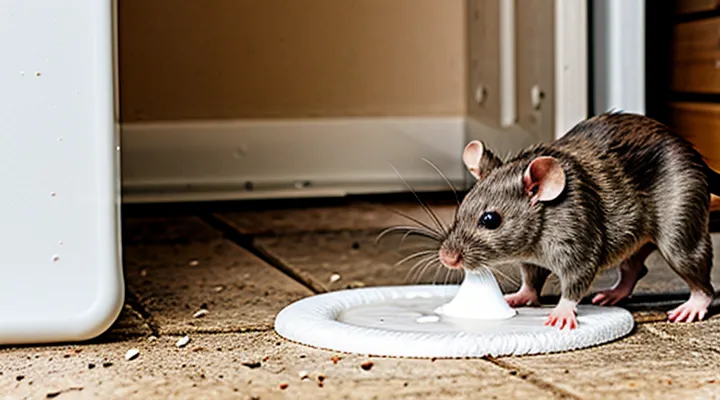
Understanding Expanding Foam
What is Expanding Foam?
Chemical Composition
Expanding foam is a polymeric material created through a rapid exothermic reaction between polyols and isocyanates. The reaction produces a rigid, cellular matrix that expands to fill cavities. Primary constituents include:
- Polyether or polyester polyols, which act as the backbone of the polymer.
- Di- or polyisocyanates (commonly methylene diphenyl diisocyanate, MDI, or toluene diisocyanate, TDI) that react with polyols to form urethane linkages.
- Blowing agents such as water, hydrofluorocarbons, or low‑boiling hydrocarbons, generating gas bubbles that create the foam’s cellular structure.
- Catalysts (typically amine‑based) that accelerate the polymerization reaction.
- Surfactants that stabilize the foam cells.
- Additives, including fire retardants, pigments, and fillers, tailored to specific applications.
The chemical profile renders the cured foam inert and mechanically stable, but uncured or partially cured foam contains reactive isocyanates and volatile solvents. These compounds are toxic when ingested, inhaled, or absorbed through mucous membranes. Rats that gnaw on expanding foam are exposed to:
- Unreacted isocyanates, which can cause severe irritation of the gastrointestinal tract and systemic toxicity.
- Residual solvents and blowing agents, which may lead to central nervous system depression.
- Hardened polymer, which is indigestible and can cause mechanical obstruction in the digestive system.
Thus, the composition of expanding foam presents both chemical and physical hazards that render it unsuitable for consumption by rodents.
Common Uses and Applications
Expanding polyurethane foam serves primarily as a sealant, insulator, and adhesive in construction, automotive repair, and packaging. Its rapid expansion fills gaps, creates airtight barriers, and bonds disparate materials without additional fasteners.
Typical applications include:
- Sealing wall cavities, windows, and door frames to improve thermal efficiency.
- Anchoring fixtures, such as handrails or brackets, to concrete or masonry.
- Protecting fragile items during shipment by cushioning and void‑filling.
- Repairing automotive panels, filling dents, and reinforcing structural components.
When assessing the safety of rodents ingesting this material, the chemical composition—primarily isocyanates and blowing agents—poses acute toxicity. Even minimal consumption can trigger respiratory distress, gastrointestinal irritation, and systemic poisoning. Therefore, any instance of rats accessing uncured foam presents a serious health hazard.
Preventive measures involve securing foam containers, applying cured foam only in inaccessible areas, and inspecting for residual uncured material after projects. These steps reduce the risk of rodent exposure while preserving the functional benefits of expanding foam in its intended uses.
The Dangers of Expanding Foam for Rats
Toxicity of Components
Isocyanates and Polyols
Expanding polyurethane foam consists of two reactive components: isocyanates and polyols. When mixed, isocyanates (commonly di‑isocyanates such as MDI or TDI) react with polyols (polyether or polyester polyols) to form a polymer network that expands and hardens. The reaction releases heat and generates a solid matrix that can trap air.
Isocyanates are highly reactive chemicals that act as strong respiratory and skin irritants. In rodents, inhalation of isocyanate vapors can cause bronchoconstriction, pulmonary edema, and acute inflammation. Direct oral exposure can damage mucous membranes and provoke systemic toxicity, including liver and kidney stress.
Polyols present lower acute toxicity than isocyanates, but ingestion of large quantities can lead to osmotic diarrhea, electrolyte imbalance, and gastrointestinal irritation. Polyol solutions are hygroscopic; excessive intake may result in dehydration.
Risks associated with a rat consuming expanding foam include:
- Chemical irritation from residual isocyanates
- Physical obstruction of the gastrointestinal tract by solidified polymer
- Potential systemic toxicity from absorbed monomers
- Secondary infections due to tissue damage
Overall, the combination of reactive isocyanates and polymerizing polyols makes ingesting expanding foam hazardous for rodents. Preventing access to foam products is essential to avoid acute poisoning and mechanical injury.
Other Additives and Catalysts
Expanding foam formulations typically contain a base polymer, a blowing agent, and a range of auxiliary chemicals that control cure rate, foam density, and surface properties. Among these, surfactants, flame retardants, and silicone oils are common. Surfactants reduce surface tension, enabling uniform cell formation; most are non‑toxic to mammals at the concentrations used, but ingestion can cause gastrointestinal irritation in rodents. Flame retardants, often halogen‑based or organophosphate compounds, inhibit combustion but may present acute toxicity if a rat chews a substantial amount of foam. Silicone oils act as release agents and improve flexibility; they are chemically inert and unlikely to produce adverse effects unless large quantities are consumed.
Catalysts accelerate the polymerization reaction that transforms liquid components into solid foam. Two principal categories appear in commercial products:
- Amine catalysts (e.g., tertiary amines such as triethylenediamine). These increase the rate of isocyanate–polyol reaction. Ingestion can lead to respiratory irritation and, in high doses, central nervous system depression.
- Metal‑based catalysts (e.g., tin compounds like dibutyltin dilaurate). They promote cross‑linking and improve foam stability. Tin catalysts exhibit low acute toxicity but may cause liver stress if a rat ingests significant foam mass.
When assessing the risk of rodent exposure, the presence of these additives and catalysts determines the severity of potential harm. Non‑reactive components (silicone oils, certain surfactants) pose minimal danger, whereas reactive chemicals (amines, organophosphates, tin catalysts) can produce toxicity after ingestion. Consequently, any evaluation of rat consumption of expanding foam must account for the specific additive and catalyst profile of the product in question.
Physical Hazards
Ingestion Risks
Rats that chew or swallow expanding foam face immediate chemical and mechanical dangers. The foam’s primary components—polyols, isocyanates, and volatile solvents—are toxic when ingested. Isocyanates can irritate mucous membranes and disrupt cellular metabolism, while residual solvents may cause central nervous system depression.
The polymerization process creates rapid volume increase. When a rat ingests uncured material, the expanding mass can fill the stomach and intestines, producing obstruction, pressure necrosis, and perforation. Physical blockage often leads to vomiting, abdominal distension, and loss of appetite.
Typical acute reactions include:
- Salivation and oral irritation
- Persistent coughing or labored breathing
- Diarrhea or bloody stools
- Lethargy and tremors
- Sudden collapse or death
Chronic exposure, even at sub‑lethal doses, may result in liver and kidney impairment, weakened immune response, and reduced reproductive capacity. Repeated ingestion of foam residues can accumulate in tissues, amplifying toxic effects over time.
Preventive measures rely on limiting access. Store unopened cans in sealed containers, dispose of partially used cans according to hazardous‑waste guidelines, and inspect premises for foam fragments. Regular monitoring of rodent activity helps identify early signs of ingestion before severe outcomes develop.
Obstruction and Internal Damage
Rats that ingest expanding polyurethane foam face immediate gastrointestinal blockage. The material expands rapidly, forming a solid mass that cannot be broken down by digestive enzymes. This solid mass can lodge in the esophagus, stomach, or intestines, halting the passage of food and fluids.
Consequences of blockage include:
- Rapid onset of vomiting and regurgitation.
- Severe abdominal distension and pain.
- Dehydration from inability to ingest liquids.
- Potential perforation of the intestinal wall if pressure exceeds tissue tolerance.
- Secondary infection from bacterial translocation across damaged mucosa.
Internal damage extends beyond mechanical obstruction. Chemical components of the foam, such as isocyanates, can irritate mucosal linings, leading to inflammation, ulceration, and necrosis. Persistent exposure may compromise the integrity of the gastrointestinal tract, resulting in chronic digestive dysfunction.
Prompt veterinary intervention is required. Treatment typically involves imaging to locate the obstruction, surgical removal of the solidified foam, and supportive care to address dehydration, pain, and infection risk. Early detection improves survival odds and reduces long‑term complications.
Suffocation Hazards
Expanding polyurethane foam contains chemicals that react to moisture, producing a rapid increase in volume. When a rat bites or gnaws the material, the reaction can continue inside the animal’s mouth and respiratory tract.
The foam’s expansion creates a solid mass that can block the trachea or obstruct the nasal passages. Even a small amount can fill the upper airway, preventing oxygen flow and leading to rapid asphyxiation. The solidified polymer does not dissolve, so the blockage remains until the animal is removed from the source or dies.
- Immediate swelling of the throat or mouth after contact
- Labored breathing, gasping, or silence within minutes
- Inability to swallow or chew, leading to drooling or regurgitation
- Loss of consciousness followed by death if the obstruction is not cleared
Preventive measures include sealing foam containers, storing them out of reach of rodents, and inspecting areas where foam has been applied for signs of gnawing. If exposure is suspected, prompt removal of the animal from the foam and veterinary intervention are required to attempt airway clearance.
Why Rats are Attracted to Expanding Foam
Nesting Material
Expanding foam is a polymer that hardens into a rigid, lightweight mass. When applied, it releases isocyanates and other chemicals that remain trapped in the cured structure. Rats attracted to soft, insulated spaces may encounter foam while building nests, but the material is not digestible and poses health hazards if ingested.
- Isocyanates can cause respiratory irritation and systemic toxicity.
- Hardened foam presents a choking hazard and can cause gastrointestinal blockage.
- Chemical residues may damage oral tissues and interfere with metabolic processes.
Because of these risks, expanding foam should not be considered a suitable nesting material for rats. Safer alternatives include:
- Untreated shredded paper.
- Cotton batting.
- Natural fibers such as hemp or sisal.
- Soft wood shavings.
These options provide insulation and structural support without the toxic and physical dangers associated with polymer foam.
Curiosity and Exploration
Rats are driven by innate curiosity that compels them to investigate unfamiliar materials, including synthetic polymers. When presented with expanding foam, their exploratory behavior involves sniffing, gnawing, and tactile assessment, actions that can expose them to the foam’s chemical components before the material cures.
- The foam consists primarily of isocyanates, polyols, and blowing agents; these substances are toxic if ingested or absorbed through mucous membranes.
- Initial contact may trigger a reflexive bite, but the rapid exothermic reaction that follows can cause tissue damage and respiratory irritation.
- Laboratory observations show that rats exposed to uncured foam exhibit signs of distress within minutes, including salivation, labored breathing, and reduced motor activity.
- Post‑mortem analysis frequently reveals lesions in the gastrointestinal tract and lungs, confirming systemic toxicity from the foam’s constituents.
The combination of exploratory gnawing and the foam’s hazardous chemistry makes accidental consumption highly dangerous. Preventive measures—such as securing foam containers and removing residual foam from environments where rodents are present—reduce the risk of exposure caused by the animals’ investigative instincts.
Preventing Rat Encounters with Expanding Foam
Proper Application Techniques
Sealing Gaps Effectively
Rats can gnaw expanding polyurethane foam, especially when it is not fully cured or when the foam is thin. Effective gap sealing therefore requires materials that resist rodent teeth and installation methods that eliminate entry points.
Use a layered approach: combine a hard, chew‑resistant barrier with a flexible sealant. Rigid options such as stainless‑steel mesh, metal flashing, or hardened cement board block penetration, while silicone‑based caulks or epoxy fill remaining cracks. Ensure each layer overlaps the previous by at least two inches to prevent rats from finding a straight path.
Key steps for durable sealing:
- Identify all potential entry points: holes around pipes, vents, foundation cracks, and gaps under doors.
- Clean surfaces of dust, grease, and debris to promote adhesion.
- Install a metal or hard‑plastic strip over the opening; secure with screws or rivets.
- Apply expanding foam only on the exterior side of the metal strip; allow full cure before trimming excess.
- Finish with a rodent‑proof sealant that adheres to both the foam and the surrounding material.
- Inspect regularly for signs of wear, chew marks, or new gaps; repair immediately.
Selecting products labeled as “rodent‑resistant” and following the layered method reduces the likelihood that rats will breach the barrier, even if they attempt to consume the foam itself.
Using Rat-Resistant Materials
Rats can gnaw through many types of insulation, including polyurethane foam, which raises concerns for building integrity and health hazards. Selecting materials that resist rodent damage limits exposure to foam fragments and prevents nests from forming within walls.
Effective rat-resistant options include:
- Rigid closed‑cell polyurethane panels with a density above 2 lb/ft³; their hardness deters chewing.
- Metal sheathing such as galvanized steel or aluminum, installed over foam layers to create an impenetrable barrier.
- Cement‑based spray foam, which hardens into a concrete‑like surface unsuitable for gnawing.
- High‑density fiberglass batts encased in vapor barriers, offering thermal protection without organic substrates.
- Polyethylene or PVC sheets, laminated over foam to block access while maintaining insulation performance.
Installation guidelines:
- Seal all entry points—gaps around pipes, vents, and electrical conduits—before applying rat-resistant layers.
- Overlap seams of metal or plastic barriers by at least 2 in. and secure with corrosion‑resistant fasteners.
- Apply a continuous coat of cementitious foam to eliminate exposed edges that could attract rodents.
- Conduct periodic inspections for signs of chewing, ensuring that protective layers remain intact.
Choosing these materials reduces the likelihood that rodents will ingest or damage expanding foam, preserving structural safety and indoor air quality.
Post-Application Cleanup
Removing Excess Foam
Expanding foam left on surfaces can attract rodents, which may chew or swallow fragments. Prompt removal of surplus material reduces the likelihood of accidental ingestion and limits exposure to chemical irritants.
- Allow the foam to cure fully according to the manufacturer’s specifications; uncured foam adheres to tools and skin, complicating cleanup.
- Use a rigid scraper or utility knife to cut away bulk excess while the material remains slightly pliable.
- Apply a solvent compatible with the foam type (e.g., acetone for polyurethane) to soften hardened residues; work in a well‑ventilated area and wear protective gloves.
- Collect softened foam with a disposable brush or vacuum equipped with a HEPA filter; discard in sealed waste containers.
- Inspect the treated area for hidden pockets or drips; repeat the removal process until the surface is smooth and free of protrusions.
After cleaning, seal the area with a non‑toxic coating or barrier to deter rodents from contacting any remaining foam particles. Regular visual checks ensure that no new buildup occurs, maintaining a safe environment for both property and wildlife.
Safe Disposal Methods
Expanding polyurethane foam poses a ingestion hazard for rodents, making proper disposal essential to prevent accidental consumption.
The most reliable practices include:
- Containment in sealed containers – transfer leftover foam and cured blocks into heavy‑duty plastic or metal bins with airtight lids before discarding.
- Labeling – mark each container with a hazard notice indicating “foam – not for animal exposure.”
- Segregated waste streams – place foam waste in a dedicated non‑organic trash line separate from food waste or compost.
- Professional hazardous‑material services – engage licensed collectors that handle polymeric residues, ensuring compliance with local regulations.
- Physical destruction – break cured foam into small pieces, then embed them in concrete or asphalt before disposal, eliminating the chance of rodents accessing the material.
- Chemical degradation (where permitted) – apply approved foam‑solvent agents in a controlled environment, then neutralize the resulting solution according to waste‑treatment guidelines.
Additional precautions:
- Store unused foam in locked cabinets away from areas where rodents travel.
- Inspect storage areas regularly for signs of gnawing or breach; repair any openings immediately.
- Maintain a clean environment to reduce attractants that might draw rodents near disposal sites.
Implementing these measures minimizes the risk of rats ingesting expanding foam and aligns disposal practices with safety standards.
Alternative Pest Control Methods
Trapping and Baiting
Rats will not digest polyurethane-based expanding foam; ingestion leads to gastrointestinal blockage, toxicity, or death. Consequently, the material cannot serve as a reliable attractant in trap designs. Effective trapping and baiting rely on substances that stimulate feeding behavior while remaining safe for non‑target species.
- Preferred baits: grain, peanut butter, dried fruit, or commercially formulated rodent lures. These items emit strong odors that activate the rat’s olfactory receptors and encourage approach.
- Trap selection: snap traps, live‑catch cages, and electronic devices provide rapid kill or humane capture. Each type requires proper placement along runways, near walls, or in concealed corners where rats travel.
- Placement strategy: position traps perpendicular to walls, with the trigger end facing the anticipated direction of movement. Space traps 1–2 feet apart in high‑activity zones to maximize encounter rates.
- Safety measures: wear gloves when handling traps, avoid using toxic chemicals that could contaminate food sources, and inspect traps daily to prevent prolonged suffering.
If expanding foam is considered for structural exclusion—sealing entry points—apply it after confirming all rodents have been removed. The foam expands quickly, filling gaps that rats could otherwise exploit, but it should never be mixed with bait or placed where rats might chew it.
Monitoring results: record capture dates, locations, and bait types. Adjust bait composition or trap density based on observed patterns. Consistent data collection enables identification of persistent pathways and informs targeted exclusion efforts.
In summary, trapping and baiting depend on edible attractants and appropriately positioned devices; expanding foam offers no nutritional lure and poses health risks if ingested, limiting its role to structural sealing after successful removal.
Exclusion and Proofing
Rats that encounter expanding foam face two primary risks: chemical toxicity and physical obstruction. The foam contains isocyanates and other reactive compounds that cause severe gastrointestinal irritation, respiratory distress, and potential organ failure when ingested. Solidified foam can block the esophagus or intestines, leading to fatal obstruction.
Exclusion strategies focus on denying access to foam during and after application. Effective measures include:
- Sealing entry points with metal flashing, concrete, or hardened silicone that rats cannot gnaw through.
- Installing mesh barriers (minimum 0.5 cm aperture) around foam‑filled cavities.
- Applying rodent‑resistant coatings, such as epoxy or polyurethane, over exposed foam surfaces.
Proofing involves reinforcing structures to prevent future infiltration. Recommended practices:
- Embed steel wool or copper mesh within foam layers before curing; the metal deters chewing.
- Coat cured foam with a thin layer of cementitious slurry, creating a non‑edible, durable skin.
- Conduct regular inspections of foam‑filled voids, repairing cracks or gaps with rodent‑proof sealant.
Combining physical barriers with chemical deterrents reduces the likelihood of rats attempting to consume or breach expanding foam, thereby protecting both the animals and the integrity of the installation.
Professional Pest Control
Rats are capable of chewing polyurethane expanding foam, especially when the material is still soft or not fully cured. Their incisors can bite through the thin outer skin, allowing access to the interior polymer. Ingested foam can cause gastrointestinal blockage, malnutrition, and potentially fatal complications.
Professional pest‑control operators use expanding foam primarily as a physical barrier rather than a toxic bait. Effective application requires:
- Fully curing the foam before exposure to rodents; cured foam becomes hard and resistant to chewing.
- Applying foam in sealed gaps where rats cannot reach the surface, such as behind wall panels, around conduit penetrations, and in floor voids.
- Combining foam barriers with traditional exclusion techniques, including steel mesh, concrete plugs, and weather‑striped doors.
- Conducting regular inspections to detect new entry points and repair them promptly.
When foam is used incorrectly, rats may gnaw through it, creating new pathways and spreading contamination. Therefore, pest‑control professionals recommend:
- Selecting high‑density, closed‑cell foam formulations designed for structural sealing.
- Allowing at least 24 hours for complete polymerization before exposing the area to rodent activity.
- Integrating foam with bait stations or traps positioned near potential entry zones to increase capture rates.
Overall, expanding foam can contribute to a comprehensive rodent‑management strategy when applied with proper curing time, appropriate product selection, and regular monitoring. It should never replace established exclusion and trapping methods but serve as a supplementary barrier within an integrated pest‑management program.