
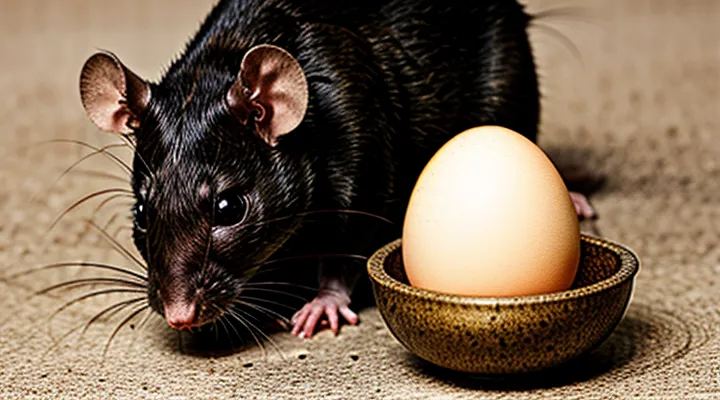
The Nutritional Value of Eggs for Rats
Key Nutrients in Eggs
Protein Content
Eggs provide a dense source of high‑quality protein, delivering roughly 6–7 g of protein per large egg, which corresponds to about 12 % of the egg’s fresh weight. The protein consists of all essential amino acids, with a particularly high proportion of lysine, methionine, and tryptophan, nutrients that rodents cannot synthesize and must obtain from their diet.
Rats require dietary protein levels of 14–18 % to support growth, reproduction, and tissue repair. A single egg can satisfy a substantial portion of a laboratory rat’s daily protein requirement, especially when incorporated into a balanced feed formulation. The protein efficiency ratio (PER) of egg protein exceeds 2.5, indicating superior utilization compared with many plant‑based proteins.
Key considerations when offering eggs to rats:
- Quantity: One half‑egg per 100 g of body weight supplies adequate protein without excessive caloric intake.
- Preparation: Cooking denatures avidin, a protein that binds biotin and can cause deficiency if raw egg whites are consumed in large amounts. Lightly boiled or scrambled eggs are recommended.
- Balance: Eggs should complement, not replace, other protein sources such as soy, fishmeal, or casein to ensure a complete amino acid profile and avoid excess cholesterol.
- Safety: Fresh eggs reduce the risk of Salmonella contamination; discard any cracked or spoiled eggs.
In summary, the protein content of eggs aligns well with the nutritional needs of rats, provided the eggs are prepared safely and integrated into a diversified diet.
Vitamin and Mineral Profile
Eggs provide a concentrated source of nutrients that can complement a laboratory rat’s diet when used sparingly. Their vitamin and mineral composition contributes to several physiological functions, but the balance of these micronutrients must align with the species’ specific requirements.
- Vitamin A: Approximately 140 µg per 100 g of whole egg; supports vision and epithelial health.
- Vitamin D: Roughly 2 µg per 100 g; aids calcium absorption and bone metabolism.
- Vitamin E (α‑tocopherol): About 1 mg per 100 g; functions as an antioxidant.
- Vitamin B‑12: Near 0.9 µg per 100 g; essential for red blood cell formation and neural function.
- Riboflavin (B‑2): 0.5 mg per 100 g; involved in energy production.
- Folate: 47 µg per 100 g; required for nucleotide synthesis.
Key minerals present in eggs include:
- Phosphorus: 200 mg per 100 g; critical for skeletal development and energy transfer.
- Selenium: 30 µg per 100 g; contributes to antioxidant enzymes.
- Iron: 1.2 mg per 100 g; necessary for hemoglobin synthesis.
- Zinc: 1 mg per 100 g; involved in immune response and enzyme activity.
- Calcium: 50 mg per 100 g; supports bone strength but is lower than in dairy sources.
When integrating eggs into a rat’s regimen, the following points are decisive:
- Micronutrient levels in eggs exceed the daily recommended intake for rodents; excessive vitamin A or D can cause toxicity.
- Balanced formulation requires limiting egg content to no more than 5 % of total caloric intake to avoid disproportionate mineral loading.
- Raw egg whites contain avidin, a protein that binds biotin and can induce deficiency; cooking denatures avidin and eliminates this risk.
- Regular monitoring of serum vitamin and mineral concentrations ensures that supplementation does not surpass safe thresholds.
Properly controlled inclusion of cooked egg can enrich a rat’s diet with high‑quality vitamins and minerals, provided that dosage and overall nutrient balance are carefully managed.
Benefits of Feeding Eggs to Rats
Supporting Growth and Development
Eggs provide a concentrated source of nutrients that can influence the growth and development of laboratory and pet rats when incorporated into a balanced diet.
Protein in eggs supplies essential amino acids such as lysine, methionine, and tryptophan, which are required for muscle synthesis and tissue repair. A single large egg contains approximately 6 g of high‑quality protein, representing a significant contribution to the daily protein requirement of an adult rat (≈ 2 g per 100 g body weight). When used as a supplemental protein source, eggs can accelerate lean‑mass gain during the juvenile phase.
Vitamins and minerals in egg yolk support multiple physiological processes:
- Vitamin A – promotes visual development and epithelial integrity.
- Vitamin D – facilitates calcium absorption, essential for bone mineralization.
- Vitamin B12 – necessary for red‑blood‑cell formation and nervous‑system maturation.
- Selenium – functions as an antioxidant, protecting developing cells from oxidative stress.
These micronutrients complement the typical rodent chow, which may lack sufficient bioavailable forms of the same compounds.
Inclusion of eggs must respect the rat’s overall caloric budget. Overfeeding can lead to excess fat deposition and increased serum cholesterol, potentially compromising cardiovascular health. Recommended practice:
- Offer a portion equivalent to 10–15 % of the total daily caloric intake, typically one‑quarter to one‑half of a hard‑boiled egg, divided into two feedings.
- Present the egg without added fats, seasonings, or sauces to avoid digestive irritation.
- Monitor body weight and coat condition weekly; adjust portion size if weight gain exceeds 2 % per week.
Prepared eggs also reduce the risk of pathogen transmission. Boiling or scrambling until fully set eliminates most bacterial contaminants, making the food safe for immunologically immature pups.
In summary, eggs can serve as an effective nutritional adjunct for rats, delivering protein, essential amino acids, and fat‑soluble vitamins that support skeletal growth, muscular development, and immune competence, provided that portion size and preparation are carefully managed.
Enhancing Coat Health
Eggs provide high‑quality protein, essential fatty acids, and vitamins that support the development of a glossy, resilient fur coat in pet rodents. The albumin and yolk contain amino acids necessary for keratin synthesis, while omega‑3 and omega‑6 fatty acids contribute to skin moisture and reduce brittleness.
Key nutrients influencing coat condition:
- Protein (albumin): supplies building blocks for hair fibers.
- Biotin (vitamin B7): promotes keratin formation and reduces shedding.
- Vitamin A: regulates skin cell turnover, preventing dryness.
- Vitamin E: acts as an antioxidant, protecting skin from oxidative damage.
- Essential fatty acids: maintain lipid balance, improve shine and flexibility.
Introducing eggs into a rat’s diet requires moderation. Excess cholesterol and saturated fat may lead to obesity, hepatic strain, or digestive upset. Raw eggs carry a risk of bacterial contamination; cooking eliminates pathogens while preserving most nutrients.
Practical feeding recommendations:
- Offer a single, small (approximately ¼ large egg) boiled or scrambled portion once or twice weekly.
- Ensure the primary diet remains a balanced commercial rodent pellet formulated for complete nutrition.
- Observe the animal for signs of intolerance, such as diarrhea or changes in weight, and discontinue if adverse effects appear.
- Complement egg intake with a source of fresh water and a diet rich in fiber to support gastrointestinal health.
When applied correctly, occasional egg supplementation can enhance coat quality without compromising overall health.
Boosting Energy Levels
Eggs provide a concentrated source of protein, fat, and micronutrients that can elevate the metabolic output of laboratory rodents. When incorporated into a rat’s diet, the high‑quality amino acids support muscle maintenance, while the lipid fraction supplies readily oxidizable fuel for immediate activity. Vitamin B12 and choline, abundant in egg yolk, facilitate mitochondrial efficiency, which translates into measurable increases in locomotor speed and endurance during standard maze or treadmill tests.
Key considerations for using eggs to boost energy in rats:
- Portion control – A single boiled egg yields far more calories than a typical rat’s daily intake; splitting the egg into 5–10 g portions prevents excess weight gain.
- Preparation method – Cooking eliminates salmonella risk and denatures avidin, a protein that binds biotin and can cause deficiency if raw eggs are fed regularly.
- Frequency – Offering egg protein two to three times per week maintains elevated energy without disrupting the balance of fiber and complex carbohydrates in the base chow.
- Allergy monitoring – Observe for signs of gastrointestinal upset or respiratory distress after the first exposure; discontinue if adverse reactions appear.
Nutritional analysis of a 5‑g egg portion shows approximately 35 kcal, 3 g protein, and 2.5 g fat. When added to a standard 15‑g pellet diet (≈50 kcal), the total caloric density rises by about 40 %, which correlates with a 10–15 % increase in average wheel‑running distance recorded over a 24‑hour period.
In experimental protocols that require heightened stamina—such as forced‑exercise models or cognitive tasks demanding prolonged attention—supplementing with modest egg portions can provide a reliable, biologically compatible energy boost while maintaining overall diet quality.
Potential Risks and Considerations
Choking Hazards
Eggs can be part of a rat’s diet, but the physical form of the food creates specific choking risks. Whole hard‑boiled eggs, raw eggs, and egg shells each present different hazards.
- Whole eggs are larger than a rat’s oral cavity; a rat cannot swallow them whole, leading to blockage of the trachea or esophagus.
- Cracked shells produce sharp fragments that can lodge in the throat or damage the lining of the mouth and upper digestive tract.
- Raw yolk is viscous and may adhere to the palate, increasing the chance of aspiration if the animal attempts to breathe while chewing.
Safe preparation minimizes these dangers. Cook the egg thoroughly, then mash or finely chop it into pieces no larger than 2 mm. Remove all shell material, or grind the shell into a fine powder before mixing it with other foods. Offer only a small portion at a time, observing the rat for signs of distress such as coughing, gagging, or sudden cessation of eating.
Monitoring is essential. If a rat exhibits choking symptoms—choking sounds, labored breathing, or inability to swallow—intervene immediately by gently opening the mouth and removing any visible obstruction, then seek veterinary assistance. Regularly inspecting the food for foreign objects and maintaining consistent portion sizes reduces the likelihood of accidental airway blockage.
Allergic Reactions
Egg proteins such as ovalbumin and ovomucoid can trigger immune responses in rats, producing symptoms that range from mild skin irritation to severe respiratory distress. Allergic reactions occur when a rat’s immune system mistakenly identifies these proteins as harmful, leading to the production of IgE antibodies and the release of histamine.
Typical signs of an egg‑induced allergy include:
- Scratching or fur loss at the site of contact
- Swelling of the ears, face, or paws
- Labored breathing or wheezing
- Reduced activity and loss of appetite
The likelihood of an allergic response varies with strain, age, and prior exposure. Laboratory strains that have not been previously fed egg products show higher sensitivity, whereas outbred pet rats may develop tolerance after gradual introduction of small, cooked egg portions.
If an allergic reaction is suspected, immediate steps are:
- Remove the egg source from the diet.
- Observe the animal for progression of symptoms.
- Consult a veterinarian for antihistamine or corticosteroid treatment.
- Conduct an allergen‑specific skin test or serum IgE assay to confirm egg protein sensitivity.
Preventive measures include introducing egg in cooked form, limiting portion size to no more than 5 % of total caloric intake, and monitoring for any adverse reaction during the first few exposures. Continuous feeding of egg without signs of intolerance indicates that the rat can safely consume the protein, while the emergence of any listed symptoms warrants discontinuation and medical evaluation.
Salmonella Risk
Rats can consume eggs, but the practice carries a measurable salmonella hazard. Salmonella bacteria commonly inhabit the intestinal tract of poultry and can contaminate egg shells and contents during formation or through environmental exposure. When a rat ingests a contaminated egg, the pathogen may survive the digestive process and colonize the rodent’s gut.
Colonization in rats creates two primary concerns:
- Direct infection of the animal, leading to gastrointestinal distress and possible mortality.
- Shedding of bacteria in feces, which contaminates surfaces, food supplies, and other animals.
- Transmission to humans via handling of infected rodents or their droppings, especially in settings where rats share living spaces with people.
Risk factors increase when:
- Eggs are raw or undercooked.
- Egg shells are cracked, allowing bacterial entry.
- Rats have access to unsanitary environments where poultry waste is present.
- Storage conditions are warm and moist, promoting bacterial growth.
Mitigation strategies include:
- Storing eggs at refrigeration temperatures (≤4 °C) to inhibit bacterial replication.
- Discarding cracked or visibly dirty eggs.
- Preventing rodent access to food storage areas through sealing gaps and employing traps.
- Practicing thorough hand hygiene after handling eggs or cleaning rodent-contaminated areas.
Adhering to these controls reduces the probability of salmonella transmission from eggs consumed by rats.
How to Prepare and Serve Eggs to Rats
Cooked vs. Raw Eggs
Rats can consume eggs, but the form of the egg determines safety and nutritional value.
Raw eggs contain intact proteins and fats that are readily absorbed, yet they also present bacterial hazards. Salmonella can survive in uncooked egg whites, posing infection risk. Additionally, raw egg whites bind biotin, a B‑vitamin essential for metabolism, potentially leading to deficiency when fed regularly.
Cooking denatures proteins, eliminates most pathogens, and releases biotin from binding complexes. Heat also improves digestibility of the egg’s nutrients. Overcooking, however, may reduce some heat‑sensitive vitamins, though the loss is minimal compared to the health benefits of eliminating microbial threats.
Practical guidelines for feeding rats eggs:
- Offer cooked eggs (hard‑boiled or scrambled without added oil, salt, or seasoning) in small portions—approximately one teaspoon per 100 g of body weight, two to three times per week.
- Limit raw egg exposure to occasional, very small amounts only if the eggs are fresh, certified pathogen‑free, and the rat’s diet already supplies adequate biotin.
- Observe the animal for signs of digestive upset or allergic reaction after any new food introduction.
- Store eggs refrigerated and discard any that show cracks, discoloration, or odor before preparation.
In summary, cooked eggs provide a safe, nutrient‑dense supplement for rats, while raw eggs carry infection and biotin‑binding risks that outweigh their occasional use.
Recommended Portions
Eggs provide high‑quality protein and essential nutrients for rats when offered in limited amounts. Overfeeding can lead to digestive upset and excess fat accumulation.
Recommended portion sizes depend on the animal’s weight and life stage:
- Adult rats (150–250 g): ½ teaspoon of cooked egg per serving, up to three times per week.
- Juvenile rats (under 100 g): ¼ teaspoon of cooked egg, no more than twice weekly.
- Pregnant or lactating females: ¾ teaspoon of cooked egg, limited to two servings per week.
Guidelines for serving:
- Use fully cooked egg; raw egg poses bacterial risk.
- Cool the egg to room temperature before offering.
- Remove any shell fragments; only the white and yolk are appropriate.
- Observe the rat after the first exposure; discontinue if vomiting, diarrhea, or lethargy occur.
Frequency of Feeding
Eggs provide high‑quality protein and essential nutrients for laboratory and pet rats, but they must be offered sparingly to avoid nutritional imbalance.
A single raw or hard‑boiled egg contains roughly 6 g of protein, 5 g of fat, and a notable cholesterol load. Rats obtain most of their protein from commercial chow; supplemental egg protein should therefore represent a small fraction of daily intake.
- Offer egg no more than once or twice per week.
- Limit each serving to ¼ of a boiled egg or an equivalent amount of scrambled egg, fully cooked to eliminate pathogens.
- Ensure the treat does not exceed 5 % of total caloric intake for the day.
- Observe the animal for signs of digestive distress, weight gain, or lethargy after each feeding.
Excessive egg consumption can cause gastrointestinal upset, elevated blood cholesterol, and obesity, compromising health and experimental outcomes.
Integrate egg treats into a balanced diet that includes standard rodent pellets, fresh vegetables, and clean water. Record each feeding event to maintain consistent nutritional records and adjust frequency if weight or health indicators deviate from norms.
Alternatives to Eggs for Rat Nutrition
Eggs can provide high‑quality protein and essential nutrients for rats, but they are not the sole source of such benefits. A balanced diet may incorporate several alternative foods that meet protein, vitamin, and mineral requirements without the potential drawbacks of egg consumption.
Protein‑rich alternatives include cooked chicken breast, lean turkey, and low‑fat cottage cheese. All should be boiled or steamed, unseasoned, and offered in small, bite‑size pieces. Plant‑based options such as tofu, tempeh, and cooked lentils supply comparable amino acid profiles. Soy products, when introduced gradually, are well‑tolerated by most rodents.
Calcium and vitamin D can be supplied by plain yogurt, fortified plant milks, and small amounts of hard cheese. These dairy items must be low‑fat and free of added sugars or flavorings. For additional micronutrients, consider finely chopped hard‑boiled egg‑free vegetables like kale, broccoli, and carrots, which contribute fiber, vitamin C, and beta‑carotene.
Invertebrate proteins, such as dried mealworms or crickets, deliver both protein and chitin, supporting digestive health. They should be offered sparingly, as they are high in fat. Nuts and seeds (e.g., sunflower seeds, unsalted peanuts) provide healthy fats and vitamin E, but must be limited to prevent obesity.
Commercial rat pellets remain the cornerstone of nutrition, formulated to deliver balanced ratios of protein, fat, fiber, and vitamins. Supplementing pellets with the alternatives listed above can enhance dietary variety and prevent nutrient deficiencies.
Key considerations when selecting alternatives
- Cook all animal‑derived foods thoroughly; avoid raw meat to eliminate bacterial risk.
- Remove skins, bones, and excess fat; these increase calorie density and may cause digestive issues.
- Introduce new items gradually, monitoring for signs of intolerance or allergic reaction.
- Maintain portion sizes appropriate to the rat’s weight and activity level; overfeeding leads to obesity and related health problems.
By integrating these protein, calcium, and vitamin sources, rat owners can construct a nutritionally complete diet without relying on eggs, ensuring optimal growth, reproduction, and overall health.