
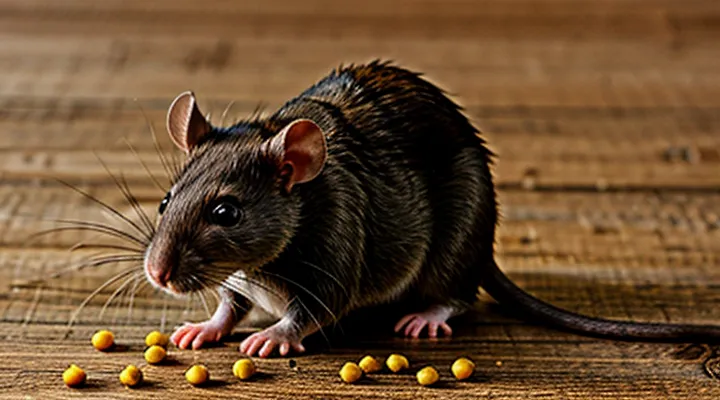
Nutritional Profile of Dried Peas
Vitamins and Minerals
Dried peas provide a range of micronutrients that can contribute to a laboratory rat’s dietary requirements when offered in moderation.
Key vitamins present include:
- Vitamin A (β‑carotene) – supports vision and epithelial health; excess may cause hypervitaminosis A.
- Vitamin C – limited synthesis in rats; supplementation can aid antioxidant defenses, but high levels are rapidly excreted.
- B‑complex vitamins (thiamine, riboflavin, niacin, pyridoxine, folate) – essential for energy metabolism and red‑blood‑cell formation.
Important minerals supplied by dried peas are:
- Iron – required for hemoglobin synthesis; bioavailability is moderate, and phytates in peas can reduce absorption.
- Zinc – involved in enzymatic activity and immune function; adequate levels prevent growth retardation.
- Magnesium – contributes to neuromuscular transmission and bone mineralization.
- Phosphorus – balances calcium for skeletal health; excess can disturb mineral homeostasis.
Considerations for inclusion in a rat diet:
- Fiber content – high soluble fiber can alter gut motility; gradual introduction prevents digestive upset.
- Phytate concentration – binds minerals, potentially lowering their availability; soaking or light cooking reduces phytates.
- Caloric density – dried peas are energy‑rich; portion control avoids obesity in confined environments.
When integrating dried peas, ensure they complement a balanced rodent chow that already meets the National Research Council’s nutrient specifications. Regular monitoring of body weight, coat condition, and blood parameters will confirm that vitamin and mineral intake remains within safe limits.
Fiber Content
Dried peas contain approximately 5–7 % dietary fiber by weight, a value comparable to fresh peas but more concentrated due to moisture loss. The fiber consists mainly of soluble pectin and insoluble cellulose, each influencing gastrointestinal function differently.
- Soluble fiber forms a viscous gel in the gut, slowing glucose absorption and supporting a stable blood‑sugar level.
- Insoluble fiber adds bulk, promoting peristalsis and preventing fecal accumulation.
Rats digest soluble fiber through microbial fermentation in the cecum, producing short‑chain fatty acids that serve as an energy source. Insoluble fiber passes largely unchanged, aiding stool formation. Excessive fiber can reduce the digestibility of other nutrients, potentially leading to weight loss or nutrient deficiencies if the diet is not balanced.
For a typical laboratory rat consuming 20 g of dried peas per day, the fiber intake would be 1–1.4 g, representing 10–15 % of the recommended daily fiber allowance for an adult rat. This proportion supports healthy bowel movements without overwhelming the cecal microbiota.
In summary, the fiber profile of dried peas provides both fermentable and bulking effects that are compatible with a rat’s digestive physiology, provided total fiber remains within established dietary limits.
Protein and Carbohydrates
Dried peas provide a notable amount of protein and carbohydrates, making them a potential supplement for rodent diets. Each 100 g of dried peas contains approximately 25 g of protein and 60 g of digestible carbohydrates, with a low fat content of about 1 g. The protein profile includes essential amino acids such as lysine and tryptophan, which complement the typical protein sources in laboratory rat feed.
Carbohydrates in dried peas are primarily complex starches, which release glucose gradually and help maintain stable blood sugar levels. The fiber fraction, roughly 10 g per 100 g, supports gastrointestinal motility and can aid in preventing constipation, a common issue in captive rodents.
When evaluating the suitability of dried peas for rats, consider the following points:
- Protein balance: Supplementation should not exceed 20 % of total dietary protein to avoid nitrogen overload.
- Carbohydrate load: Excessive starch may lead to obesity or glucose intolerance; limit inclusion to 5–10 % of total diet by weight.
- Anti‑nutritional factors: Raw dried peas contain lectins and phytic acid; thorough cooking or soaking reduces these compounds to safe levels.
- Digestive tolerance: Gradual introduction prevents sudden fermentation and gas production, which can cause abdominal discomfort.
In practice, a modest portion—about 1–2 g of cooked dried peas per 100 g of standard rat chow—provides supplemental protein and energy without disrupting nutrient balance. Regular monitoring of body condition and fecal consistency ensures the addition remains beneficial.
Safety and Potential Risks
Choking Hazards and Texture
Rats can physically ingest dried peas, but the hard, low‑moisture texture creates a significant choking risk. The compact shape and lack of pliability make the legume difficult for a rodent’s small airway to clear if it becomes lodged.
Key considerations for safely offering dried peas to rats:
- Size: whole peas exceed the safe diameter for a rat’s throat; splitting or crushing them reduces obstruction potential.
- Moisture: soaking peas for 10–15 minutes softens the cell walls, allowing easier swallowing and digestion.
- Monitoring: observe the animal during and after consumption; any coughing, gagging, or pause in breathing requires immediate intervention.
- Frequency: limit the amount to a few softened pieces per week to avoid accumulation of indigestible fiber.
When the texture is modified—either by breaking the peas into smaller fragments or by rehydrating them—rats can consume the legume without compromising airway safety. Without such preparation, the rigid nature of dried peas poses a realistic choking hazard.
Digestive Issues
Rats possess a short, simple digestive tract that processes foods quickly. Dried peas are high in fiber and starch, which can overwhelm this system if introduced abruptly. Excess fiber may increase intestinal motility, leading to loose stools or diarrhea. Undigested starch can ferment in the colon, producing gas and abdominal discomfort.
Potential issues include:
- Bloating from rapid fermentation of carbohydrates.
- Diarrhea caused by osmotic imbalance from soluble fiber.
- Irritation from lectins and phytates naturally present in legumes.
- Risk of constipation if fiber intake exceeds the rat’s ability to process it efficiently.
Gradual introduction reduces the likelihood of adverse reactions. Recommended practice:
- Soak dried peas in water for several hours, then rinse thoroughly.
- Cook the peas until soft; heat deactivates most lectins.
- Offer a small portion (no more than a teaspoon per 100 g body weight) mixed with the regular diet.
- Observe stool consistency for 24–48 hours before increasing the amount.
If symptoms such as persistent diarrhea, vomiting, or weight loss appear, discontinue peas and consult a veterinarian. Proper preparation and controlled portions allow rats to benefit from the protein and micronutrients in peas without compromising gastrointestinal health.
Pesticides and Additives
Dried peas are occasionally included in rodent diets, but safety hinges on pesticide residues and food‑grade additives.
Pesticide residues in commercial dried peas can exceed acceptable limits for laboratory animals. Common contaminants include:
- Organophosphates (e.g., chlorpyrifos) – neurotoxic at low milligram‑per‑kilogram doses.
- Carbamates (e.g., carbaryl) – inhibit acetylcholinesterase, leading to tremors and reduced feeding.
- Pyrethroids (e.g., permethrin) – cause hyperexcitation of nervous tissue.
Regulatory thresholds for rodents are typically stricter than those for human consumption; values above 0.01 mg/kg may produce measurable behavioral changes. Analytical testing (GC‑MS or LC‑MS) is required to confirm compliance before inclusion in a rat’s diet.
Additives applied during processing affect palatability and health. Frequently encountered substances are:
- Anticaking agents (silicon dioxide, calcium silicate) – inert at regulated levels, but excessive intake may impair mineral absorption.
- Preservatives (sodium benzoate, potassium sorbate) – generally recognized as safe, yet chronic exposure can alter gut microbiota.
- Flavor enhancers (monosodium glutamate) – stimulate appetite but may provoke excitotoxic responses in sensitive strains.
When using dried peas for rats, follow these practices:
- Source peas certified pesticide‑free or verified by third‑party residue analysis.
- Rinse peas thoroughly to reduce surface contaminants.
- Confirm additive concentrations fall within established rodent dietary guidelines (e.g., FDA Food Additive Status).
Adhering to these measures ensures that dried peas provide nutritional value without introducing toxicological risk.
Preparation and Feeding Guidelines
Soaking and Cooking Recommendations
Dried peas provide protein and fiber for laboratory and pet rats when they are properly prepared. Raw legumes contain phytic acid and lectins that can irritate the gastrointestinal tract; soaking and cooking eliminate most of these compounds.
- Rinse peas under running water.
- Submerge in fresh water at room temperature for 8–12 hours.
- Change the water once during the soak to reduce residual bitterness.
After soaking, drain and rinse the peas. Cook by boiling or steaming until the kernels are fully tender, typically 10–15 minutes. Do not add salt, seasoning, or oil; plain preparation preserves nutritional value and avoids unnecessary sodium.
Allow the cooked peas to cool to room temperature before offering them to rats. Serve a small portion—no more than one tablespoon per 100 g of body weight—once or twice weekly. Observe the animals for signs of digestive upset and discontinue if any adverse reaction occurs.
Portion Control
Rats can safely consume dried peas, but the amount must be limited to avoid nutritional imbalance and digestive upset. A typical adult rat weighing 250–300 g can tolerate a maximum of ½ teaspoon (approximately 2 g) of dried peas per day. Smaller juveniles require half that quantity.
- ¼ teaspoon for rats under 150 g
- ½ teaspoon for rats 150–300 g
- No more than 1 teaspoon for rats exceeding 300 g
Portion control prevents excess protein and carbohydrate intake, which can lead to obesity, renal strain, and altered gut flora. Dried peas are dense in calories; even a small overage adds significant energy to the diet. Balance each serving with a base of high‑fiber pellets and fresh vegetables to maintain a proper macronutrient ratio.
Measure portions with a calibrated spoon, not by eye. Incorporate peas into a mixed treat, distributing the weight evenly throughout the day to reduce rapid spikes in blood sugar. Record weekly body weight; a gain of more than 5 % signals the need to reduce or eliminate peas. Adjust the schedule if a rat shows signs of gas, loose stools, or reduced appetite after consumption.
Frequency of Feeding
Rats may include dried peas as an occasional treat, but the feeding schedule must respect their digestive limits. Dried peas are high in fiber and protein, which can cause gastrointestinal upset if offered too frequently.
- Offer dried peas no more than twice per week.
- Limit each serving to 1–2 small peas per adult rat (approximately 0.5 g).
- Provide peas only after the animal has been acclimated to a balanced diet of commercial pellets, fresh vegetables, and occasional fruits.
Monitor stool consistency after each exposure; any signs of diarrhea or soft feces indicate that the frequency should be reduced or the treat eliminated. Adjust the schedule based on the individual rat’s health status and body condition.
Alternative Pea Varieties for Rats
Fresh Peas
Fresh peas provide a high‑water, low‑calorie source of protein, fiber, and essential micronutrients such as vitamin C, vitamin K, and folate. The natural sugar content is moderate, and the presence of soluble fiber supports gastrointestinal motility. For rodents, these characteristics make fresh peas a suitable occasional treat, provided the peas are washed, de‑seeded if necessary, and offered in small portions.
When evaluating the suitability of dried peas for rats, the fresh form serves as a reference point. Drying concentrates carbohydrates and reduces moisture, which can increase the risk of digestive upset if introduced abruptly. Fresh peas, by contrast, retain their original texture and water balance, minimizing the likelihood of constipation or fermentation in the gut. Consequently, rats accustomed to fresh peas typically tolerate the dried variant only after a gradual transition and careful monitoring.
Key considerations for feeding fresh peas to rats:
- Offer no more than 5 % of the total daily diet by weight.
- Remove any pod material; only the edible seed should be presented.
- Slice or mash peas to facilitate chewing and digestion.
- Introduce gradually, observing for signs of diarrhea, bloating, or reduced appetite.
In summary, fresh peas deliver balanced nutrients and a safe moisture level for rats, establishing a benchmark for assessing the dietary impact of their dried counterparts. Proper portion control and gradual adaptation are essential to prevent adverse effects when switching between fresh and dried forms.
Frozen Peas
Frozen peas provide rats with a source of protein, fiber, vitamins A and C, and essential minerals such as iron and potassium. The low‑temperature preservation process retains most nutrients, making frozen peas comparable to fresh ones in nutritional value.
When compared with dried peas, frozen peas contain higher moisture, resulting in a softer texture that rats can chew more easily. The reduced hardness lowers the risk of dental strain, while the retained water content aids digestion. Dried peas, by contrast, are harder and more concentrated in calories, which can increase the likelihood of gastrointestinal upset if introduced abruptly.
Safety considerations include:
- Thaw peas completely; serve at room temperature to avoid cold‑induced stress.
- Offer plain peas only; exclude added salt, butter, or seasoning.
- Limit portions to a few peas per day, representing no more than 5 % of the animal’s total diet.
- Monitor for signs of diarrhea or allergic reaction after the first feedings.
To incorporate frozen peas into a rat’s diet, store the bag in the freezer, remove the desired amount, rinse under cool water, and pat dry before presentation. Provide peas two to three times weekly, alternating with other vegetables to maintain dietary balance.
Snow Peas and Snap Peas
Snow peas and snap peas are edible legumes that differ in pod texture and sugar content. Both contain protein, fiber, vitamins A, C, K, and folate, making them nutritionally valuable for small mammals when offered in moderation.
Rats can safely eat these peas if they are fresh, washed, and free of pesticides. The pods should be cut into bite‑size pieces to prevent choking. Dried versions lose moisture, become harder, and may cause dental wear; therefore, if dried peas are the primary concern, fresh snow or snap peas are a preferable alternative.
Key considerations for feeding rats snow or snap peas:
- Preparation – Rinse thoroughly, remove any wilted or damaged sections, and serve raw or lightly steamed (no salt or seasonings).
- Portion size – Limit to 1–2 teaspoons per day for an adult rat; excess fiber can lead to gastrointestinal upset.
- Frequency – Offer as an occasional treat, not a staple, to maintain a balanced diet of commercial rat pellets, fresh vegetables, and occasional protein sources.
- Safety – Avoid canned peas, which contain added sodium and preservatives, and discard any peas that show mold or spoilage.
Nutritionally, snow peas provide slightly more carbohydrates, while snap peas offer a higher sugar concentration, which may be appealing to rats but should be monitored to prevent obesity. Both varieties contribute essential micronutrients that support immune function and coat health.
In summary, fresh snow peas and snap peas are appropriate treats for rats when prepared correctly and fed in limited quantities, offering a safe alternative to dried pea consumption.
General Dietary Advice for Pet Rats
Balanced Diet Essentials
Rats can safely consume dried peas when the ingredient fits within a nutritionally balanced regimen.
Key components of a complete rodent diet include:
- Protein (15‑20 % of total calories) from sources such as soy, fish meal, or insect protein.
- Fat (5‑8 %) to supply essential fatty acids and energy.
- Carbohydrates (30‑40 %) primarily from grains and vegetables.
- Fiber (5‑10 %) to support gastrointestinal motility.
- Vitamins A, D, E, K and B‑complex, supplied by fortified mixes or fresh produce.
- Minerals (calcium, phosphorus, magnesium, zinc, iron) in appropriate ratios to prevent skeletal or metabolic disorders.
- Clean water available at all times.
Dried peas deliver 22‑24 % protein, 1‑2 % fat, and 5‑6 % fiber, along with vitamins B1, B6, folate, and antioxidants. They also contain antinutrients such as phytic acid, which can impair mineral absorption if offered in excess.
Feeding guidelines for dried peas:
- Limit to 5‑10 % of the daily dry‑matter intake.
- Introduce gradually, monitoring for digestive upset.
- Rinse or soak briefly to reduce dust and residual antinutrients.
- Combine with a staple grain mix and fresh vegetables to preserve nutrient balance.
When integrated according to these parameters, dried peas contribute protein and micronutrients without compromising the overall dietary equilibrium required for healthy rats.
Foods to Avoid
Rats may tolerate dried peas in moderation, but several common foods pose serious health risks and should never be included in their diet.
- Chocolate, caffeine‑containing products, and nicotine
- Raw or undercooked beans, especially kidney and lima beans, which contain hemagglutinin toxins
- Citrus fruits and juices, which can cause digestive upset
- Processed foods high in salt, sugar, or artificial additives
- Dairy products, because most adult rats are lactose intolerant
- Onions, garlic, and chives, which contain compounds that damage red blood cells
- Avocado flesh and pits, which contain persin toxic to rodents
These items can cause gastrointestinal distress, organ failure, or death. When offering dried peas, ensure they are plain, unsalted, and free of added seasonings, and avoid mixing them with any of the prohibited foods listed above.
Importance of Hydration
Rats that are offered dried peas must receive adequate water because the food contains minimal moisture. Insufficient fluid intake can lead to concentrated urine, reduced kidney function, and impaired digestion of the legume’s fiber.
Key hydration considerations for rats consuming low‑moisture foods:
- Provide fresh, clean water at all times; replace it at least once daily.
- Monitor water bottles for leaks and ensure the drinking spout remains unobstructed.
- Observe the animal’s urine output; pale, abundant urine indicates proper hydration, while dark, scant urine signals a deficit.
- Offer supplemental sources such as water‑rich vegetables (cucumber, lettuce) to increase overall fluid consumption.
Failure to address these points may result in gastrointestinal distress, elevated blood osmolarity, and increased susceptibility to urinary tract infections. Maintaining consistent water availability supports normal metabolic processes and maximizes the nutritional benefit of dried peas in a rat’s diet.