
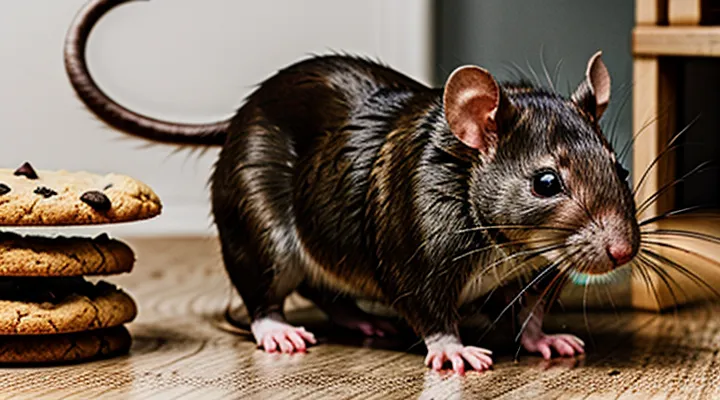
Understanding Rat Dietary Needs
Essential Nutritional Requirements
Macronutrients for Rats
Rats require a balanced intake of protein, fat, and carbohydrate to maintain growth, reproduction, and immune function. Protein supplies essential amino acids for tissue repair and enzymatic activity; a diet containing 18–22 % protein by weight meets the needs of adult laboratory rats and slightly higher levels support pregnant or lactating females. Fat delivers concentrated energy and facilitates absorption of fat‑soluble vitamins; 5–10 % dietary fat is sufficient for maintenance, while 10–15 % supports rapid weight gain. Carbohydrate provides readily available glucose for brain metabolism; 50–60 % of total calories should derive from complex sources such as grains, legumes, and vegetables.
Cookies introduce macronutrients that diverge from these ratios. Typical sweet biscuits contain:
- Protein: 2–5 % (often from wheat flour, insufficient for rat requirements)
- Fat: 10–20 % (often from butter or oils, may exceed safe limits)
- Simple sugars: 30–50 % (highly digestible, can cause rapid glucose spikes)
The excess simple sugars elevate blood glucose, strain pancreatic function, and promote adiposity. Elevated fat content increases caloric density, encouraging obesity and hepatic lipidosis if consumed regularly. Low protein contribution fails to offset the metabolic load imposed by sugars and fats, leading to a net deficiency in essential amino acids.
When assessing the suitability of sweets for rats, compare the macronutrient profile of a cookie with the recommended dietary composition. Any treat that pushes protein below 10 % of total intake, raises fat above 15 %, or contributes more than 5 % of daily calories from simple sugars should be limited to occasional, minimal portions. Regular inclusion disrupts the nutrient balance required for optimal health, outweighing any short‑term palatability benefits.
Micronutrients for Rat Health
When assessing whether a rat should be offered a cookie, the animal’s micronutrient profile provides a decisive reference point. Rats require a precise balance of vitamins and minerals to maintain metabolism, bone integrity, and immune defenses; any treat that disrupts this balance warrants careful scrutiny.
- Vitamin A – supports retinal health and immune response.
- Vitamin D – regulates calcium absorption and bone remodeling.
- Vitamin E – protects cell membranes from oxidative damage.
- Vitamin K – essential for blood clotting.
- B‑complex vitamins (B1, B2, B6, B12, niacin, folate) – facilitate energy production and nervous system function.
- Calcium – critical for skeletal strength and muscle contraction.
- Phosphorus – works with calcium for bone formation.
- Magnesium – co‑factor for enzymatic reactions and nerve signaling.
- Iron – required for oxygen transport.
- Zinc – involved in DNA synthesis and immune activity.
- Selenium – contributes to antioxidant enzymes.
Commercial cookies typically contain high levels of simple sugars and fats while providing negligible amounts of the micronutrients listed above. Consumption can dilute dietary intake of essential vitamins and minerals, leading to deficiencies if the treat replaces a portion of a balanced rat chow. Limit cookie exposure to occasional, minimal portions and supplement the diet with a complete rodent feed that meets established micronutrient standards.
Foods to Avoid for Rats
Toxic Ingredients for Rodents
Rats may be attracted to the sweet aroma of cookies, but several common cookie components pose a direct health risk. The following substances are identified as toxic to rodents:
- Xylitol – rapidly induces hypoglycemia and liver failure after ingestion.
- Chocolate (theobromine and caffeine) – causes cardiac arrhythmia, seizures, and potentially fatal hyperthermia.
- Artificial sweeteners (e.g., sucralose, saccharin) – disrupt gut microbiota and can lead to metabolic distress.
- High‑salt content – precipitates dehydration, hypertension, and renal impairment.
- Excessive sugar – promotes obesity, insulin resistance, and dental decay.
- Preservatives such as potassium sorbate and sodium benzoate – trigger gastrointestinal irritation and allergic reactions.
Even small quantities can produce observable symptoms within hours. Toxicity thresholds vary by age, weight, and overall health, but laboratory data indicate that a 100‑gram adult rat may experience adverse effects after consuming as little as 0.5 g of a cookie containing any of the listed ingredients. Chronic exposure, even at sub‑lethal doses, increases the likelihood of organ damage and reduced lifespan.
When evaluating whether to offer cookies to pet or laboratory rats, eliminate products containing the above agents. Opt for formulations that use rodent‑safe sweeteners (e.g., modest amounts of natural honey) and avoid added salts, artificial flavors, and chocolate derivatives. Continuous monitoring for signs of distress—such as lethargy, tremors, or abnormal respiration—remains essential after any accidental ingestion.
Harmful Human Foods
Rats that are offered cookies encounter several ingredients common in human desserts but toxic to their physiology. Sugar, refined flour, and artificial additives exceed the nutritional limits of rodent diets and can trigger acute and chronic health problems.
- Sucrose and high‑fructose corn syrup – cause rapid blood‑glucose spikes, leading to insulin resistance and obesity.
- Chocolate and cocoa powder – contain theobromine, a stimulant metabolized slowly by rats, resulting in cardiac arrhythmia or seizures at low doses.
- Artificial sweeteners (e.g., xylitol) – interfere with insulin release and may induce hypoglycemia.
- Preservatives (BHA, BHT, sodium benzoate) – accumulate in liver tissue, impairing detoxification pathways.
- High‑salt content – elevates blood pressure and stresses renal function.
Physiological consequences include weight gain, dental decay from sticky sugars, gastrointestinal irritation, and altered gut microbiota. Repeated exposure accelerates metabolic syndrome, reduces lifespan, and diminishes reproductive success.
Occasional, minimal exposure to plain, unsweetened biscuit crumbs may provide short‑term enrichment without immediate toxicity, but the risk outweighs any perceived benefit. Preventive measures entail storing baked goods securely, substituting rat‑appropriate treats, and monitoring for signs of distress after accidental ingestion.
Cookies and Rats: A Detailed Analysis
The Allure of Sweets for Rats
Why Rats are Attracted to Cookies
Rats are naturally drawn to cookies because the food combines several sensory and metabolic cues that trigger feeding behavior.
- High sugar concentration activates taste receptors that signal immediate energy availability.
- Aromatic compounds released during baking, such as vanilla and caramelized sugars, stimulate the olfactory system, which is highly developed in rodents.
- Soft, crumbly texture reduces the effort required for mastication, allowing rapid ingestion.
- Fat content provides a dense caloric source, appealing to the rat’s need for energy storage.
- Bright coloration, often from added chocolate or frosting, serves as a visual attractant linked to nutrient-rich foods.
Beyond innate preferences, rats learn to associate cookies with positive outcomes. Repeated exposure creates a conditioned response, reinforcing the desire to seek out similar items. Social observation can also spread the attraction within a colony, as individuals mimic the foraging choices of peers.
These factors collectively explain why rats frequently investigate and consume cookies when presented with the opportunity.
Behavioral Aspects of Feeding Treats
Feeding rats sweet treats such as cookies influences their behavior in measurable ways. The immediate reward triggers a conditioned response that can be harnessed for training and environmental enrichment.
Positive behavioral outcomes
- Increased willingness to perform desired tasks when a treat follows the action.
- Enhanced exploratory activity during enrichment sessions that include occasional sweets.
- Strengthened human‑rat bond through predictable reward delivery.
Negative behavioral outcomes
- Development of preference for high‑sugar items, leading to reduced interest in nutritionally balanced foods.
- Heightened risk of compulsive eating patterns, observable as repeated begging or persistent foraging for sweets.
- Potential disruption of group hierarchy when a single individual monopolizes treat access, causing aggression or stress among cage mates.
Balancing these effects requires limiting sweet treat frequency, monitoring body condition, and distributing rewards evenly to prevent dominance issues. Properly managed, occasional cookies can serve as an effective behavioral tool without compromising health or social stability.
Potential Risks of Feeding Cookies
Health Consequences of Sugar
Sugar intake presents measurable risks to rodent health. Elevated glucose levels trigger rapid insulin release, leading to chronic hyperinsulinemia and increased susceptibility to type‑2 diabetes. Persistent hyperglycemia damages pancreatic beta cells, reducing insulin production over time.
Excessive sucrose consumption accelerates weight gain through heightened caloric density and altered lipid metabolism. Adipose tissue expansion raises circulating leptin, yet rodents develop leptin resistance, diminishing appetite regulation and fostering obesity.
Dental health deteriorates when fermentable sugars remain on molar surfaces. Oral bacteria metabolize sugar into acids, eroding enamel and causing cavities. Regular exposure to sweet residues shortens tooth lifespan and impairs chewing efficiency.
Key physiological effects include:
- Hyperglycemia → insulin dysregulation
- Increased adiposity → leptin resistance
- Enamel demineralization → dental caries
- Elevated triglycerides → hepatic steatosis
These outcomes collectively reduce lifespan, impair reproductive performance, and compromise overall vitality in rats that regularly consume sugary treats.
Impact of Fat and Additives
Cookies contain significant levels of fat, typically from butter, oil, or shortening. In rodents, dietary fat influences energy balance, coat condition, and organ function. Excessive fat raises caloric density, leading to rapid weight gain and increased adiposity. Elevated fat intake also predisposes rats to hepatic steatosis and insulin resistance, mirroring metabolic disturbances observed in humans. Conversely, modest fat inclusion supports absorption of fat‑soluble vitamins (A, D, E, K) and maintains skin elasticity.
Additives such as artificial sweeteners, preservatives, and leavening agents introduce additional variables. Artificial sweeteners (e.g., sucralose, saccharin) can alter gut microbiota composition, potentially reducing microbial diversity and affecting nutrient metabolism. Preservatives like sodium benzoate and potassium sorbate exhibit mild irritant properties; chronic exposure may impair renal function and provoke hepatic enzyme elevation. Leavening agents (baking soda, baking powder) contribute sodium load, which can exacerbate hypertension in susceptible strains.
Key considerations for feeding rats cookies:
- Caloric impact: High fat content accelerates caloric surplus; monitor portion size.
- Metabolic risk: Persistent fat excess increases likelihood of obesity‑related disorders.
- Vitamin absorption: Limited fat aids assimilation of essential vitamins; insufficient fat reduces bioavailability.
- Microbiome effect: Artificial sweeteners may disrupt intestinal flora, influencing digestion and immunity.
- Toxicity potential: Preservatives and high sodium levels pose renal and hepatic stress over time.
- Behavioral response: Sweet taste can reinforce preference for sugary foods, encouraging overconsumption.
In practice, occasional, small‑scale cookie exposure poses minimal acute danger, provided the product lacks chocolate, nuts, or excessive sugar. Long‑term inclusion, however, introduces metabolic, microbial, and organ‑function challenges that outweigh any short‑term palatability benefit.
Choking Hazards and Digestive Issues
Rats can physically bite into cookie pieces, but the texture and size of typical baked treats create immediate mechanical dangers. Hard edges, large chunks, and crumbly fragments can become lodged in the oral cavity or upper airway, obstructing airflow within seconds.
- Small, irregular crumbs may slip past the incisors and settle in the throat.
- Frosted or glazed surfaces increase slipperiness, reducing the rat’s ability to control swallowing.
- Whole cookie portions larger than a rat’s molar span can block the esophagus entirely.
Beyond choking, the composition of most cookies challenges a rat’s digestive system. High concentrations of refined sugars elevate osmotic pressure in the gut, drawing water into the lumen and precipitating diarrhea. Added fats, especially hydrogenated oils, slow gastric emptying and may trigger hepatic lipid accumulation. Common additives—artificial sweeteners, chocolate, and raisins—introduce toxic compounds that the rodent liver metabolizes inefficiently.
- Simple sugars cause rapid blood‑glucose spikes, followed by hypoglycemia.
- Saturated fats impair bile secretion, leading to steatorrhea.
- Chocolate’s theobromine and caffeine levels exceed safe thresholds for small mammals.
- Raisins contain mycotoxins that can induce renal failure.
Safe feeding practices involve offering rats only bite‑sized, unsweetened, low‑fat alternatives. If a cookie is used as a rare treat, it should be crumbled into a fine powder, mixed with standard rodent chow, and limited to a fraction of a gram per week. Monitoring for signs of respiratory distress or abnormal stool after consumption is essential. Immediate veterinary assessment is required if choking or gastrointestinal upset is suspected.
Safe Alternatives for Rat Treats
Healthy Homemade Options
Commercial cookies contain high levels of refined sugar, saturated fat, and additives that can disrupt a rat’s digestive system and contribute to obesity. Replacing these treats with nutritionally balanced, homemade alternatives eliminates harmful ingredients while providing enrichment.
- Oat‑based biscuit: rolled oats, whole‑grain wheat flour, a pinch of calcium powder, unsweetened applesauce, water.
- Sweet‑potato chew: boiled sweet‑potato, mashed, mixed with a small amount of oat flour, formed into thin sticks and baked.
- Banana‑pumpkin bite: mashed banana, pumpkin puree, chickpea flour, a dash of cinnamon, baked until firm.
- Yogurt dip: plain low‑fat Greek yogurt, finely grated carrot, a drop of honey for occasional use.
Preparation guidelines: use only unsalted, unflavored ingredients; avoid artificial sweeteners and chocolate; keep portion size under one teaspoon per serving; bake at 180 °C until dry to prevent mold growth; store in airtight containers for up to three days.
These recipes supply fiber, protein, and vitamins without excessive sugars, supporting dental health and weight control. Offer treats no more than twice weekly and monitor the animal for any adverse reactions.
Commercially Available Rat-Friendly Snacks
Commercially available rat-friendly snacks are products marketed specifically for pet rodents. They are formulated to meet the nutritional requirements of small omnivores, typically containing low levels of added sugars, moderate protein, and adequate fiber. The packaging often highlights suitability for rats, guinea pigs, and other small mammals.
- Oxbow Essentials Rat Treats – grain‑based bites, 2 % sugar, fortified with vitamin C.
- Kaytee Rat Bites – small cubes, 5 % carbohydrate, includes calcium and phosphorus.
- Mazuri Small Rodent Nuggets – soft pellets, 1 % sucrose, enriched with omega‑3 fatty acids.
- Sun Seed Rat Chews – natural seed mix, no added sugars, high in vitamin E.
Advantages of these products include:
- Controlled sugar content reduces risk of obesity and dental decay.
- Balanced micronutrients support immune function and fur health.
- Textured designs encourage natural chewing behavior, aiding dental wear.
- Shelf‑stable formulations simplify storage and feeding schedules.
Drawbacks to consider:
- Higher price per gram compared to generic human cookies.
- Some varieties contain modest amounts of sweeteners to increase palatability, which may still contribute to caloric excess if overfed.
- Limited flavor range may not satisfy rats accustomed to diverse human sweets.
- Packaging sizes may lead to waste if a small colony is housed.
When evaluating whether to substitute or supplement sweet treats with commercial rat snacks, prioritize products with minimal added sugars and comprehensive nutrient profiles. Regular monitoring of body condition and dental health remains essential regardless of snack choice.
Responsible Pet Ownership and Rat Diet
Monitoring Your Rat's Health
Recognizing Signs of Dietary Distress
When assessing whether rats can safely consume sweet treats such as cookies, vigilance for dietary distress is essential. Early detection prevents long‑term health complications and informs responsible feeding practices.
Typical indicators of nutritional upset include:
- Reduced water intake
- Lethargy or sudden loss of activity
- Diarrhea or abnormal stool consistency
- Rapid weight loss despite unchanged feeding schedule
- Excessive grooming of the anal area
- Visible abdominal swelling or tenderness
- Uncharacteristic aggression or irritability
If any of these symptoms appear, remove sugary foods immediately and provide plain, fiber‑rich options (e.g., plain oats or fresh vegetables). Monitor the animal for 24‑48 hours; persistent issues warrant veterinary consultation to rule out pancreatitis, insulin dysregulation, or gut flora disturbances.
Consistent observation of feeding behavior, body condition, and excretory patterns forms the most reliable defense against the hidden risks associated with high‑sugar diets in rodents.
The Importance of Veterinary Consultation
When owners consider offering cookies to pet rats, professional veterinary advice is essential. A veterinarian can assess the animal’s health status, dietary requirements, and potential allergic reactions, preventing complications such as gastrointestinal upset or obesity. Direct consultation also provides guidance on safe ingredient substitutions, portion limits, and frequency, ensuring that occasional treats do not undermine nutritional balance.
Key reasons to seek veterinary input before feeding sweets to rats:
- Evaluation of the rat’s weight, age, and existing medical conditions.
- Identification of harmful ingredients (e.g., chocolate, xylitol, excessive sugar).
- Recommendations for alternative, rat‑appropriate treats.
- Monitoring for adverse effects after initial exposure.
- Documentation of dietary changes in the animal’s health record.
By integrating veterinary expertise, owners can make informed decisions that protect rat welfare while allowing occasional indulgence.
General Guidelines for Rat Feeding
Balancing the Main Diet
Rats require a diet rich in protein, fiber, and essential vitamins. Introducing cookies adds simple carbohydrates, fats, and additives that are not present in standard rodent chow. When sweets are offered, the overall nutrient ratio shifts, potentially reducing intake of required nutrients.
Potential advantages
- Immediate energy boost from sugar may increase activity for short periods.
- Small amounts can serve as enrichment, encouraging exploratory behavior.
Potential disadvantages
- High sugar content can cause rapid blood‑glucose spikes, leading to insulin resistance over time.
- Excess fat contributes to obesity, hepatic steatosis, and reduced lifespan.
- Preservatives, chocolate, or raisins pose toxic risks, including cardiac arrhythmias and kidney damage.
- Preference for sweet treats may suppress consumption of balanced pellets, resulting in protein deficiency.
To maintain dietary equilibrium, follow these guidelines:
- Limit cookie portions to less than 5 % of total daily caloric intake.
- Choose plain, low‑fat, low‑sugar varieties without artificial flavors or toxic ingredients.
- Offer cookies only as occasional rewards, not as regular meals.
- Monitor body weight, coat condition, and activity levels after each exposure.
- Supplement with fresh vegetables and high‑protein pellets to offset any nutritional gaps.
Balancing the primary diet while occasionally providing sweets requires strict control of quantity and composition. Proper management prevents metabolic disorders and preserves the health benefits of a nutritionally complete regimen.
Introducing New Foods Safely
Introducing a new food item to a rat requires a systematic approach that protects health while allowing observation of behavioral responses. Begin with a small, measured portion of the unfamiliar treat and monitor the animal for at least 24 hours before offering additional amounts. Use a separate feeding container to prevent accidental mixing with the regular diet. Keep a record of intake, weight, stool consistency, and any signs of discomfort.
Key steps for safe introduction
- Weigh the test portion (e.g., 0.5 g of cookie crumb).
- Offer the portion once, then remove any leftovers after 30 minutes.
- Observe the rat for changes in activity, grooming, or gastrointestinal signs.
- If no adverse reaction occurs, increase the portion gradually, not exceeding 5 % of total daily calories.
- Maintain the primary diet’s balance of protein, fiber, and micronutrients; treat sweets as supplemental, not replacement.
Potential benefits
- Short‑term enrichment of the environment.
- Opportunity to assess individual taste preferences, which can aid in voluntary medication delivery.
Potential risks
- High sugar content may lead to obesity, dental decay, or metabolic disturbances.
- Ingredients such as chocolate, raisins, or artificial sweeteners can be toxic.
- Excessive calories can disrupt the nutrient ratio of the standard diet, causing deficiencies.
Applying these guidelines enables owners and researchers to evaluate the feasibility of offering cookies or similar sweets to rats while minimizing health hazards.