
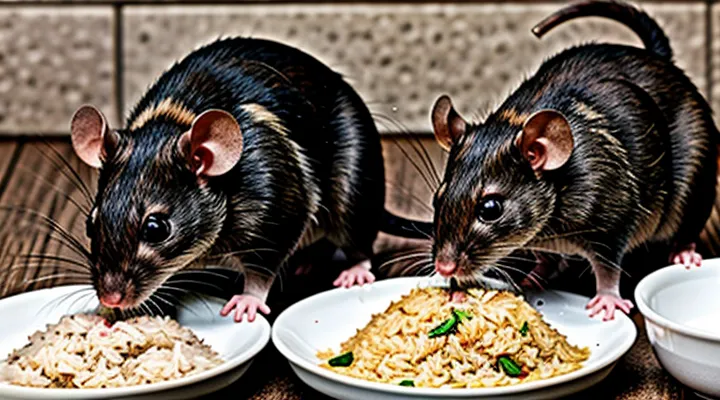
Understanding Rat Diet and Digestion
Rats are omnivorous mammals with a digestive system optimized for rapid processing of protein, fat, and fiber. Their short gastrointestinal tract and high metabolic rate require diets that provide balanced nutrients, including essential amino acids, fatty acids, and roughage.
Cooked white rice consists primarily of starch, with minimal protein, fat, fiber, vitamins, and minerals. The cooking process gelatinizes starch, making it readily digestible for rodents, but it also eliminates most of the grain’s natural fiber.
When a rat consumes cooked rice, pancreatic amylase hydrolyzes the gelatinized starch into glucose, which is absorbed quickly in the small intestine. The lack of fiber reduces bulk formation in the colon, potentially accelerating transit time.
Potential advantages of occasional plain cooked rice:
- High‑energy carbohydrate source
- Easy to chew and digest
- Low risk of choking or gastrointestinal irritation when unseasoned
- Useful as a filler when other foods are scarce
Potential disadvantages of regular inclusion:
- Deficient in essential amino acids and fatty acids
- Low fiber may impair gut motility and microbiome health
- High glycemic load can promote rapid blood‑sugar spikes and weight gain
- Absence of micronutrients may lead to deficiencies if rice replaces balanced feed
- Risk of mold or bacterial contamination if stored improperly
For safe integration, serve no more than a tablespoon of plain, cooled rice per 100 g of body weight, limit frequency to once or twice weekly, and pair with protein‑rich foods (e.g., boiled egg, lean meat) and fiber sources (e.g., vegetables, whole‑grain seeds). Avoid added salt, oil, sauces, or seasonings, as they can cause electrolyte imbalance or digestive upset.
The Nutritional Value of Cooked Rice
Carbohydrates and Energy
Cooked rice provides a rapid source of carbohydrates, which are converted to glucose and enter the bloodstream within minutes. In rodents, glucose is the primary substrate for neuronal activity and muscle contraction; therefore, a modest amount of rice can temporarily boost energy levels and support brief periods of heightened activity.
- Immediate benefit: elevated blood glucose enhances locomotor speed and exploratory behavior for up to 30 minutes.
- Energy storage: excess glucose is stored as glycogen in the liver and skeletal muscles, supplying a reserve for later use.
- Satiety effect: carbohydrate‑rich meals can reduce short‑term hunger, potentially decreasing competition for other foods.
Potential drawbacks arise from the metabolic characteristics of rats. Their digestive system lacks the enzymatic capacity to efficiently process large quantities of starch, leading to incomplete digestion and fermentation by gut microbes. This can produce excess gas, intestinal discomfort, and altered microbiota composition, which may impair nutrient absorption.
- Overconsumption risk: high starch intake can cause hyperglycemia, stressing pancreatic insulin release and increasing the likelihood of insulin resistance over time.
- Nutrient imbalance: reliance on rice reduces intake of essential proteins, fats, vitamins, and minerals required for growth, immune function, and reproduction.
- Digestive disturbance: undigested starch may ferment into short‑chain fatty acids, causing bloating and diarrhea in sensitive individuals.
Balancing these factors requires limiting cooked rice to a small proportion of a rat’s diet—typically no more than 5–10 % of total caloric intake—while ensuring that the remainder consists of protein‑rich pellets, fresh vegetables, and appropriate fat sources. This approach supplies a brief energy boost without compromising overall nutritional health.
Vitamins and Minerals
Cooked rice supplies a modest amount of B‑complex vitamins, primarily thiamine (B1) and niacin (B3). It also contains trace levels of folate and vitamin E, but the quantities fall far below the requirements for a healthy adult rat.
- Thiamine – supports carbohydrate metabolism.
- Niacin – aids energy production.
- Folate – participates in DNA synthesis.
- Vitamin E – functions as an antioxidant.
The mineral composition of boiled white rice is limited. It delivers small amounts of manganese, selenium, phosphorus, and magnesium, while calcium and iron remain negligible.
- Manganese – involved in bone formation.
- Selenium – contributes to antioxidant defenses.
- Phosphorus – essential for skeletal development.
- Magnesium – required for enzyme activity.
Positive aspects of offering cooked rice include a readily digestible carbohydrate source, low fat content, and minimal risk of spoilage when prepared fresh. These characteristics can complement a balanced diet, providing energy without excess calories.
Negative aspects arise from the nutrient profile. The low concentrations of essential vitamins and minerals mean rice cannot serve as a primary food; reliance on it may precipitate deficiencies in calcium, iron, and certain B vitamins. Additionally, rice may contain residual arsenic, which accumulates with frequent consumption and could impair renal function in rodents.
In practice, cooked rice should be treated as an occasional supplement, mixed with a complete rodent chow that fulfills the full spectrum of vitamin and mineral needs.
Fiber Content
Cooked rice supplies a modest amount of dietary fiber, typically 0.2–0.3 g per 100 g serving. This low fiber level contrasts with the higher fiber content of whole grains, vegetables, and legumes commonly recommended for laboratory and pet rats.
Fiber influences gastrointestinal motility, stool bulk, and microbial fermentation in the cecum. Rats consuming only high‑carbohydrate, low‑fiber foods risk reduced intestinal transit speed and altered gut flora.
Potential advantages of the fiber present in cooked rice
- Contributes minimal bulk, reducing the likelihood of excessive stool formation.
- Provides a source of soluble carbohydrate that can be fermented into short‑chain fatty acids, supporting cecal health in small quantities.
Possible disadvantages
- Insufficient to meet the fiber requirements of a balanced rat diet; reliance on rice may lead to constipation or dysbiosis.
- Low bulk may fail to stimulate adequate peristalsis, especially in older or sedentary animals.
- Excessive inclusion can displace higher‑fiber ingredients, compromising overall nutrient balance.
Integrating cooked rice should involve limiting its proportion and supplementing with fiber‑rich foods such as bran, oats, or leafy greens to maintain optimal digestive function.
The Pros of Feeding Cooked Rice to Rats
A Source of Quick Energy
Cooked rice delivers rapidly digestible carbohydrates, making it an immediate source of glucose for rats. The starch is gelatinized during cooking, which shortens enzymatic breakdown time and raises blood‑sugar levels within minutes. This effect can boost activity in short‑term experiments that require heightened locomotion or metabolic testing.
Advantages
- Quick rise in plasma glucose supports brief bursts of energy.
- Low fat and protein content reduces interference with diet‑specific studies.
- Soft texture eases ingestion for young or dental‑impaired rodents.
Disadvantages
- Rapid glucose surge may cause hyperglycemia, potentially skewing metabolic data.
- Absence of essential amino acids and micronutrients can lead to nutritional deficiencies if rice replaces balanced feed.
- Excess caloric intake can promote obesity and related health issues in long‑term colonies.
When incorporating cooked rice, limit portions to 5‑10 % of total daily intake and pair with a complete rodent diet to maintain nutritional balance while exploiting its fast‑acting energy properties.
Easily Digestible
Cooked white rice breaks down quickly in a rat’s gastrointestinal tract because the starches are gelatinized during heating. The softened grains require minimal enzymatic effort, allowing rapid absorption of glucose and limiting the workload on the small intestine.
Rats possess amylase in both saliva and pancreatic secretions, which act efficiently on the pre‑cooked starch. The result is a short transit time, reduced risk of fermentation, and minimal production of gas or bloating that can accompany raw grains.
Advantages of this easily digestible food
- Fast energy release supports active rodents and short‑term metabolic demands.
- Low fiber content minimizes the chance of intestinal blockage in small or young rats.
- Soft texture suits individuals with dental wear or oral injuries.
Potential drawbacks
- Limited protein and essential amino acids; reliance on rice alone cannot meet nutritional requirements.
- High glycemic index may cause rapid blood‑sugar spikes, undesirable for diabetic‑prone strains.
- Possible trace contaminants from cultivation (e.g., arsenic) accumulate with frequent feeding.
- Lack of dietary fiber can lead to constipation if not balanced with roughage.
When incorporated as a supplemental component of a balanced rodent diet, cooked rice offers a readily absorbable carbohydrate source, but it must be paired with protein‑rich and fiber‑rich foods to avoid nutritional deficiencies.
Palatability and Enrichment
Cooked rice introduces a distinct texture and mild flavor that many rats find appealing. The soft grains are easy to chew, especially for juveniles or individuals with dental wear, which can increase voluntary intake and reduce food refusal.
- Enhanced sensory variety: Adding rice to a standard pellet diet supplies a novel taste profile, stimulating gustatory receptors and preventing monotony.
- Cognitive stimulation: Providing rice as a separate element encourages problem‑solving when rats must manipulate grains to access the food, supporting mental enrichment.
- Moisture contribution: Steamed rice retains water, helping maintain adequate hydration when fresh water sources are limited.
Potential drawbacks accompany the sensory benefits. The bland nature of plain rice may not satisfy the need for strong aromatics that drive natural foraging behavior, possibly limiting its effectiveness as a sole enrichment item. Excessive rice can displace nutritionally balanced pellets, leading to an imbalanced macronutrient ratio if not carefully portioned.
Overall, cooked rice serves as a palatable supplement that diversifies diet texture and offers a simple enrichment tool, provided it complements, rather than replaces, a nutritionally complete regimen.
The Cons and Risks of Feeding Cooked Rice to Rats
High Glycemic Index Concerns
Cooked rice possesses a high glycemic index, meaning it converts quickly to glucose after ingestion. In rats, rapid glucose absorption can trigger sharp blood‑sugar elevations, demanding immediate insulin release. Frequent spikes place stress on pancreatic function and may predispose animals to insulin resistance.
Elevated post‑prandial glucose levels can accelerate weight gain, especially when rice comprises a large portion of the diet. Excess caloric density, combined with limited fiber, reduces satiety signals, encouraging overconsumption. Persistent hyperglycemia increases the risk of diet‑induced diabetes, a condition documented in laboratory rodents receiving high‑glycemic feeds.
- Sudden blood‑glucose rise → heightened insulin demand
- Potential for pancreatic fatigue → reduced insulin efficiency
- Accelerated adipose deposition → obesity risk
- Increased likelihood of chronic hyperglycemia → diabetes development
To mitigate these risks, limit cooked rice to a minor supplement, not exceeding 5 % of total caloric intake. Pair rice with low‑glycemic grains, protein sources, and insoluble fiber to slow digestion. Monitor body weight and blood‑glucose trends regularly; adjust portions if values exceed normal ranges.
Nutritional Imbalance Risks
Lack of Essential Nutrients
Cooked rice provides calories but supplies few nutrients that rats require for healthy growth and maintenance. Essential amino acids, vitamin A, vitamin D, calcium, and omega‑3 fatty acids are present only in trace amounts. Consequently, a diet based largely on steamed grains can lead to deficiencies that affect bone density, vision, immune function, and reproductive health.
- Protein quality: rice protein lacks lysine and methionine, both critical for tissue repair.
- Vitamins: insufficient retinol and cholecalciferol compromise retinal health and calcium absorption.
- Minerals: low calcium and phosphorus ratios increase the risk of skeletal deformities.
- Fatty acids: minimal EPA/DHA reduces anti‑inflammatory capacity and neural development.
Rats fed predominantly cooked rice may exhibit stunted growth, brittle fur, and increased susceptibility to infections. To prevent these outcomes, owners should supplement the grain with:
- High‑quality rodent pellets or soy‑based protein sources.
- Commercial vitamin and mineral mixes formulated for laboratory or pet rodents.
- Small amounts of leafy greens, hard‑boiled eggs, or fortified dairy products to boost calcium and vitamin D intake.
Regular health monitoring, including weight checks and dental examinations, helps detect early signs of nutrient shortfall. Adjusting the diet promptly restores balance and supports normal physiological functions.
Potential for Weight Gain
Cooked rice is a carbohydrate‑rich food that can increase a rat’s caloric intake when added to its regular diet. The starches in rice are quickly digested, providing a rapid source of energy that may contribute to weight gain if portions are not controlled.
-
Positive aspects for weight gain
- High caloric density: a small serving supplies more calories than many standard rodent pellets.
- Easy to swallow: soft texture reduces the risk of choking in young or dental‑compromised rats.
- Palatable: rats typically accept rice readily, encouraging consistent consumption.
-
Negative aspects for weight gain
- Low satiety: rapid digestion may lead to frequent hunger signals, prompting over‑feeding.
- Lack of protein and fat: reliance on rice can create an unbalanced diet, prompting owners to supplement with high‑fat foods that further increase caloric load.
- Potential for obesity: sustained excess calories from rice can elevate body fat, impair mobility, and increase the risk of metabolic disorders.
To manage weight, serve rice in limited quantities (no more than 5‑10 % of total daily intake) and monitor body condition regularly. Adjust the overall diet to maintain a balanced ratio of protein, fat, and fiber, ensuring that rice does not become the primary energy source.
Preparation and Safety Issues
Uncooked Rice Dangers
Uncooked rice poses several health risks for pet rats. The grain expands when it contacts moisture, creating a solid mass that can obstruct the digestive tract. Unlike cooked rice, raw kernels retain a hard outer layer that resists breakdown by the rat’s enzymes.
- Swelling in the stomach or intestines, leading to blockage or perforation.
- Persistent hardness causing dental wear and gum irritation.
- Presence of dormant spores of Bacillus cereus, which may germinate and produce toxins after the rat ingests the grain.
- Potential for mold growth if the rice is stored in damp conditions, introducing mycotoxins.
To prevent these complications, remove all uncooked rice from the cage, store any bulk supplies in airtight containers, and replace accidental exposures with a safe, nutritionally balanced diet. If a rat shows signs of abdominal pain, reduced activity, or abnormal feces after ingesting raw rice, seek veterinary care immediately.
Seasonings and Additives to Avoid
Rats can safely consume plain cooked rice, but the addition of certain seasonings and additives creates health risks. Salt, even in modest amounts, can lead to dehydration and kidney strain. Sugar or honey encourages obesity and dental decay. Spices such as garlic, onion, and chives contain compounds that damage red blood cells and may cause hemolytic anemia.
Processed flavor enhancers pose additional dangers. Monosodium glutamate (MSG) can provoke digestive upset and stress responses. Artificial sweeteners, particularly xylitol, are toxic and can result in rapid insulin release, hypoglycemia, and liver failure.
Avoid the following ingredients when preparing rice for a rodent diet:
- Salt (sodium chloride)
- Sugar, honey, or syrups
- Garlic, onion, leeks, chives, shallots
- MSG and other flavor enhancers
- Xylitol and other artificial sweeteners
- High‑fat sauces (e.g., butter, oil, cheese)
Sticking to unseasoned, fully cooked rice eliminates these hazards and supports a balanced diet for pet rats.
Serving Size and Frequency
Rats may safely consume cooked rice when portions are limited and offered sparingly. A typical adult laboratory rat (250‑300 g) tolerates approximately 1‑2 grams of cooked rice per serving, equivalent to about one teaspoon of loosely packed grains. This amount provides modest carbohydrate calories without displacing essential protein, fat, and fiber sources.
- Frequency: no more than two servings per week. Regular daily inclusion can lead to excess starch, weight gain, and altered gut flora.
- Timing: serve rice as a treat after the main balanced diet, ensuring the primary meals contain adequate nutrients.
- Preparation: use plain, unseasoned rice, fully cooled to room temperature. Avoid added oils, butter, sauces, or salt, which introduce unnecessary fats and sodium.
Exceeding the recommended size or offering rice daily may cause digestive upset, including soft stools or mild diarrhea, and can reduce appetite for nutritionally complete pellets. Monitoring body condition and stool quality helps determine whether the current serving size remains appropriate.
How to Safely Offer Cooked Rice to Your Rat
Proper Preparation Methods
Properly preparing rice for rats involves three essential steps: thorough cleaning, plain cooking, and safe cooling. Rinse the grain until the water runs clear to remove surface dust and potential residues. Cook the rice in water only, avoiding oil, butter, salt, sauces, or spices, because additives can cause digestive upset or toxicity. Use a ratio of one part rice to two parts water, bring to a boil, then simmer covered for about 15 minutes until the grains are soft but not mushy.
After cooking, spread the rice on a clean tray to reach room temperature within 30 minutes. Rapid cooling prevents bacterial growth; do not leave the rice at ambient temperature for longer than an hour. Once cooled, divide the portion into small servings that fit the rat’s typical daily intake—generally no more than one tablespoon of cooked rice per 100 g of body weight. Store any excess in an airtight container in the refrigerator for up to 48 hours, discarding leftovers after that period.
- Rinse until water is clear.
- Cook in water only; no additives.
- Simmer 15 minutes, then let stand covered 5 minutes.
- Cool on a tray, reach room temperature within 30 minutes.
- Portion: ≤ 1 Tbsp per 100 g rat weight.
- Refrigerate leftovers, use within 48 hours.
Recommended Portion Sizes
Cooked rice can be incorporated into a rat’s diet, but the quantity must remain limited to avoid nutritional imbalance and digestive upset. A safe amount is measured relative to the animal’s body weight and overall caloric needs.
- 5 g of cooked rice (approximately one teaspoon) per 100 g of body weight per day.
- No more than 10 % of the rat’s total daily caloric intake should come from rice; for a 200‑g adult rat, this equals roughly 15 g of rice.
- Feed rice no more than three times per week to maintain variety in the diet and prevent excessive carbohydrate load.
When serving, ensure the rice is plain, fully cooled, and free of added salts, sauces, or oils. Portion sizes should be adjusted if the rat shows signs of weight gain, stool softening, or reduced appetite for its regular feed. Monitoring body condition and adjusting the rice portion accordingly maintains health while allowing occasional inclusion of this carbohydrate source.
Frequency of Feeding
Cooked rice may be offered to pet rats as an occasional supplement, but it should not become a staple component of their daily meals. Rats require a balanced diet rich in protein, fiber, and essential nutrients; excessive carbohydrate intake from rice can displace these critical elements.
Guidelines for feeding cooked rice:
- Maximum frequency: once or twice per week.
- Portion size: no more than one teaspoon per 100 g of body weight.
- Preparation: plain, unseasoned, fully cooled; avoid oil, butter, salt, or sauces.
- Observation: monitor weight, stool consistency, and activity after each serving; discontinue if any adverse signs appear.
Incorporating rice within these limits supports occasional variety without compromising nutritional balance. Regular feeding schedules should prioritize commercial rat pellets, fresh vegetables, and protein sources, reserving rice for rare treats.
Monitoring Your Rat's Reaction
When you introduce cooked rice into a rat’s diet, systematic observation determines whether the food is safe and beneficial. Begin with a baseline record of the animal’s normal activity, appetite, and fecal consistency. After the first serving, compare subsequent behavior to that baseline.
Key indicators to monitor:
- Food intake – note any increase or decrease in overall consumption within the first 24 hours.
- Activity level – watch for lethargy, hyperactivity, or reluctance to explore the cage.
- Gastrointestinal signs – check for diarrhea, soft stools, or constipation; record the frequency and texture of each bowel movement.
- Weight changes – weigh the rat daily for at least three days; a loss of more than 5 % suggests intolerance.
- Physical condition – inspect fur, eyes, and skin for signs of dehydration or irritation.
- Respiratory and vocal signs – listen for labored breathing, wheezing, or excessive squeaking, which may indicate an allergic response.
If any adverse symptom appears, cease feeding rice immediately and consult a veterinarian. A gradual introduction—starting with a teaspoon-sized portion and increasing only after a stable response—reduces the risk of digestive upset. Continuous documentation of the above parameters provides clear evidence of whether cooked rice is a suitable supplement for the individual rat.
Alternatives to Cooked Rice for Rat Treats
Healthy Vegetable Options
Rats tolerate cooked rice, but vegetable variety improves diet quality. Fresh vegetables supply fiber, vitamins, and antioxidants that rice lacks. Choose options low in oxalates and high in moisture to support digestion and hydration.
- Carrots: rich in beta‑carotene, low in calories, easy to chew.
- Broccoli florets: provide vitamin C and calcium; offer small portions to avoid gas.
- Bell peppers (red, yellow): deliver vitamin A and vitamin C; seed removal reduces choking risk.
- Spinach: source of iron and folate; limit to prevent excess oxalates.
- Zucchini: high water content, mild flavor, gentle on the gut.
- Kale: contains vitamin K and fiber; serve sparingly due to potential thyroid interference.
When mixing vegetables with cooked rice, maintain a 2:1 ratio favoring vegetables. This balance prevents carbohydrate overload and reduces the risk of obesity. Wash produce thoroughly, remove pesticides, and cut into bite‑size pieces to avoid choking. Introduce new vegetables gradually, observing for signs of diarrhea or allergic reactions. Replace any wilted or moldy items immediately to prevent bacterial growth.
Fruit Treats
Rats can digest cooked rice, but fruit treats often serve as a complementary snack that influences overall health. Fruit provides natural sugars, vitamins, and fiber, which differ from the carbohydrate profile of rice.
Advantages of fruit treats
- High vitamin C content supports immune function.
- Fiber promotes gastrointestinal motility.
- Natural sweetness encourages voluntary feeding, reducing reliance on grain-based diets.
Disadvantages of fruit treats
- Elevated sugar levels may lead to weight gain if offered excessively.
- Certain fruits contain acids that can irritate the oral cavity or stomach lining.
- Seasonal availability can cause inconsistency in nutrient intake.
When integrating fruit treats, balance portions with staple foods such as cooked rice to maintain caloric equilibrium. Monitor body condition and adjust quantities to prevent obesity or dental issues. Selecting low‑acid, low‑sugar fruits—such as blueberries, apples (seedless), or strawberries—optimizes benefits while minimizing risks.
Commercial Rat Snacks
Commercial rat snacks are formulated to meet the nutritional requirements of pet rats. They typically contain balanced protein, fiber, and essential vitamins, reducing the need for owners to calculate nutrient ratios manually.
Pros of commercial rat snacks:
- Consistent nutrient profile across batches
- Shelf‑stable, eliminating spoilage concerns
- Designed to be palatable, encouraging regular consumption
- Often fortified with minerals such as calcium and phosphorus
Cons of commercial rat snacks:
- Higher cost compared to bulk staples like cooked rice
- May contain additives or preservatives that some rats find intolerable
- Fixed ingredient list limits customization for specific health conditions
- Overreliance can reduce exposure to natural foraging behaviors
When assessing cooked rice as an alternative, it provides carbohydrates without the added vitamins and minerals found in commercial products. Rice lacks sufficient protein and essential fatty acids, making it unsuitable as a primary snack. Incorporating a small portion of plain cooked rice can diversify a rat’s diet, but it should complement, not replace, nutritionally complete commercial snacks.