
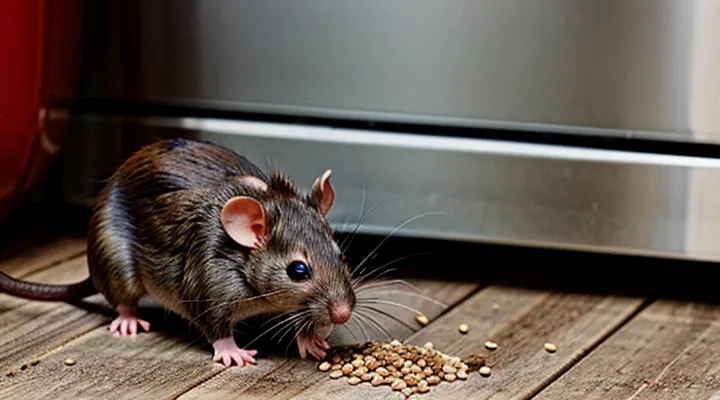
Understanding Rat Dietary Needs
Essential Nutritional Requirements for Rats
Rats require a balanced diet that supplies adequate protein, fat, carbohydrates, fiber, vitamins, minerals, and water to support growth, reproduction, and immune function. Protein should constitute 14–20 % of daily caloric intake, with sources such as soy, egg, or animal meat providing essential amino acids. Fat supplies 5–10 % of calories, delivering essential fatty acids and facilitating absorption of fat‑soluble vitamins. Carbohydrates provide energy; a moderate proportion (40–50 % of calories) from digestible grains and starches maintains blood glucose stability.
Key micronutrients include:
- Vitamin A: retinal health, reproduction.
- Vitamin D3: calcium metabolism, bone development.
- Vitamin E: antioxidant protection.
- B‑complex vitamins (B1, B2, B6, B12, niacin, folic acid): metabolic pathways, nervous system maintenance.
- Vitamin C: not essential but beneficial for stress resistance.
- Calcium and phosphorus: skeletal integrity; ratio close to 1:1.
- Magnesium, potassium, sodium, zinc, iron, copper, selenium: enzymatic co‑factors, electrolyte balance.
Fiber, supplied by coarse grains, vegetables, and occasional fruits, promotes gastrointestinal motility and prevents cecal dysbiosis. Clean, fresh water must be available at all times.
Cooked buckwheat delivers carbohydrate energy, moderate protein (≈13 % of dry weight), and small amounts of magnesium, phosphorus, and B‑vitamins. It lacks sufficient calcium, vitamin A, and vitamin D3, and its fiber content is lower than that of raw whole grains. When incorporated into a rat’s diet, cooked buckwheat should be limited to a supplemental role, combined with fortified pellets or complementary foods that fulfill the missing nutrients. Excessive reliance on buckwheat can lead to deficiencies in calcium and fat‑soluble vitamins, compromising bone health and immune competence.
Foods to Avoid for Rats
Rats can safely eat cooked buckwheat when it is plain, unseasoned, and fully cooled. While buckwheat provides carbohydrates and some protein, many other foods pose serious health risks and should be excluded from a rat’s diet.
- Chocolate, caffeine, and alcohol: contain toxic compounds that can cause seizures, heart failure, or death.
- Raw or uncooked beans, especially kidney beans: contain lectins that damage intestinal lining and may be fatal.
- Avocado flesh and pits: contain persin, a toxin that leads to respiratory distress and heart damage.
- Citrus peels and large amounts of citrus juice: high acidity can irritate the stomach and cause diarrhea.
- Processed meats, salty snacks, and foods high in sodium: lead to dehydration, kidney strain, and hypertension.
- Sugary treats, candy, and artificial sweeteners (e.g., xylitol): result in obesity, dental problems, and hypoglycemia.
- Dairy products: many adult rats lack lactase, causing gastrointestinal upset and diarrhea.
- Bones, shells, and hard seeds: present choking hazards and can cause internal injury.
- Moldy or spoiled food: introduces mycotoxins that impair liver function and suppress the immune system.
When offering cooked buckwheat, serve only a modest portion as part of a balanced diet that includes fresh vegetables, high‑quality rat pellets, and occasional protein sources such as cooked eggs or lean meat. Avoid mixing buckwheat with sauces, butter, or seasoning, as added fats and salts introduce the same hazards listed above.
Cooked Buckwheat for Rats: The Facts
Nutritional Profile of Cooked Buckwheat
Macronutrients
Cooked buckwheat provides a balanced mix of macronutrients that can support a rat’s dietary needs when offered in moderation. The grain’s protein content, averaging 13 % of dry weight, supplies essential amino acids such as lysine and methionine, which are required for tissue growth and repair. Carbohydrates constitute roughly 70 % of the dry mass, primarily as complex starches that deliver sustained energy without causing rapid blood‑sugar spikes. Fat makes up about 3 % of the composition, delivering essential fatty acids and aiding the absorption of fat‑soluble vitamins.
When evaluating suitability for rats, consider the following points:
- Protein quality: Buckwheat’s amino‑acid profile complements the animal‑based proteins commonly present in a standard rodent diet, helping to meet the recommended 14–16 % protein intake for adult rats.
- Digestibility: Cooking gelatinizes starches, improving digestibility and reducing the risk of gastrointestinal distress that raw grains might cause.
- Fiber content: Approximately 10 % dietary fiber supports intestinal motility and microbiome health, but excess fiber can lead to loose stools; portion control is essential.
- Caloric density: At about 340 kcal per 100 g of cooked product, buckwheat fits within the caloric limits for a typical laboratory rat (≈15–20 kcal/day), provided it does not replace the majority of the formulated feed.
To incorporate cooked buckwheat safely, introduce it as a supplemental treat, limiting the portion to 5–10 % of the total daily food intake. Monitor the rats for changes in weight, coat condition, and stool consistency. If adverse effects appear, discontinue the addition and revert to a balanced commercial diet.
Micronutrients
Cooked buckwheat supplies rats with a range of micronutrients that contribute to physiological functions. The grain contains iron, which supports hemoglobin synthesis and oxygen transport. Magnesium, present in moderate amounts, participates in enzymatic reactions and neuromuscular activity. Zinc, essential for immune competence and wound healing, is also detectable in cooked buckwheat. Copper, selenium, and manganese appear in trace quantities, each influencing antioxidant defenses and metabolic pathways.
Vitamins in cooked buckwheat are limited but include B‑complex members such as thiamine (B1), riboflavin (B2), and niacin (B3). These vitamins facilitate carbohydrate metabolism and energy production. The grain lacks significant vitamin A, D, E, and K, requiring supplementation from other dietary sources to meet the complete vitamin profile required by laboratory or pet rats.
When incorporating cooked buckwheat into a rat’s diet, consider the following guidelines:
- Offer as a supplemental component, not the sole food source.
- Limit portion size to 5–10 % of total daily intake to avoid excess phosphorus and potential mineral imbalance.
- Complement with a balanced commercial rat chow that provides missing vitamins and minerals.
- Monitor for signs of digestive upset, as sudden increases in fiber can cause loose stools.
Properly prepared, cooked buckwheat enriches a rat’s micronutrient intake, but reliance on it alone fails to satisfy the full spectrum of essential vitamins and minerals. Integration with a complete diet ensures nutritional adequacy and supports overall health.
Potential Benefits of Cooked Buckwheat for Rats
Fiber Content
Cooked buckwheat contains approximately 2.7 g of dietary fiber per 100 g of edible portion. The fiber is primarily soluble, consisting of polysaccharides such as arabinogalactans and beta‑glucans, which can moderate blood glucose and support intestinal health in rodents.
For laboratory or pet rats, the standard daily fiber requirement ranges from 4 % to 6 % of total diet mass. Incorporating cooked buckwheat can contribute to this target, but the proportion must be balanced with other protein‑rich and fat‑rich components to avoid nutrient dilution.
Key considerations for fiber from cooked buckwheat:
- Digestibility: Heat processing softens the grain’s cell walls, improving fermentability by cecal microbes and reducing the risk of impaction.
- Quantity: A serving of 5–10 g of cooked buckwheat per 100 g of total feed supplies roughly 0.1–0.3 g of fiber, fitting within the recommended range without exceeding it.
- Potential issues: Excessive fiber (>10 % of diet) may lead to reduced caloric intake, weight loss, or loose stools; monitor body condition and fecal consistency regularly.
When introducing cooked buckwheat, start with a low inclusion level (1–2 % of the total diet) and increase gradually while observing the rats’ health indicators. This approach ensures that the fiber contribution supports gut function without compromising overall nutrition.
Vitamins and Minerals
Cooked buckwheat can serve as a source of micronutrients for laboratory and pet rats, provided the nutritional balance of the overall diet is maintained. The grain’s vitamin content includes modest levels of B‑complex vitamins—thiamine (B1), riboflavin (B2), niacin (B3), and pyridoxine (B6)—which support carbohydrate metabolism and nervous‑system function. Small quantities of vitamin E act as an antioxidant, while trace amounts of folate contribute to cellular replication.
- Thiamine: ~0.04 mg per 100 g
- Riboflavin: ~0.04 mg per 100 g
- Niacin: ~1.0 mg per 100 g
- Pyridoxine: ~0.10 mg per 100 g
- Vitamin E: ~0.6 mg per 100 g
- Folate: ~30 µg per 100 g
Mineral composition supplies phosphorus, magnesium, manganese, and zinc, each influencing bone health, enzyme activity, and immune response. The grain’s iron content is low, reducing the risk of overload in species prone to hemosiderosis. Sodium levels remain minimal, aligning with rats’ low‑salt dietary requirements.
- Phosphorus: ~120 mg per 100 g
- Magnesium: ~30 mg per 100 g
- Manganese: ~1.0 mg per 100 g
- Zinc: ~1.2 mg per 100 g
- Iron: ~0.5 mg per 100 g
- Sodium: <5 mg per 100 g
When integrating cooked buckwheat, ensure that total vitamin and mineral intake does not exceed the recommended daily allowances for rats. Supplementation may be necessary for nutrients present in limited quantities, such as calcium and vitamin D, to prevent skeletal deficiencies. Regular analysis of the complete diet will confirm that micronutrient ratios remain within optimal limits for growth, reproduction, and physiological stability.
Potential Risks and Considerations
Oxalates and Antinutrients
Oxalates are present in buckwheat at levels ranging from 200 mg to 500 mg per kilogram of raw grain. The compound forms insoluble calcium oxalate crystals that can precipitate in the renal tubules of rodents, potentially leading to nephrolithiasis if intake exceeds the species‑specific tolerable limit of approximately 30 mg kg⁻¹ day⁻¹. Cooking reduces soluble oxalate content by 20–30 % through leaching into the cooking water, yet residual amounts remain sufficient to warrant caution in a rat’s diet.
Buckwheat also contains antinutrients such as phytic acid, tannins, and protease inhibitors. Phytic acid chelates minerals (iron, zinc, calcium) and lowers their bioavailability; heat treatment decreases phytic acid by roughly 40 % but does not eliminate it. Tannins bind proteins and interfere with digestive enzymes, while protease inhibitors may impair protein digestion. The net effect of cooking is a moderate reduction in antinutrient activity without complete neutralization.
Practical considerations for feeding cooked buckwheat to rats:
- Limit inclusion to ≤10 % of total diet weight to stay below oxalate toxicity thresholds.
- Provide fresh water and calcium‑rich supplements to counteract calcium oxalate formation.
- Ensure thorough draining of cooking liquid to remove leached oxalates and soluble antinutrients.
- Monitor renal function and urinary calcium oxalate crystals in long‑term feeding trials.
When these guidelines are observed, cooked buckwheat can serve as a supplementary carbohydrate source without imposing significant oxalate‑related risk or severe antinutrient interference.
Preparation and Serving Recommendations
Cooked buckwheat can be a safe component of a pet rat’s diet when prepared correctly. Use plain water, avoid salts, sugars, or oils, and bring the grain to a boil. Simmer for 8–10 minutes until the kernels are tender but not mushy. Drain thoroughly and allow to cool to room temperature before serving.
- Portion size: ½ to 1 teaspoon per adult rat, adjusted for activity level and overall diet.
- Frequency: Offer 2–3 times weekly; treat as a supplement, not a staple.
- Mixing: Combine with a small amount of high‑protein pellet or fresh vegetable to balance nutrients.
- Monitoring: Observe for digestive upset for 24 hours; discontinue if diarrhea or vomiting occurs.
Store leftover cooked buckwheat in a sealed container in the refrigerator for up to three days. Reheat briefly or serve cold; do not re‑boil, as repeated heating degrades nutritional quality. Ensure each serving is free of mold or strong odor before placement in the cage.
Cooking Method
Rats can safely consume buckwheat when it is cooked using a simple, bland method that preserves nutritional value while eliminating potential digestive irritants.
- Rinse raw buckwheat thoroughly under cold water to remove dust and residual hull fragments.
- Place the rinsed grains in a saucepan with a water‑to‑grain ratio of approximately 2 : 1.
- Bring the mixture to a rolling boil, then reduce heat to maintain a gentle simmer.
- Cook for 10–12 minutes, or until the grains are tender but not mushy; excess water should be fully absorbed.
- Remove from heat, allow the buckwheat to cool to room temperature, and serve plain, without added salt, butter, oil, or seasoning.
Boiling neutralizes naturally occurring phenolic compounds that can cause mild gastrointestinal upset in rodents. The absence of fats and sodium prevents unnecessary strain on the rat’s cardiovascular and renal systems. Cooling the cooked product before offering it ensures that the temperature will not injure the animal’s oral tissues.
Store any unused portion in an airtight container within the refrigerator for up to three days. Reheat gently if a warm serving is preferred, avoiding microwave hotspots that could create uneven temperatures.
Portion Size
Rats may safely include cooked buckwheat in their diet, but the amount must be limited to prevent nutritional imbalance and excess calories. A typical adult laboratory rat (approximately 250 g) can be offered 1–2 g of cooked buckwheat per day, which represents roughly 0.4–0.8 % of its body weight. Younger or smaller rats should receive proportionally less, while larger breeding or growth‑focused individuals may tolerate up to 3 g.
Guidelines for serving cooked buckwheat:
- Measure by weight, not by volume, to ensure consistency.
- Present the food in small, bite‑size pieces to facilitate chewing.
- Combine with a balanced rodent chow that supplies protein, fat, vitamins, and minerals.
- Observe the animal for signs of digestive upset; reduce or discontinue if diarrhea or reduced appetite occurs.
Adjust portions based on the rat’s overall diet composition, activity level, and health status. Regular monitoring of body condition and weight will indicate whether the chosen amount supports normal growth without excess weight gain.
Frequency of Feeding
Rats can include cooked buckwheat in their diet, but it should be treated as an occasional supplement rather than a staple. The grain provides carbohydrates, fiber, and a modest amount of protein, yet it lacks the complete amino‑acid profile and essential fats that a balanced rodent diet requires.
Feeding cooked buckwheat too often can displace nutritionally superior foods such as high‑quality pellets, fresh vegetables, and lean animal protein. Over‑reliance may lead to weight gain, digestive upset, or nutrient deficiencies.
Suggested feeding frequency
- Offer a small portion (no more than one teaspoon) once or twice a week.
- Ensure the buckwheat is fully cooked, unseasoned, and cooled to room temperature.
- Observe the animal for any signs of intolerance before increasing the amount or frequency.
If a rat shows no adverse reaction, the weekly limit may be extended to three servings, but the total quantity should never exceed 5 % of the animal’s overall caloric intake. Regular monitoring of body condition and health markers remains essential.
Alternative Safe Grains and Carbohydrates for Rats
Recommended Grains
Rats thrive on a diet that includes a variety of grains, providing carbohydrates, fiber, and essential nutrients. When evaluating cooked buckwheat for rodent consumption, compare it with other grains that are widely accepted as safe and nutritionally beneficial.
Commonly recommended grains for pet rats are:
- Oats (plain, rolled, or cooked without added salt)
- Brown rice (cooked, unsalted)
- Quinoa (cooked, rinsed to remove saponins)
- Barley (cooked, unsweetened)
- Whole wheat (cooked, plain)
These grains supply steady energy, support digestive health, and contain vitamins such as B-complex and minerals like magnesium and phosphorus. They should be offered in moderation, comprising no more than 10‑15 % of the overall diet to prevent obesity and nutrient imbalance.
Cooked buckwheat fits within this framework when prepared correctly: boil until soft, drain thoroughly, and serve at room temperature. Avoid adding butter, oil, sugar, or seasoning, as these additives can cause gastrointestinal distress or contribute to weight gain. Limit portions to a tablespoon per day for an adult rat, adjusting for size and activity level.
A balanced regimen pairs grains with high‑quality protein sources (e.g., boiled eggs, mealworms) and fresh vegetables. Regularly monitor body condition and stool consistency to ensure the grain component supports health without adverse effects.
Other Safe Carbohydrate Sources
Rats require readily digestible carbohydrates for energy and gut health. Cooked buckwheat provides a suitable option, but several additional carbohydrate foods are equally safe when prepared properly.
- Cooked oatmeal: Plain rolled oats boiled until soft; avoid added sugars or flavorings.
- Steamed rice: White or brown rice cooked without salt; ensure grains are fully softened.
- Mashed sweet potato: Peeled, boiled, and mashed; no butter or seasoning.
- Cooked quinoa: Rinsed and boiled; remove any residual saponins by thorough rinsing.
- Plain whole‑grain pasta: Boiled until tender; serve without sauce or cheese.
- Cooked barley: Softened by boiling; suitable in moderate portions.
Each item should be offered at room temperature, in small quantities, and without added fats, salts, or spices. Regular rotation of these sources helps maintain nutritional balance and prevents dietary monotony.