
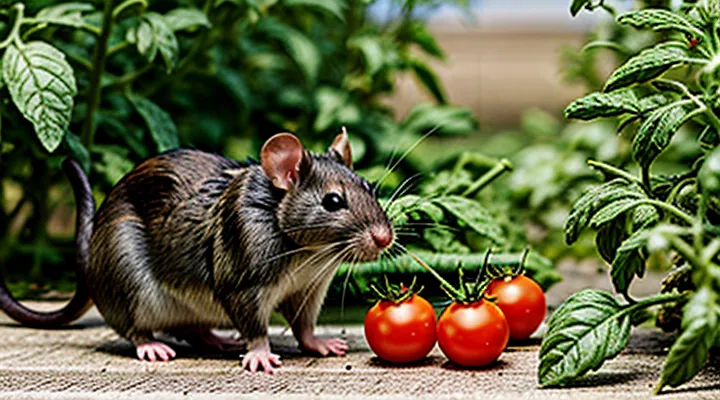
Understanding Rat Diet
What Do Rats Naturally Eat?
Rats are omnivorous mammals that obtain nutrients from a wide range of food sources in their natural habitats. Their diet consists primarily of:
- Grains and seeds (wheat, barley, corn, millet)
- Plant material (leaves, stems, roots, fruits)
- Insects and other small arthropods
- Eggs and occasional carrion
Wild rats also exploit human‑derived foods when available, such as discarded vegetables, fruit skins, and processed scraps. Their digestive system can handle both carbohydrate‑rich plant matter and protein‑rich animal matter, allowing flexibility in varied environments.
When evaluating the suitability of cherry tomatoes for rats, consider the fruit’s composition: high water content, moderate sugars, and a thin skin that is easily chewed. The flesh poses no toxic risk, but the plant’s leaves and stems contain solanine, a compound harmful to rodents. Therefore, only the ripe fruit should be offered, and in limited quantities to avoid gastrointestinal upset from excess acidity or sugar.
In summary, rats naturally consume a balanced mix of grains, vegetation, and animal protein. Cherry tomato fruit fits within the plant component of that diet, provided the non‑edible parts are excluded and portions remain moderate.
Essential Nutrients for Rats
Rats require a balanced intake of specific nutrients to maintain health, growth, and reproductive function. Understanding these requirements clarifies whether cherry tomatoes can serve as a suitable component of a rat’s diet.
- Protein: 15‑20 % of daily intake; sources include soy, mealworms, boiled egg, lean meat.
- Fat: 5‑10 % of calories; provided by seeds, nuts, and occasional animal fat.
- Carbohydrates: 45‑55 % of diet; supplied by grains, vegetables, and fruits.
- Fiber: 3‑5 % for gastrointestinal motility; found in leafy greens and coarse pellets.
- Vitamins:
- A – vision and epithelial health.
- C – antioxidant protection, not essential for rats but beneficial.
- D – calcium metabolism (synthesized from UV exposure).
- E – membrane integrity.
- B‑complex – energy metabolism.
- Minerals:
- Calcium & phosphorus – bone formation (Ca : P ratio ≈ 2 : 1).
- Magnesium, potassium, sodium – electrolyte balance.
- Iron, zinc, copper, selenium – enzymatic functions.
- Water: continuous access to clean drinking water.
- Essential fatty acids: omega‑3 and omega‑6 for neural development.
Cherry tomatoes contain water, modest fiber, vitamin C, vitamin A, potassium, and trace antioxidants. They lack sufficient protein, fat, calcium, and most B‑vitamins, making them nutritionally incomplete for rats.
When incorporating cherry tomatoes, treat them as an occasional supplement rather than a primary food source. A balanced regimen should consist of high‑quality commercial rat pellets, fresh greens, occasional protein treats, and limited fruit or vegetable pieces such as cherry tomatoes, ensuring total nutrient intake meets the specifications listed above.
Cherry Tomatoes: A Nutritional Breakdown
Nutritional Value of Tomatoes
Vitamins and Minerals in Cherry Tomatoes
Cherry tomatoes contain a range of micronutrients that influence rodent nutrition. Each 100 g of fresh fruit provides approximately 18 mg of vitamin C, 13 µg of vitamin K1, and 0.9 mg of vitamin E. The same portion supplies 0.2 mg of thiamine (B1), 0.1 mg of riboflavin (B2), and 0.2 mg of niacin (B3). Folate levels reach about 15 µg per 100 g, supporting cellular metabolism.
Mineral content includes:
- Potassium: 237 mg
- Magnesium: 11 mg
- Phosphorus: 30 mg
- Calcium: 18 mg
- Iron: 0.3 mg
- Zinc: 0.2 mg
These nutrients contribute to energy production, bone maintenance, and antioxidant defenses. The low caloric density (≈18 kcal per 100 g) and high water content make cherry tomatoes a suitable occasional component of a rat’s diet, provided they are offered in moderation and without pesticide residues.
Water Content
Cherry tomatoes consist of approximately 94–95 % water by weight, a proportion slightly higher than that of larger tomato varieties, which typically contain 92–93 % water. The remaining mass includes carbohydrates, fiber, vitamins, and trace minerals.
High moisture levels provide a readily available source of hydration for small mammals. When rats ingest water‑rich produce, the fluid contributes to daily water intake, while the soluble sugars and acids aid in gastrointestinal motility. Excessive consumption, however, can overwhelm the digestive tract, leading to loose stools or mild dehydration if the animal reduces its regular water supply.
Guidelines for offering cherry tomato flesh to pet rats:
- Limit fresh portions to 1–2 grams per 100 g body weight per day (roughly a quarter of a medium cherry tomato for a typical adult rat).
- Remove seeds and any stem material to reduce choking risk and fiber overload.
- Serve the fruit chilled or at room temperature; avoid heating, which lowers water content and alters texture.
- Complement with a constant source of clean drinking water to maintain proper fluid balance.
Monitoring body weight and stool consistency after introducing cherry tomato pieces helps determine individual tolerance and prevents adverse effects related to the fruit’s high water content.
Potential Risks of Tomatoes for Rats
Solanine Content
Cherry tomatoes contain solanine, a glycoalkaloid that can be toxic to mammals at high concentrations. The compound is primarily concentrated in the green parts of the fruit—unripe skin, stems, and leaves—while ripe red flesh holds only trace amounts, typically below 2 mg per kilogram of fresh weight. For rodents, the toxic threshold is estimated at approximately 75 mg of solanine per kilogram of body weight. A standard laboratory rat (≈250 g) would require an intake of about 18.75 mg to reach a potentially harmful dose.
Key points regarding solanine in cherry tomatoes:
- Unripe green portions: up to 15 mg/kg; risk increases if rats consume large volumes.
- Ripe red flesh: generally <2 mg/kg; unlikely to cause toxicity even with frequent feeding.
- Leaves and stems: can contain 30 mg/kg or more; should be excluded from rodent diets.
When evaluating whether rats may safely eat cherry tomatoes, consider the following practical guidelines:
- Offer only fully ripened fruit, discarding any green or partially green tomatoes.
- Remove stems and any residual leaf material before presentation.
- Limit the serving size to a few berries per day, ensuring the total solanine intake remains far below the toxic threshold.
Adhering to these measures keeps solanine exposure minimal, allowing rats to enjoy cherry tomatoes without appreciable health risk.
Acidity Levels
Cherry tomatoes contain organic acids that give them a characteristic sharp taste. The pH of ripe cherry tomatoes typically ranges from 4.2 to 4.5, placing them in the mildly acidic category. This acidity is primarily due to citric and malic acids, which are present in concentrations of 0.5–1.0 % by weight.
Rats are capable of tolerating moderate acidity. Their stomachs secrete hydrochloric acid at pH 1–2, far lower than that of cherry tomatoes, and their gastrointestinal tract can neutralize mildly acidic foods without adverse effects. However, excessive consumption of highly acidic items may lead to:
- Temporary stomach irritation
- Reduced appetite
- Minor electrolyte imbalance
To keep acidity within a safe margin for laboratory or pet rats, consider the following guidelines:
- Offer cherry tomatoes in small, bite‑size pieces (no larger than 5 mm).
- Limit intake to a maximum of 2–3 pieces per day for an adult rat weighing 250–300 g.
- Observe for signs of discomfort, such as reduced drinking or changes in fecal consistency.
- Provide fresh water and a balanced diet rich in fiber to aid digestion.
When these precautions are followed, the natural acidity of cherry tomatoes does not pose a health risk to rats and can be included as a occasional treat.
Pesticide Residues
Pesticide residues on cherry tomatoes determine the safety of offering these fruits to rats. Residues may include organophosphates, neonicotinoids, or pyrethroids, each possessing neurotoxic properties that can affect rodent physiology. Even low concentrations can cause tremors, reduced feeding behavior, or organ damage, depending on the compound’s potency and the animal’s exposure duration.
Key considerations for evaluating residue risk:
- Verify the pre‑harvest interval (PHI) compliance; residues decline sharply after the recommended waiting period.
- Review the specific pesticide’s maximum residue limit (MRL) for tomatoes and compare it with analytical results from the batch intended for feeding.
- Assess cumulative exposure by accounting for other dietary sources that may contain the same chemicals.
- Consider the rat’s age and health status; juveniles and compromised individuals are more vulnerable to toxic effects.
If residue analysis shows levels below established MRLs and the PHI has been observed, the tomatoes can be considered safe for rat consumption. Exceeding these thresholds warrants exclusion of the fruit from the diet to prevent adverse health outcomes.
Small Quantities and Moderation
Rats can safely consume cherry tomatoes when the portion is limited and the fruit is introduced gradually. The high water content and modest sugar level make the vegetable a suitable occasional treat, but excessive intake may cause digestive upset due to acidity and fiber overload.
Nutritional benefits include vitamin C, potassium, and antioxidants, which support immune function and cellular health. These compounds complement a balanced rodent diet that primarily consists of commercial pellets, fresh greens, and protein sources.
Guidelines for offering cherry tomatoes:
- Provide no more than one or two small segments per day for an adult rat; younger rats should receive half that amount.
- Remove seeds and any bruised or mold‑affected areas before feeding.
- Offer the fruit as a supplement, not a staple, ensuring that pellets remain the main calorie source.
- Observe the animal for signs of diarrhea, excessive licking, or reduced appetite, and discontinue the treat if symptoms appear.
Moderation prevents nutrient imbalance and reduces the risk of gastrointestinal distress, allowing rats to enjoy the occasional flavor of cherry tomatoes without compromising overall health.
Ripe vs. Unripe Tomatoes
Rats that are offered cherry tomatoes should receive only fruit that has reached full ripeness. Unripe tomatoes contain higher concentrations of solanine and tomatine, glycoalkaloid compounds that can cause gastrointestinal upset, reduced appetite, and, in severe cases, neurological disturbances in rodents. These toxins diminish as the fruit matures, making ripe tomatoes considerably safer for consumption.
Key differences between ripe and unripe cherry tomatoes:
- Solanine/Tomatine levels: Elevated in green or partially green fruit; drop sharply after full coloration.
- Taste and texture: Unripe tomatoes are hard and acidic, discouraging natural feeding behavior; ripe tomatoes are soft and sweet, encouraging voluntary intake.
- Nutrient profile: Ripe fruit offers higher levels of vitamin C, beta‑carotene, and antioxidants, providing modest nutritional benefit to rats.
If a rat is introduced to cherry tomatoes, provide only fully red fruit, remove stems and any remaining green parts, and limit the portion to no more than 5 % of the animal’s daily diet. Monitoring for signs of digestive distress after the initial offering is advisable.
Preparation is Key
Washing Tomatoes
Rats can safely consume cherry tomatoes only if the fruit is thoroughly cleaned. Residual soil, pesticides, and microbial contaminants pose health risks for small mammals; proper washing removes these hazards.
Effective cleaning involves several precise actions:
- Rinse under cool, running water to dislodge loose debris.
- Apply a soft brush to the surface, especially around the stem scar, to scrub away stubborn residues.
- Submerge the tomatoes in a solution of one part white vinegar to three parts water for one minute; the mild acidity neutralizes many surface microbes.
- Rinse again with clean water to eliminate any vinegar taste.
- Pat dry with a clean cloth or paper towel before offering the fruit to the rat.
After washing, store the tomatoes in a perforated container in the refrigerator. Refrigeration limits bacterial growth, extending the fruit’s suitability for rodent consumption. Avoid using harsh detergents or bleach, as residues can be toxic to rats. By following these steps, the fruit remains nutritious and free from contaminants, ensuring that rats receive the intended dietary benefits without unnecessary health risks.
Removing Stems and Leaves
Feeding cherry tomatoes to pet rats requires careful preparation to avoid digestive irritation. The fruit’s skin is soft and generally safe, but the attached stems and leaves contain higher concentrations of solanine, a natural toxin that can cause gastrointestinal upset in rodents.
Before offering the fruit, remove all green parts:
- Cut off the stem at the base of the tomato.
- Peel away any leafy material adhering to the stem.
- Inspect the fruit for residual leaf fragments and discard them.
After trimming, wash the tomatoes thoroughly with cool water to eliminate pesticide residues. Slice the cleaned fruit into bite‑size pieces appropriate for the rat’s size, then present it as an occasional treat, not a dietary staple. This procedure minimizes exposure to harmful compounds while allowing rats to enjoy the nutritional benefits of cherry tomatoes.
Health Benefits of Cherry Tomatoes for Rats (in moderation)
Antioxidant Properties
Cherry tomatoes are rich in antioxidant compounds, notably lycopene, vitamin C, and various flavonoids. These substances neutralize free radicals, reducing oxidative stress in mammalian cells. In laboratory rats, dietary inclusion of lycopene has been shown to lower markers of lipid peroxidation and improve hepatic antioxidant enzyme activity.
Key antioxidants present in cherry tomatoes:
- Lycopene – a carotenoid with strong singlet‑oxygen quenching ability; enhances plasma antioxidant capacity in rodents.
- Vitamin C – water‑soluble scavenger of reactive oxygen species; supports regeneration of other antioxidants.
- Flavonoids (e.g., quercetin, kaempferol) – modulate signaling pathways involved in cellular defense mechanisms.
When rats consume cherry tomatoes, the digestive tract efficiently extracts these molecules, allowing systemic distribution. Studies indicate that moderate intake (approximately 5 % of total diet weight) can improve oxidative balance without adverse effects. Excessive consumption may lead to gastrointestinal irritation due to the fruit’s acidity, but antioxidant benefits remain evident at typical feeding levels.
Overall, the antioxidant profile of cherry tomatoes provides measurable physiological advantages for rats, supporting cellular health and resistance to oxidative damage while posing minimal risk when offered in controlled amounts.
Hydration
Cherry tomatoes contain roughly 94 % water, providing a modest source of fluid for rats that consume them. This moisture can supplement a pet rat’s daily water intake, especially when fresh water is readily available.
Rats rely on steady hydration to maintain kidney function, regulate body temperature, and support metabolic processes. When cherry tomatoes form part of the diet, they contribute to overall fluid balance but should not replace clean drinking water.
Guidelines for incorporating cherry tomatoes:
- Offer only a few small pieces (1–2 cm) per day to avoid excess sugar.
- Ensure fresh water remains accessible at all times.
- Monitor the rat’s urine output and skin elasticity; reduced output or tented skin indicates dehydration risk.
- Adjust portion size if the rat shows signs of gastrointestinal upset, such as loose stools.
Hydration from cherry tomatoes complements, rather than substitutes, the primary water source. Consistent observation of drinking behavior and physical condition ensures the rat remains properly hydrated while enjoying the fruit.
What to Avoid When Feeding Rats Tomatoes
Unripe Tomatoes
Unripe cherry tomatoes contain solanine and tomatine, alkaloids that can cause gastrointestinal irritation, neurological symptoms, and reduced appetite in rodents. These compounds are concentrated in the green skin and stems; their levels decline as the fruit ripens and turns red.
Rats that ingest unripe fruit may exhibit:
- Vomiting or diarrhea
- Lethargy or tremors
- Decreased food intake
Because of these toxic effects, unripe cherry tomatoes are unsuitable for rat diets. Only fully ripened fruit, with minimal green coloration, should be offered if any tomato consumption is intended.
Tomato Plants and Leaves
Tomato foliage contains alkaloids, primarily solanine and tomatine, that are toxic to mammals at sufficient doses. These compounds concentrate in young leaves, stems, and unripe fruit. Adult rats can ingest small amounts without immediate lethal effect, but repeated consumption leads to gastrointestinal irritation, neurological symptoms, and potential organ damage.
Key considerations for rodent exposure to tomato plants:
- Solanine levels rise in older, yellowing leaves; younger leaves retain lower concentrations but remain harmful.
- Tomatine disrupts cell membranes, causing hemolysis; even brief ingestion may produce vomiting or diarrhea in rats.
- Toxicity thresholds vary with body weight; a 250‑gram rat requires approximately 0.5 g of fresh leaf material to exhibit mild symptoms, while larger quantities increase risk of severe outcomes.
- Mechanical damage to plants (pruning, trampling) releases leaf fragments that rats may gnaw, raising accidental exposure risk.
Feeding cherry tomatoes themselves presents minimal danger when the fruit is fully ripe, as alkaloid concentrations decline sharply. However, the presence of surrounding foliage or stray leaf matter can compromise the safety of offering these fruits to rats. Proper removal of all tomato plant debris eliminates the primary source of toxicity.
Processed Tomato Products
Rats that are given cherry tomatoes as a fresh snack may also encounter tomato products that have been altered by cooking, concentration, or the addition of preservatives. Understanding the nutritional and toxicological profile of these processed items is essential for safe feeding.
Processed tomato foods typically contain higher levels of natural acids, sugars, and salts. The concentration of lycopene and other antioxidants increases, but the heat treatment that creates sauces, pastes, and ketchup also reduces the presence of the plant hormone ethylene, which is not a concern for rodents. The primary risk derives from added ingredients: sodium, sugars, spices, and especially preservatives such as benzoates, sulfites, or artificial sweeteners. These additives can cause gastrointestinal irritation, electrolyte imbalance, or metabolic disturbances in small mammals.
Key considerations for feeding rats processed tomato products:
- Ingredient list – Accept only products that list tomatoes as the sole ingredient or include minimal, non‑toxic additives (e.g., a pinch of salt).
- Sodium content – Keep sodium below 0.1 % of the total diet; excessive salt can lead to hypertension and kidney strain.
- Sugar level – Avoid formulations with added sugars or high‑fructose corn syrup; rats are prone to obesity and dental decay when exposed to sugary foods.
- Preservatives – Exclude items containing benzoic acid, sulfites, or artificial sweeteners (e.g., xylitol), which are known to be toxic to rodents.
- Portion size – Offer no more than 5 % of the daily caloric intake in processed tomato form; excess calories disrupt balanced nutrition.
When a processed tomato product meets these criteria, it can serve as a supplemental source of vitamins A and C, as well as lycopene, without posing significant health threats. However, fresh cherry tomatoes remain the preferred choice because they lack added salts, sugars, and preservatives.
Alternative Safe Treats for Rats
Fruits and Vegetables
Rats thrive on a varied diet that includes fruits and vegetables, which supply essential vitamins, minerals, and fiber. Proper selection and moderation prevent nutritional imbalances and digestive disturbances.
Cherry tomatoes contain lycopene, vitamin C, and potassium, nutrients that support rat health when offered in small amounts. Their acidity and seed content can irritate the gastrointestinal tract if consumed excessively, and pesticide residues pose a toxic risk.
Feeding recommendations:
- Wash thoroughly to remove chemicals.
- Remove stems and any bruised portions.
- Offer no more than one or two cherry tomatoes per week, sliced into bite‑size pieces.
- Observe the animal for signs of diarrhea or reduced appetite after introduction.
Integrating cherry tomatoes within a balanced regimen of commercial rodent pellets, lean protein sources, and other safe fruits and vegetables maintains overall wellbeing.
Commercial Rat Treats
Pet rat owners frequently ask whether small fruits such as cherry tomatoes are suitable for their animals. While occasional fruit can add variety, commercially produced rat treats deliver a predictable balance of nutrients that fruit alone cannot provide.
Commercial rat treats are formulated to meet the dietary requirements of rodents. Typical components include:
- High‑quality animal protein (e.g., soy, whey, or insect meal) to support growth and muscle maintenance.
- Complex carbohydrates and soluble fiber for digestive health.
- Added vitamins (A, D, E, B‑complex) and minerals (calcium, phosphorus, magnesium) to prevent deficiencies.
- Low‑glycemic sweeteners or natural fruit extracts for palatability without excess sugar.
- Absence of artificial colors, preservatives, and known rodent toxins.
Regulatory oversight ensures that ingredients meet safety standards for small mammals. Manufacturers test batches for contaminants, heavy metals, and microbial load, providing a reliable alternative to ad‑hoc feeding.
When compared with cherry tomatoes, commercial treats offer several advantages:
- Consistent nutrient profile versus variable vitamin and mineral content in fruit.
- No pesticide residues that may be present on conventionally grown tomatoes.
- Controlled fiber and sugar levels, reducing the risk of gastrointestinal upset or obesity.
- Inclusion of essential amino acids and fatty acids absent from fruit.
For a balanced diet, integrate commercial treats as a supplement rather than a primary food source. Offer treats in moderation—approximately 5 % of total daily caloric intake—and combine with a base of high‑quality rodent pellets, fresh water, and occasional fresh produce such as cherry tomatoes. This approach maximizes health benefits while minimizing nutritional gaps.