
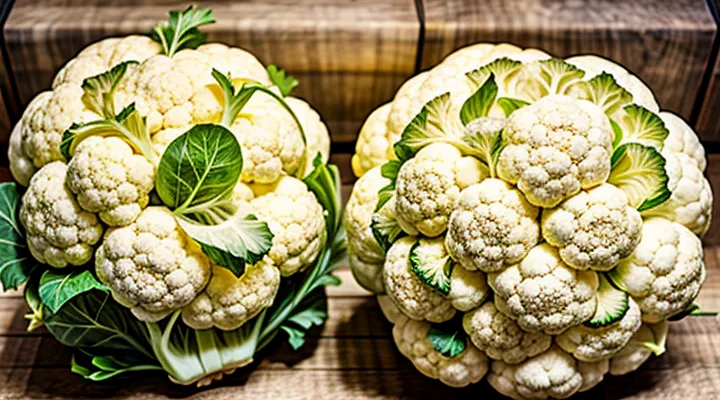
Cauliflower and Rats: The Nutritional Breakdown
What is Cauliflower?
Cauliflower (Brassica oleracea var. botrytis) belongs to the Brassicaceae family, which also includes broccoli, cabbage, and kale. The plant develops a compact head composed of tightly packed, white inflorescence meristems that are harvested before the flowers open.
The edible portion consists primarily of the undeveloped flower buds, surrounded by thick, fleshy leaves that protect the head. The head is low in calories, dense in water, and structurally firm, making it suitable for raw or cooked preparation.
Nutritional composition per 100 g of raw cauliflower:
- Energy: 25 kcal
- Protein: 1.9 g
- Carbohydrate: 4.9 g (including 2 g dietary fiber)
- Fat: 0.3 g
- Vitamin C: 46 mg (≈77 % of daily value)
- Vitamin K: 15.5 µg
- Folate: 57 µg
- Potassium: 320 mg
- Calcium: 22 mg
- Phytochemicals such as glucosinolates and flavonoids
For rats, cauliflower offers a source of fiber, vitamin C, and micronutrients, but it also contains compounds that may affect thyroid function and mineral absorption. Potential concerns include:
- Glucosinolates, which can convert to goitrogenic substances at high intake levels.
- Oxalates, present in small amounts, that may contribute to calcium binding.
- High fiber content, which can cause gastrointestinal upset if introduced abruptly.
Incorporating cauliflower into a rodent diet should involve gradual introduction, moderation (no more than 5–10 % of total food weight), and observation for any adverse reactions. Cooking (steaming) reduces glucosinolate activity and improves digestibility, enhancing safety for the animal.
Nutritional Profile of Cauliflower Relevant to Rats
Vitamins and Minerals
Rats can safely consume cauliflower when it is offered as part of a balanced diet. The vegetable supplies several micronutrients that align with the nutritional needs of laboratory and pet rodents.
Cauliflower delivers the following vitamins and minerals in amounts that contribute to overall health:
- Vitamin C – antioxidant, supports immune function; rats synthesize this vitamin internally, so dietary intake is supplemental.
- Vitamin K – essential for blood clotting and bone metabolism.
- Vitamin B6 – involved in protein metabolism and neurotransmitter synthesis.
- Folate (vitamin B9) – participates in DNA synthesis and cell division.
- Potassium – regulates fluid balance and nerve transmission.
- Calcium – required for skeletal development and muscle contraction.
- Magnesium – co‑factor for many enzymatic reactions, influences energy production.
- Phosphorus – works with calcium to maintain bone integrity.
When incorporating cauliflower into a rat’s regimen, observe the following guidelines:
- Offer raw or lightly steamed florets; avoid heavy seasoning, oil, or butter.
- Limit portions to 5–10 % of total daily food intake to prevent excess fiber, which can cause gastrointestinal discomfort.
- Provide a variety of other vegetables and a complete rodent chow to ensure all essential nutrients are covered.
- Monitor the animal for signs of digestive upset, such as loose stools, and adjust the amount accordingly.
The micronutrient profile of cauliflower complements the standard laboratory diet, supplying vitamins and minerals that support growth, reproduction, and disease resistance. Properly portioned, it enhances dietary diversity without displacing the core nutrients delivered by formulated feed.
Fiber Content
Cauliflower provides a notable amount of dietary fiber, which can influence a rat’s gastrointestinal health. Raw cauliflower contains approximately 2 g of fiber per 100 g, primarily as insoluble cellulose. This fiber adds bulk to the digestive tract, promoting regular motility and helping to prevent constipation.
When including cauliflower in a rat’s diet, consider the following points:
- Limit servings to 10–15 g of raw cauliflower per 100 g of body weight per week to avoid excessive fiber intake.
- Offer small, bite‑size pieces to reduce the risk of choking and to allow gradual adaptation.
- Monitor fecal consistency; overly soft stools may indicate that fiber levels are too high.
Excessive fiber can interfere with nutrient absorption by accelerating passage through the intestines. Balanced inclusion of cauliflower, alongside a staple diet of grain‑based pellets and occasional protein sources, supports a well‑rounded nutritional profile without compromising digestive efficiency.
Water Content
Cauliflower consists of roughly 92 % water by weight, a proportion comparable to many leafy greens and higher than that of carrots (approximately 88 %). This high moisture level contributes significantly to a rat’s overall fluid intake when the vegetable is offered as part of a balanced regimen.
The water present in cauliflower is readily absorbed during chewing, helping to maintain adequate hydration without requiring additional drinking water. For small rodents that often consume dry pellets, incorporating a vegetable with such moisture can reduce the risk of dehydration, especially in warm environments.
Practical considerations for using cauliflower’s water content:
- Offer 1–2 grams of raw cauliflower per 100 grams of body weight daily; this amount supplies about 0.9–1.8 ml of water per gram of vegetable.
- Monitor stool consistency; excessive moisture may lead to loose feces, while insufficient amounts could contribute to dry, hard pellets.
- Combine with low‑water vegetables (e.g., broccoli) to balance overall fluid intake and prevent over‑hydration.
Overall, the substantial water fraction of cauliflower makes it a useful supplement for meeting the hydration needs of domesticated rats, provided portion sizes are controlled and the vegetable is introduced gradually.
Can Rats Eat Cauliflower?
The Good: Benefits of Cauliflower for Rats
Potential Health Advantages
Cauliflower provides rats with several nutrients that can support physiological function. The vegetable contains vitamin C, which contributes to immune competence, and vitamin K, essential for blood clotting mechanisms. Its mineral profile includes potassium and calcium, both required for electrolyte balance and bone health.
Key health advantages include:
- Dietary fiber: promotes gastrointestinal motility and stabilizes gut microbiota.
- Glucosinolates: metabolize into compounds with antioxidant activity, potentially reducing oxidative stress.
- Folate: aids in DNA synthesis and repair, supporting rapid cell turnover in young rodents.
- Low caloric density: allows inclusion in a balanced diet without excessive energy intake.
When introducing cauliflower, limit portions to 5–10 % of total daily food weight to prevent digestive upset. Monitor for signs of gas accumulation, as the high fiber content may cause transient bloating. Regular assessment of body condition and stool consistency ensures the vegetable’s benefits are realized without adverse effects.
Hydration and Fiber
Cauliflower supplies a notable amount of moisture, with roughly 92 % water by weight. When offered to pet rats, the vegetable contributes to daily fluid intake, but it does not replace the need for a constant supply of clean drinking water. Monitor water bowls to ensure they remain full, especially after introducing fresh produce that may increase overall fluid consumption.
The vegetable’s fiber is primarily insoluble, aiding intestinal motility and preventing stool hardening. A modest serving—approximately one‑quarter of a teaspoon of chopped cauliflower per 100 g of body weight—provides enough bulk to support digestive health without overwhelming the gut. Excessive fiber can lead to diarrhea or reduced nutrient absorption; adjust portions if stools become loose.
Practical guidelines for incorporating cauliflower:
- Offer fresh, washed florets no more than three times per week.
- Limit each serving to the size of a small pea for an average‑sized rat.
- Keep water bottles or dishes accessible at all times; refill promptly after feeding.
- Observe fecal consistency daily; firm, moist pellets indicate adequate fiber and hydration.
- Reduce or pause cauliflower if the rat shows signs of dehydration (dry skin, sunken eyes) or gastrointestinal upset.
Balancing cauliflower’s moisture and fiber with regular water access and a varied diet ensures the vegetable contributes positively to a rat’s overall nutritional regimen.
The Bad: Potential Risks and Concerns
Digestive Issues
Cauliflower is a low‑calorie cruciferous vegetable rich in fiber, vitamin C, and folate. Rats can consume it, but the high fiber and complex carbohydrates may challenge their short gastrointestinal tract.
Excessive cauliflower can cause:
- Increased gas production from bacterial fermentation
- Bloating and abdominal discomfort
- Soft or watery stool due to rapid transit
To minimize these effects, follow these practical steps:
- Offer only a small piece (approximately ¼ of a teaspoon) per adult rat at a time.
- Introduce gradually, starting with a tiny portion and observing tolerance.
- Serve raw or lightly steamed; avoid heavy cooking that destroys nutrients.
- Limit frequency to 2–3 times per week, not daily.
Watch for signs of digestive upset: frequent loose feces, visible abdominal distension, reduced appetite, or lethargy. If any symptom persists beyond 24 hours, remove cauliflower from the diet and consult a veterinarian experienced with rodents.
Goitrogenic Compounds
Cauliflower contains glucosinolates that break down into isothiocyanates and thiocyanates, collectively known as goitrogenic compounds. These substances can interfere with iodine uptake by the thyroid gland, potentially reducing thyroid hormone production.
In rats, the impact of goitrogens depends on dietary iodine levels and the quantity of cauliflower consumed. When iodine intake is adequate, moderate cauliflower inclusion (up to 10 % of total diet by weight) typically does not cause measurable thyroid dysfunction. Excessive inclusion (above 20 % of diet) may lower serum thyroxine concentrations, especially in iodine‑deficient animals.
Practical guidance for feeding cauliflower to laboratory or pet rats:
- Verify that the overall diet supplies sufficient iodine (≈0.5 mg kg⁻¹ feed).
- Limit cauliflower to ≤10 % of the daily ration for healthy adult rats.
- For juvenile or pregnant rats, reduce the proportion further (≤5 %) to avoid stress on the developing endocrine system.
- Monitor thyroid function (e.g., serum T4, TSH) if cauliflower is a regular component of the diet.
When these conditions are met, cauliflower can be offered as a source of fiber, vitamins, and antioxidants without posing a significant goitrogenic risk to rats.
Pesticide Residues
Pesticide residues on cauliflower can affect the safety of a rat’s diet. Conventional cauliflower often carries residues from insecticides, fungicides, or herbicides applied during cultivation. These chemicals may persist on the surface even after harvest, and small mammals such as rats are sensitive to low‑dose exposure because of their rapid metabolism and high food intake relative to body weight.
Risk assessment for rats should consider the following factors:
- Residue type: organophosphates and carbamates are neurotoxic; pyrethroids can cause irritant effects; systemic fungicides may interfere with liver function.
- Residue level: regulatory limits for human consumption (e.g., 0.01 mg/kg for many pesticides) provide a benchmark, but rats may experience adverse effects at lower concentrations.
- Exposure frequency: occasional feeding of raw cauliflower with minimal residues poses less risk than daily consumption of heavily treated produce.
Mitigation strategies reduce potential harm:
- Purchase organic cauliflower when available; organic standards prohibit most synthetic pesticide applications.
- Rinse the vegetable under running water for at least 30 seconds, using a brush to remove soil particles.
- Soak in a dilute solution of food‑grade hydrogen peroxide (3 %) for 5 minutes, then rinse thoroughly.
- Steam or blanch cauliflower for 3–5 minutes; heat degrades many pesticide compounds and also softens the texture for easier chewing.
- Dry the cooked pieces completely before offering them to rats to prevent mold growth.
Monitoring the health of rats fed cauliflower includes observing appetite, weight stability, and behavior for signs of neurotoxicity (tremors, uncoordinated movement) or gastrointestinal upset (diarrhea, reduced feed intake). If any abnormal symptoms appear, discontinue cauliflower and consult a veterinarian.
In summary, pesticide residues represent a measurable risk when incorporating cauliflower into a rat’s diet. Selecting low‑residue produce, applying thorough cleaning and cooking methods, and watching for adverse reactions together provide a practical framework for safe feeding.
How to Feed Cauliflower to Rats
Preparation is Key
Washing Thoroughly
Cauliflower offered to pet rats must be free of soil, pesticide residues, and microbial contaminants. Thorough cleaning eliminates health risks and ensures the vegetable’s nutritional value is preserved.
- Separate florets from the core.
- Rinse under cool, running water, using your hands to agitate each piece.
- Submerge florets in a bowl of cold water; add a teaspoon of white vinegar or a mild produce‑wash solution.
- Let stand for 2–3 minutes, then swirl gently.
- Drain and rinse again under running water to remove any remaining solution.
- Pat dry with a clean kitchen towel or allow to air‑dry on a sterile rack before serving.
The washing process removes surface bacteria, pesticide traces, and debris that could cause digestive upset or respiratory irritation in rodents. After cleaning, store cauliflower in a perforated container within the refrigerator, using it within 48 hours to maintain freshness.
Providing rats with properly washed cauliflower supports safe dietary inclusion and maximizes the benefits of this low‑calorie, fiber‑rich vegetable.
Cooking vs. Raw
Rats can safely consume cauliflower, but the method of preparation influences nutrient availability and digestive tolerance. Raw florets retain the highest levels of vitamin C and glucosinolates, compounds that support immune function. However, the fibrous texture may cause mild gastrointestinal upset in some individuals, especially if introduced abruptly or offered in large quantities.
Cooking cauliflower reduces fiber rigidity and softens cell walls, making it easier for a rat’s digestive system to process. Heat diminishes glucosinolate concentration, slightly lowering the vegetable’s anti‑inflammatory potential, but it also improves palatability and reduces the risk of choking. Steaming for 3–5 minutes preserves most vitamins while achieving the desired texture; boiling for longer periods leads to nutrient leaching into the water, which should be discarded.
Feeding guidelines:
- Introduce cauliflower gradually, starting with ¼ teaspoon of finely chopped raw or steamed pieces per day.
- Observe stool consistency and behavior for 48 hours after each introduction.
- Limit total cauliflower intake to no more than 10 % of the rat’s daily fresh‑food allotment to maintain balanced nutrition.
- Avoid adding salts, butter, or sauces; serve plain.
- Ensure the vegetable is fresh, free from mold, and washed thoroughly to remove pesticide residues.
Both raw and lightly cooked cauliflower provide valuable nutrients for rats. Choose raw when the animal tolerates high‑fiber foods and rapid nutrient delivery is desired; opt for steamed when digestive comfort or texture preference is a concern. Consistent monitoring and moderation are essential for optimal health.
Serving Size and Frequency
Introducing New Foods
Introducing a new vegetable to a pet rat requires careful assessment of safety, preparation, and monitoring. Cauliflower offers fiber, vitamin C, and antioxidants, but its raw form can be tough for a rat’s digestive system. Begin with small, cooked portions to improve palatability and reduce potential gas production.
- Cook cauliflower lightly (steaming for 3–5 minutes) without salt or seasoning.
- Cool to room temperature before offering.
- Serve a bite‑sized piece (approximately 2–3 g) on a clean feeding platform.
- Observe the rat for 24 hours, noting any changes in stool consistency, appetite, or activity.
- If no adverse reaction occurs, gradually increase the portion by 1 g per week, not exceeding 5 % of the total daily diet.
Rats with pre‑existing gastrointestinal sensitivities or respiratory issues may react negatively to cruciferous vegetables. In such cases, consult a veterinarian before inclusion. Regular dietary variety supports oral health and mental stimulation, but each new item must be introduced incrementally and documented.
Moderation is Essential
Cauliflower can be part of a rat’s diet, but only in controlled amounts. Excessive portions introduce high fiber and compounds that may cause digestive upset, such as gas or diarrhea. Rats that receive large servings regularly can develop nutrient imbalances because cauliflower lacks sufficient protein and essential fats.
Guidelines for safe inclusion:
- Offer no more than one to two small florets per week for an adult rat.
- Introduce the vegetable gradually, starting with a single bite to monitor tolerance.
- Remove any uneaten pieces after a few hours to prevent spoilage and bacterial growth.
When cauliflower is served alongside a balanced mix of commercial pellets, fresh greens, and occasional protein sources, it contributes vitamins C and K without compromising overall nutrition. Overreliance on this single vegetable reduces intake of other necessary nutrients and may lead to weight fluctuations.
Regular observation of stool consistency and activity levels will reveal whether the current amount is appropriate. Adjust portion size promptly if signs of gastrointestinal distress appear. Consistent moderation ensures cauliflower remains a beneficial supplement rather than a dietary risk.
What Parts of Cauliflower Can Rats Eat?
Florets
Cauliflower florets are a low‑calorie source of fiber, vitamins C and K, and phytonutrients such as glucosinolates. These compounds provide antioxidant benefits and support digestive health in rodents when offered in moderation.
Rats can digest raw or lightly cooked florets without adverse effects, provided the pieces are small enough to prevent choking. Excessive consumption may lead to gas or mild diarrhea due to the high fiber and sulfur content.
Feeding guidelines:
- Offer 1–2 small florets (approximately 5 g) per 100 g of body weight, two to three times a week.
- Wash thoroughly to remove pesticide residues.
- If serving cooked, steam for no more than 3 minutes; avoid butter, oil, or seasoning.
- Observe the animal for changes in stool consistency or appetite after introduction.
Nutritional balance remains essential; florets should complement a diet primarily composed of commercial rat pellets, fresh fruits, and other vegetables. Overreliance on cauliflower can displace protein and essential fats required for growth and reproduction.
Stems and Leaves
Cauliflower stems and leaves are edible for rats but differ nutritionally from the florets. The stems contain fiber, vitamin C, and modest amounts of calcium, while the leaves provide similar nutrients with higher chlorophyll content. Both parts are low in fat and protein, making them suitable as occasional vegetables rather than primary food sources.
Safety depends on freshness and treatment. Raw stems and leaves may harbor pesticide residues; washing thoroughly removes most contaminants. Cauliflower belongs to the cruciferous family, which contains glucosinolates that can cause mild digestive upset if consumed in large quantities. Oxalic acid present in the leaves is low enough not to pose a risk when offered sparingly.
Feeding recommendations:
- Wash the vegetables under running water; consider blanching for one minute to reduce glucosinolate levels.
- Offer no more than one tablespoon of chopped stems or leaves per 100 g of body weight per week.
- Introduce the new material gradually, monitoring for changes in stool consistency or appetite.
- Avoid feeding wilted or discolored parts, as they may indicate decay.
When incorporated correctly, stems and leaves add variety to a rat’s diet without compromising health. Regular observation ensures the animal tolerates the vegetable and helps adjust portions as needed.
Alternative Vegetables for Rats
Safe and Healthy Options
Leafy Greens
Leafy greens provide essential vitamins, minerals, and fiber for pet rats. When evaluating whether cauliflower can be part of a rat’s diet, consider the same nutritional principles applied to greens.
Rats tolerate a variety of leafy vegetables, including:
- Romaine lettuce (moderate calcium, low oxalates)
- Spinach (high iron, but limited due to oxalic acid)
- Kale (rich in vitamin K, should be offered in small portions)
- Swiss chard (good source of magnesium, occasional feeding)
- Parsley (provides vitamin C, avoid excessive amounts)
These greens should be washed thoroughly, trimmed of thick stems, and served raw or lightly steamed to preserve nutrients and improve digestibility. Introduce new vegetables gradually, monitoring for changes in stool consistency or appetite.
Cauliflower, a cruciferous vegetable, contains glucosinolates that may cause mild gastrointestinal upset if over‑fed. A balanced approach allows a small piece of raw or steamed cauliflower once or twice a week, complemented by the leafy greens listed above. This strategy ensures adequate fiber intake while minimizing potential digestive issues.
Root Vegetables
Rats readily accept many root vegetables when offered in moderation. These foods supply carbohydrates, fiber, and vitamins that complement a standard laboratory or pet rat diet.
Carrots, sweet potatoes, and beets provide beta‑carotene, vitamin C, and potassium. When cooked, the texture becomes softer, reducing the risk of dental injury. Raw pieces should be cut into bite‑size portions to prevent choking.
- Carrot – high in beta‑carotene; feed raw or lightly steamed, up to 5 % of daily intake.
- Sweet potato – rich in complex carbs and vitamin A; steam and mash, limit to 3 % of diet.
- Beetroot – source of folate and manganese; offer cooked, no more than 2 % of total calories.
- Radish – low‑calorie, crunchy; serve raw in small slices, avoid excessive amounts due to peppery flavor.
- Turnip – provides vitamin C and fiber; cook briefly, limit to 2 % of daily ration.
Excessive root vegetable consumption may cause gastrointestinal upset or alter the balance of nutrients. Introduce each new item gradually, monitor stool consistency, and discontinue if diarrhea appears. Avoid adding salt, butter, or seasoning, as these compounds can be harmful to rodents.
Other Cruciferous Vegetables
Rats can tolerate a range of cruciferous vegetables, but each species presents distinct nutritional profiles and potential drawbacks. When expanding a rodent’s diet beyond cauliflower, consider the following items.
- Broccoli – Rich in vitamin C and fiber; best offered steamed or lightly boiled to reduce glucosinolate content. Limit to 1–2 grams per 100 g body weight to avoid gas formation.
- Kale – High in calcium and vitamin K; raw leaves may contain oxalic acid that impairs calcium absorption. Provide small, cooked portions and monitor for signs of urinary crystals.
- Brussels sprouts – Source of vitamin A and folate; strong flavor can deter some rats. Serve cooked and chopped, not exceeding 5 % of total daily intake.
- Cabbage – Supplies vitamin C and antioxidants; raw cabbage may cause bloating. Offer cooked or finely shredded raw pieces in modest quantities.
- Bok choy – Contains glucosinolates similar to cauliflower; mild flavor makes it acceptable for most rats. Light steaming reduces potential thyroid‑affecting compounds.
- Collard greens – Provide iron and fiber; raw leaves are fibrous and may irritate the digestive tract. Cook briefly before feeding.
General guidelines for all cruciferous vegetables:
- Introduce each new item gradually, observing the rat for changes in stool consistency or appetite.
- Cook vegetables to soften cell walls and lower anti‑nutrient levels; avoid adding salt, butter, or seasoning.
- Keep total cruciferous intake below 10 % of the overall diet to prevent excessive goitrogenic effects.
- Store fresh produce in the refrigerator, discard any wilted or moldy portions, and wash thoroughly before preparation.
By adhering to these practices, owners can safely diversify a rat’s diet with a variety of cruciferous greens while minimizing digestive upset and nutritional imbalances.
Vegetables to Avoid
Harmful or Toxic Choices
Rats can safely consume cauliflower when it is fresh, washed, and served in small, bite‑size pieces. The vegetable provides fiber, vitamin C, and potassium, which support digestive health and immune function. However, certain preparations and accompanying ingredients can introduce toxicity or digestive upset.
Raw or lightly steamed florets should be the only form offered. Avoid:
- Cooked cauliflower with added butter, oil, or salt, which can lead to excess fat intake and electrolyte imbalance.
- Cauliflower mixed with garlic or onions; these allium vegetables contain compounds that damage rat red blood cells.
- Processed cauliflower products such as chips, frozen mixes with sauces, or canned versions containing preservatives, sugars, or sodium.
- Cauliflower that shows signs of spoilage, mold, or rot, as mycotoxins may be present.
Feeding rats large quantities of any single vegetable, including cauliflower, can cause bloating, gas, or diarrhea due to the high fiber content. Limit portions to no more than one to two small florets per day, and rotate with other safe vegetables to maintain nutritional balance.
High-Sugar Vegetables
Rats thrive on a balanced diet that limits excessive simple sugars. Vegetables rich in natural sugars can disrupt glucose regulation, promote weight gain, and increase the risk of dental decay in rodents.
High‑sugar vegetables commonly offered to pet rats include:
- Carrots (≈ 4.7 g sugar per 100 g)
- Sweet corn kernels (≈ 6.3 g sugar per 100 g)
- Beets (≈ 6.8 g sugar per 100 g)
- Peas, fresh or frozen (≈ 5.7 g sugar per 100 g)
- Pumpkin (≈ 2.8 g sugar per 100 g)
These items contain more fermentable carbohydrates than leafy greens such as kale or low‑sugar options like broccoli and cauliflower. Elevated sugar intake can lead to rapid intestinal fermentation, producing gas and diarrhea, and may alter the gut microbiome unfavorably.
For optimal health, limit high‑sugar vegetables to occasional treats, not more than 5 % of total daily intake. Prioritize low‑sugar, fiber‑rich vegetables and supplement with protein sources. Monitor body condition and stool consistency after introducing any new vegetable; adjust portions if adverse effects appear.