
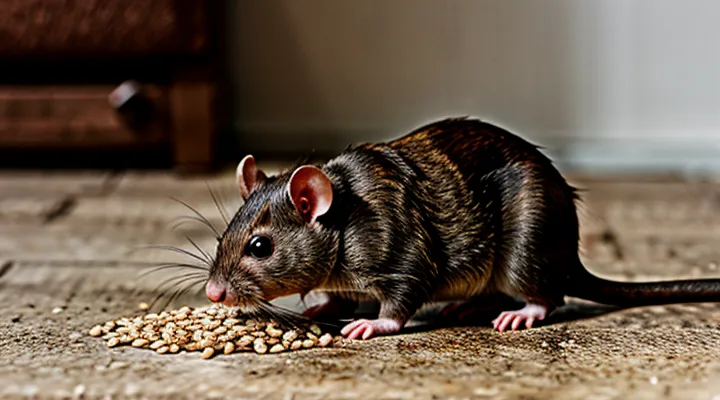
The Nutritional Value of Boiled Buckwheat for Rats
Key Nutrients in Buckwheat
Carbohydrates
Boiled buckwheat provides a high‑quality carbohydrate source for laboratory and pet rats. The grain consists primarily of complex starches, with a modest amount of simple sugars and dietary fiber. Starch accounts for roughly 70 % of the dry weight, delivering a steady release of glucose after digestion.
Rats possess pancreatic amylase and intestinal brush‑border enzymes capable of hydrolyzing buckwall‑derived starch efficiently. The resulting glucose enters the bloodstream, supporting basal metabolic rate, thermoregulation, and activity. Fiber in buckwheat contributes to gut motility and microbial fermentation, producing short‑chain fatty acids that supplement energy supply.
When incorporating boiled buckwheat into a rat diet, consider the following points:
- Ensure the grain is fully cooked and cooled to prevent thermal injury.
- Limit the portion to 10–15 % of total daily caloric intake to avoid excess carbohydrate load.
- Complement with protein‑rich foods (e.g., soy, insects) and essential fats to maintain a balanced nutrient profile.
- Monitor for signs of digestive upset, such as loose stools, which may indicate intolerance or over‑feeding.
Properly prepared boiled buckwheat can serve as a reliable carbohydrate component, contributing to the overall nutritional adequacy of rat feed.
Protein
Boiled buckwheat provides approximately 3.5 g of protein per 100 g of cooked product, with a balanced distribution of essential amino acids. The protein is primarily composed of globulins and albumins, which are readily digestible for rodents.
Laboratory rats require roughly 14–18 % protein in their diet to maintain growth, reproduction, and metabolic health. The protein contribution from a moderate serving of boiled buckwheat (≈30 g) supplies about 1 % of the daily requirement for an adult rat, indicating that buckwheat can serve as a supplemental source but cannot replace a complete rodent feed formulation.
Key nutritional attributes of buckwheat protein relevant to rat physiology:
- High lysine content, supporting collagen synthesis and tissue repair.
- Adequate methionine and cysteine levels, contributing to antioxidant defenses.
- Presence of tryptophan, influencing serotonin production and stress response.
Potential considerations:
- Buckwheat lacks sufficient levels of vitamin B12 and certain trace minerals; these must be provided by other dietary components.
- Excessive inclusion (>15 % of total diet) may lead to imbalanced amino acid ratios and reduced palatability.
- Cooking eliminates antinutritional factors such as fagopyrin, ensuring safe consumption.
Integrating boiled buckwheat as a modest proportion of a rat’s diet can enhance protein diversity without compromising nutritional adequacy, provided that the overall feed meets established protein and micronutrient standards.
Fiber
Fiber is a carbohydrate component resistant to enzymatic breakdown in the small intestine, reaching the large intestine where it influences microbial activity and stool bulk. In rodents, dietary fiber supports gut motility, fermentation, and nutrient absorption.
Boiled buckwheat supplies both soluble and insoluble fiber, though cooking reduces the proportion of intact insoluble fibers by softening cell walls. Approximately 2–3 g of total fiber per 100 g of cooked buckwheat remains available for fermentation by colonic bacteria.
In rats, moderate fiber from boiled buckwheat promotes:
- Regular bowel movements, preventing constipation;
- Production of short‑chain fatty acids that supply energy to colonocytes;
- Stabilization of blood glucose by slowing carbohydrate absorption.
Excessive fiber can dilute caloric density and cause diarrhea, especially in young or compromised individuals. A safe inclusion level is 5–10 % of the total diet weight, equivalent to 0.5–1 g fiber per 10 g of feed.
When offering boiled buckwheat to rats, combine it with a balanced protein source and monitor stool consistency. Adjust portions if signs of gastrointestinal upset appear, ensuring fiber contributes to, rather than overwhelms, the overall nutrient profile.
Vitamins and Minerals
Boiled buckwheat provides a range of micronutrients that support the physiological needs of laboratory and pet rats. The grain’s nutrient profile includes several vitamins and minerals essential for growth, metabolism, and immune function.
Key vitamins present in cooked buckwheat are:
- Vitamin B1 (thiamine): Facilitates carbohydrate metabolism and nerve transmission.
- Vitamin B2 (riboflavin): Involved in energy production and antioxidant defenses.
- Niacin (vitamin B3): Supports digestive health and skin integrity.
- Folate: Crucial for DNA synthesis and cell division.
Important minerals found in the same source are:
- Magnesium: Regulates muscle contraction and enzymatic reactions.
- Phosphorus: Contributes to bone mineralization and ATP formation.
- Iron: Required for hemoglobin synthesis and oxygen transport.
- Manganese: Acts as a cofactor for antioxidant enzymes.
When introducing boiled buckwheat into a rat’s diet, balance is critical. Excessive intake can lead to mineral imbalances, particularly a high phosphorus-to-calcium ratio, which may affect skeletal development. Complementary feed should supply adequate calcium, vitamin D, and other essential nutrients to maintain optimal ratios.
Overall, the vitamin and mineral content of boiled buckwheat makes it a viable supplemental ingredient for rats, provided it is offered in moderation and combined with a complete, nutritionally balanced diet.
Safety Considerations for Feeding Boiled Buckwheat to Rats
Preparation Guidelines
Cooking Method
Boiled buckwheat can be offered to rats as a supplemental carbohydrate, provided it is prepared without additives that could harm them. The cooking process must eliminate raw starches and reduce antinutritional factors while preserving nutritional value.
- Rinse 1 cup of raw buckwheat thoroughly under cold water.
- Place the grain in a saucepan with 2 cups of filtered water.
- Bring to a rolling boil, then reduce heat to a gentle simmer.
- Cover and cook for 12–15 minutes, or until the grains are tender and the water is fully absorbed.
- Remove from heat, allow to cool to room temperature, and discard any residual moisture.
Do not add salt, butter, sugar, or seasoning. Serve a small portion (approximately one teaspoon per 100 g of body weight) mixed with the rat’s regular diet. Store any unused portion in a sealed container in the refrigerator for up to three days; discard if odor or texture changes.
Avoiding Additives
Rats can safely eat boiled buckwheat when the grain is free of artificial flavors, preservatives, and colorants. Additives introduced during processing may cause digestive irritation, alter gut flora, or trigger allergic reactions in sensitive individuals. Consequently, only plain, unseasoned buckwheat should be offered.
To ensure a clean product, follow these steps:
- Purchase whole‑grain or cracked buckwheat labeled “no additives” or “organic.”
- Rinse thoroughly under cold water to remove residual dust or processing residues.
- Boil in plain water without salt, butter, or seasoning; use a ratio of 1 part buckwheat to 2 parts water, simmer until soft.
- Cool to room temperature before serving to avoid thermal stress.
Avoiding additives preserves the grain’s natural protein, fiber, and mineral content, providing a balanced supplement to a rat’s standard diet without introducing unnecessary chemical compounds.
Portion Control
Rats can safely consume cooked buckwheat when the amount is carefully managed. The grain provides carbohydrates, protein, and dietary fiber without toxic compounds, making it a viable supplement to a standard rodent diet.
A 100‑gram serving of boiled buckwheat contains approximately 92 kcal, 3 g protein, 2 g fat, 20 g carbohydrates, and 2.5 g fiber. These values translate to roughly 0.37 kcal per gram, a modest energy source for a small mammal.
Portion recommendations for an adult laboratory rat (250–300 g body weight):
- Daily limit: 5–7 g of boiled buckwheat (≈2–3 % of total diet weight).
- Frequency: Offer the grain no more than three times per week to avoid excessive carbohydrate intake.
- Distribution: Mix the grain into the regular feed rather than presenting it as a separate large chunk.
Adjustments depend on observed outcomes:
- Weight gain: Reduce the portion by 1 g or eliminate the grain for two weeks.
- Soft stools or diarrhea: Decrease the amount by half or discontinue until normal consistency returns.
- Increased activity without weight change: Maintain the current portion.
Consistent monitoring of body mass, coat condition, and fecal quality ensures the supplement remains beneficial. Precise portion control prevents obesity, metabolic stress, and gastrointestinal disturbances while allowing rats to enjoy the nutritional benefits of boiled buckwheat.
Potential Risks and Side Effects
Digestive Upset
Boiled buckwheat can be offered to rats as an occasional carbohydrate source, but its introduction may trigger digestive upset. The grain’s high soluble fiber and rapid starch breakdown create an environment conducive to excess fermentation, especially when presented in large quantities or at temperatures that differ markedly from the animal’s body heat.
Common indicators of digestive upset include:
- Diarrhea or loose stools
- Abdominal swelling
- Reduced food intake
- Lethargy or abnormal behavior
- Excessive gas or flatulence
To minimize risk, follow these practices:
- Introduce boiled buckwheat gradually, starting with a teaspoon-sized portion mixed into the regular diet.
- Ensure the grain is fully cooked, cooled to room temperature, and free of added salt or seasonings.
- Monitor the rat’s stool consistency and activity for 24–48 hours after each feeding.
- Limit frequency to no more than two servings per week, adjusting portion size according to the animal’s weight and age.
If symptoms appear, remove the buckwheat immediately, provide fresh water, and observe for improvement. Persistent or severe signs warrant veterinary evaluation to rule out underlying conditions and to receive appropriate treatment.
Allergies
Boiled buckwheat is nutritionally suitable for rats, yet some individuals develop hypersensitivity to the grain. Allergic responses manifest shortly after ingestion and may include:
- Respiratory distress (rapid breathing, wheezing)
- Dermatological signs (itching, redness, swelling around the muzzle)
- Gastrointestinal upset (vomiting, diarrhea, abdominal pain)
Allergy incidence in laboratory and pet rat populations is low but documented; genetic predisposition and prior exposure to related cereals increase risk. Diagnosis relies on observation of consistent symptoms following controlled feeding trials and, when necessary, serum IgE testing performed by a veterinary immunologist.
If an allergic reaction is confirmed, immediate removal of buckwheat from the diet is required. Substitute carbohydrate sources such as cooked quinoa, barley, or plain oatmeal, which share similar macronutrient profiles without the allergenic proteins present in buckwheat. Re‑introduction of buckwheat should occur only after a supervised desensitization protocol under veterinary supervision.
Preventive measures include introducing new foods gradually, monitoring for adverse signs, and maintaining detailed feeding records to identify potential allergens promptly.
Choking Hazards
Boiled buckwheat can be a nutritious addition to a rat’s diet, but its preparation and presentation must eliminate choking risks. Small, uniformly cooked grains reduce the likelihood of blockage in the upper airway. Over‑cooked or sticky pieces can adhere to the palate, increasing the chance of aspiration.
Potential choking hazards include:
- Whole kernels that exceed the rat’s molar spacing, creating a solid obstruction.
- Clumps formed during boiling that remain tacky after cooling, encouraging the animal to inhale fragments.
- Unsoftened husks or sprouted seeds that retain a rigid structure.
Preventive measures:
- Cool the buckwheat completely, then mash or break it into pieces no larger than a pea.
- Rinse cooked grains to remove excess moisture that could cause clumping.
- Offer only a limited portion at a time, observing the rat for signs of distress such as labored breathing, gagging, or prolonged silence.
If choking occurs, immediate veterinary intervention is required. Continuous monitoring and proper preparation are essential to ensure safe consumption of boiled buckwheat by rats.
How to Introduce Boiled Buckwheat to a Rat's Diet
Initial Introduction
Small Quantities
Boiled buckwall is a digestible grain that rats can safely consume when presented in modest portions. The cooking process softens the seed, making it easier for a rat’s gastrointestinal tract to process the starches and proteins it contains.
A typical serving for an adult rat does not exceed one to two teaspoons (approximately 5–10 g) per day. Juvenile rats should receive half that amount, and any increase in quantity must be gradual. The grain should be offered as a supplement, not as a staple, to preserve the balance of the standard laboratory or pet diet.
Potential concerns include:
- High carbohydrate content, which can accelerate weight gain if over‑fed.
- Possibility of mold growth if the boiled buckwheat is stored improperly; mold‑contaminated grain poses a health risk.
- Added seasonings, salt, or fats, which can cause gastrointestinal irritation.
When introducing boiled buckwheat, observe the rat for signs of digestive upset, such as loose stools or reduced appetite. If adverse effects appear, discontinue the supplement and revert to the regular diet. Integrating small, controlled portions of boiled buckwheat can enrich a rat’s nutrition without compromising health.
Monitoring for Reactions
When introducing cooked buckwheat into a rat’s diet, systematic observation is essential to detect any adverse response. Begin by establishing a baseline of normal behavior and physiological parameters—activity level, grooming, stool consistency, and weight—before the new food is offered.
After the first serving, record the following at regular intervals (e.g., 30 minutes, 2 hours, 24 hours):
- Changes in appetite or refusal to eat
- Signs of gastrointestinal distress (vomiting, diarrhea, bloating)
- Alterations in locomotion or coordination
- Unusual vocalizations or agitation
- Weight fluctuation beyond expected growth patterns
Maintain a log that includes the amount of boiled buckwheat provided, the time of administration, and any observed deviations. If any negative signs appear, discontinue the ingredient and consult veterinary guidance.
Repeat the monitoring cycle for at least a week to confirm tolerance, extending the observation period for larger batches or gradual diet integration. Consistent documentation supports reliable assessment of the suitability of cooked buckwheat for laboratory or pet rats.
Frequency of Feeding
As a Treat
Boiled buckwheat can serve as an occasional treat for pet rats when prepared correctly. The grain offers carbohydrates, protein, fiber, and minerals such as magnesium and manganese, which complement the standard diet of pellets, fresh vegetables, and occasional fruits.
Safety considerations include:
- Cook until fully soft; raw or undercooked kernels may pose a choking hazard.
- Rinse after boiling to remove excess starch that could encourage bacterial growth.
- Offer only a small portion—approximately one teaspoon per adult rat—to avoid excessive caloric intake.
- Observe the animal for signs of digestive upset, such as loose stools, after the first exposure.
Nutritional impact remains modest; boiled buckwheat should not replace staple foods but may provide variety and enrichment. Regular inclusion beyond once or twice a week is unnecessary, as excessive carbohydrate consumption can lead to weight gain and metabolic issues.
As Part of a Balanced Diet
Boiled buckwheat can be incorporated into a rat’s diet when it meets specific nutritional and safety criteria. The grain supplies carbohydrate energy, protein, fiber, and minerals such as magnesium and phosphorus, all of which complement the nutrients found in commercial rodent pellets.
Key considerations for inclusion:
- Cooking method – Boil until the kernels are soft; avoid adding salt, butter, or seasoning.
- Portion size – Limit to 5–10 % of the daily intake by weight; excess may displace essential nutrients from the primary feed.
- Frequency – Offer no more than two to three times per week to maintain dietary balance.
- Quality control – Use fresh, uncontaminated buckwheat; discard any kernels that are moldy or have been stored for extended periods.
Potential risks include:
- Digestive upset – Overconsumption of fiber can cause loose stools.
- Nutrient imbalance – Replacing too much pellet with buckwheat reduces intake of vitamins and amino acids that pellets are formulated to provide.
When prepared correctly and offered in modest amounts, boiled buckwheat serves as a nutritious supplement that enhances variety without compromising the overall health of a pet rat.
Alternative Safe Grains for Rats
Recommended Grains
Oats
Oats are a cereal grain commonly incorporated into laboratory rodent diets because they provide a balanced source of carbohydrates, protein, and soluble fiber. Their nutrient profile includes approximately 13 % protein, 7 % fat, and a range of vitamins such as thiamine and folate, which support metabolic functions in rats. Compared with boiled buckwheat, oats contain lower levels of antinutritional factors, making them a reliable staple for both juvenile and adult specimens.
When offered to rats, oats should be presented cooked or soaked to improve digestibility and reduce the risk of gastrointestinal irritation. Recommended preparation steps are:
- Rinse oats thoroughly under running water.
- Simmer in water at a gentle boil for 5–7 minutes until soft but not mushy.
- Cool to room temperature before adding to the cage feed.
Portion size must align with the animal’s body weight and overall diet composition. A typical adult rat (250–300 g) can safely consume 1–2 grams of cooked oats per day, representing no more than 10 % of total caloric intake. Excessive oat provision may lead to obesity or alter gut microbiota balance, so monitoring body condition is essential.
Nutritional studies indicate that oats do not contain compounds that are toxic to rats, and their soluble fiber promotes healthy intestinal motility. Consequently, oats serve as an appropriate complementary grain when evaluating the suitability of various cooked cereals for rat consumption.
Brown Rice
Brown rice is a viable supplement for laboratory and pet rats when evaluating alternative grains to boiled buckwheat. It supplies complex carbohydrates, dietary fiber, and a moderate amount of protein, which can help balance a rat’s diet without introducing excessive fat.
Key nutritional components of brown rice per 100 g raw weight:
- Carbohydrates: 77 g
- Protein: 7.5 g
- Fiber: 3.5 g
- Fat: 2.2 g
- Minerals: magnesium, phosphorus, manganese
When incorporating brown rice, follow these guidelines:
- Cook the grain thoroughly; boiling eliminates antinutrients and reduces hardness.
- Cool to room temperature before offering to prevent burns.
- Limit portion size to 5–10 % of total daily intake to avoid displacement of essential protein sources.
- Observe rats for signs of digestive upset; discontinue if stool consistency changes or appetite declines.
Compared with boiled buckwheat, brown rice delivers lower levels of lysine and tryptophan but offers higher manganese and a more neutral flavor, making it suitable for rotation in a varied grain regimen.
Quinoa
Quinoa is a seed with a protein content of approximately 14 % and a balanced profile of essential amino acids, making it nutritionally comparable to boiled buckwheat for rodent diets. Carbohydrate levels range from 60 % to 70 % of dry weight, while dietary fiber accounts for 7 %–9 %, supporting gastrointestinal health in rats. The seed also supplies magnesium, iron, zinc, and B‑vitamins in quantities that meet typical rodent requirements.
Compared with boiled buckwheat, quinoa contains lower levels of antinutritional compounds such as phytic acid. Both foods must be cooked to deactivate residual saponins and improve digestibility. When prepared without added salt, fat, or sugar, quinoa presents no known toxic effects for rats.
Feeding recommendations:
- Cook quinoa in plain water; rinse thoroughly before cooking to remove surface saponins.
- Offer 5 %–10 % of the rat’s total daily caloric intake as quinoa, measured by weight of the cooked product.
- Introduce gradually, observing for signs of digestive upset.
- Combine with a balanced commercial rodent pellet to ensure complete nutrient coverage.
In summary, quinoa serves as a safe, nutritionally rich alternative to boiled buckwheat for rats, provided it is prepared plainly and incorporated as part of a varied diet.
Grains to Avoid
Raw Grains
Raw grains constitute a primary source of carbohydrates, fiber, and essential nutrients for laboratory and pet rodents. Their composition varies by species; common examples include wheat, barley, corn, and oats. When offered to rats, raw grains provide:
- Complex carbohydrates that sustain steady energy release.
- Dietary fiber that promotes gastrointestinal motility.
- Protein levels ranging from 8 % to 14 % of dry weight, contributing to muscle maintenance.
- Micronutrients such as B‑vitamins, iron, and magnesium.
Rats tolerate raw grains without adverse effects if the grains are fresh, free of mold, and presented in limited quantities. Overconsumption may lead to excess calorie intake and potential weight gain. To integrate raw grains safely:
- Introduce a small portion (5–10 g per 100 g of total diet).
- Monitor body condition and adjust based on weight trends.
- Store grains in airtight containers at cool temperatures to prevent spoilage.
Boiled buckwheat, a processed grain, differs in moisture content and digestibility. Cooking softens starches, making nutrients more accessible but also reducing fiber integrity. When comparing raw grains to boiled buckwheat, consider that raw grains retain higher fiber levels, while boiled buckwheat offers increased digestible carbohydrate availability. Balancing both forms can optimize nutritional balance for rats, provided raw grains meet quality standards and are incorporated within a varied diet.
Sugary Cereals
Sugary cereals present a high concentration of simple carbohydrates and added sugars that differ markedly from the nutritional profile of cooked buckwheat. For laboratory and pet rats, the primary concern is the rapid rise in blood glucose that such foods provoke, potentially leading to hyperglycemia, insulin resistance, and weight gain. Unlike the complex starches and protein found in boiled buckwheat, sugary cereals lack essential amino acids, fiber, and micronutrients required for rodent health.
When evaluating alternative feed options, consider the following points:
- Energy density: sugary cereals provide more calories per gram than cooked buckwheat, increasing the risk of obesity in small mammals.
- Digestive tolerance: rodents have limited capacity to process high sucrose levels, which can cause gastrointestinal upset and diarrhea.
- Nutrient balance: the absence of vitamins, minerals, and fiber in sweetened grains may result in deficiencies if they replace a balanced diet.
- Long‑term effects: chronic consumption is associated with metabolic disorders, reduced lifespan, and impaired reproductive performance.
Guidelines for rat caretakers recommend limiting or eliminating sweetened grain products. If occasional exposure occurs, the portion should be less than 5 % of total daily intake, and the remainder of the diet must consist of protein‑rich pellets, fresh vegetables, and complex carbohydrates such as cooked buckwheat. Monitoring body condition and blood glucose levels is essential after any introduction of sugary foods.
In summary, sugary cereals are unsuitable as a primary food source for rats. Their high sugar content undermines metabolic stability and fails to provide the balanced nutrition that cooked buckwheat offers. Proper diet formulation should prioritize low‑glycemic, nutrient‑dense ingredients to support optimal health and longevity.