
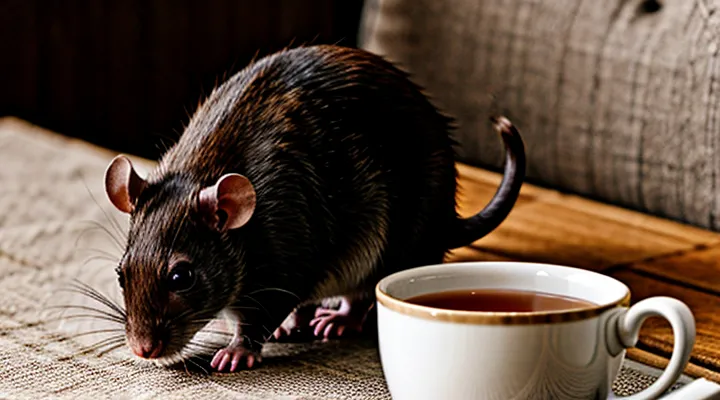
The Basics of Rat Hydration
Water: The Essential Drink for Rats
Rats require a constant supply of clean water to maintain physiological balance. Their bodies depend on water for digestion, temperature regulation, and waste elimination. Deprivation of water for even a few hours leads to rapid dehydration, reduced activity, and impaired kidney function.
Key reasons water is indispensable for rats:
- Supports metabolic processes that convert food into energy.
- Enables proper functioning of the circulatory system.
- Facilitates thermoregulation through evaporative cooling.
- Assists in excreting nitrogenous waste via urine.
When evaluating whether rats can safely consume tea, the primary consideration is the presence of water in the beverage. Tea contains caffeine and other bioactive compounds that may affect a rat’s nervous system and heart rate. Even small amounts of caffeine can cause hyperactivity, tremors, or cardiac irregularities. Therefore, providing plain water remains the only reliable method to meet a rat’s hydration needs without introducing physiological stress.
If an owner wishes to offer flavored liquids, the safest approach is to dilute the beverage heavily with water, ensuring the caffeine concentration falls below detectable levels. Nevertheless, the most prudent practice is to limit intake to plain, fresh water, which guarantees adequate hydration and avoids the risks associated with tea constituents.
Understanding Rat Digestive Systems
Rats possess a short, simple gastrointestinal tract designed for rapid processing of high‑energy foods. The esophagus leads to a single-chambered stomach that secretes hydrochloric acid and pepsin, followed by a relatively brief small intestine where most nutrient absorption occurs. The cecum is modest in size, reflecting limited fermentation capacity compared to herbivores.
The rat stomach maintains a pH of 2–3, sufficient to denature many dietary compounds. Enzymatic activity focuses on protein and carbohydrate breakdown; there is no specialized mechanism for metabolizing the alkaloid caffeine. Liver enzymes, particularly cytochrome P450 isoforms, exhibit moderate activity toward xenobiotics, including caffeine, allowing systemic clearance at doses comparable to those tolerated by humans on a per‑body‑weight basis.
Tea introduces two primary bioactive groups:
- Caffeine – a central nervous system stimulant that can increase heart rate and induce mild diuresis. In rats, doses above 30 mg kg⁻¹ produce observable hyperactivity; lower concentrations, such as those found in diluted tea, are generally metabolized without acute toxicity.
- Tannins – polyphenolic compounds that bind proteins and may reduce iron absorption. Rats tolerate moderate tannin intake, but excessive amounts can impair nutrient uptake and cause gastrointestinal irritation.
When offering tea to rats, follow these guidelines:
- Dilute brewed tea to no more than 10 % of its original concentration.
- Limit exposure to a single small serving per day (approximately 1 ml for a 250 g adult rat).
- Observe for signs of agitation, increased urination, or reduced feed intake; discontinue if any occur.
- Provide ample fresh water to counteract potential diuretic effects.
Overall, the rat digestive system can handle small, diluted quantities of tea, but the presence of caffeine and tannins warrants cautious administration to avoid physiological stress.
The Risks of Tea for Rats
Caffeine: A Dangerous Stimulant
How Caffeine Affects Small Animals
Caffeine is a central nervous system stimulant that penetrates the blood‑brain barrier of rodents and other small mammals. After oral ingestion, the compound is absorbed rapidly from the gastrointestinal tract, reaches peak plasma concentrations within 30–60 minutes, and is metabolized primarily by hepatic cytochrome P450 enzymes. The metabolic half‑life in rats ranges from 30 to 45 minutes, considerably shorter than in humans.
Physiological effects observed in laboratory studies include:
- Increased heart rate and contractility, leading to elevated cardiac output.
- Vasoconstriction of peripheral vessels, which can raise blood pressure.
- Stimulation of adrenal medulla, causing a surge in circulating catecholamines.
- Enhanced locomotor activity and reduced latency to explore novel environments.
- Suppression of appetite and accelerated gastric emptying.
Behavioral consequences correlate with dosage. Low to moderate doses (0.5–2 mg kg⁻¹) produce heightened alertness and improved performance on maze tasks. High doses (≥5 mg kg⁻¹) induce anxiety‑like behavior, tremors, and, in extreme cases, seizures. Lethal toxicity has been reported at doses exceeding 150 mg kg⁻¹, with rapid onset of respiratory failure.
Repeated exposure leads to tolerance; chronic administration (daily doses of 1–5 mg kg⁻¹) reduces the magnitude of cardiovascular and locomotor responses. However, tolerance does not eliminate the risk of gastrointestinal irritation or renal stress, especially when caffeine is delivered in aqueous solutions that may contain additional compounds such as sugars or acids.
When considering the feasibility of offering tea to rats, the caffeine content of typical brewed tea (30–50 mg L⁻¹) translates to an intake of approximately 0.3–0.5 mg per 10 g animal if the entire daily water consumption is replaced. This level falls below the threshold for observable stimulant effects but may still influence sleep patterns and stress hormone levels. Consequently, any experimental or husbandry protocol that includes caffeinated beverages should control for dose, monitor physiological parameters, and account for potential habituation.
Symptoms of Caffeine Toxicity
Rats that ingest tea are exposed to caffeine, a stimulant that can become toxic at relatively low doses. Toxicity manifests rapidly and affects multiple physiological systems. Observable signs include:
- Hyperactivity followed by abrupt lethargy
- Tremors or muscle twitching
- Rapid, irregular heartbeat (tachyarrhythmia)
- Elevated body temperature (hyperthermia)
- Excessive salivation and foaming at the mouth
- Diarrhea or vomiting (if the animal can vomit)
- Seizures or convulsive episodes
- Loss of coordination and stumbling
- Respiratory distress or shallow breathing
- Sudden collapse or death in severe cases
These symptoms result from caffeine’s antagonism of adenosine receptors, increased catecholamine release, and heightened central nervous system excitation. Monitoring for the listed indicators allows prompt intervention and reduces mortality risk in rodents exposed to caffeinated beverages.
Tannins: Potential for Digestive Upset
Tannins are polyphenolic compounds abundant in brewed leaves. Their astringent quality derives from the ability to bind proteins and metal ions, reducing enzyme activity in the gut.
In rats, tannin ingestion can interfere with nutrient absorption. The binding of dietary proteins limits availability of amino acids, while chelation of iron diminishes iron uptake. Both mechanisms increase the risk of gastrointestinal irritation and reduced growth performance.
Experimental data show that rats receiving tea solutions containing 0.5 %–1 % tannins develop:
These outcomes correlate with dose‑dependent mucosal inflammation observed in histological examinations.
For owners who offer tea to pet rodents, limit exposure to water‑only infusions, avoid steeping times longer than two minutes, and monitor for the listed symptoms. If any sign of digestive upset appears, discontinue tea and provide a balanced diet free of high‑tannin beverages.
Sugar Content: A Health Concern
Rats may ingest tea, but the presence of added sugars introduces measurable health risks. Sugar concentrations typical of commercial tea exceed the dietary limits established for rodents, leading to metabolic disturbances.
Rats process glucose through pathways similar to humans, yet their smaller body mass amplifies the impact of excess sugar. Elevated blood glucose triggers rapid insulin release, which can overwhelm pancreatic function and precipitate insulin resistance.
- Increased body weight and adiposity
- Elevated triglyceride levels
- Higher incidence of glucose intolerance
- Accelerated onset of diet‑induced diabetes
When offering tea to rats, eliminate sweeteners entirely. If flavor enhancement is required, use unsweetened herbal extracts or dilute the brew to reduce overall sugar content. Monitoring body weight and blood glucose provides objective assessment of any adverse effects.
Artificial Sweeteners and Flavorings: Unknown Dangers
Artificial sweeteners such as aspartame, sucralose, and saccharin are frequently added to tea formulations for rodents. These compounds are metabolized differently from natural sugars, producing metabolites that may interfere with hepatic enzymes. Evidence from short‑term studies shows altered glucose tolerance in rats exposed to high‑dose sweeteners, but long‑term effects remain undocumented.
Flavoring agents, whether derived from essential oils or synthesized chemically, introduce volatile organic compounds into the beverage. Some flavorings possess cytotoxic properties at concentrations below sensory thresholds. Limited toxicological data indicate possible disruption of the intestinal epithelium and modulation of gut microbiota composition.
Key uncertainties include:
- Absence of chronic exposure studies that replicate typical laboratory tea‑drinking patterns.
- Incomplete characterization of metabolic by‑products formed in the rat liver and kidney.
- Variable interaction between sweeteners and flavorings that may amplify toxicity.
- Lack of standardized dosing guidelines for mixed‑ingredient tea solutions.
Current research suggests that the safety profile of these additives cannot be extrapolated from human data alone. Investigators should prioritize controlled experiments that monitor physiological markers—liver enzymes, renal function, and microbiome diversity—over extended periods to resolve the unknown risks associated with artificial sweeteners and flavorings in rodent tea consumption.
Herbal Teas and Rats
Identifying Safe Herbs
Rats may consume herbal infusions if the ingredients are non‑toxic and free of essential oil concentrations that could irritate their gastrointestinal tract. Safety assessment relies on three criteria: documented rodent toxicity data, absence of known stimulant or depressant effects at typical brew concentrations, and lack of allergens that trigger respiratory or dermal reactions.
Safe herbs for inclusion in a rat‑friendly tea:
- Chamomile (Matricaria chamomilla) – mild sedative, low toxicity.
- Lemon balm (Melissa officinalis) – calming, tolerated up to 0.5 % of diet.
- Peppermint (Mentha piperita) – digestive aid, limited to small leaf fragments.
- Catnip (Nepeta cataria) – stimulant, safe in low doses (<0.2 % of feed).
- Dandelion leaf (Taraxacum officinale) – rich in vitamins, non‑toxic.
Herbs to avoid:
- Eucalyptus – essential oils cause hepatic stress.
- Garlic (Allium sativum) – high sulfide content leads to hemolytic anemia.
- Sage (Salvia officinalis) – thujone toxicity at concentrations above 0.1 %.
- Lavender – oil concentrations can depress respiration.
When preparing tea for rats, use filtered water at 80 °C, steep herbs for no longer than two minutes, and dilute the infusion to a 1 % solution before offering. Observe animals for changes in appetite, fecal consistency, or behavior; discontinue any herb that provokes adverse effects.
Identifying Toxic Herbs
Rats may encounter herbal components when offered tea, making it essential to recognize herbs that pose a toxic risk. Toxicity often derives from alkaloids, glycosides, or essential oils that affect the cardiovascular, nervous, or hepatic systems of rodents.
Key toxic herbs frequently found in tea blends include:
- Oleander (Nerium oleander) – contains cardiac glycosides; ingestion leads to arrhythmias and fatal heart failure.
- Foxglove (Digitalis purpurea) – source of digoxin-like compounds; induces bradycardia and ventricular disturbances.
- Lobelia (Lobelia inflata) – high levels of lobeline; cause respiratory depression and convulsions at modest doses.
- Yew (Taxus spp.) – taxine alkaloids disrupt calcium channels; result in sudden cardiac arrest.
- Wormwood (Artemisia absinthium) – thujone acts as a neurotoxin; produces tremors, seizures, and hepatic damage.
Identification methods suitable for laboratory or home environments:
- Visual inspection of dried leaves for characteristic morphology (e.g., oleander’s glossy, lance‑shaped leaves; foxglove’s bell‑shaped flowers).
- Aroma analysis; many toxic herbs emit strong, bitter scents (e.g., wormwood’s aromatic bitterness).
- Simple chemical tests such as Dragendorff’s reagent for alkaloids or ferric chloride for phenolic compounds.
- Reference to reputable herb identification guides or databases that list botanical names and toxic profiles.
When preparing tea for rats, remove any suspect material, verify source authenticity, and limit exposure to certified, non‑toxic plant material such as chamomile or mint. Continuous monitoring for signs of distress—lethargy, irregular breathing, or abnormal gait—provides early detection of inadvertent poisoning.
Consulting a Veterinarian
Raising rats often raises the question of whether tea is a safe beverage for them. Because rats have unique physiological traits, professional guidance is essential before introducing any caffeinated liquid.
- Rats metabolize caffeine far more slowly than humans, increasing the risk of cardiac arrhythmia and seizures.
- Herbal teas may contain essential oils or additives that irritate a rat’s gastrointestinal tract.
- Individual health conditions—such as renal disease or obesity—alter tolerance to stimulants.
A veterinary consultation provides a focused health assessment. The veterinarian will review the rat’s age, weight, diet, and medical history, then evaluate the potential impact of tea’s active compounds. Based on this analysis, the practitioner may:
- Confirm that tea is contraindicated and recommend water or rat‑specific treats.
- Suggest a diluted, caffeine‑free herbal infusion, specifying safe concentration and frequency.
- Outline monitoring procedures for any adverse reactions, including changes in behavior, heart rate, or appetite.
To obtain reliable advice, follow these steps:
- Locate a veterinarian licensed in exotic or small‑animal practice.
- Prepare a concise summary of the rat’s health records and current diet.
- Ask direct questions about caffeine tolerance, safe alternatives, and dosage limits.
- Implement the veterinarian’s recommendations and document any observed effects.
Consulting a qualified professional ensures that decisions about tea consumption are grounded in scientific evidence and tailored to the individual rat’s welfare.
Alternatives to Tea for Your Rat
Fresh Water: Always the Best Choice
Rats require a reliable source of clean water to maintain physiological balance. Substituting water with tea introduces caffeine, tannins, and potential additives that can disrupt hydration and kidney function. Fresh water eliminates these variables, providing the only fluid that meets the species’ metabolic needs.
- Guarantees proper electrolyte concentration
- Prevents caffeine‑induced hyperactivity and stress
- Avoids sugar‑related caloric excess and dental decay
- Supports efficient waste elimination through kidneys
When evaluating alternative beverages, consider the rat’s natural drinking behavior and the risk of contaminant exposure. The safest and most effective hydration strategy remains unrestricted access to fresh, uncontaminated water.
Water-Rich Foods
Rats obtain most of their daily water from the food they eat, especially from items with high moisture content. Understanding the role of these foods clarifies whether additional liquids such as tea are necessary or advisable.
Water‑rich foods commonly offered to laboratory or pet rats include:
- Cucumber (≈95 % water)
- Lettuce, especially iceberg and romaine (≈95 % water)
- Watermelon (≈92 % water)
- Celery (≈95 % water)
- Strawberries (≈91 % water)
Each of these items supplies not only hydration but also vitamins, minerals, and fiber that support normal physiology. A rat consuming 20 g of cucumber, for example, receives roughly 19 ml of water, covering a substantial portion of its estimated 30–40 ml daily fluid requirement.
When a rat’s diet already provides adequate moisture, introducing tea adds extra fluid and introduces caffeine and other bioactive compounds. Excess caffeine can accelerate heart rate, increase urinary output, and potentially disrupt sleep cycles. Therefore, the net benefit of tea diminishes as the proportion of water derived from food rises.
Practical guidance: prioritize a diet rich in the listed items, monitor total fluid intake, and limit or avoid tea unless a specific experimental protocol mandates its use. This approach maintains hydration while preventing unnecessary exposure to stimulants.
Safe, Small Treats
Rats may enjoy occasional miniature treats, provided the items are non‑toxic, low in sugar, and presented in modest portions. Treats should complement a balanced diet of laboratory‑grade pellets, fresh vegetables, and clean water, not replace them.
- Unsweetened herbal infusion (e.g., a few drops of cooled chamomile or peppermint tea)
- Small pieces of fresh fruit (apple, banana, berries)
- Tiny fragments of cooked vegetables (carrot, zucchini, peas)
- Plain, unflavored gelatin cubes
- Low‑fat cheese or plain yogurt in a pea‑size dollop
When offering a liquid infusion, limit exposure to a few milliliters per serving, ensure the temperature is room‑cold, and avoid caffeine, artificial sweeteners, and added sugars. Introduce any new treat gradually, monitor for adverse reactions, and discontinue immediately if signs of distress appear.