
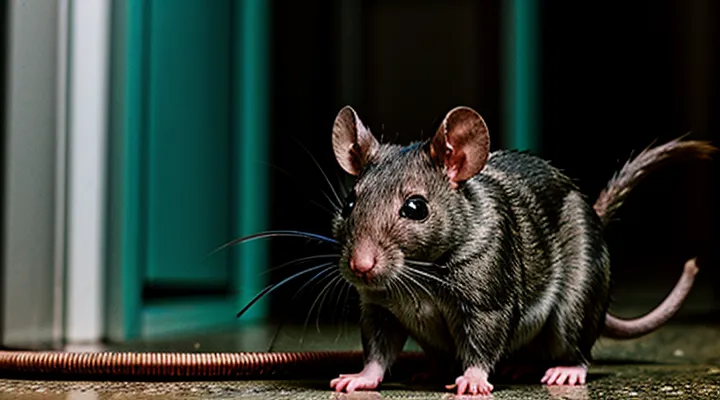
Understanding Rodent Emotional Expression
The Nuances of Animal Emotions
Distinguishing Between Human and Animal Emotional Displays
Rats exhibit physiological responses that can resemble human emotional expressions, yet the mechanisms differ fundamentally. Human crying involves lacrimal gland activation linked to complex cognitive appraisal and social communication. In rodents, tear secretion is primarily regulated by ocular irritation, hormonal fluctuations, or autonomic stress responses, without evidence of a reflective emotional component.
Distinguishing human and animal emotional displays relies on several criteria:
- Neuroanatomical pathways – Human affective crying engages cortical regions (prefrontal cortex, anterior cingulate) that integrate cognition and emotion; rodent tear production is mediated by brainstem nuclei lacking such cortical input.
- Behavioral context – Human tears accompany verbal expression, facial affect, and social signaling; rats display ultrasonic vocalizations, grooming, or freezing rather than tear‑based signaling.
- Physiological markers – Human crying correlates with elevated cortisol, oxytocin, and heart‑rate variability reflecting subjective feeling; rodent stress responses are measurable through corticosterone spikes and autonomic changes without accompanying lacrimal activity.
Experimental observations confirm that rats do not produce tears as a direct response to emotional states. Studies employing affective conditioning, pain models, and social isolation report increased vocalizations and hormonal stress markers, but no consistent tear‑release pattern. Consequently, attributing human‑style crying to rats misinterprets species‑specific signaling mechanisms.
The Science Behind Rat Vocalizations and Behavior
Ultrasonic Vocalizations: A Form of Communication
High-Frequency Sounds Associated with Positive and Negative States
Rats emit ultrasonic vocalizations (USVs) that serve as primary acoustic indicators of affective state. These vocalizations occur outside human auditory range, typically between 20 kHz and 100 kHz, and are reliably linked to either appetitive or aversive conditions.
Research distinguishes two dominant frequency bands:
- « ≈ 50 kHz » – emitted during social play, mating, and anticipation of reward; frequency modulation and harmonic structure increase during positive contexts.
- « ≈ 22 kHz » – produced in response to predators, social defeat, or after exposure to painful stimuli; calls are longer, lower in amplitude, and often accompanied by reduced locomotor activity.
The production of USVs involves the laryngeal muscles and respiratory control, modulated by limbic structures such as the amygdala and nucleus accumbens. Pharmacological manipulation of dopamine pathways alters the prevalence of high‑frequency positive calls, whereas activation of the periaqueductal gray enhances low‑frequency distress calls.
Behavioral assays employ ultrasonic microphones and spectrographic analysis to quantify call rate, duration, and frequency shifts. Correlating these metrics with physiological markers—corticosterone levels, heart‑rate variability—provides a multimodal assessment of emotional valence.
Consequently, high‑frequency acoustic emissions constitute a robust, quantifiable proxy for evaluating whether rats display crying‑like responses, distinguishing between states of pleasure and discomfort without reliance on visible tear production.
Physical Manifestations of Stress and Pain in Rats
Behavioral Indicators of Distress
Rats exhibit a range of observable behaviors that signal physiological or emotional distress. Researchers assess these signals to determine whether the species experiences affective states comparable to human sadness, a factor relevant to the debate over tear production in rodents.
Key behavioral indicators include:
- Reduced locomotor activity and prolonged immobility in an open field.
- Decreased grooming frequency and incomplete fur maintenance.
- Altered feeding patterns, such as diminished food intake or irregular consumption.
- Emission of high‑frequency ultrasonic vocalizations, often described as “distress calls.”
- Preference for secluded or darkened areas, reflecting heightened anxiety.
Interpretation of these signs relies on controlled experimental conditions. For example, a sustained drop in grooming coupled with increased ultrasonic vocalizations after exposure to a mild stressor suggests a negative affective state. Physiological measurements—elevated corticosterone levels, heart‑rate variability, and pupil dilation—provide corroborating evidence that the observed behaviors correspond to genuine stress rather than mere motor inhibition.
The presence of consistent distress markers supports the view that rats possess the capacity for affective experiences. Consequently, the investigation of tear secretion should consider these behavioral and physiological correlates as essential criteria for assessing emotional pain in the species.
Physiological Responses to Unpleasant Stimuli
Rats display several measurable physiological changes when exposed to aversive conditions. These responses provide objective evidence that the animal experiences distress, even though the presence of tear secretion comparable to human crying remains unconfirmed.
The primary indicators include:
- Increased activity of the lacrimal glands, detectable through infrared imaging of the ocular region.
- Elevated heart rate and blood pressure, recorded via telemetry implants.
- Surge in plasma corticosterone concentrations, measured by enzyme‑linked immunoassays.
- Production of ultrasonic vocalizations (USVs) in the 22‑kHz range, captured with specialized microphones.
- Activation of facial musculature consistent with the rat grimace scale, scored from high‑resolution photographs.
Neurochemical pathways underlying these reactions involve the hypothalamic‑pituitary‑adrenal (HPA) axis and the sympathetic nervous system. Noxious stimuli trigger the release of corticotropin‑releasing factor, leading to downstream cortisol release and autonomic arousal. Parallel activation of the trigeminal nucleus contributes to ocular gland stimulation, yet direct evidence of liquid tear emission in rodents is limited.
Experimental paradigms, such as forced swim tests and tail‑pinch procedures, consistently elicit the listed physiological markers. Comparative analysis across species shows that while rats lack the conspicuous tear flow observed in humans, the convergence of autonomic, hormonal, and behavioral signals fulfills criteria for an affective response to unpleasant stimuli.
Do Rats Produce Tears?
The Function of Lacrimal Glands in Rodents
Primate Tears vs. Rodent Lacrimation
Rats possess a lacrimal system primarily for ocular protection; tear secretion is triggered by irritants, dehydration, or injury. Neural pathways involve the trigeminal nerve and the facial nucleus, leading to reflex tearing without cortical modulation. Hormonal influences are minimal, and tear composition consists mainly of water, electrolytes, and mucins.
Primates exhibit a more complex lacrimal apparatus. In addition to reflex tears, they produce emotional tears associated with cortical activity in the limbic system. Functional magnetic resonance imaging links tear generation to the anterior cingulate cortex and the hypothalamus. Emotional tears contain higher concentrations of stress‑related proteins such as prolactin, leu‑enkephalin, and cortisol, distinguishing them from purely protective secretions.
Key distinctions:
- Glandular architecture – primates have well‑developed accessory lacrimal glands; rodents rely on a single, rudimentary lacrimal gland.
- Neural control – primate tear production integrates voluntary and involuntary pathways; rodent tearing is exclusively reflexive.
- Biochemical profile – primate emotional tears show elevated stress markers; rodent tears lack such signatures.
- Behavioral context – primates display tear‑related social signals; rodents do not use tears for communication.
The comparative evidence indicates that emotional lacrimation is a derived trait in primates, absent in rodents. Rodent tear secretion remains a physiological response to ocular stress, whereas primate tears fulfill both protective and affective functions. «Emotional crying appears uniquely linked to advanced cortical processing in higher mammals», as reported in recent comparative neurobiology research.
Porphyrin Secretion: The «Red Tears» Phenomenon
Glandular Secretions and Their Significance
Rats possess lacrimal glands that secrete a fluid comparable to human tears. The secretion consists primarily of water, electrolytes, proteins such as lysozyme, and lipids that maintain ocular surface health. Production is regulated by autonomic innervation and hormonal signals, ensuring constant lubrication and protection against pathogens.
The relevance of these glandular outputs extends beyond simple eye maintenance. Key functions include:
- Antimicrobial activity through enzymes that limit bacterial colonization;
- Removal of debris and irritants via continuous flow;
- Contribution to tear film stability, preventing corneal desiccation.
When assessing the capacity for emotional crying, the physiological mechanisms differ from those observed in humans. Emotional tear production in humans involves cortical activation of the lacrimal system, a pathway not documented in rodent neurobiology. Consequently, glandular secretions in rats remain primarily reflexive, responding to ocular irritation or environmental stress rather than affective states.
Research indicates that stressors such as exposure to predators or harsh lighting can increase lacrimal output, yet the fluid retains its protective composition without the emotional markers found in human tears. Therefore, the presence of functional lacrimal glands confirms tear production, while the lack of cortical linkage clarifies that rats do not exhibit crying in the emotional sense.
Health Implications of Chromodacryorrhea
Rats possess a Harderian gland that releases a porphyrin‑rich secretion near the eyes; when this fluid accumulates it appears as reddish droplets commonly referred to as chromodacryorrhea. The presence of such discharge does not indicate emotional crying but reflects physiological or pathological processes.
Health implications include:
- Indicator of systemic stress, infection, or inflammation.
- Early sign of renal dysfunction, as impaired excretion promotes porphyrin buildup.
- Marker of dehydration; reduced fluid balance intensifies glandular output.
- Potential for ocular irritation, leading to conjunctivitis or corneal lesions.
- Association with neoplastic conditions affecting the gland or surrounding tissues.
Veterinary assessment should treat chromodacryorrhea as a diagnostic cue. Laboratory analysis of blood chemistry and urinalysis can confirm underlying organ dysfunction, while ocular examination rules out local irritation. Persistent discharge warrants imaging to detect neoplasia or glandular hypertrophy.
Management focuses on addressing the primary cause: rehydration, antimicrobial therapy for infections, renal support measures, or surgical intervention for tumors. Environmental enrichment and minimizing handling stress reduce incidental glandular activation, thereby limiting unnecessary discharge.
Interpreting Rat Distress Signals
Recognizing Signs of Unhappiness or Discomfort
Changes in Activity Levels and Appetite
Research on rodent affective states demonstrates that measurable behavioral shifts accompany emotional stimuli. Studies employing ultrasonic vocalizations, corticosterone assays, and ocular surface examinations reveal that stimuli capable of inducing tear secretion correspond with altered locomotor patterns.
Key observations include:
- Reduced exploratory locomotion in open‑field tests when rats experience aversive conditioning that elicits lacrimation.
- Increased immobility periods during forced‑swim assessments, suggesting a withdrawal response linked to ocular discomfort.
- Elevated grooming bouts directed toward the periorbital region, indicating a self‑soothing behavior associated with tear production.
Feeding behavior exhibits parallel modulation. Experimental paradigms that provoke tear‑related stress report:
- Decreased daily food intake by 10‑15 % relative to baseline consumption.
- Delayed onset of the first meal after presentation of a stressor, reflecting a shift in circadian feeding rhythm.
- Preference for high‑energy, palatable diets during recovery phases, suggesting compensatory mechanisms to mitigate stress‑induced energy deficits.
These patterns support the use of activity level and appetite metrics as indirect proxies for tear‑related emotional responses in rats. Correlational analyses demonstrate statistically significant relationships between reduced movement, lowered food consumption, and physiological markers of lacrimation. Consequently, monitoring locomotor activity and feeding patterns provides valuable insight into the affective capacity of rodents without direct observation of tear discharge.
Alterations in Grooming Habits
Rats display a range of grooming behaviors that serve thermoregulation, parasite control, and stress mitigation. When emotional distress intensifies, observable shifts occur in the frequency, duration, and pattern of self‑cleaning activities.
Increased grooming bouts often coincide with elevated cortisol levels, indicating heightened arousal. Conversely, reduced grooming may reflect depressive‑like states, where motivation to maintain fur condition declines.
Key alterations include:
- Elevated episode count per hour, typically clustered during the dark phase.
- Shortened grooming sequences, with fewer phases (e.g., head, body, tail) completed before interruption.
- Asymmetric grooming, where one side of the body receives disproportionate attention, suggesting lateralized neural activation.
Neurochemical studies link these changes to the release of endogenous opioids and dopaminergic signaling in the nucleus accumbens. Pharmacological suppression of these pathways normalizes grooming patterns, supporting a causal relationship between affective state and self‑maintenance.
Observations of altered grooming provide indirect evidence for the capacity of rats to experience tear‑related emotional responses. The correlation between grooming disruption and physiological markers of stress strengthens the argument that rats possess affective mechanisms comparable to those underlying lacrimation in other mammals.
Providing a Stimulating and Safe Environment
Enrichment Strategies for Rodents
Enrichment strategies for rodents are essential for promoting physiological health, behavioral stability, and emotional expression. Properly designed environments reduce stress, encourage natural behaviors, and support neurochemical balance that may influence tear‑producing mechanisms.
Key components of enrichment include:
- Physical complexity – tunnels, climbing structures, and nesting material provide opportunities for exploration and locomotor activity.
- Social interaction – housing compatible individuals together fosters affiliative behaviors and reduces isolation‑induced anxiety.
- Cognitive challenges – puzzle feeders, foraging devices, and variable schedules stimulate problem‑solving and learning.
- Sensory stimulation – exposure to novel scents, textures, and auditory cues enhances perceptual processing and reduces monotony.
- Dietary variety – rotating food types and incorporating fresh produce supply nutritional diversity and encourage natural foraging.
Implementation guidelines:
- Rotate items weekly to prevent habituation.
- Monitor individual preferences; adjust enrichment based on observed engagement.
- Ensure all objects are safe, non‑toxic, and free of sharp edges.
- Provide adequate space to accommodate structures without crowding.
- Record behavioral responses to evaluate effectiveness and refine protocols.
Consistent application of these practices creates a dynamic habitat that aligns with rodents’ innate needs, thereby supporting overall welfare and potential affective responses.
Importance of Social Interaction for Well-being
Rats exhibit physiological responses that suggest emotional sensitivity, prompting scientific inquiries into their capacity for tear‑like secretion. Research indicates that the presence of conspecifics directly influences stress markers, heart rate variability, and immune function in these rodents. When individuals are isolated, cortisol levels rise and grooming behaviors decline, demonstrating a measurable impact on health.
«Social interaction» provides essential stimuli that regulate neurochemical pathways. Regular contact with peers enhances dopamine release, supports hippocampal plasticity, and reduces inflammatory cytokines. These effects translate into improved cognitive performance and longevity.
Key benefits of communal engagement for rodents include:
- Lowered basal corticosterone concentrations
- Increased exploratory activity and problem‑solving efficiency
- Enhanced wound healing rates
The correlation between affiliative behavior and physiological resilience underscores the necessity of group housing in laboratory settings. Implementing enriched environments that facilitate peer contact aligns experimental outcomes with natural welfare standards, reinforcing the broader principle that social connectivity is a determinant of well‑being across species.