
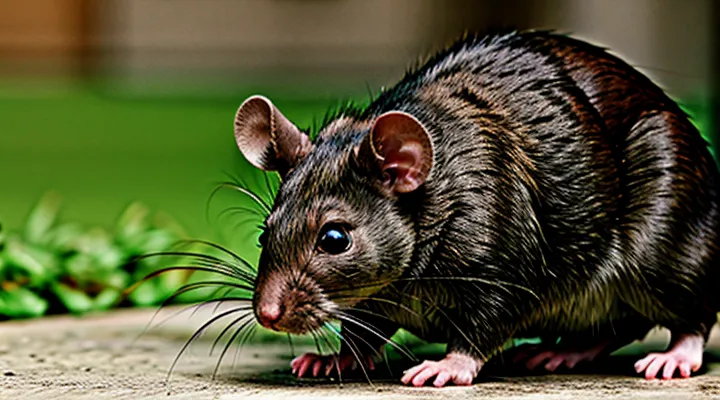
Understanding Rat Claws
The Natural Purpose of Rat Claws
Rat claws are integral to survival, serving several essential functions.
- Locomotion – Curved, sharp nails provide traction on vertical surfaces, enabling rats to ascend pipes, wires, and tree trunks with minimal effort.
- Burrowing – Front claws act as excavators, loosening soil and debris to create nests and tunnels that protect colonies from predators and environmental extremes.
- Grooming – Precise nail tips scrape away parasites and excess fur, maintaining coat health and reducing infection risk.
- Defense – When threatened, rats employ claws to inflict wounds, deterring predators and rivals.
- Sensory feedback – Contact between claws and substrate transmits tactile information, allowing rats to assess texture, stability, and temperature.
These roles collectively support foraging efficiency, habitat construction, hygiene, and self‑preservation. Altering claw length interferes with each function, potentially compromising the animal’s ability to navigate, hide, and maintain health.
When Claw Trimming Becomes Necessary
Overgrown Claws: Signs to Look For
Rats with excessively long claws may experience difficulty walking, frequent slipping on smooth surfaces, and increased stress on joints. Overgrown claws can also cause self‑injury when the tips curl inward and puncture the pads. Owners should monitor the following indicators to determine whether trimming is necessary:
- Visible elongation beyond the natural curve, with the tip extending past the footpad.
- Frequent scratching or licking of the feet, suggesting discomfort.
- Audible clicking or scraping noises when the rat moves across hard flooring.
- Redness, swelling, or bleeding around the claw base, indicating trauma or infection.
- Uneven growth, where one claw appears markedly longer than its neighbors.
Prompt identification of these signs allows timely nail maintenance, reducing the risk of pain and mobility issues.
Potential Health Issues from Untrimmed Claws
Untrimmed rat claws can cause a range of medical problems that affect mobility, hygiene, and overall well‑being. Overgrown nails may curl back into the foot pads, creating pressure points that lead to tissue damage.
Common health complications include:
- Paw pad injuries – nails that grow too long can puncture or tear the sensitive pads, resulting in bleeding and infection.
- Joint strain – excessive claw length alters gait, placing abnormal stress on the ankle and knee joints and increasing the risk of arthritis.
- Self‑inflicted wounds – rats may snag their claws on cage bars or bedding, causing lacerations that can become infected.
- Reduced grooming efficiency – damaged or painful paws discourage normal grooming, leading to skin irritation and parasite infestations.
- Behavioral stress – chronic discomfort can trigger aggression or withdrawal, compromising social interactions and enrichment.
Regular claw maintenance eliminates these risks. Trimming should be performed with appropriate tools, under gentle restraint, and at intervals that prevent the nails from reaching the pad surface. Monitoring nail length during routine health checks ensures early detection of overgrowth and supports optimal rat health.
The Trimming Process
Preparing for Trimming
Necessary Tools and Supplies
Effective nail trimming for rats requires a specific set of equipment and consumables. The following items constitute a complete kit:
- Small animal nail clippers or precision cat‑nail trimmers, preferably with a blunt tip to prevent accidental puncture.
- Fine‑point scissors for shaping overgrown nails that have split or curved.
- Styptic powder or cornstarch, applied immediately to any bleeding site to promote clotting.
- Sterile gauze pads for pressure application and cleaning.
- Disposable latex or nitrile gloves to maintain hygiene and protect the handler.
- Soft restraint cloth or a calibrated tube restrainer to keep the rat calm and immobile without causing stress.
- Non‑slip surface or silicone mat to provide stable footing during the procedure.
- Disinfectant solution (e.g., diluted chlorhexidine) for cleaning tools before and after use.
- Waste container with a sealed lid for safe disposal of trimmed nail fragments.
Preparation steps include sanitizing all tools, arranging supplies within arm’s reach, and ensuring the rat is acclimated to the restraint device. Use gloves, apply gentle pressure with the cloth, and clip only the transparent portion of the nail; the pink quick should remain untouched. In case of bleeding, press a gauze pad soaked in styptic powder until hemostasis occurs. Clean and disinfect tools after each session to prevent infection.
Creating a Calm Environment
A calm setting is essential for safely shortening a rat’s nails. Stress triggers sudden movements, increasing the risk of injury to the animal and the handler.
- Choose a quiet room away from loud appliances and foot traffic.
- Dim bright lights; soft, natural illumination reduces anxiety.
- Maintain a stable temperature between 68 °F and 75 °F to prevent shivering.
- Place a familiar bedding material on the work surface; the scent reassures the rat.
- Use a gentle voice and slow hand motions; abrupt gestures cause alarm.
Prior to the procedure, allow the rat to explore the area for several minutes. Offer a small treat to associate the space with positive experiences. When ready, gently restrain the animal using a soft towel, keeping the head supported while the paws are exposed. Trim only the transparent tip of each nail, avoiding the pink vascular tissue (the quick). After each cut, inspect the nail for bleeding; apply a tiny amount of styptic powder if necessary.
Conclude the session with a calm interaction, such as petting or offering a favorite snack. Repeating the environment and handling steps consistently builds tolerance, making future nail maintenance quicker and safer.
Techniques for Safe Trimming
Holding Your Rat Securely
Secure handling is a prerequisite for safe nail trimming. Proper grip prevents sudden movements that could injure the rat or the person performing the procedure.
Prepare a calm environment. Use a soft towel, a small cage, or a dedicated handling box. Ensure the surface is non‑slippery and free of sharp objects. Keep the trimming tools within easy reach.
- Approach the rat slowly, allowing it to sniff your hand.
- Place one hand behind the shoulders, fingers spread to support the torso.
- Use the other hand to cradle the hindquarters, thumb on the back and fingers under the abdomen.
- Apply gentle pressure to immobilize the limbs without restricting breathing.
- Hold the rat’s paw with the thumb and forefinger, exposing the claw while keeping the rest of the foot relaxed.
Maintain steady pressure; release immediately if the rat shows signs of distress such as rapid breathing, vocalization, or attempts to escape. After each claw is trimmed, reward the animal with a treat and return it to its enclosure. Consistent practice reduces stress and improves cooperation for future grooming sessions.
Identifying the Quick
When trimming a rat’s nails, locating the quick is essential to prevent bleeding and pain. The quick is the vascular tissue that runs within the nail, appearing as a pink or reddish line when the nail is translucent. In dark‑colored nails, the quick is less visible, requiring careful probing.
To identify the quick:
- Hold the rat gently but securely, exposing the foot without causing stress.
- Use a magnifying lens or bright light to examine the nail edge.
- Look for a subtle color change from the opaque tip toward a pinkish core.
- If the nail is dark, trim only the very tip, a few millimeters at a time, and pause to check for any pink tissue emerging.
A practical method involves trimming incrementally:
- Cut a thin slice (approximately 1 mm) from the distal edge.
- Inspect the cut surface; the presence of a pink line indicates proximity to the quick.
- If no pink is visible, repeat the process, removing another 1 mm slice.
- Stop immediately when pink tissue becomes apparent; this signals the limit of safe trimming.
Using a pair of fine, stainless‑steel nail clippers designed for small animals reduces the risk of crushing the nail and damaging the quick. Applying a styptic powder or cornstarch to the nail tip after trimming can quickly arrest minor bleeding if the quick is accidentally nicked. Regular, brief trimming sessions—once every four to six weeks—maintain nail length without repeatedly approaching the quick.
The Trimming Motion
The trimming motion involves a precise, controlled squeeze that separates the claw tip from the nail bed without applying pressure to the surrounding tissue. The operator grasps the rat’s foot with a thumb‑and‑forefinger pinch, exposing the claw’s distal edge. A small, sharp clipper or nail trimmer is positioned at the natural curvature where the nail tapers into the quick. A swift, decisive clip removes only the protruding portion, minimizing the risk of bleeding.
Key elements of the motion:
- Firm yet gentle grip on the toe to prevent sudden movement.
- Alignment of the cutter parallel to the nail’s growth line.
- Quick closure of the cutter, avoiding prolonged contact.
- Immediate inspection of the cut edge for smoothness.
Effective execution requires steady hands, proper lighting, and a calm animal. Repeating the motion on each claw should follow the same angle and pressure to achieve uniform length. After trimming, applying a sterile powder to any minor bleed stops hemorrhage promptly. Regular sessions, spaced a few weeks apart, maintain optimal claw length and prevent overgrowth.
What to Do if You Cut the Quick
Trimming a rat’s claws carries the risk of severing the quick, the vascular tissue that runs within the nail. When bleeding starts, immediate action prevents prolonged distress and infection.
- Apply a small amount of styptic powder or cornstarch directly to the cut edge; press gently for several seconds until bleeding stops.
- If styptic material is unavailable, use a clean, damp gauze pad to apply steady pressure for 1–2 minutes.
- Keep the rat restrained but comfortable; a calm environment reduces stress and movement that could reopen the wound.
- Observe the nail for at least five minutes. If bleeding resumes or the area remains red and swollen, contact a veterinarian promptly.
- After hemostasis, clean the nail with a mild antiseptic solution and monitor daily for signs of infection, such as discharge or excessive swelling.
Prevent future incidents by trimming only the translucent tip of the claw, avoiding the pinkish area that indicates the quick. Use sharp, appropriately sized clippers and perform the procedure in a well‑lit area. Regular, incremental trims reduce the need for deep cuts and keep the quick safely out of reach.
Alternatives and Prevention
Natural Claw Wear Solutions
Appropriate Cage Substrates
Choosing an appropriate substrate directly influences the condition of a rat’s claws and the practicality of nail maintenance. Soft, absorbent materials allow rats to dig without excessive wear, while harder surfaces promote natural filing. An optimal substrate balances these effects, reducing the frequency of trimming sessions and supporting overall foot health.
Suitable substrates include:
- Aspen shavings – low dust, moderate abrasiveness, encourages natural digging.
- Paper-based bedding (e.g., shredded paper) – minimal allergens, gentle on claws, easy to replace.
- Coconut fiber (coir) – porous, retains moisture, provides a modest filing surface.
- Hemp bedding – sturdy, low odor, offers consistent texture for claw wear.
Substrates to avoid:
- Pine or cedar chips – contain aromatic oils that can irritate respiratory passages and cause excessive claw brittleness.
- Fine sand – creates excessive wear, leading to weakened nails and potential injury.
- Plastic beads – provide no filing effect, increase risk of slipping and claw trauma.
Regular assessment of substrate condition is essential. Replace bedding before it becomes compacted, as compressed material loses its filing properties and may encourage overgrowth. Pairing the chosen substrate with routine observation of claw length ensures that trimming remains a minor, scheduled task rather than an emergency procedure.
Enrichment Toys and Surfaces
Enrichment toys and textured surfaces provide constant mechanical stimulation that naturally wears down a rat’s nails. Regular interaction with chewable blocks, wooden tunnels, and sisal rope creates friction on the claws, reducing the frequency of manual trimming.
Suitable options include:
- Solid hardwood chew sticks, sized for small rodents, that encourage gnawing and claw contact.
- Corrugated cardboard tubes with rough interior walls, promoting climbing and scratching.
- Natural fiber mats (e.g., seagrass or hemp) placed on the cage floor, offering a abrasive surface for daily movement.
- Plastic climbing ladders with ridged rungs, allowing rats to grip and file their nails while navigating vertically.
Providing a variety of these items ensures that rats engage in self‑maintenance behaviors throughout the day. Consistent use of abrasive substrates can keep nail length within a safe range, minimizing the need for external clipping procedures.
Professional Assistance
Consulting a Veterinarian
Consulting a veterinarian is the first step before attempting any nail‑cutting procedure on a pet rat. Veterinarians possess the knowledge to evaluate the animal’s health, determine whether trimming is necessary, and advise on safe techniques.
Seek professional guidance if the rat exhibits:
- difficulty walking or grooming,
- frequent scratching or self‑injury,
- unusually long or curved claws visible on the pads,
- signs of infection, swelling, or bleeding around the nail beds.
During the appointment, the veterinarian will:
- Perform a physical examination focused on the paws and surrounding tissue.
- Assess the rat’s overall health, including weight, diet, and any underlying conditions that could affect healing.
- Demonstrate proper restraint methods to minimize stress and prevent accidental cuts.
- Recommend appropriate tools, such as small animal nail trimmers or rotary files, and explain sterilization procedures.
If trimming is approved, the veterinarian may:
- Trim the claw tip to a length that leaves a small, translucent margin above the quick, avoiding blood vessels.
- Apply a hemostatic agent or gentle pressure if minor bleeding occurs.
- Provide post‑procedure care instructions, including monitoring for infection and limiting activity for 24‑48 hours.
Following veterinary advice ensures the procedure is performed safely, reduces the risk of injury, and promotes the rat’s long‑term well‑being.
Groomers Specializing in Small Animals
Professional groomers who focus on small mammals possess the expertise required for safe and effective rat nail maintenance. These specialists understand rat anatomy, recognizing that the quick—a vascular tissue extending into the nail—must be avoided to prevent bleeding and infection. They employ precision tools such as stainless‑steel nail trimmers or rotary grinders designed for delicate paws, and they often use magnification lenses to enhance visibility.
Routine assessment determines the need for trimming. Indicators include:
- Nails that curl and contact the cage floor
- Audible scraping during locomotion
- Visible overgrowth beyond the toe pads
- Discomfort or reluctance to climb
Trimming frequency varies with individual growth rates, typically ranging from every two to four weeks. Groomers schedule appointments based on these observations, ensuring that each session minimizes stress through gentle handling and acclimatization techniques.
Certification requirements differ by region, but reputable practitioners hold credentials in exotic animal care, demonstrate proficiency through documented training, and maintain sanitation protocols that prevent cross‑contamination. They also provide owners with post‑procedure guidance, covering wound care, signs of infection, and home‑maintenance tips.
Cost structures reflect the specialized nature of the service, encompassing technician expertise, equipment depreciation, and facility overhead. Transparent pricing lists allow clients to compare options and select providers that meet both quality and budget expectations.
Post-Trimming Care
Monitoring Your Rat's Paws
Monitoring a rat’s paws is essential for safe and effective claw maintenance. Regular inspection reveals overgrowth, injuries, or signs of infection that can affect a pet’s mobility and overall health.
Observe the paws at least twice weekly. Look for the following indicators:
- Visible length extending beyond the toe pad
- Splintered or jagged edges
- Redness, swelling, or discharge
- Changes in gait or reluctance to climb
When overgrowth is detected, assess whether trimming is required. Trim only the exposed portion of the claw, avoiding the quick, a pinkish vein that runs through the nail. Use a small animal nail clipper and apply gentle pressure to keep the rat calm.
Record each inspection in a log, noting date, observations, and any trimming performed. Consistent documentation helps identify patterns, ensures timely intervention, and supports veterinary consultations if abnormalities persist.
Maintaining Claw Health
Proper claw care is essential for the health and comfort of pet rodents. Overgrown nails can cause pain, impede movement, and lead to infections. Regular maintenance prevents these issues and supports overall well‑being.
Key practices for claw health:
- Inspect nails weekly for length, shape, and signs of damage.
- Trim only the transparent tip of the nail, avoiding the pink vascular tissue (the quick).
- Use a dedicated small‑animal nail clipper or a fine‑toothed scissors.
- Apply gentle pressure to the toe to extend the nail before cutting.
- Provide a rough surface, such as a wooden block or sandpaper pad, to naturally wear down nails between trims.
Warning signs that indicate immediate attention:
- Nails extending beyond the foot pads.
- Red or swollen toe tips.
- Bleeding after a trim.
- Reluctance to climb or walk.
- Visible cracks or splitting.
If any of these symptoms appear, seek veterinary assistance promptly. Proper technique, consistent observation, and a suitable environment together ensure healthy claws and reduce the risk of complications.