
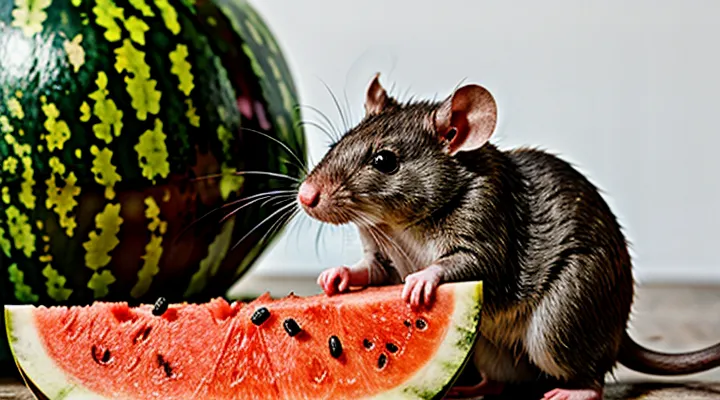
The Nutritional Profile of Watermelon Seeds
Watermelon seeds contain a dense combination of macronutrients that can contribute to a rodent’s dietary requirements. A typical 100‑gram serving provides approximately 560 kcal, 30 g of protein, 48 g of fat, 15 g of carbohydrates and 8 g of dietary fiber. The fat fraction is rich in polyunsaturated fatty acids, particularly linoleic acid, which supports membrane integrity and energy metabolism.
Key micronutrients per 100 g include:
- Magnesium: 530 mg (≈ 130 % of recommended intake)
- Zinc: 10 mg (≈ 90 % of recommended intake)
- Iron: 5 mg (≈ 30 % of recommended intake)
- Phosphorus: 750 mg (≈ 110 % of recommended intake)
- Vitamin E: 35 IU (≈ 120 % of recommended intake)
- Copper: 1.2 mg (≈ 130 % of recommended intake)
The seed coat contains phytic acid, an anti‑nutrient that can bind minerals and reduce their bioavailability. Heat treatment (dry roasting or light toasting) diminishes phytic acid levels and improves digestibility without significantly degrading the nutrient profile.
For rats, the high protein and essential fatty acid content can supplement a standard grain‑based diet, while the mineral density addresses common deficiencies. However, the caloric density and fat concentration demand controlled portions; excessive intake may lead to obesity or hepatic lipidosis. A measured supplement of 1–2 g of roasted seeds per day, integrated with a balanced base diet, delivers nutritional benefits without overwhelming energy intake.
Potential Risks of Feeding Watermelon Seeds to Rats
Choking Hazards
Watermelon seeds present a genuine choking risk for rats. The average seed measures 5–7 mm in length, exceeding the diameter of a rat’s tracheal opening. When a seed becomes lodged, airflow can be obstructed, leading to rapid respiratory distress and possible fatality.
Rats possess a relatively narrow esophagus and a flexible but limited airway. Their natural chewing patterns favor soft fruit pulp; hard, smooth objects such as melon seeds do not break down easily and may bypass the molar grinding action, increasing the chance of impaction.
Observed incidents in laboratory and pet settings confirm that unprocessed seeds cause sudden choking episodes. Veterinary reports recommend the following precautions:
- Remove all seeds before offering watermelon flesh.
- If seeds are present, crush them into pieces smaller than 2 mm to reduce obstruction potential.
- Supervise initial feeding sessions to detect early signs of respiratory difficulty.
- Provide alternative treats with comparable nutritional value, such as small apple slices or cucumber chunks, which pose no choking hazard.
Adhering to these measures eliminates the primary danger associated with watermelon seeds and ensures safe dietary supplementation for rats.
Digestive Issues
Watermelon seeds are not a typical component of a rat’s diet, and their introduction can provoke gastrointestinal complications. The seed coat is dense and resistant to digestion, which may cause mechanical irritation of the intestinal lining. Additionally, the high fat content of the seed interior can overwhelm a rodent’s limited capacity for lipid processing, leading to malabsorption and steatorrhea.
Potential digestive problems include:
- Mechanical obstruction from whole or partially broken seeds
- Mucosal inflammation due to abrasive seed hulls
- Diarrhea caused by excess fat and fiber
- Reduced nutrient absorption resulting from altered gut motility
To minimize risk, only offer seeds that have been thoroughly softened or ground, and limit the quantity to a fraction of the animal’s daily caloric intake. Observe the rat for signs of abdominal discomfort, changes in stool consistency, or reduced food consumption. If any adverse symptoms appear, discontinue seed feeding immediately and consult a veterinary professional.
Presence of Cyanogenic Glycosides
How Cyanogenic Glycosides Affect Rats
Cyanogenic glycosides are plant compounds that release hydrogen cyanide when hydrolyzed by enzymes. In rats, ingestion of these glycosides initiates a rapid conversion of cyanide to thiocyanate via the enzyme rhodanese, a detoxification pathway that depends on sulfur availability. The efficiency of this pathway determines the severity of toxicity.
When cyanide concentrations exceed the capacity of rhodanese, cyanide binds to cytochrome c oxidase in mitochondria, halting cellular respiration. Immediate physiological responses include:
- Respiratory acceleration followed by depression
- Muscle tremors and loss of coordination
- Seizure activity in severe cases
- Rapid cardiovascular collapse leading to death
The median lethal dose (LD₅₀) for cyanide in rats ranges from 6 to 10 mg kg⁻¹ body weight, while the LD₅₀ for cyanogenic glycosides varies with the specific compound and its cyanide yield. Sub‑lethal exposure can produce reversible metabolic acidosis and hepatic stress.
Watermelon seeds contain trace amounts of cyanogenic glycosides, typically well below the threshold that overwhelms rat detoxification mechanisms. Occasional consumption of a few seeds is unlikely to cause measurable toxicity, provided the diet supplies adequate sulfur amino acids to support rhodanese activity. However, large‑scale feeding of seed meals, especially if processed to concentrate glycosides, could approach toxic levels.
Risk management for rodent caretakers includes:
- Limiting seed intake to a small proportion of the daily diet.
- Monitoring for early signs of respiratory or neurological disturbance.
- Ensuring the overall diet contains sufficient protein and sulfur sources.
In summary, cyanogenic glycosides affect rats by delivering cyanide that can interrupt cellular respiration. The innate detoxification system protects against low‑level exposure, making occasional watermelon seed consumption safe, while excessive amounts pose a clear toxic hazard.
Quantity of Glycosides in Watermelon Seeds
Watermelon seeds contain a range of glycosidic compounds, primarily cucurbitacin‑derived glycosides and small amounts of phenolic glycosides. Analyses of commercially available seeds report total glycoside concentrations between 0.2 % and 0.6 % of dry weight, with cucurbitacins accounting for roughly 70 % of that fraction. The remaining portion consists of flavonoid‑linked sugars such as quercetin‑glycosides and kaempferol‑glycosides, each contributing less than 0.05 % of the seed mass.
Key points for rodent consumption:
- Cucurbitacins – bitter, cytotoxic agents; toxic dose for rats estimated at 0.5 mg kg⁻¹ body weight when isolated, but present in seeds at approximately 1–3 mg per 100 g of seed material.
- Phenolic glycosides – antioxidant activity; dietary levels up to 10 mg kg⁻¹ are considered safe for rats, far below typical seed intake.
- Variability – glycoside content fluctuates with cultivar, growing conditions, and seed maturity; some heirloom varieties exceed average levels by 30 %.
When rats ingest whole seeds, the average daily glycoside intake remains below the documented toxicity threshold, provided the quantity does not exceed 5 g of seed material per kilogram of body weight. Exceeding this amount may introduce enough cucurbitacins to cause gastrointestinal irritation, reduced feed intake, and, in severe cases, hepatic stress.
In summary, watermelon seeds contain modest glycoside concentrations. Controlled portions—limited to a few grams per kilogram of rat body weight—avoid toxic exposure while delivering minimal nutritional benefits. Monitoring seed source and limiting total intake are essential to prevent adverse effects.
Safer Alternatives to Watermelon Seeds for Rats
Recommended Fruits and Vegetables
Rats can safely enjoy a variety of fresh produce, but the inclusion of watermelon seeds requires careful consideration.
Safe fruits
- Apples (core removed, no seeds)
- Blueberries
- Strawberries
- Raspberries
- Pears (skin removed)
- Banana (small slices)
Suitable vegetables
- Carrots (shredded)
- Broccoli florets
- Spinach (cooked or raw, moderate amount)
- Peas (fresh or frozen, unsalted)
- Bell pepper (seedless)
- Zucchini (thin slices)
Seeds and pits from most fruits, including watermelon, present choking hazards and may contain compounds harmful to rodents. Remove all seeds before offering fruit to a rat.
When introducing new items, limit portions to one teaspoon per serving, observe for digestive upset, and rotate varieties to provide balanced nutrients. Fresh water should be available at all times.
Commercial Rat Treats
Commercial rat treats are formulated to meet the nutritional requirements of pet rodents while minimizing health risks. Manufacturers typically exclude large, hard seeds because they can cause dental damage or intestinal blockage. When a treat contains watermelon seeds, the seeds are usually milled or processed into a fine powder, reducing the risk of choking and allowing safe digestion.
Key safety criteria for commercial products include:
- Absence of raw, unshelled seeds larger than 2 mm.
- Inclusion of ingredients with proven digestibility for rats.
- Compliance with veterinary nutrition standards for protein, fat, and fiber ratios.
- Transparent labeling of all seed-derived components.
If a product lists “watermelon seed meal” or “watermelon extract,” the ingredient has been altered to eliminate the hazards associated with whole seeds. Unprocessed watermelon seeds sold as a snack for humans should not be offered to rats, as they retain the sharp hulls and high fat content that can lead to gastrointestinal issues.
When selecting treats, verify that the manufacturer provides a safety data sheet or veterinary endorsement. Products meeting these specifications deliver the flavor appeal of watermelon without compromising rat health.
Preparing Safe Foods for Your Rat
Washing Produce
When offering watermelon seeds to pet rats, the safety of the seed surface depends on proper produce cleaning. Residues of pesticides, soil, or microbial contaminants can cause gastrointestinal distress or infection in rodents. Thorough washing removes these hazards and preserves the nutritional value of the seeds.
Effective cleaning follows a simple protocol:
- Rinse the fruit under running cold water to dislodge loose debris.
- Submerge the seeds in a bowl of water and agitate gently for 30 seconds.
- Apply a brush or soft cloth to the seed coat, focusing on crevices where particles may hide.
- Rinse again until the water runs clear.
- Pat dry with a clean paper towel or let air‑dry on a sanitized surface.
After washing, inspect each seed for damage or discoloration; discard any that appear compromised. Store cleaned seeds in an airtight container within the refrigerator to prevent mold growth.
Providing rats with properly washed watermelon seeds eliminates the primary risk factors associated with raw produce. This practice supports digestive health and ensures that the occasional seed treat remains a safe supplement to their diet.
Proper Portion Sizes
When offering watermelon seeds to pet rats, the amount must align with the animal’s overall diet and body weight. Excessive seed intake can introduce unnecessary fats and calories, potentially leading to obesity or digestive upset.
- Small adult rat (150–250 g): 1–2 seeds per day, split into two feedings.
- Juvenile rat (under 150 g): ½–1 seed per day, divided between morning and evening.
- Large rat (over 250 g): up to 3 seeds daily, provided the rest of the diet remains balanced.
Seeds should be unsalted, free of mold, and presented as a treat rather than a staple. Incorporate them no more than three times per week to maintain nutritional equilibrium. Monitor the rat’s weight and stool consistency; adjust portions immediately if signs of weight gain or loose feces appear.
Consulting a Veterinarian
When deciding whether to offer watermelon seeds to a pet rat, professional veterinary advice is essential. A veterinarian can evaluate the animal’s age, health status, and dietary history, then determine if the seeds pose a realistic risk of gastrointestinal blockage or nutritional imbalance.
Key points a vet will address:
- Potential for seed size to cause choking or intestinal obstruction.
- Presence of anti‑nutrients or toxins that may affect rodent digestion.
- Compatibility with the rat’s current diet, ensuring no excess fat or calories.
- Recommended portion size, if any, and frequency of feeding.
- Signs of adverse reaction to monitor after introduction, such as vomiting, reduced appetite, or abnormal stool.
The consultation process typically includes a physical examination, review of the animal’s diet log, and discussion of alternative treats that provide similar flavor without the hazards associated with seeds. Veterinarians may also suggest gradual introduction techniques or advise against the practice altogether, based on empirical evidence and species‑specific guidelines.