
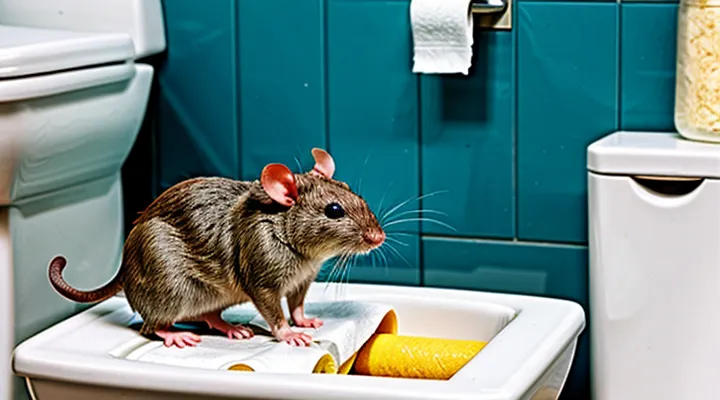
Toilet Paper for Rats: A Dietary Essential?
Understanding Rat Dietary Needs
Essential Nutrients for Rats
Rats require a diet that supplies all essential nutrients for growth, reproduction, and immune function. Deficiencies manifest as weight loss, poor coat condition, and increased susceptibility to disease.
- Proteins: Provide amino acids for tissue repair and enzyme production. Sources include high‑quality rodent pellets, cooked egg, lean meat, and soy.
- Fats: Supply concentrated energy and support absorption of fat‑soluble vitamins. Include vegetable oils, nuts, and pellet formulations with balanced lipid content.
- Carbohydrates: Offer readily available energy. Whole grains, oats, and fresh vegetables fulfill this need.
- Fiber: Promotes gastrointestinal motility and dental wear. Provide unprocessed hay, bran, and leafy greens.
- Water: Essential for all metabolic processes; always available in clean, fresh supply.
Micronutrients complete the nutritional profile:
- Vitamins: A, D, E, K, and the B‑complex group (B1, B2, B6, B12, niacin, folic acid, pantothenic acid). Commercial pellets are fortified; additional sources include carrots (A), fortified dairy (D), nuts (E), and leafy greens (K).
- Minerals: Calcium, phosphorus, magnesium, potassium, sodium, iron, zinc, copper, selenium. Balanced ratios, particularly Ca:P, prevent skeletal abnormalities. Sources encompass mineral blocks, bone meal, and fortified feeds.
Commercial rodent pellets deliver a consistent blend of these nutrients. Supplement with fresh produce, occasional protein treats, and mineral blocks to prevent monotony and ensure adequate intake.
Non‑nutritive materials such as paper products do not contribute to the nutrient profile. They lack digestible components and may introduce indigestible fibers that impair gastrointestinal function. Providing toilet paper as a dietary element is unnecessary and potentially harmful.
Foods to Avoid for Rats
Rats require a balanced diet that excludes items capable of causing toxicity, digestive upset, or long‑term health problems. Certain human foods contain compounds that rodents cannot metabolize safely; feeding these items can lead to acute poisoning or chronic disease.
- Chocolate, caffeine, and any products containing stimulants – contain theobromine and caffeine, both lethal in small doses.
- Alcohol and fermented beverages – depress the central nervous system and may cause respiratory failure.
- Raw or undercooked beans (especially kidney beans) – contain phytohaemagglutinin, a potent toxin.
- Avocado flesh and pit – contain persin, which damages cardiac muscle in rodents.
- Allium family members (onion, garlic, leeks, chives) – cause hemolytic anemia by damaging red blood cells.
- Citrus seeds and pits – contain cyanogenic glycosides that release cyanide when chewed.
- Dairy products – most adult rats lack sufficient lactase, leading to severe diarrhea and dehydration.
- High‑fat or greasy foods (fried items, fatty meats) – promote obesity, liver disease, and pancreatitis.
- Sugary candies, chocolate‑coated treats, and processed snacks – cause rapid blood‑sugar spikes, dental decay, and gastrointestinal irritation.
- Sticky or fibrous non‑food materials (including paper products not intended for consumption) – can obstruct the gastrointestinal tract.
Ingesting any of these substances may result in vomiting, diarrhea, seizures, organ failure, or death. Preventive care involves offering only rat‑specific pellets, fresh vegetables, and limited fruit, while strictly eliminating the listed items from the enclosure and any human food leftovers.
Toilet Paper as a Resource for Rats
Toilet Paper: Nutritional Value
Digestibility and Safety Concerns
Rats can gnaw on paper products, but the material’s composition determines whether it can be digested safely. Plain, unbleached toilet paper consists mainly of cellulose, a fiber that rodents lack enzymes to break down efficiently. Ingested cellulose passes through the gastrointestinal tract largely unchanged, offering no nutritional benefit and increasing bulk in the digestive system. Excessive bulk may lead to intestinal blockage, especially in smaller or younger animals.
Safety considerations include:
- Physical hazards: loose fibers can form clumps that obstruct the esophagus or intestines; sharp edges from perforated sheets may cause oral or gastric injuries.
- Chemical hazards: bleached or scented varieties contain chlorine, fragrances, and dyes that can irritate mucosal linings or introduce toxic compounds.
- Microbial hazards: toilet paper stored in damp environments can harbor mold or bacteria, posing infection risks when consumed.
- Contamination: shared bathroom surfaces may transfer residues of cleaning agents, detergents, or fecal matter, increasing exposure to pathogens.
Veterinary guidance recommends limiting exposure to paper products to non‑edible purposes such as nesting material, and providing a diet rich in fiber from safe sources like hay, leafy greens, and commercial rodent pellets. If a rat accidentally ingests a small amount of plain, unscented toilet paper, monitor for signs of discomfort, reduced appetite, or abnormal stool; seek veterinary assessment if symptoms appear.
Alternative Safe Chews and Enrichment
Acceptable Bedding Materials
Rats require bedding that supports hygiene, thermoregulation, and natural chewing behavior without compromising digestive health. Materials that meet these criteria are typically low‑dust, non‑toxic, and absorbent.
- Paper‑based products (recycled paper pellets, shredded paper, plain toilet paper). Provide high absorbency, minimal dust, and are safe if ingested in small amounts. Unbleached, fragrance‑free varieties avoid chemical exposure.
- Aspen shavings. Offer good ventilation and low aromatic oil content, reducing respiratory irritation. Soft texture permits nesting and gnawing.
- Coconut fiber (coir). Absorbs moisture efficiently, remains dry, and supplies a fibrous substrate for chewing. Ensure the product is untreated and free of added fertilizers.
- Hemp bedding. Naturally antimicrobial, low dust, and provides sturdy fibers for nest building. Verify that the hemp is processed without chemical binders.
- Lyophilized (freeze‑dried) wheat straw. Provides a dry, absorbent medium; safe if occasional ingestion occurs. Avoid if rats display a preference for excessive chewing, which could lead to overconsumption.
Materials such as pine or cedar shavings are unsuitable because volatile oils can damage respiratory tissue and irritate the gastrointestinal tract. Dust‑heavy litters, scented products, and chemically treated fibers pose similar risks.
When evaluating bedding, prioritize the following metrics: dust generation (particles < 10 µm), chemical inertness, absorbency rate (ml water per gram), and the likelihood of rats ingesting small fragments. Regular monitoring of bedding condition—replacing soiled sections weekly and conducting full changes biweekly—maintains a clean environment and prevents accidental over‑consumption of any substrate.
In the context of dietary considerations, paper‑based bedding aligns most closely with the question of whether toilet paper can serve as a supplemental fiber source. Its composition mirrors standard laboratory-grade paper products, offering a safe, digestible option when provided in limited quantities alongside a balanced diet.
Toys and Enrichment Options
Rats require mental stimulation to prevent stress‑induced health issues. Providing appropriate toys mimics natural foraging and nesting behaviors, thereby supporting physiological balance.
Effective enrichment items include:
- Chewable wooden blocks or untreated bark, which satisfy dental wear needs.
- Puzzle feeders that release small food portions when manipulated, encouraging problem‑solving.
- Hanging hammocks or fabric tunnels that create vertical space for exploration.
- Interactive balls with textured surfaces, promoting active play and muscle development.
- Safe, untreated paper products (e.g., shredded toilet paper) that can be shredded, offering tactile engagement without nutritional relevance.
Rotating these objects weekly maintains novelty, reduces habituation, and aligns with the broader discussion of whether non‑nutritive paper materials should be incorporated into a rat’s diet. The focus remains on behavioral enrichment rather than dietary supplementation.