
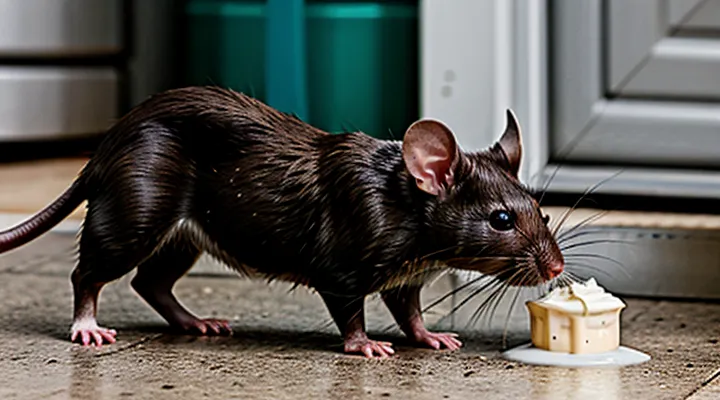
Understanding a Rat’s Digestive System
Carnivore, Herbivore, or Omnivore?
Rats belong to the order Rodentia and are classified as omnivores. Their natural diet includes plant material, insects, and occasional animal protein, reflecting a flexible feeding strategy that adapts to available resources.
The omnivorous classification permits the inclusion of dairy products such as sour cream, provided that the amount is limited and the product is fresh. Sour cream supplies fat and protein, nutrients that rats can metabolize, but excessive dairy may cause digestive upset because rodents lack high levels of lactase.
Typical rat diet components:
- Grains, seeds, and fresh vegetables
- Insects, mealworms, and small animal protein sources
- Limited amounts of dairy (e.g., cheese, yogurt, sour cream)
- Commercial rodent pellets formulated for balanced nutrition
When offering sour cream, follow these guidelines:
- Serve a pea‑sized portion no more than once a week.
- Ensure the sour cream is plain, without added sugars, flavorings, or preservatives.
- Observe the rat for signs of gastrointestinal distress; discontinue if symptoms appear.
In summary, rats are omnivorous, and small, occasional servings of sour cream are compatible with their dietary physiology when administered responsibly.
The Role of Gut Flora
Rats can consume sour cream, but the outcome depends largely on the composition of their intestinal microbiota. Sour cream introduces lactose, high‑fat content, and live cultures that interact with resident bacterial populations. These interactions determine whether the product is digested efficiently or triggers gastrointestinal distress.
Lactose digestion relies on bacterial enzymes such as β‑galactosidase. Species belonging to the genera Lactobacillus and Bifidobacterium produce this enzyme, converting lactose into glucose and galactose that the host can absorb. In rats with a robust presence of these microbes, lactose from sour cream is typically metabolized without producing excess gas or diarrhea.
Fat metabolism is linked to bile‑acid‑degrading bacteria. Members of the Clostridium clusters and Enterococcus spp. possess bile‑salt hydrolase activity, facilitating emulsification and absorption of the cream’s lipids. When these groups are underrepresented, fat may remain undigested, leading to steatorrhea or altered stool consistency.
Potential risks arise when the microbial balance is disrupted. Overgrowth of Proteobacteria or pathogenic Enterobacteriaceae can ferment lactose into short‑chain fatty acids and hydrogen sulfide, causing inflammation. Additionally, the introduction of exogenous cultures from sour cream may outcompete native strains, temporarily shifting community structure.
Practical considerations for offering sour cream to rats:
- Verify the animal’s microbiota health through fecal analysis or veterinary assessment.
- Introduce sour cream gradually, starting with a teaspoon per 100 g body weight.
- Observe for signs of digestive upset: loose stools, reduced appetite, or lethargy.
- Limit frequency to prevent long‑term alteration of gut composition.
A well‑balanced gut flora enables rats to tolerate sour cream as an occasional treat, while dysbiosis increases the likelihood of adverse effects. Monitoring microbial status before and after exposure provides the most reliable method for assessing suitability.
Lactose Intolerance in Rodents
Rats typically lose the ability to produce lactase, the enzyme that hydrolyzes lactose, shortly after weaning. Consequently, most adult rodents cannot efficiently digest lactose and exhibit a physiological condition known as lactose intolerance.
The intolerance manifests as rapid fermentation of undigested lactose by gut microbiota, producing gas and short‑chain fatty acids. Observable outcomes include abdominal distension, increased intestinal motility, liquid stools, and reduced nutrient absorption. These symptoms can develop within minutes of ingesting lactose‑containing foods.
Sour cream contains a substantial amount of lactose, often ranging from 3 % to 5 % by weight. Introducing sour cream to a rat’s diet therefore poses a high risk of triggering the aforementioned gastrointestinal disturbances. Even small portions may exceed the limited lactase activity present in most adult rats.
Practical recommendations:
- Exclude sour cream and other dairy products from routine feeding regimens.
- If a trial is deemed necessary, limit the amount to less than 0.5 g per 100 g body weight and monitor for signs of intolerance.
- Substitute with lactose‑free protein sources such as boiled egg, cooked chicken, or commercial rodent treats formulated without dairy.
- Record any adverse reactions and adjust the diet accordingly.
Understanding that adult rats generally lack sufficient lactase activity provides a clear basis for concluding that sour cream is unsuitable for regular consumption.
Nutritional Breakdown of Sour Cream
Fat Content and Calories
Sour cream contains a high proportion of fat, typically ranging from 10 % to 20 % of its weight depending on the brand and formulation. A standard tablespoon (approximately 15 g) provides 30 – 50 kcal, of which about 2.5 – 4.5 g are fat. The remaining calories derive from protein and a small amount of carbohydrate.
Rats metabolize dietary fat more efficiently than many other mammals, but excessive intake quickly elevates body weight and can strain hepatic function. Studies on laboratory rodents indicate that fat contributing more than 1 % of total daily energy intake leads to measurable increases in adipose tissue within weeks. For a typical adult rat consuming 15 kcal per day, the fat-derived calories should not exceed 0.15 kcal, corresponding to roughly 0.5 g of sour cream (about one‑third of a tablespoon) per day.
Practical recommendations:
- Offer sour cream no more than twice a week.
- Limit each serving to 0.3 – 0.5 g (≈¼ – ⅓ tablespoon).
- Observe the animal for changes in weight, coat condition, and activity level.
- Prefer low‑fat or fat‑free varieties if occasional supplementation is desired.
Providing sour cream within these limits supplies a modest source of calcium and vitamin A without overwhelming the rat’s caloric budget. Exceeding the suggested amount introduces unnecessary fat calories, increasing the risk of obesity and related health complications.
Lactose Levels in Cultured Dairy
Cultured dairy products contain reduced lactose compared with fresh milk because lactic‑acid bacteria ferment the sugar during production. This reduction influences the suitability of such foods for rodents that lack high lactase activity.
Sour cream, a fermented cream, typically retains 1–2 g of lactose per 100 g, lower than the 4.7 g found in whole milk. Yogurt and kefir often contain 3–5 g per 100 g, while cultured buttermilk may hold 2–3 g. The exact amount varies with strain selection, fermentation time, and starter cultures.
- Sour cream: 1–2 g / 100 g
- Yogurt (plain, low‑fat): 3–5 g / 100 g
- Kefir: 3–4 g / 100 g
- Cultured buttermilk: 2–3 g / 100 g
Rats possess limited lactase, so even modest lactose levels can cause gastrointestinal distress. When offering fermented dairy, ensure the product’s lactose content falls below the threshold tolerated by the specific animal, typically under 2 g / 100 g. Monitor for signs of diarrhea or bloating after introduction, and adjust portion size accordingly.
Added Ingredients: Salt and Preservatives
Sour cream commonly contains added salt and chemical preservatives such as sodium benzoate, potassium sorbate, or calcium propionate. Both components influence the safety profile for laboratory or pet rats.
- Salt (sodium chloride): Rats tolerate low concentrations; dietary guidelines suggest a maximum of 0.2 % sodium in a balanced rodent diet. Commercial sour cream often exceeds this level, reaching 0.5–1 % sodium, which can cause dehydration, hypertension, and renal stress when consumed regularly.
- Preservatives:
- Sodium benzoate – acceptable daily intake for rats is approximately 50 mg kg⁻¹ body weight. Typical sour cream portions provide 5–10 mg per 100 g, potentially approaching the limit if fed frequently.
- Potassium sorbate – safe threshold around 30 mg kg⁻¹ body weight; concentrations in sour cream are usually 10–20 mg per 100 g, presenting a modest risk.
- Calcium propionate – tolerated up to 100 mg kg⁻¹ body weight; levels in sour cream remain well below this value.
Excessive salt disrupts electrolyte balance, while chronic exposure to preservatives may interfere with gut microbiota and liver function. Small, occasional servings (no more than 5 g) are unlikely to cause acute toxicity, but they do not contribute nutritional value and can mask underlying health issues.
For optimal health, provide rats with plain, unsalted, preservative‑free dairy alternatives, such as fresh low‑fat cheese or plain yogurt, or avoid dairy altogether. If sour cream is offered, monitor intake carefully and limit exposure to a single, infrequent treat.
Potential Risks of Feeding Sour Cream to Rats
Digestive Upset: Diarrhea and Vomiting
Sour cream is a high‑fat, lactose‑rich food that many pet owners consider as a treat for rodents. Rats lack the enzymatic capacity to break down large amounts of lactose, and the dense fat content can overwhelm their short digestive tract.
When a rat consumes sour cream beyond its tolerance, the gastrointestinal system may react with acute disturbances. Typical manifestations include:
- Watery, unformed feces that may contain mucus
- Frequent, small bowel movements
- Regurgitation or forceful expulsion of stomach contents
- Lethargy and reduced appetite accompanying the above signs
The underlying cause is twofold. First, insufficient lactase activity leaves lactose unprocessed, creating an osmotic gradient that draws water into the intestinal lumen, resulting in diarrhea. Second, excess fat slows gastric emptying and promotes bacterial overgrowth, which can trigger vomiting and further compromise nutrient absorption.
Preventive measures focus on moderation and observation. Offer no more than a teaspoon of sour cream per week, spread thinly on a small piece of plain food. Provide constant access to fresh water to mitigate dehydration. If diarrhea persists for more than 24 hours or vomiting recurs, discontinue the dairy source and consult a veterinarian promptly. Safer alternatives, such as small portions of plain cooked vegetables or commercially formulated rodent treats, supply enrichment without the digestive risk.
Obesity and Related Health Issues
Sour cream is a high‑fat dairy product; regular consumption can increase caloric intake in laboratory and pet rats and predispose them to excess body weight. Elevated energy density accelerates adipose tissue accumulation, especially when feed is not balanced with activity levels.
- Increased adiposity leads to insulin resistance, impairing glucose regulation.
- Hepatic steatosis may develop as excess fat deposits in the liver.
- Elevated blood lipids place strain on the cardiovascular system, raising the risk of hypertension.
- Joint stress intensifies, reducing mobility and encouraging further weight gain.
- Immune function can decline, making rats more susceptible to infections.
Preventive measures include limiting sour cream to occasional, small portions, monitoring body condition scores weekly, and providing enrichment that encourages physical activity. Adjusting the overall diet to maintain a moderate fat proportion (≤10 % of total calories) helps mitigate the progression of obesity‑related disorders.
Allergic Reactions and Sensitivities
Rats tolerate small amounts of cultured dairy, but individual sensitivity varies. Lactose intolerance and immune reactions to milk proteins are documented in laboratory and pet populations. Introducing sour cream without prior assessment can trigger adverse responses.
Allergic or hypersensitivity signs appear rapidly and may include:
- Respiratory distress (labored breathing, wheezing)
- Cutaneous irritation (redness, swelling, scratching)
- Gastrointestinal upset (vomiting, diarrhea, reduced appetite)
- Lethargy or abnormal behavior
When testing a new food, follow a controlled protocol:
- Offer a pea‑size portion of sour cream on a clean surface.
- Observe the animal for at least two hours, noting any listed symptoms.
- If no reaction occurs, repeat the trial after 24 hours with the same quantity.
- Increase the serving only after two consecutive uneventful observations.
If any adverse sign emerges, discontinue the food immediately and consult a veterinarian experienced with rodents. For rats with known dairy sensitivity, substitute with non‑dairy treats such as fresh vegetables or commercially formulated rodent snacks.
Pancreatitis Risk
Rats can digest a variety of dairy products, but the high fat content of sour cream poses a specific health concern: pancreatitis. The pancreas in rodents is sensitive to sudden increases in dietary lipids, and excessive fat can trigger inflammation, enzyme leakage, and tissue damage.
Key points regarding pancreatitis risk from sour cream:
- Fat concentration in sour cream exceeds typical rodent dietary limits.
- Rapid ingestion of rich dairy leads to pancreatic enzyme hypersecretion.
- Inflammation may progress to necrosis if the animal lacks adequate hydration and supportive care.
- Young, pregnant, or previously ill rats exhibit heightened susceptibility.
Mitigation strategies include limiting portion size, offering low‑fat alternatives, and monitoring for clinical signs such as abdominal swelling, reduced activity, and changes in fur condition. Immediate veterinary assessment is recommended if symptoms appear.
Overall, occasional, minimal exposure to sour cream carries a measurable risk of pancreatic inflammation, making it advisable to avoid regular feeding of high‑fat dairy to laboratory or pet rats.
Safe Alternatives to Sour Cream for Rats
Approved Dairy Products in Moderation
Rats tolerate a limited range of dairy foods when introduced gradually and monitored for adverse reactions. Veterinary nutrition guidelines specify that only low‑fat, low‑sugar varieties should be offered, and each serving must remain well below the animal’s daily caloric requirement.
- plain yogurt (unsweetened, low‑fat)
- kefir (plain, low‑fat)
- cottage cheese (low‑fat)
- soft cheese such as mozzarella (small cubes)
- sour cream (full‑fat, no additives, occasional)
The recommended portion size for an adult laboratory rat is approximately ½ teaspoon of any dairy product, no more than twice per week. Excessive intake can lead to gastrointestinal upset, obesity, or dental problems. Rats that display loose stools or reduced activity after dairy exposure should have the product removed from the diet.
When incorporating dairy, start with a single small bite and observe the animal for at least 24 hours. If no negative signs appear, the product may be repeated according to the frequency guidelines above. Always provide fresh water and a balanced staple diet to ensure nutritional completeness.
Healthy Treat Options: Fruits and Vegetables
Offering dairy products such as sour cream to rats can introduce excess fat and lactose, which many rodents cannot digest efficiently. Selecting natural, plant‑based treats reduces gastrointestinal stress and supplies essential vitamins, minerals, and fiber.
- Apple slices (core removed) – source of vitamin C and soluble fiber; feed in small pieces.
- Blueberries – rich in antioxidants; limit to a few berries per day.
- Carrot sticks – provide beta‑carotene and crunch; offer raw or lightly steamed.
- Broccoli florets – contain vitamin K and calcium; serve in moderation to avoid gas.
- Cucumber rounds – high water content, low calories; suitable for hydration.
- Spinach leaves – supply iron and folate; rotate with other greens to prevent oxalate buildup.
- Peas (fresh or frozen, thawed) – protein and vitamin A; avoid canned varieties with added salt.
These options deliver balanced nutrition without the risks associated with high‑fat dairy. Incorporate a variety of the listed items into a rat’s daily regimen, adjusting portion size to the animal’s weight and activity level. Regular monitoring of stool consistency and weight will confirm the suitability of the chosen treats.
Commercial Rat Treats
Rats can safely enjoy sour cream in limited amounts, but most owners rely on commercially produced treats to provide balanced nutrition and consistent quality. Commercial rat treats are formulated to meet the specific dietary requirements of rodents, offering controlled levels of protein, fat, fiber, and essential vitamins. Manufacturers label products with ingredient lists, guaranteeing that no harmful additives, such as excessive salt or artificial sweeteners, are present.
Key considerations when selecting a commercial rat treat:
- Nutrient profile – protein content between 15‑20 %, fat under 5 %, and fiber ≥ 3 % support growth and digestive health.
- Ingredient transparency – clear disclosure of all components, including any dairy derivatives, helps assess compatibility with sour cream intake.
- Shelf stability – low moisture and appropriate preservatives prevent spoilage, reducing the risk of bacterial contamination.
- Regulatory compliance – products meeting FDA or EU pet‑food standards adhere to strict safety protocols.
When integrating sour cream into a rat’s diet, treat portions should be adjusted to maintain overall caloric balance. For example, a 5‑gram serving of a high‑protein commercial treat can be paired with a 2‑gram dollop of sour cream without exceeding daily energy limits. Monitoring body condition and adjusting treat frequency ensures that the addition of dairy does not lead to obesity or nutrient imbalance.
In practice, reputable commercial rat treats provide a reliable base diet, while occasional sour cream serves as a complementary flavor enhancer. Combining both under controlled portions delivers variety without compromising health.
Guidelines for a Balanced Rat Diet
Essential Nutrients for Rat Health
Rats require a diet that supplies protein, fat, fiber, vitamins, and minerals in precise ratios to maintain growth, immunity, and organ function. When evaluating occasional dairy items such as sour cream, the nutritional profile of the animal’s regular feed must already meet these baseline needs.
- Protein (15‑20 % of diet): supplies amino acids for tissue repair and enzyme synthesis.
- Fat (5‑10 % of diet): provides energy and assists in absorption of fat‑soluble vitamins.
- Fiber (4‑6 % of diet): promotes gastrointestinal motility and prevents impaction.
- Vitamin A: supports vision and epithelial health.
- Vitamin D: regulates calcium metabolism.
- Vitamin E: protects cell membranes from oxidative damage.
- Vitamin K: essential for blood clotting.
- B‑complex vitamins: facilitate metabolic pathways.
- Calcium and phosphorus (ratio ≈ 1.2‑1.4 : 1): critical for bone development and neuromuscular signaling.
- Magnesium, potassium, zinc, iron: participate in enzymatic reactions and electrolyte balance.
Sour cream delivers saturated fat and calcium but contains minimal protein, fiber, and most vitamins. Its high fat content can disrupt the established fat‑to‑protein balance if offered frequently. As a supplemental treat, a teaspoon-sized portion once or twice a week will not jeopardize nutrient adequacy, provided the primary diet continues to meet the specifications listed above. Regular monitoring of body condition and veterinary assessment remain essential when integrating any non‑standard food item.
Frequency and Portion Control
Sour cream, a high‑fat dairy product, can be included in a rat’s diet only as an occasional treat. Veterinary guidance limits its use because excessive fat and lactose may disrupt digestive health.
- Recommended portion: approximately ¼ teaspoon (1 ml) for an adult rat; smaller amounts for juveniles or lightweight individuals.
- Frequency: no more than two to three servings per week; daily exposure increases risk of obesity and gastrointestinal upset.
- Monitoring: observe stool consistency after each offering; discontinue if soft or watery feces appear.
Low‑fat, plain varieties reduce calorie load and lactose content. When introducing sour cream, start with the smallest possible amount and assess tolerance before any repeat offering. Consistent portion control and limited frequency maintain nutritional balance while allowing occasional enrichment.
Foods to Absolutely Avoid
Rats may tolerate sour cream in small amounts, but many common foods pose serious health risks and must be excluded from their diet.
- Chocolate and cocoa products – contain theobromine, which is toxic to rodents and can cause seizures or death.
- Citrus fruits and juices – high acidity damages the digestive lining and can lead to gastritis.
- Raw or undercooked beans (especially kidney beans) – contain phytohemagglutinin, a potent toxin that induces vomiting and diarrhea.
- Onions, garlic, and related Allium species – produce compounds that damage red blood cells, resulting in hemolytic anemia.
- Alcohol and caffeinated beverages – depress the central nervous system and increase heart rate, potentially causing respiratory failure.
- High‑salt foods – overload kidneys, leading to dehydration and electrolyte imbalance.
- Sugary candies and processed sweets – promote obesity, dental disease, and metabolic disorders.
- Artificial sweeteners (e.g., xylitol) – can cause rapid insulin release and hypoglycemia.
Providing a diet free of these items protects rat health while allowing occasional, limited portions of safe dairy such as plain sour cream.
Consulting a Veterinarian on Rat Nutrition
Rats require a diet that matches their metabolic needs and digestive capabilities; professional advice ensures that any supplemental food, including dairy products, does not compromise health.
When evaluating the safety of offering sour cream, a veterinarian will consider the animal’s species‑specific lactose tolerance, fat concentration, and existing medical conditions.
Key points to discuss with the veterinarian:
- Whether the rat has a history of gastrointestinal upset after dairy exposure.
- Recommended maximum frequency and portion size for any dairy treat.
- Alternative calcium‑rich foods that provide similar nutritional benefits without the risks associated with dairy.
- Signs of adverse reactions to monitor after introducing a new food item.
The veterinarian will review the rat’s current diet, weight, and health records, then provide a tailored feeding plan that may include or exclude sour cream. Adjustments are made based on observed tolerance and any changes in the animal’s condition.
After the consultation, keep a log of all dietary changes, note any behavioral or physical responses, and schedule follow‑up appointments to reassess the feeding regimen as needed.