
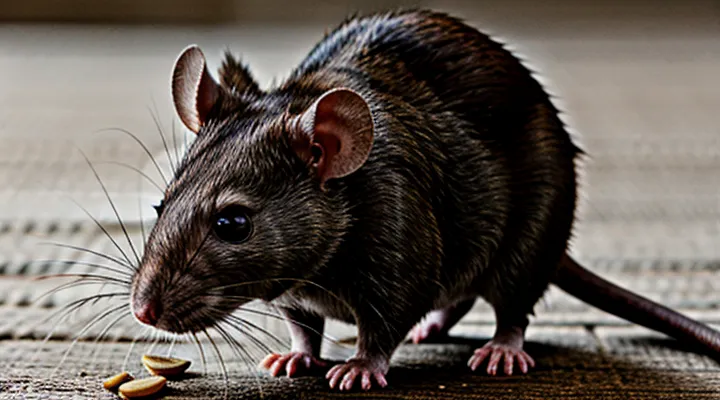
Understanding Rat Dietary Needs
Essential Nutritional Requirements for Rats
Rats require a balanced diet that supplies adequate energy, protein, fats, fiber, vitamins, and minerals to support growth, reproduction, and immune function.
Protein should constitute 14–20 % of the diet by weight, with a high biological value to provide essential amino acids such as lysine, methionine, and tryptophan. Fat supplies 4–7 % of calories, primarily from sources rich in linoleic acid, while carbohydrates provide the remaining energy.
Vitamins must be present in sufficient quantities: vitamin A (≈ 3 000 IU/kg), vitamin D₃ (≈ 1 000 IU/kg), vitamin E (≈ 50 IU/kg), and the full B‑complex (thiamine, riboflavin, niacin, pantothenic acid, pyridoxine, biotin, folic acid, cobalamin) at levels that prevent deficiency syndromes.
Mineral requirements include calcium (1–2 % of diet), phosphorus (0.8–1.2 %), with a Ca:P ratio of roughly 1:1 to support skeletal health. Magnesium, potassium, sodium, iron, zinc, copper, manganese, and selenium must meet established minimum concentrations to maintain enzymatic activity and metabolic balance.
Water is essential; rats should have continuous access to clean, fresh water to prevent dehydration and aid digestion.
Fiber, supplied by coarse plant material or specially formulated fiber sources, should represent 5–10 % of the diet, promoting gastrointestinal motility and preventing hairball formation.
A concise summary of the core nutritional parameters:
- Protein: 14–20 % (high‑quality sources)
- Fat: 4–7 % of caloric content
- Carbohydrate: remainder of energy supply
- Vitamin A: ~3 000 IU/kg
- Vitamin D₃: ~1 000 IU/kg
- Vitamin E: ~50 IU/kg
- B‑complex: levels meeting NRC recommendations
- Calcium: 1–2 % (Ca:P ≈ 1:1)
- Phosphorus: 0.8–1.2 %
- Other minerals: per established rodent standards
- Fiber: 5–10 %
- Water: ad libitum
Meeting these requirements ensures physiological stability and allows for the safe inclusion of supplemental foods, provided they do not disrupt the established nutrient balance.
Foods to Avoid Feeding Rats
Raw buckwheat can be included in a rat’s diet, but the overall safety of the diet depends on eliminating foods that pose health risks. Understanding which items are hazardous prevents digestive problems, obesity, and toxic reactions.
- Processed meats (e.g., bacon, sausage, deli slices)
- High‑fat snacks (potato chips, cheese puffs)
- Sugary treats (candy, chocolate, glazed nuts)
- Citrus fruits (oranges, lemons, grapefruits)
- Raw beans and legumes (especially kidney beans)
- Avocado (especially the skin and pit)
- Alcoholic beverages and caffeinated drinks
- Salted or seasoned nuts
- Dairy products beyond small cheese portions
- Sticky or hard foods that can cause choking (peanut butter balls, large seeds)
These foods share common dangers: excessive fat or sugar leads to rapid weight gain and metabolic disorders; toxic compounds such as solanine in raw beans or persin in avocado damage organs; acidic fruits erode enamel and upset stomach acidity; high sodium and caffeine elevate heart rate and blood pressure; choking hazards obstruct airways or cause dental injury.
A safe diet centers on high‑quality rodent pellets, fresh vegetables, limited fruits, and occasional protein sources like cooked eggs or lean meat. Introduce new items gradually, monitor for adverse reactions, and consult a veterinarian for specific dietary plans.
Raw Buckwheat and Rat Health
Nutritional Profile of Buckwheat
Vitamins and Minerals in Buckwheat
Buckwheat provides a concentrated source of micronutrients that can complement a rodent’s diet. The grain contains several water‑soluble vitamins and a range of essential minerals, each contributing to metabolic functions, bone development, and immune health.
- Vitamin B1 (thiamine): approximately 0.1 mg per 100 g, supporting carbohydrate metabolism.
- Vitamin B2 (riboflavin): about 0.2 mg per 100 g, involved in energy production.
- Vitamin B3 (niacin): roughly 7 mg per 100 g, essential for DNA repair and cellular signaling.
- Vitamin B6 (pyridoxine): near 0.2 mg per 100 g, required for amino‑acid metabolism.
- Folate: around 30 µg per 100 g, necessary for nucleotide synthesis.
- Vitamin E (tocopherol): roughly 0.9 mg per 100 g, acts as an antioxidant.
The mineral profile of buckwheat includes:
- Magnesium: 230 mg per 100 g, critical for enzymatic reactions and nerve function.
- Phosphorus: 300 mg per 100 g, needed for skeletal integrity and energy transfer.
- Potassium: 250 mg per 100 g, regulates fluid balance and muscle activity.
- Iron: 2.2 mg per 100 g, supports hemoglobin formation.
- Zinc: 1.1 mg per 100 g, involved in immune response and protein synthesis.
- Copper: 0.3 mg per 100 g, participates in oxidative metabolism.
- Manganese: 0.9 mg per 100 g, functions in antioxidant defense.
When raw buckwheat is introduced into a rat’s diet, the vitamin and mineral content can fulfill portions of the species’ nutritional requirements. Thiamine, riboflavin, and niacin levels align closely with standard rodent recommendations, while magnesium and phosphorus supply substantial portions of the daily mineral quota. However, buckwheat also contains phytic acid, which binds minerals and reduces bioavailability. Processing methods such as soaking, sprouting, or light roasting diminish phytic acid concentration, thereby enhancing mineral absorption. Including raw buckwheat in moderation, alongside a balanced diet, supplies valuable micronutrients without exceeding safe intake limits.
Fiber Content and Its Effects
Raw buckwheat provides a notable amount of dietary fiber, making it a potential supplement for laboratory and pet rats. The grain contains roughly 10 % soluble fiber and 5 % insoluble fiber per 100 g of raw product, delivering both fermentable material and structural bulk.
Soluble fiber is fermented by colonic bacteria, producing short‑chain fatty acids that support mucosal integrity and modulate immune function. Insoluble fiber adds bulk to feces, promoting regular peristalsis and reducing the likelihood of constipation. Excessive fiber, however, can dilute nutrient density and slow gastric emptying, potentially leading to reduced intake of essential proteins and fats.
Key physiological responses observed in rats receiving raw buckwheat include:
- Increased fecal mass and moisture, indicating enhanced transit.
- Elevated concentrations of acetate, propionate, and butyrate in the colon.
- Stabilized blood glucose levels due to delayed carbohydrate absorption.
- Potential reduction in gut‑associated inflammation markers.
Practical guidance recommends introducing raw buckwheat gradually, not exceeding 5 % of the total diet on a dry‑matter basis. Monitor stool consistency and body weight for signs of malabsorption or gastrointestinal distress. Adjust portions accordingly to maintain a balanced nutrient profile.
Potential Risks of Raw Buckwheat for Rats
Enzyme Inhibitors and Their Impact
Raw buckwheat contains several naturally occurring enzyme inhibitors, chiefly protease inhibitors, amylase inhibitors, and lectins. These molecules interfere with digestive enzymes by binding to active sites or altering enzyme conformation, thereby reducing the breakdown of proteins, starches, and certain carbohydrates. When rats consume unprocessed buckwheat, the inhibitors can diminish nutrient absorption, leading to lower weight gain and possible gastrointestinal discomfort.
The physiological impact of each inhibitor class is distinct:
- Protease inhibitors: suppress pancreatic trypsin and chymotrypsin activity, limiting protein hydrolysis. In rats, reduced amino‑acid availability may impair growth and tissue repair.
- Amylase inhibitors: hinder salivary and pancreatic amylase, slowing starch digestion. Resulting undigested polysaccharides can ferment in the large intestine, producing excess gas and altering gut microbiota.
- Lectins: bind to intestinal epithelium, increasing permeability and potentially triggering mild inflammation. Chronic exposure may compromise barrier integrity.
Thermal treatment, moist heat, or fermentation deactivates most inhibitors. Boiling buckwheat for 10–15 minutes reduces protease and amylase inhibitor activity by over 90 percent, while maintaining nutritional value. Sprouting also lowers lectin concentrations, though residual activity remains higher than in cooked grain.
For experimental or pet feeding protocols, incorporate processed buckwheat rather than raw kernels. Verify inhibitor reduction through standard assays if precise dietary control is required. Unprocessed buckwheat should be avoided in rat diets where optimal protein and carbohydrate utilization are essential.
Phytic Acid Considerations
Raw buckwheat contains phytic acid, a compound that binds minerals such as calcium, iron, zinc, and magnesium, reducing their bioavailability for rats. High dietary phytic acid can lead to deficiencies, especially in growing or breeding individuals that have elevated mineral requirements.
- Phytic acid concentration in uncooked buckwheat averages 0.8–1.2 % of dry weight.
- Binding affinity follows the order: iron > zinc > calcium > magnesium.
- Rats consuming more than 5 % raw buckwheat in a balanced diet may experience measurable decreases in serum iron and zinc levels.
Mitigation techniques improve mineral absorption:
- Soaking buckwheat in water for 12–24 hours lowers phytic acid by 30–40 %.
- Sprouting for 2–3 days reduces phytic acid further, reaching reductions of up to 60 %.
- Fermentation with Lactobacillus cultures can achieve 70 % or greater degradation.
When raw buckwheat is included in a rat diet, supplementing with chelated minerals or adding vitamin C enhances absorption and offsets residual phytic acid effects. Monitoring blood parameters for iron, zinc, and calcium is advisable during the first four weeks of introduction.
Overall, phytic acid presents a nutritional hurdle that can be managed through processing, supplementation, and regular health assessment, allowing raw buckwheat to be used safely as a component of rat feed.
Digestibility Issues
Raw buckwheat, when offered to laboratory or pet rats without cooking, presents several digestibility challenges. The grain’s cell walls contain a high proportion of insoluble fiber, which resists breakdown by the rat’s relatively short gastrointestinal tract. Consequently, a substantial fraction of the ingested material passes unchanged, reducing the net energy derived from the feed.
Antinutritional compounds further limit nutrient absorption. Phytic acid binds calcium, iron, and zinc, forming complexes that remain unavailable for intestinal uptake. Tannins present in the husk interfere with protein digestion by precipitating enzymes and dietary proteins. Additionally, raw buckwheat harbors protease inhibitors that diminish the activity of pancreatic enzymes, slowing the breakdown of dietary proteins.
Starch in uncooked buckwheat retains a crystalline structure that rats cannot efficiently hydrolyze. Without gelatinisation, amylase activity remains low, leading to incomplete carbohydrate digestion and potential fermentation in the large intestine. Fermentation may produce gas and short‑chain fatty acids, which can cause discomfort and alter gut flora.
Key digestibility concerns include:
- High insoluble fiber → reduced energy extraction
- Phytic acid → mineral chelation, lowered bioavailability
- Tannins → protein precipitation, enzyme inhibition
- Protease inhibitors → diminished protein hydrolysis
- Ungelatinised starch → limited carbohydrate utilization, risk of fermentation
These factors collectively lower the metabolizable energy of raw buckwheat and increase the likelihood of gastrointestinal disturbances in rats. Adjusting the diet by cooking the grain or supplementing with enzyme preparations can mitigate most of the identified issues.
Cooked Buckwheat as a Safe Alternative
Preparing Buckwheat for Rats
Soaking and Rinsing Buckwheat
Soaking buckwheat before offering it to rats reduces antinutrients such as phytic acid, which can bind minerals and impair absorption. Rinsing eliminates surface dust, pesticide residues, and soluble saponins that may irritate the gastrointestinal tract. Both processes improve digestibility and lower the risk of choking on hard grains.
Proper preparation follows these steps:
- Place the desired amount of buckwheat in a bowl; cover with cool water at a 2:1 ratio.
- Allow the grains to soak for 4–6 hours, or overnight for maximum reduction of phytic acid.
- Drain the water, then rinse the grains under running water for 30 seconds, stirring to remove lingering debris.
- Pat dry with a clean cloth or paper towel before adding to the rat’s diet.
Consistent use of soaked and rinsed buckwheat provides a safer source of protein, fiber, and essential minerals, supporting overall health without the hazards associated with unprocessed raw grains.
Cooking Methods and Best Practices
Buckwheat provides protein, fiber, and minerals valuable for rodent diets, but raw grains contain antinutrients such as phytic acid that can impair mineral absorption. Heat treatment reduces these compounds and improves digestibility, making cooked buckwheat a safer option for pet rats.
Effective cooking methods include:
- Boiling – submerge rinsed grains in water, bring to a rolling boil, simmer 5–7 minutes until soft, drain, and cool before serving.
- Steaming – place rinsed grains in a steamer basket, steam 6–8 minutes; retains more nutrients than boiling while eliminating antinutrients.
- Dry roasting – spread rinsed grains on a low‑heat tray (150 °C/300 °F), stir every 2 minutes, roast 8–10 minutes until lightly browned; adds flavor and reduces moisture content.
Best practices for incorporating buckwheat into a rat’s diet:
- Rinse thoroughly to remove dust and debris.
- Cook to a soft but not mushy texture to facilitate chewing.
- Cool to room temperature before offering to prevent burns.
- Limit portion to 1–2 teaspoons per day, adjusting for weight and activity level.
- Introduce gradually, monitoring for digestive upset or changes in stool.
- Store uncooked buckwheat in an airtight container in a cool, dry place; keep cooked portions refrigerated and use within 48 hours.
- Combine with a balanced commercial diet to ensure complete nutrition.
Following these methods and guidelines maximizes the nutritional benefits of buckwheat while minimizing health risks for laboratory or household rats.
Benefits of Cooked Buckwheat for Rats
Cooked buckwheat supplies rats with high‑quality plant protein, essential for tissue growth and maintenance. The heat‑treated grain eliminates antinutrients such as fagopyrin, reducing the risk of digestive irritation. Its carbohydrate profile offers a steady energy source without causing rapid blood‑sugar spikes.
Key nutritional advantages include:
- Amino acid balance – rich in lysine and arginine, supporting immune function.
- Fiber content – soluble and insoluble fibers promote gut motility and beneficial microbiota.
- Mineral supply – delivers magnesium, phosphorus, and manganese in bioavailable forms.
- Low fat – limits excess caloric intake, helping maintain healthy body weight.
Digestibility improves after cooking, allowing rats to absorb up to 20 % more nutrients compared with raw grains. The softened texture also eases chewing for young or dental‑compromised individuals, reducing the chance of oral injuries.
Incorporating a modest portion of cooked buckwallo into a balanced rodent diet enhances overall health without displacing essential protein sources such as soy or animal‑derived meals. Regular inclusion supports muscular development, bone strength, and a stable gastrointestinal environment.
Recommended Serving Sizes and Frequency
Raw buckwheat may be offered to pet rats as an occasional treat, provided the portion size and timing are controlled.
The grain contains carbohydrates, protein, and fiber, but also antinutrients that can interfere with mineral absorption if consumed in excess. Balance with a staple diet of commercial pellets and fresh vegetables.
Serving size recommendations
- Small adult rat (150 g): ¼ teaspoon (≈1 g) of uncooked buckwheat per serving.
- Large adult rat (250 g): ½ teaspoon (≈2 g) per serving.
- Juvenile rat (under 100 g): ⅛ teaspoon (≈0.5 g) per serving.
- All sizes: no more than 5 % of total daily caloric intake.
Frequency guidelines
- Maximum three servings per week.
- Minimum two days between servings to allow gut flora to recover.
- Avoid daily feeding; reserve for special occasions or training rewards.
Observe the animal for signs of digestive upset, weight gain, or changes in behavior. Adjust portions or discontinue if adverse effects appear. Regular veterinary check‑ups ensure the treat remains safe within the overall nutritional plan.
General Guidelines for Feeding Rats
Importance of a Balanced Diet
A balanced diet supplies the nutrients rats need for growth, reproduction, and immune function. Protein, carbohydrates, fats, vitamins, and minerals must each be present in appropriate proportions; deficiency or excess of any component can lead to metabolic disorders, reduced fertility, or shortened lifespan.
When evaluating the suitability of uncooked buckwheat as a dietary element, consider its nutritional profile. Buckwheat offers carbohydrates, fiber, and minerals such as magnesium and manganese, but it lacks sufficient protein and essential fatty acids required by rodents.
Key points for integrating raw buckwheat into a rat’s regimen:
- Use as a supplemental source, not as a staple.
- Combine with high‑quality rodent pellets that meet complete nutrient specifications.
- Limit portion size to prevent excess caloric intake and potential digestive upset.
- Monitor for signs of nutrient imbalance, such as weight loss or coat deterioration.
Providing a varied diet that meets all nutritional categories ensures that the addition of raw buckwheat contributes positively without compromising overall health. Regular assessment of body condition and dietary composition remains essential for maintaining optimal well‑being.
Introducing New Foods Safely
Introducing a novel ingredient into a rat’s diet requires a systematic approach. Evaluate nutritional content, potential contaminants, and the animal’s existing dietary balance before offering any unfamiliar food.
Raw buckwheat provides protein, fiber, and minerals such as magnesium and phosphorus. It also contains phytates that can bind minerals, and occasional grain‑specific allergens. These factors justify a cautious trial rather than immediate inclusion.
Safe introduction protocol:
- Begin with a single pea‑sized portion mixed into regular feed.
- Observe the rat for at least 24 hours, noting changes in activity, appetite, and stool consistency.
- If no adverse reaction occurs, increase the portion by 10‑15 % every two days, maintaining close observation.
- Discontinue the food immediately if signs of distress appear, then revert to the previous stable diet.
Monitoring criteria:
- Reduced food intake or refusal of the mixed feed.
- Diarrhea, loose stools, or excessive gas.
- Lethargy, tremors, or abnormal grooming.
- Weight loss exceeding 5 % of baseline over a week.
Preparation improves digestibility. Rinse buckwheat thoroughly, then soak in water for 30 minutes to lower phytate levels. Pat dry before offering the raw grains; avoid cooking, as heat alters the nutrient profile that the trial aims to assess.
Adhering to this structured method minimizes health risks while allowing owners to determine whether uncooked buckwheat fits within a balanced rat diet.
Recognizing Signs of Dietary Distress
Feeding raw buckwheat to rats introduces a new fiber source that can affect gastrointestinal balance. Monitor each animal closely after the first introduction.
Physical indicators of dietary distress include:
- Loose, watery stools or sudden change in fecal consistency
- Visible abdominal swelling or tension
- Weight loss measured over a few days
- Excessive drooling or foamy saliva
Behavioral cues that signal a problem:
- Reluctance to eat or drink, leading to reduced intake
- Lethargy, reduced exploration, or prolonged resting in corners
- Aggressive grooming of the anal area, indicating irritation
- Frequent scratching or biting at the tail base
When any of these signs appear, take immediate action: isolate the affected rat, discontinue raw buckwheat, provide a bland diet such as cooked rice or plain boiled chicken, and ensure fresh water is available. If symptoms persist beyond 24–48 hours, consult a veterinarian experienced with rodents.