
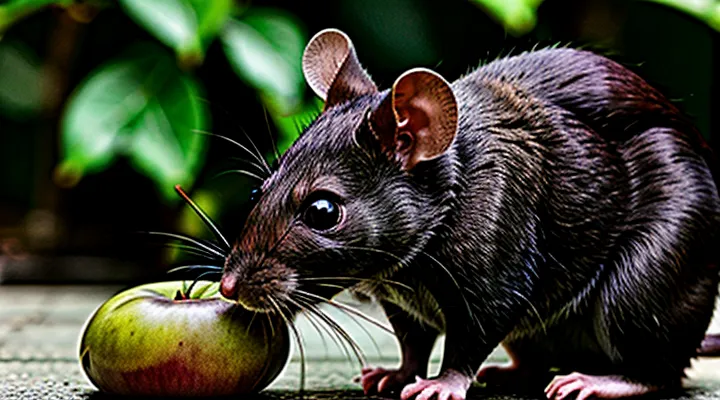
Plum Nutrition for Rats
Vitamins and Minerals
Plums contain a range of micronutrients that can affect rodent health when incorporated into a diet. The fruit supplies vitamin A (β‑carotene), vitamin C, vitamin K, and small amounts of B‑complex vitamins. Mineral content includes potassium, iron, calcium, magnesium, and phosphorus. These compounds influence vision, immune function, blood coagulation, and electrolyte balance.
When offering plums to rats, consider the following points:
- Vitamin A – supports retinal health; excess may cause hypervitaminosis, leading to skeletal abnormalities.
- Vitamin C – antioxidants aid tissue repair; rats synthesize this vitamin endogenously, so dietary supplementation is not required.
- Vitamin K – essential for clotting; moderate amounts are safe, but high concentrations can interfere with anticoagulant medications.
- Potassium – regulates nerve impulses and muscle activity; excessive intake may disrupt cardiac rhythm.
- Iron – necessary for oxygen transport; overconsumption can result in oxidative stress.
Recommended practice: introduce plum pieces in small quantities (no more than 5 % of total daily intake) and monitor for signs of gastrointestinal upset. Remove seeds, which contain amygdalin, a compound that can release cyanide upon metabolism. Fresh, ripe flesh is preferable to dried or processed forms, which may have added sugars or preservatives that alter nutrient profiles.
Overall, plums can contribute beneficial vitamins and minerals to a rat’s diet when fed sparingly, seed‑free, and as part of a balanced nutritional regimen.
Fiber Content
Plums contain approximately 2 g of dietary fiber per 100 g of fresh fruit, predominantly soluble pectin and a smaller proportion of insoluble cellulose. The fiber profile includes modest amounts of lignin and hemicellulose, contributing to moderate water‑binding capacity.
Laboratory rats require 4–6 g of total fiber per kilogram of diet to maintain normal gastrointestinal motility and microbiota balance. Excessive fiber can reduce nutrient digestibility, while insufficient fiber may lead to cecal enlargement and altered stool consistency.
- Plum fiber (2 g/100 g) supplies roughly 0.5 g of fiber per 25 g serving, representing 8–12 % of the recommended fiber contribution for a standard 250 g rat diet.
- Soluble pectin in plums ferments rapidly, producing short‑chain fatty acids that can benefit colon health but may also cause mild gas production if introduced abruptly.
- Insoluble cellulose adds bulk without significant fermentation, supporting fecal formation.
To incorporate plums safely:
- Offer no more than 10 % of the total daily ration by weight, ensuring the overall fiber level remains within the 4–6 g/kg target.
- Introduce plums gradually over several days, monitoring stool consistency and body weight.
- Remove pits and skin fragments to prevent choking hazards and reduce tannin intake, which can interfere with protein absorption.
When these guidelines are followed, the fiber supplied by plums complements the rat’s diet without compromising digestive efficiency.
Sugar Content
Plums contain natural sugars primarily in the form of fructose, glucose, and sucrose. A typical fresh plum (about 66 g) provides roughly 7 g of total sugars, representing approximately 10 % of its weight. Dried plums (prunes) concentrate these sugars; a 40 g serving can contain up to 15 g of sugar, nearly 38 % of the product’s mass.
Rats metabolize simple sugars efficiently, but excessive intake can disrupt glucose regulation and promote weight gain. Laboratory studies indicate that diets exceeding 10 % simple sugars may elevate blood glucose levels in rodents, leading to insulin resistance over prolonged periods. Therefore, any plum-derived treat should remain a minor component of a rat’s diet, not exceeding 5 % of total caloric intake.
Practical guidelines for offering plum to rats:
- Offer fresh plum in small cubes, no larger than 0.5 cm³, once or twice weekly.
- Limit quantity to 1–2 g per 100 g of body weight per serving.
- Avoid dried plum or plum preserves, which have higher sugar concentrations.
- Monitor body condition and blood glucose if rats receive plum regularly.
The sugar content of plums dictates that they be treated as occasional supplements rather than staple foods for rats. Controlled portions prevent metabolic disturbances while allowing rats to experience the fruit’s texture and flavor.
Potential Risks of Feeding Plum to Rats
Choking Hazards
Plum Pit
Plum pits contain amygdalin, a cyanogenic glycoside that hydrolyzes to hydrogen cyanide when exposed to digestive enzymes. In rats, cyanide interferes with cellular respiration, leading to rapid onset of hypoxia and possible death at relatively low doses.
Toxicological data indicate that a single pit can deliver enough cyanide to exceed the lethal dose for a typical laboratory rat (approximately 2 mg kg⁻¹). The exact risk varies with pit size, ripeness, and the rat’s metabolic capacity, but the presence of even a small fragment poses a measurable danger.
Physical hazards accompany the chemical risk. The hard seed can become lodged in the oral cavity, cause esophageal injury, or create an intestinal obstruction. Rats lack the dentition required to crush the pit, increasing the likelihood of swallowing it whole.
Recommendations
- Remove all plum pits before offering plum flesh to rats.
- Inspect fruit for inadvertent seed fragments.
- If a pit is suspected to have been ingested, monitor the animal for signs of respiratory distress, lethargy, or abdominal pain and seek veterinary assistance promptly.
Eliminating plum pits eliminates both cyanide exposure and mechanical injury, ensuring that plum consumption remains safe for rats.
Plum Skin
Plum skin contains a mixture of fiber, antioxidants, and trace minerals that can affect a rat’s digestive system. The skin’s fiber promotes intestinal motility, while anthocyanins and flavonoids provide antioxidant activity. However, the skin also retains pesticide residues and natural compounds such as sorbitol, which may cause gastrointestinal upset if consumed in large quantities.
Key considerations for offering plum skin to rats:
- Nutritional value: Approximately 2 g of dietary fiber per 100 g of skin; modest amounts of vitamin C and potassium.
- Potential risks: Residual pesticides require thorough washing; excessive sorbitol can lead to diarrhea.
- Portion control: Limit to no more than 5 % of the daily diet weight; introduce gradually to monitor tolerance.
- Preparation: Wash, peel if pesticide levels are uncertain, and cut into small, bite‑size pieces.
When integrated responsibly, plum skin can serve as a supplemental source of fiber and antioxidants, provided that hygiene and moderation are maintained.
Cyanide Poisoning
Plum flesh contains negligible cyanogenic compounds, but the seeds harbor amygdalin, which releases hydrogen cyanide when metabolized. Rodents that ingest whole seeds are exposed to this toxin.
Cyanide binds cytochrome c oxidase in mitochondria, halting cellular respiration. The resulting hypoxia produces rapid neurological and cardiovascular collapse.
Typical indicators of cyanide exposure in rats include:
- Respiratory distress
- Tremors or seizures
- Bright red mucous membranes
- Loss of consciousness
- Death within minutes at high concentrations
Published toxicological data place the oral median lethal dose (LD₅₀) for cyanide in rats at approximately 5 mg kg⁻¹. A single plum seed can contain 0.5–1 mg of cyanide, meaning that ingestion of several seeds can approach lethal levels for an average laboratory rat (≈250 g).
Safe practice when offering plums to rats requires:
- Complete removal of all seeds before presentation.
- Limiting fruit flesh to a small portion of the daily diet (no more than 5 % of total caloric intake).
- Monitoring for any signs of distress after initial exposure.
Adherence to these measures prevents cyanide poisoning while allowing rats to benefit from the nutritional content of plum flesh.
Digestive Upset
Plums contain high levels of sorbitol and natural acids that can disturb a rat’s gastrointestinal balance. When introduced abruptly, the sugar alcohol may draw water into the intestinal lumen, leading to loose stools or diarrhea. The acidic component can irritate the mucosal lining, causing mild gastritis in sensitive individuals.
Typical signs of gastrointestinal disturbance include:
- Soft, watery feces occurring more than twice daily
- Reduced appetite or reluctance to eat familiar foods
- Abdominal cramping evident by hunched posture or vocalization
- Occasional vomiting in younger rodents
If symptoms appear, withdraw the fruit immediately and replace it with a bland diet such as boiled chicken or plain rice. Hydration should be maintained through fresh water or an electrolyte solution formulated for small mammals. Persistent diarrhea lasting more than 48 hours warrants veterinary assessment to rule out secondary infection or severe dehydration.
Preventive measures:
- Offer plums only as an occasional treat, not exceeding 1‑2 g per 100 g of body weight per week.
- Introduce the fruit in small, peeled pieces to reduce fiber and pesticide exposure.
- Observe the animal for at least 24 hours after the first feeding before increasing the amount.
Proper moderation and careful monitoring minimize the risk of digestive upset while allowing rats to enjoy the occasional fruit indulgence.
Allergic Reactions
Plums contain several compounds—sugars, organic acids, and phenolic substances—that can provoke immune responses in susceptible rodents. When a rat consumes plum, hypersensitivity may manifest as immediate (IgE‑mediated) or delayed (cell‑mediated) reactions.
Typical clinical signs of an acute allergic event include:
- Sudden swelling of the face, ears, or paws
- Itching, scratching, or excessive grooming
- Respiratory distress such as rapid breathing or wheezing
- Vomiting or diarrhea accompanied by blood
- Collapse or seizures in severe cases
Delayed responses often appear 12–48 hours after ingestion and may involve skin lesions, chronic inflammation of the gastrointestinal tract, or reduced activity. Laboratory confirmation can be achieved through serum IgE assays, skin prick testing with diluted plum extract, or histopathological examination of affected tissues.
Preventive measures involve pre‑exposure screening for known allergens, gradual introduction of low‑dose plum to monitor tolerance, and maintaining detailed health records for each animal. If an allergic reaction occurs, immediate removal of the fruit, administration of antihistamines or corticosteroids, and supportive care (fluid therapy, oxygen supplementation) are recommended.
Alternative fruits with lower allergenic potential—such as banana or apple—may be used when plum is desired for enrichment, provided they are introduced under the same monitoring protocol.
Safe Plum Preparation for Rats
Removing the Pit
Plums offer a source of vitamins and hydration for pet rats, but the stone must be excluded before offering the fruit. The pit contains cyanogenic compounds that can release hydrogen cyanide when chewed, posing a toxic risk even in small quantities. Additionally, the hard texture can cause dental injury or gastrointestinal blockage.
To prepare a plum safely:
- Cut the fruit lengthwise and extract the stone with a knife or spoon.
- Inspect the flesh for any remaining fragments of the pit and remove them.
- Rinse the flesh under cool water to eliminate surface pesticides, unless the plum is certified organic.
- Slice the flesh into bite‑size pieces appropriate for the rat’s mouth size.
After pit removal, provide only a modest portion—no more than one or two small cubes per day—to avoid excess sugar intake. Monitor the rat for signs of digestive upset, such as loose stools or reduced appetite, and discontinue feeding if adverse effects appear.
Washing the Fruit
Washing plums before offering them to rats removes surface contaminants that could cause gastrointestinal upset or introduce pathogens. Use fresh, cold water and gentle agitation; avoid harsh scrubbing that damages the skin and releases excess juices, which may attract mold.
Steps for proper preparation:
- Rinse each plum under running water for at least 15 seconds.
- Submerge the fruit in a bowl of water, swirl for 30 seconds, then lift and drain.
- Pat dry with a clean paper towel or let air‑dry on a sterile surface.
- Cut the plum into bite‑size pieces, discarding the pit and any bruised sections.
Clean fruit minimizes the risk of pesticide residue and bacterial load, ensuring that the treat is safe for rodent consumption.
Cutting into Small Pieces
Feeding plums to laboratory or pet rats requires precise preparation to avoid choking and digestive upset. The most reliable method is to cut the fruit into uniformly small pieces before offering it to the animal.
Small pieces reduce the risk of obstruction in the esophagus and stomach, facilitate chewing, and allow the rat’s digestive enzymes to act efficiently. The size should not exceed a quarter of an inch (approximately 6 mm) on any side.
Preparation steps:
- Wash the plum thoroughly under running water.
- Remove the pit and any remaining seed fragments.
- Trim the skin only if it appears bruised or waxed.
- Cut the flesh into cubes no larger than 6 mm.
- Store the pieces in a sealed container in the refrigerator for no more than 24 hours.
Portion control is essential; a single rat should receive no more than one gram of plum flesh per day, representing less than 5 % of its total caloric intake. Monitor the animal for signs of gastrointestinal distress after the first exposure and adjust the quantity accordingly.
Moderation is Key
Plums contain sugars, fiber, and vitamins that can supplement a rat’s diet, but the fruit also carries natural compounds that may be harmful in excess. Rats metabolize fructose differently from humans; high sugar intake can lead to gastrointestinal upset, weight gain, and altered blood glucose levels. The presence of cyanogenic glycosides in plum pits poses a toxic risk if fragments are ingested.
Potential adverse effects include:
- Diarrhea or soft stools after consuming more than a few bites.
- Elevated blood glucose, particularly in rats prone to metabolic disorders.
- Toxicity from pit fragments containing amygdalin, which releases cyanide upon digestion.
Guidelines for safe inclusion:
- Offer only the fleshy part of fresh, ripe plums; discard skins that show signs of mold.
- Limit portions to no more than 5‑7 mm of fruit per 100 g body weight, administered no more than twice weekly.
- Remove all pit material; even small shards can cause obstruction or poison release.
- Monitor the animal for changes in stool consistency, appetite, and activity after introduction.
Adhering to these limits provides nutritional variety without compromising health. Regular assessment of weight and behavior ensures that plum supplementation remains beneficial.
Alternatives to Plum for Rat Treats
Safe Fruits
Plums are not recommended for rats because the pit contains cyanogenic compounds and the flesh can be overly acidic, potentially irritating the digestive tract. When selecting fruit for a rodent diet, prioritize options that are low in sugar, free of seeds, and nutritionally balanced.
Safe fruit choices include:
- Apples, skin removed, seeds discarded
- Blueberries, fresh or frozen without added sugar
- Strawberries, hulled and sliced
- Raspberries, offered in small portions
- Pears, core and seeds removed, skin optional
- Bananas, limited to thin slices due to high carbohydrate content
Guidelines for fruit feeding:
- Offer fruit as a treat, not a staple; limit to 5 % of total daily intake.
- Wash thoroughly to eliminate pesticide residues.
- Cut into bite‑size pieces to prevent choking.
- Introduce new fruits gradually, observing for signs of diarrhea or lethargy.
- Store fresh fruit in the refrigerator and discard leftovers after 24 hours.
By adhering to these practices, owners can provide rats with occasional fruit enrichment while avoiding the risks associated with plum consumption.
Safe Vegetables
Rats can tolerate a variety of vegetables, but each option must meet nutritional and safety criteria. Leafy greens such as romaine lettuce, kale, and spinach provide essential vitamins and fiber without introducing toxic compounds. Root vegetables like carrots, sweet potatoes, and beets supply beta‑carotene and minerals; they should be offered in small, cooked pieces to prevent choking. Cruciferous choices—including broccoli, cauliflower, and Brussels sprouts—are rich in antioxidants; serving them raw or lightly steamed preserves nutrients while reducing bitterness.
When evaluating fruit options, plums contain pits that pose a choking hazard and may release cyanogenic glycosides if broken. Consequently, plums are unsuitable for regular rat diets, even though the flesh alone is not inherently poisonous.
To maintain a balanced regimen, limit vegetable portions to no more than 10 % of total daily intake, rotating selections to avoid nutritional excesses. Always wash produce thoroughly, discard any moldy or wilted sections, and monitor rats for digestive changes after introducing new foods.
Commercial Rat Treats
Commercial rat treats are formulated to meet the dietary requirements of pet rats while providing palatable variety. Manufacturers select ingredients that are safe, digestible, and nutritionally balanced. Fruit components, such as plum, appear in some products, but their inclusion follows strict limits because raw plum pits contain cyanogenic glycosides that can be toxic. Consequently, reputable brands either remove pits entirely or use fruit purees that have been processed to eliminate harmful compounds.
Key considerations for evaluating commercial rat treats that contain plum:
- Ingredient safety – Fruit must be free of seeds, pits, or stems; processing removes residual toxins.
- Nutrient profile – Treats should supply less than 10 % of daily caloric intake, with balanced protein, fiber, and fat.
- Shelf stability – Dehydrated or freeze‑dried fruit reduces moisture, preventing mold growth.
- Regulatory compliance – Products sold in the United States adhere to FDA guidelines for pet food; European brands follow EFSA standards.
Examples of commercially available treats that incorporate plum safely:
- Rodent Delight Fruit Mix – Freeze‑dried plum puree, carrot, and apple; no seeds; 5 % of daily calories per 5 g serving.
- Critter Crunch Natural Bites – Dehydrated plum chunks blended with soy protein; certified pit‑free; low‑sugar formulation.
- HealthyHabits Rat Snacks – Plum‑infused gelatin cubes; pasteurized to remove toxins; includes vitamin C supplement.
When selecting treats, verify that the label specifies “pit‑free” or “seed‑less” plum and that the product lists a guaranteed analysis. Offering a limited amount—typically one to two pieces per day—maintains nutritional balance and prevents gastrointestinal upset. Homemade alternatives should replicate the same safety standards by discarding pits, cooking the fruit briefly, and mixing with a protein base before drying.