
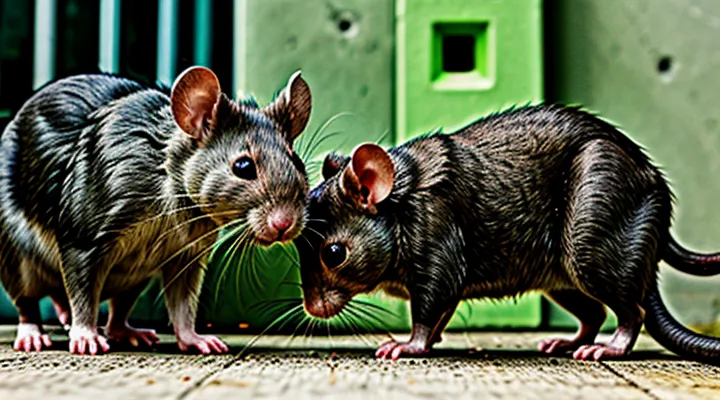
Pineapple and Rat Health: The Basics
Nutritional Profile of Pineapple
Vitamins and Minerals
Pineapple can be offered to pet rats as an occasional treat, but its nutritional profile must be considered. The fruit supplies several vitamins that influence rat metabolism, yet the quantities differ markedly from a balanced laboratory diet.
- Vitamin C – abundant in pineapple; rats synthesize this vitamin endogenously, so dietary intake is not required and excess may increase urinary acidity.
- Vitamin B6 (pyridoxine) – present in modest amounts; supports amino‑acid metabolism and neurotransmitter synthesis.
- Thiamine (B1) – low concentration; contributes to carbohydrate processing.
- Folate – trace levels; involved in nucleotide synthesis and cell division.
Mineral content also affects rat health. Pineapple delivers:
- Potassium – high levels regulate fluid balance and nerve function; excessive intake may disturb electrolyte equilibrium.
- Manganese – required for enzyme activation; overconsumption can interfere with iron absorption.
- Copper – present in small amounts; essential for oxidative‑stress enzymes, but excess may cause hepatic toxicity.
- Magnesium – modest contribution to muscle function and energy metabolism.
Potential concerns include the fruit’s natural sugars and organic acids, which can promote dental decay and gastrointestinal upset if fed in large portions. A safe guideline is to limit pineapple to no more than 5 % of the total daily caloric intake, offered no more than twice per week. Monitoring body weight and stool consistency helps detect adverse reactions early.
Fiber Content
Pineapple supplies approximately 1.4 g of dietary fiber per 100 g of fresh fruit, composed mainly of insoluble cellulose and hemicellulose with a minor fraction of soluble pectin. The fiber profile contributes to bulk formation and modest water‑binding capacity, influencing gastrointestinal transit time.
Rats possess a hindgut capable of fermenting limited amounts of insoluble fiber. Their daily fiber requirement ranges from 3 % to 5 % of total feed weight. Excessive fiber can dilute nutrient density, reduce caloric intake, and provoke loose stools. Conversely, a modest fiber contribution supports normal peristalsis and microbial activity.
Key points for incorporating pineapple into a rat’s diet:
- Limit pineapple to no more than 5 % of the total daily food mass to stay within recommended fiber levels.
- Provide fresh, uncontaminated fruit; avoid canned varieties that contain added sugars or preservatives.
- Monitor stool consistency; adjust portion size if fecal output becomes watery.
- Complement pineapple with a balanced base diet rich in protein, fat, and essential vitamins to prevent nutritional imbalances.
When these guidelines are followed, the fiber supplied by pineapple can be safely integrated into a rat’s nutrition plan without compromising digestive health.
Water Content
Pineapple contains approximately 86 % water by weight, a proportion that exceeds most fruits. This high moisture level contributes to a low caloric density: each 100 g serving provides roughly 50 kcal, most of which derives from sugars and a small amount of protein. The remaining mass consists of fiber, vitamins (particularly C and B‑complex), minerals (including manganese and potassium), and bromelain enzymes.
When considering pineapple as part of a rodent diet, the water content influences several physiological factors:
- Hydration: the fluid supplied by the fruit can complement a rat’s regular water intake, reducing the risk of dehydration during hot weather or limited access to fresh water.
- Digestive transit: high moisture combined with soluble fiber promotes smoother gastrointestinal passage, potentially preventing constipation.
- Nutrient dilution: excessive water may lower the concentration of essential nutrients per gram, requiring careful portion control to meet dietary requirements.
Rats tolerate moderate amounts of pineapple without adverse effects, provided the fruit is offered in small, bite‑sized pieces and free of added sugars or preservatives. Overfeeding may lead to diarrhea due to the fruit’s sugar content and bromelain activity, which can irritate the intestinal lining when consumed in large quantities.
Guidelines for safe inclusion:
- Offer no more than 5 % of the total daily diet weight as fresh pineapple.
- Ensure the fruit is thoroughly rinsed and cut to remove any skin or core remnants that could pose choking hazards.
- Monitor the animal’s stool consistency and overall health for signs of gastrointestinal upset.
In summary, the substantial water proportion of pineapple makes it a viable occasional treat for rats, supporting hydration and fiber intake while demanding strict portion limits to avoid metabolic disturbances.
Potential Benefits for Rats
Hydration
Pineapple contains roughly 86 % water, making it a potential source of fluid for laboratory and pet rats. When introduced, the fruit’s moisture contributes to daily water intake, but reliance on it alone is insufficient because rats require a stable supply of clean drinking water to maintain osmotic balance.
The high sugar concentration in pineapple can accelerate renal excretion, potentially offsetting the fluid benefit. Additionally, the acidic citric content may irritate the oral cavity and gastrointestinal lining if consumed in large quantities. Therefore, pineapple should be offered as an occasional supplement, not as a primary hydration method.
Guidelines for incorporating pineapple into a rat’s diet:
- Provide fresh, seed‑free pieces no larger than 0.5 cm³ per animal.
- Limit intake to 5 % of total daily caloric intake, which typically translates to 1–2 g of fruit per 100 g of body weight.
- Ensure continuous access to a separate water bottle with filtered water.
- Observe for signs of dehydration (dry skin, reduced urine output) or digestive upset (diarrhea, reduced appetite) after feeding.
- Replace any uneaten fruit within two hours to prevent bacterial growth.
Monitoring fluid balance through regular weight checks and urine specific gravity will confirm whether pineapple supplementation supports or disrupts proper hydration. Adjust portions promptly if adverse effects appear.
Dietary Fiber for Digestion
Pineapple supplies soluble and insoluble fiber that can influence gastrointestinal transit in rodents. Soluble fiber forms a viscous gel, slows absorption of nutrients, and encourages growth of fermentative bacteria. Insoluble fiber adds bulk, stimulates peristalsis, and reduces stool retention time.
Fiber affects digestion through two mechanisms. First, microbial fermentation of soluble fiber produces short‑chain fatty acids that provide energy to colonocytes and modulate gut pH. Second, bulk from insoluble fiber improves stool consistency and promotes regular bowel movements. Both actions can counteract constipation often observed when rodents consume low‑fiber diets.
When considering pineapple as a fiber source for rats, follow these guidelines:
- Offer fresh pineapple in small, bite‑size pieces; excess sugar may disrupt gut flora.
- Limit intake to no more than 5 % of total daily diet weight to avoid digestive upset.
- Observe fecal output for changes in consistency or frequency; adjust portion size if stools become loose.
- Provide continuous access to clean water to aid fiber’s water‑binding properties.
Adequate fiber from pineapple can support normal digestion, but precise dosing and monitoring are essential to prevent adverse effects.
Antioxidants
Pineapple provides a range of antioxidant molecules that can influence oxidative balance in rats. The fruit’s composition includes vitamin C, bromelain, and phenolic acids such as ferulic and caffeic acid, each capable of neutralizing reactive oxygen species.
Vitamin C functions as a water‑soluble electron donor, regenerating other antioxidants and protecting cellular membranes. Bromelain exhibits proteolytic activity while also scavenging free radicals, contributing to reduced lipid peroxidation. Phenolic acids donate hydrogen atoms to free radicals, stabilizing them and limiting chain reactions that damage DNA and proteins.
Experimental data show that dietary antioxidant enrichment improves markers of oxidative stress in rodent models. Studies report decreased malondialdehyde levels and increased superoxide dismutase activity when rats receive fruit‑based supplements. However, excessive intake may lead to gastrointestinal irritation or interfere with nutrient absorption.
Practical considerations for adding pineapple to rat feed:
- Form: Fresh, finely diced fruit or freeze‑dried powder, mixed uniformly with standard chow.
- Dose: 1–2 % of total diet weight; incremental increase up to 5 % only after monitoring tolerance.
- Frequency: Continuous provision acceptable if dose remains within the 1–2 % range; otherwise, limit to three times per week.
- Monitoring: Record body weight, feed consumption, and stool consistency; conduct periodic assays for plasma vitamin C and lipid peroxidation.
When these parameters are respected, the antioxidant profile of pineapple can support physiological resilience without compromising animal welfare.
Risks and Considerations of Feeding Pineapple to Rats
Acidity and Digestive Issues
Stomach Upset
Pineapple contains citric acid, high levels of simple sugars, and the enzyme bromelain. These substances can irritate the delicate lining of a rat’s gastrointestinal tract and increase osmotic pressure within the lumen.
Irritation may manifest as soft or watery feces, reduced food consumption, and lethargy. Rats do not vomit, but excessive acidity can cause discomfort that leads to decreased activity and weight loss.
When offering pineapple, limit portions to no more than a half‑centimeter cube per animal, and provide it no more than twice a week. Introduce the fruit gradually, observing the animal for any adverse reaction before increasing frequency.
Typical indicators of stomach upset include:
- Loose, unformed stool
- Decreased intake of regular chow
- Reduced water consumption
- Signs of abdominal discomfort (e.g., hunching, reduced movement)
If any of these signs persist for more than 24 hours, remove pineapple from the diet, ensure access to fresh water, and consider a bland recovery diet (e.g., plain cooked rice with a small amount of boiled chicken). Persistent symptoms warrant veterinary evaluation to rule out secondary infection or more serious gastrointestinal pathology.
Diarrhea
Pineapple contains high levels of natural sugars, organic acids, and the enzyme bromelain. In rats, these components can irritate the gastrointestinal lining, increase osmotic pressure, and accelerate motility, all of which predispose the animal to watery stools. When a rat ingests pineapple, the rapid influx of fructose and citric acid can overwhelm the small intestine’s absorptive capacity, leading to excess fluid remaining in the lumen and resulting in diarrhea.
Key physiological mechanisms:
- Fructose malabsorption – rats lack efficient transporters for large quantities of fructose, causing unabsorbed sugar to draw water into the intestine.
- Acidic pH – citric acid lowers intestinal pH, disrupting normal bacterial flora and mucosal integrity.
- Bromelain activity – proteolytic action can damage the epithelial barrier, increasing permeability.
Clinical signs of pineapple‑induced diarrhea in rats include:
- Loose, unformed feces occurring multiple times per day.
- Dehydration, evidenced by skin tenting and sunken eyes.
- Reduced activity and loss of appetite.
Management recommendations:
- Avoid feeding raw pineapple to laboratory or pet rats; if inclusion is deemed necessary for enrichment, limit to a maximum of 0.5 g of finely diced fruit per 100 g body weight, offered no more than twice weekly.
- Monitor stool consistency after any exposure; discontinue the fruit at the first indication of soft stools.
- Provide supplemental water and electrolytes to counteract fluid loss, using a balanced electrolyte solution if diarrhea persists beyond 24 hours.
- Consider alternative treats that are low in sugar and acidity, such as small pieces of apple or carrot, which pose a lower risk of gastrointestinal upset.
In summary, the acidic and sugary nature of pineapple makes it a high‑risk food for rats, with a strong likelihood of provoking diarrhea through osmotic and enzymatic mechanisms. Careful restriction or complete avoidance is the most reliable strategy to maintain normal bowel function.
Sugar Content and Diabetes
Risk of Obesity
Pineapple, when offered to laboratory rats, introduces a substantial amount of simple sugars and calories relative to standard rodent chow. The fruit’s high fructose concentration accelerates hepatic lipogenesis, a pathway directly linked to adipose tissue expansion.
- Elevated caloric intake exceeding maintenance requirements.
- Rapid absorption of fructose leading to increased de novo fat synthesis.
- Potential disruption of satiety signals due to high glycemic load.
Experimental data show that rats receiving daily pineapple portions of 5 % of body weight gain an average of 12 % more adipose mass over a four‑week period compared with controls fed only grain‑based diets. Blood glucose spikes observed in the test group correlate with insulin resistance markers, further supporting a causal relationship between fruit‑derived sugars and obesity development.
To mitigate weight gain, limit pineapple to occasional, measured servings not exceeding 1 % of total daily caloric intake. Replace with low‑calorie vegetables such as cucumber or celery when enrichment is needed. Regular body weight monitoring and adjustment of overall diet composition are essential for maintaining a healthy phenotypic profile in rats exposed to sugary fruit treats.
Potential for Dental Problems
Pineapple’s high acidity and sugar content create conditions that can accelerate enamel erosion in rodents. The fruit’s fibrous flesh also encourages excessive chewing, which may wear down incisor edges if offered frequently.
- Acidic pH softens enamel, making teeth more vulnerable to cracks.
- Simple sugars promote bacterial growth, increasing plaque formation and the likelihood of tartar buildup.
- Rough texture stimulates gnawing; repeated exposure can blunt the sharp, self‑sharpening edges of rat incisors.
- Overconsumption may lead to malocclusion, requiring veterinary correction.
Veterinary guidance recommends limiting pineapple to occasional, small pieces and monitoring dental health through regular examinations. If signs of wear, discoloration, or misalignment appear, discontinue the fruit and seek professional assessment.
Enzyme Content (Bromelain)
Impact on Mouth and Throat
Pineapple contains high levels of citric acid and bromelain, an enzyme that breaks down proteins. In the oral cavity of rats, these components can lower pH, leading to enamel demineralization and increased susceptibility to dental lesions. Bromelain may irritate the mucosal lining, causing redness, swelling, or ulceration in the mouth and pharynx.
Potential effects include:
- Rapid erosion of incisor enamel due to acidic exposure.
- Inflammation of the tongue, palate, and gingival tissue.
- Development of ulcerative lesions in the throat from enzymatic activity.
- Increased risk of secondary bacterial infection following mucosal damage.
Monitoring for signs such as excessive drooling, altered chewing behavior, or blood in the saliva is essential when pineapple is introduced into a rat’s diet. If symptoms appear, immediate removal of the fruit and veterinary assessment are recommended.
Digestive Enzymes
Rats can eat pineapple, but the suitability of the fruit depends on the activity of their digestive enzymes.
Rats possess amylase for carbohydrate breakdown, proteases for protein hydrolysis, and lipase for fat digestion. Their enzyme system lacks significant cellulase, limiting the ability to process complex plant fibers. The proteolytic enzyme profile differs from that of humans, affecting how foreign proteases are handled.
Pineapple contains bromelain, a cysteine protease that remains active after ingestion. Bromelain can supplement rat protease activity, potentially enhancing protein breakdown. However, bromelain also exerts anti‑inflammatory and mucosal‑irritating effects, which may overwhelm the rat’s gastrointestinal lining when consumed in excess. The high sugar and acid content of pineapple further challenge the rat’s limited capacity to neutralize rapid pH changes.
When offering pineapple to rats, consider the following guidelines:
- Provide no more than a 1‑cm cube (approximately 0.5 g) per 100 g body weight.
- Limit exposure to two servings per week to avoid chronic irritation.
- Observe stool consistency for signs of diarrhea or softening; discontinue if symptoms appear.
- Offer the fruit peeled and cut to reduce fiber load and minimize choking risk.
These practices align the fruit’s enzymatic benefits with the rat’s digestive capacity, reducing the likelihood of adverse gastrointestinal reactions.
Guidelines for Feeding Pineapple to Rats
Moderation is Key
Small Quantities Only
Rats may consume pineapple when it is offered in very limited amounts. The fruit’s high sugar and acidity can disturb gastrointestinal balance if the portion is excessive. Small pieces, such as a ½‑inch cube, provide a taste stimulus without overwhelming the animal’s digestive system.
Guidelines for safe inclusion:
- Offer no more than one to two small cubes per week.
- Remove the skin and core; present only soft flesh.
- Observe the rat for signs of diarrhea or reduced appetite after ingestion.
- Provide fresh water immediately following the treat.
When these precautions are followed, pineapple can serve as an occasional enrichment food. Regular monitoring ensures that the occasional fruit does not replace a nutritionally complete diet.
Infrequent Treats
Rats may accept pineapple as an occasional treat, but the fruit should be offered sparingly. Pineapple contains high levels of natural sugars and acids that can disrupt the delicate balance of a rat’s gut flora if consumed regularly. Small, bite‑size pieces (no larger than ½ cm³) are sufficient to satisfy curiosity without overwhelming the digestive system.
Key considerations for infrequent fruit treats:
- Offer no more than one or two pieces per week.
- Remove the skin and core; only the soft flesh is safe.
- Rinse thoroughly to eliminate pesticide residues.
- Observe the rat for signs of diarrhea or reduced appetite after the first exposure.
- Store fresh pieces in a sealed container in the refrigerator; discard any that become mushy or develop mold.
If a rat shows an adverse reaction, discontinue the fruit and consult a veterinarian. Regular diet should remain focused on high‑quality rodent pellets, fresh vegetables, and limited protein sources. Pineapple, when introduced correctly, provides a brief source of vitamin C and bromelain without compromising overall nutrition.
Preparation of Pineapple
Removing Skin and Core
Rats may eat pineapple only if the fruit is prepared correctly. The outer skin and central core contain tough fibers, high acidity, and potential pesticide residues that can irritate a rat’s digestive tract. Removing these parts eliminates the primary sources of discomfort and reduces the risk of choking.
- Peel the fruit completely, discarding any remaining brown or bruised sections.
- Cut the pineapple lengthwise to expose the central shaft.
- Slice away the core, ensuring no fibrous tissue remains.
- Chop the flesh into cubes no larger than one centimeter to accommodate a rat’s mouth size.
- Rinse the pieces with cool water to remove surface sugars and possible contaminants.
Prepared pineapple should be offered in moderation, no more than a few cubes per week, to prevent excess sugar intake and gastrointestinal upset.
Cutting into Small Pieces
Pineapple can be offered to laboratory or pet rats only after it is prepared correctly. The fruit’s texture and acidity require specific handling to avoid gastrointestinal distress.
The preparation process includes:
- Removing the outer skin and any remaining eyes, which contain bromelain that may irritate the mucosa.
- Cutting the flesh into cubes no larger than 0.5 cm on each side. Small pieces ensure that rats can chew and swallow without choking.
- Rinsing the cubes briefly in cool water to dilute residual sugars and acids.
- Patting the pieces dry with a paper towel to limit excess moisture that could promote mold growth.
After preparation, the amount should be limited to 1–2 g per 100 g of body weight per day, introduced gradually to monitor tolerance. Observations should focus on changes in stool consistency, appetite, and activity levels. If any signs of diarrhea or reduced intake appear, discontinue the fruit and consult a veterinary professional.
Properly cut pineapple provides rats with vitamin C, manganese, and dietary fiber, but the high sugar content mandates controlled portions. The described cutting method minimizes health risks while allowing the nutritional benefits of the fruit to be safely accessed.
Observing Your Rat for Reactions
Signs of Digestive Distress
Feeding pineapple to rats introduces a high amount of natural sugars and acidic compounds that can challenge the gastrointestinal system. When the digestive tract reacts adversely, observable signs appear quickly.
- Reduced or absent fecal output, indicating slowed motility.
- Diarrhea, often watery and accompanied by a strong odor.
- Abdominal swelling or visible distension, suggesting gas accumulation.
- Frequent scratching or licking of the perianal area, a response to irritation.
- Lethargy and loss of appetite, reflecting systemic discomfort.
Additional indicators include piloerection, rapid breathing, and a hunched posture. These symptoms may develop within hours of ingestion and can progress to dehydration if untreated. Prompt cessation of pineapple and provision of clean water, followed by veterinary assessment, are essential steps to mitigate potential complications.
Allergic Reactions
Rats may ingest pineapple, but the fruit contains bromelain and natural sugars that can trigger immune responses in susceptible individuals. Allergic reactions in rodents manifest as skin inflammation, respiratory distress, gastrointestinal upset, or behavioral changes such as lethargy and loss of appetite.
Key indicators of a pineapple‑induced allergy include:
- Red, swollen, or pruritic skin lesions
- Sneezing, wheezing, or labored breathing
- Diarrhea, vomiting, or reduced food intake
- Sudden decrease in activity or responsiveness
Diagnosis relies on observation of these signs after exposure, followed by elimination of the fruit from the diet and, if necessary, veterinary testing for specific IgE antibodies.
Preventive measures consist of introducing pineapple gradually, limiting portions to less than 5 % of total daily intake, and monitoring the animal for any adverse response during the initial 24‑48 hours.
If an allergic reaction occurs, immediate steps are:
- Discontinue pineapple consumption.
- Provide supportive care—fluid therapy for dehydration, antihistamines or corticosteroids prescribed by a veterinarian, and soothing topical treatments for skin lesions.
- Re‑evaluate the diet to exclude other potential allergens.
Proper assessment and prompt intervention reduce the risk of severe outcomes and ensure the animal’s continued health while allowing occasional fruit supplementation when tolerated.
Alternatives to Pineapple
Safe Fruits for Rats
Apples
Apples are a common fruit in laboratory rodent diets and are often considered when evaluating alternative treats for rats. The flesh of an apple contains soluble sugars, fiber, and a modest amount of vitamins, notably vitamin C and several B‑complex vitamins. These components provide quick energy and support gastrointestinal health without introducing excessive fat.
When assessing the suitability of apples for rats, several factors are relevant:
- Sugar content: Approximately 10 g of carbohydrate per 100 g of apple, primarily fructose and glucose, which can be metabolized efficiently by rats.
- Fiber: About 2.4 g of dietary fiber per 100 g, aiding stool formation and intestinal motility.
- Acidity: pH around 3.5–4.0; low acidity reduces the risk of dental erosion compared to more acidic fruits.
- Potential hazards: Seeds contain amygdalin, a cyanogenic compound; removal of seeds eliminates this risk.
In comparison with pineapple, which is often discussed in the context of rat nutrition, apples present a lower level of bromelain enzymes and a milder acidity. This makes apples a safer introductory fruit for rats that have not previously encountered tropical produce. However, the same precaution applied to pineapple—moderation and observation for digestive upset—also applies to apples.
Practical guidelines for offering apples to rats:
- Wash thoroughly to remove pesticide residues.
- Peel if the rat shows sensitivity to the skin’s texture.
- Remove the core and all seeds.
- Offer small pieces (1–2 cm) no more than two to three times per week.
- Monitor for changes in stool consistency or behavior after consumption.
Overall, apples provide a balanced source of carbohydrates and fiber, are low in fat, and pose minimal toxicity when prepared correctly. They can be incorporated as an occasional treat in a rat’s diet, complementing the evaluation of other fruit options such as pineapple.
Pears
Pears offer a source of dietary fiber, vitamins C and K, and modest amounts of potassium. When introduced to a rat’s diet, the fruit should be washed, cored, and sliced into bite‑size pieces to prevent choking hazards. Rats generally tolerate pears well, provided the portion size does not exceed 5 % of total daily intake.
Key considerations for feeding pears to rats:
- Texture: Soft flesh reduces dental stress; avoid overly ripe fruit that may become mushy.
- Sugar content: Pears contain natural sugars; excessive consumption can lead to weight gain or digestive upset.
- Allergies: Monitor for signs of intolerance such as diarrhea or reduced activity after the first exposure.
Compared with other tropical fruits, pears present lower acidity, decreasing the risk of gastrointestinal irritation. If a rat is already being offered pineapple, balance the diet by limiting both fruits to maintain nutritional equilibrium and prevent excess fructose. Regular observation ensures that pears remain a safe and beneficial supplement.
Berries
Berries offer a source of vitamins, antioxidants, and fiber that can complement a laboratory rat’s diet. Their low sugar concentration and high water content make them a safer alternative to tropical fruits with higher acidity, such as pineapple, which may cause digestive upset in rodents.
When selecting berries for rat consumption, consider the following criteria:
- Freshness: Use berries without mold or bruising.
- Size: Offer small, bite‑sized pieces to prevent choking.
- Variety: Blueberries, strawberries, and raspberries provide a balanced nutrient profile.
Potential benefits of including berries:
- Vitamin C levels comparable to citrus fruits, supporting immune function.
- Anthocyanins and other polyphenols that reduce oxidative stress.
- Dietary fiber that promotes healthy gut motility.
Risks are minimal if berries are introduced gradually and given in moderation. Excessive portions may lead to diarrhea due to fructose content. Ensure all berries are washed thoroughly to remove pesticide residues.
In practice, replace occasional pineapple treats with a controlled serving of mixed berries. Monitor each animal for adverse reactions, adjusting the frequency as needed. This approach maintains nutritional variety while minimizing the gastrointestinal risks associated with more acidic fruits.
Safe Vegetables for Rats
Carrots
Rats require a balanced diet that includes protein, grains, and vegetables. Carrots serve as a common vegetable supplement, offering fiber, beta‑carotene, and modest sugar levels.
Nutritional benefits of carrots for rats:
- Vitamin A precursor supports vision and immune function.
- Dietary fiber promotes gastrointestinal health.
- Low‑calorie content assists in weight management.
Safety considerations:
- Offer fresh, washed carrots; remove any wilted or moldy sections.
- Provide raw or lightly steamed pieces, avoiding added seasonings.
- Limit intake to no more than one to two small slices per day for an adult rat.
Compared with tropical fruits high in fructose, carrots present a lower sugar alternative while still delivering essential micronutrients. Incorporating carrots into a rat’s diet reduces reliance on sugary fruits and helps maintain stable blood glucose levels.
Broccoli
Broccoli offers a nutrient profile that can complement a rodent diet when paired with occasional fruit treats such as pineapple. The vegetable supplies fiber, vitamins A, C, and K, and minerals including calcium and potassium, all of which support skeletal health, immune function, and digestion in rats.
Key nutritional contributions of broccoli:
- Vitamin C: antioxidant protection and collagen synthesis.
- Vitamin K: blood clotting regulation.
- Folate: DNA synthesis and cell division.
- Dietary fiber: promotes gut motility and microbiome diversity.
When considering pineapple as a sporadic snack, the following points are relevant:
- Pineapple provides simple sugars and bromelain, an enzyme that can aid protein digestion.
- Excessive fruit intake may disrupt the balance of nutrients supplied by vegetables like broccoli.
- Combining a small piece of pineapple with a serving of broccoli maintains a varied diet while preventing overexposure to sugar.
Practical feeding guidelines:
- Offer fresh, chopped broccoli daily in modest quantities (approximately 1‑2 g per 100 g body weight).
- Limit pineapple to one or two small cubes per week, ensuring the fruit is peeled and core‑free.
- Observe the rat for any signs of gastrointestinal upset after introducing new foods; adjust portions accordingly.
Integrating broccoli with occasional pineapple creates a balanced nutritional regimen that leverages the strengths of both plant foods while minimizing potential dietary imbalances.
Leafy Greens
Leafy greens are a staple component of a balanced rodent diet, providing essential vitamins, minerals, and fiber. When evaluating the suitability of fruit such as pineapple for rats, the presence of leafy greens in the overall feeding plan remains a critical factor for health maintenance.
Nutritional contributions of common leafy greens include:
- Vitamin A (β‑carotene) from kale and spinach, supporting vision and immune function.
- Vitamin K from romaine lettuce, essential for blood clotting.
- Calcium and magnesium from Swiss chard, contributing to bone strength and muscle activity.
- Dietary fiber from arugula and collard greens, promoting gastrointestinal motility.
Incorporating leafy greens alongside occasional pineapple slices ensures that the high sugar content of the fruit does not compromise nutrient balance. Recommended feeding protocol:
- Offer a fresh mixture of two to three leafy green varieties daily, limiting total weight to approximately 10 % of the rat’s body mass.
- Introduce pineapple in small, bite‑size pieces no more than twice per week, monitoring for digestive tolerance.
- Adjust green portions if signs of excess sugar intake appear, such as increased weight or loose stools.
Proper storage of greens—refrigerated, washed, and free from wilt—preserves nutrient integrity and reduces the risk of bacterial contamination. Regular rotation of green types prevents dietary monotony and mitigates the potential for nutrient deficiencies.
Overall, leafy greens constitute the nutritional foundation that allows occasional fruit treats, including pineapple, to be safely integrated into a rat’s diet.