
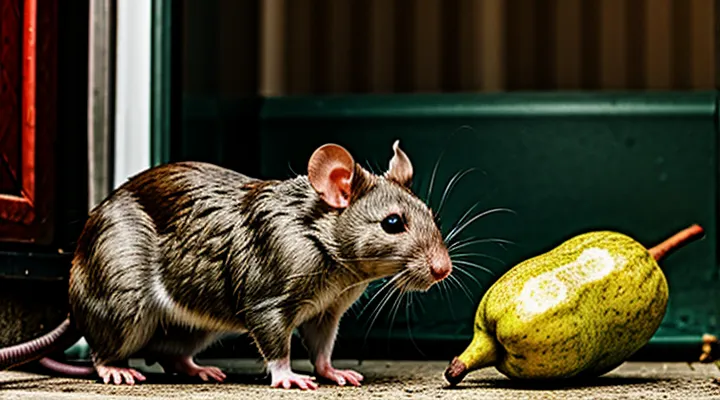
Understanding Rat Diet
What is a Rat's Natural Diet?
Rats are omnivorous mammals that survive on a varied assortment of foods found in natural habitats. Their diet consists primarily of seeds, nuts, grains, and plant matter, supplemented by insects, small vertebrates, and occasional carrion. This combination provides the protein, fat, fiber, and micronutrients required for growth, reproduction, and immune function.
Typical wild rat foods include:
- Cereals such as wheat, barley, and rice
- Legumes and pulses (e.g., peas, beans)
- Nuts and seeds (sunflower, pumpkin)
- Fresh fruits (berries, apples, grapes)
- Vegetables (leafy greens, carrots, cabbage)
- Invertebrates (beetles, larvae, worms)
Pears belong to the fruit category that rats encounter in the wild. The flesh is soft, high in water, and contains natural sugars, vitamins, and dietary fiber. Pear skin holds additional fiber and trace minerals but may also retain pesticide residues if not washed thoroughly.
When offering pears to pet rats, follow these guidelines:
- Wash the fruit to eliminate chemicals.
- Remove the core and seeds; seeds contain trace amounts of cyanogenic glycosides.
- Cut the flesh into bite‑size pieces to prevent choking.
- Limit portions to no more than 5 % of the total daily intake, ensuring that staple foods remain the primary source of nutrition.
Providing pears occasionally enriches the diet without compromising health, provided the fruit is prepared safely and offered in moderation.
Essential Nutrients for Rats
Rats require a balanced diet that supplies protein, fats, carbohydrates, vitamins, minerals and adequate hydration. Protein supports tissue growth and enzymatic functions; sources include commercial rodent pellets, cooked eggs, and lean meat. Fats provide energy and aid in the absorption of fat‑soluble vitamins; suitable fats are found in nuts, seeds and small amounts of vegetable oil. Carbohydrates supply readily available energy; grains, oatmeal and small portions of fruit serve this purpose. Essential vitamins such as A, D, E, K and the B‑complex are supplied by fortified feeds and fresh produce, while minerals like calcium, phosphorus, magnesium and potassium are delivered through mineral mixes and leafy greens. Clean water must be available at all times.
Pear offers fiber, vitamin C, potassium and a modest amount of natural sugars. It lacks protein, essential fatty acids and most B‑vitamins required for rat health. Consequently, a slice of ripe pear may be presented as an occasional treat, provided it is washed, seeded and cut into bite‑size pieces. Overreliance on pear would displace nutrient‑dense foods and could lead to deficiencies.
Key nutrients and typical rat sources:
- Protein: commercial pellets, cooked egg, lean meat, soy products
- Fats: sunflower seeds, flaxseed oil, small amounts of nuts
- Carbohydrates: whole grains, oatmeal, limited fruit
- Vitamin A: carrot, sweet potato, fortified feed
- Vitamin C: bell pepper, broccoli, occasional fruit (including pear)
- Vitamin D: exposure to UV light, fortified feed
- Calcium & Phosphorus: bone meal, dairy alternatives, leafy greens
- Potassium: banana, leafy greens, pear (in moderation)
In summary, the essential nutrient profile for rats is best met with a formulated diet enriched by occasional fresh vegetables and limited fruit. Pear can be incorporated safely only as a supplemental snack, not as a primary nutrient source.
Pear for Rats: The Facts
Nutritional Value of Pears
Vitamins and Minerals in Pears
Pears provide a range of micronutrients that can influence the health of laboratory and pet rats when incorporated into their diet in moderation.
- Vitamin C: approximately 4 mg per 100 g; contributes to antioxidant defenses and collagen synthesis.
- Vitamin K: about 4 µg per 100 g; supports blood clotting mechanisms.
- Vitamin B6 (pyridoxine): roughly 0.02 mg per 100 g; involved in amino‑acid metabolism and neurotransmitter production.
- Copper: 0.1 mg per 100 g; required for iron transport and enzyme activity.
- Potassium: 120 mg per 100 g; regulates fluid balance and nerve function.
- Dietary fiber: 2–3 g per 100 g; aids gastrointestinal motility and microbial fermentation.
Rats metabolize these nutrients similarly to other mammals, but their specific dietary requirements differ from humans. Vitamin C is not essential for rats because they synthesize it endogenously, yet additional intake may reduce oxidative stress under experimental conditions. Vitamin K and copper are essential; the quantities supplied by a small pear slice meet a modest portion of the rats’ daily needs without risking toxicity.
Excessive fruit consumption introduces high simple sugar levels, which can lead to weight gain and dysbiosis. Pesticide residues on the skin pose a health risk; thorough washing or peeling reduces exposure. Introducing pears should follow a gradual increase, monitoring body weight and stool consistency.
In summary, pears supply vitamins K, B6, copper, potassium, and fiber that can complement a balanced rat diet, provided that portion size, sugar content, and cleanliness are controlled.
Sugar Content in Pears
Pears contain approximately 9–10 g of total sugars per 100 g of fresh fruit. The sugar profile is dominated by fructose (≈ 4 g), glucose (≈ 2.5 g), and sorbitol (≈ 2 g). These values vary slightly among cultivars, with Asian varieties often exhibiting higher sorbitol content and European varieties showing higher fructose levels.
Rats metabolize simple sugars efficiently, but excessive fructose can predispose them to obesity and insulin resistance. Sorbitol, a sugar alcohol, is poorly absorbed in rodent intestines and may cause gastrointestinal upset if consumed in large quantities. Consequently, the sugar load from pears should be limited to avoid metabolic stress and digestive disturbances.
Practical guidance for offering pears to rats:
- Provide no more than 10 g of fresh pear flesh per 100 g of body weight per day.
- Remove the skin and core to reduce fiber and potential pesticide residues.
- Offer the fruit in small, bite‑sized pieces and monitor for signs of diarrhea or reduced activity.
- Alternate pear feedings with other low‑sugar vegetables to maintain a balanced diet.
Adhering to these parameters ensures that the sugar content of pears does not compromise rat health while allowing occasional inclusion as a treat.
Potential Benefits of Feeding Pear to Rats
Pears can be incorporated into a rat’s diet without adverse effects when offered in moderation. The fruit supplies nutrients that complement standard laboratory chow and commercial pet formulations.
- Vitamin C content supports immune function and tissue repair.
- Dietary fiber promotes gastrointestinal motility and helps prevent constipation.
- Natural sugars provide a quick energy source, useful for active or growth‑phase individuals.
- Antioxidants such as quercetin protect cells from oxidative stress.
- High water content contributes to overall hydration, especially in dry environments.
- Firm flesh encourages chewing, which can aid in maintaining healthy incisor wear.
Introducing small, seed‑free pieces of ripe pear a few times per week delivers these advantages while minimizing the risk of excess sugar intake. Regular monitoring of body weight and stool consistency ensures the fruit remains beneficial rather than problematic.
Risks and Considerations
Choking Hazards
Rats may accept pear as a dietary supplement, but the fruit’s physical characteristics create a genuine choking risk. Small mammals lack the dentition to slice hard tissue efficiently, and their airway diameter limits the size of ingestible objects.
- Whole wedges larger than 1 cm in length can become lodged in the pharynx.
- The skin’s fibrous layer resists chewing, increasing the chance of blockage.
- Seeds contain a hard core; if swallowed whole, they may obstruct the trachea.
- Overly ripe flesh becomes sticky, adhering to oral tissues and impeding swallowing.
To minimize danger, cut the fruit into bite‑size pieces no larger than 0.5 cm, remove the skin, and discard all seeds. Offer the pieces on a flat surface where the rat can manipulate them with its paws, reducing the need for forceful biting. Supervise each feeding session and intervene immediately if the animal shows signs of distress, such as gagging, audible choking, or prolonged silence.
Pesticide Residues
Pesticide residues on pears constitute the primary safety concern when considering the fruit as a component of rodent diets. Residues arise from pre‑harvest sprays intended to protect crops from insects, fungi, and weeds. Their persistence depends on the active ingredient, application rate, timing, and post‑harvest handling.
Regulatory limits for pesticide residues are expressed as maximum residue levels (MRLs) and are established for human consumption. Rodents have metabolic pathways that differ from humans, often resulting in higher sensitivity to certain chemicals. Consequently, MRLs do not directly guarantee safety for laboratory or pet rats.
Key factors influencing risk assessment for rats include:
- Residue type – organophosphates, neonicotinoids, pyrethroids, and carbamates each exhibit distinct toxicity profiles in rodents.
- Concentration – measured in milligrams per kilogram of fruit; concentrations approaching or exceeding the MRL increase the likelihood of adverse effects.
- Exposure frequency – single versus repeated feeding alters cumulative dose and potential for chronic toxicity.
- Metabolic capacity – young or compromised rats may process chemicals less efficiently, heightening vulnerability.
When evaluating the suitability of pears for rat consumption, the following protocol is advisable:
- Source pears from suppliers that provide pesticide testing results or certify organic status.
- Perform laboratory analysis of a representative sample to quantify residues of concern.
- Compare detected levels with established toxicological thresholds for rats, such as LD₅₀ values and no‑observed‑adverse‑effect levels (NOAELs).
- If residues exceed safe limits, discard the fruit or subject it to thorough washing, peeling, and cooking, which can reduce surface residues but may not eliminate systemic contaminants.
In summary, the presence of pesticide residues determines whether pears can be safely incorporated into rat diets. Rigorous residue testing, adherence to rodent‑specific toxicological benchmarks, and mitigation measures are essential to prevent toxic exposure.
Digestive Issues
Rats can consume pears, but the fruit’s composition may provoke gastrointestinal disturbances if introduced improperly. Pears contain high levels of fructose and soluble fiber, which can accelerate intestinal transit and cause loose stools. Excessive ingestion may also lead to fermentation in the hindgut, producing gas and abdominal discomfort.
Key digestive concerns include:
- Diarrhea resulting from rapid osmotic water influx.
- Bloating due to microbial fermentation of undigested sugars.
- Potential irritation of the mucosal lining from acid and tannins present in the skin.
To minimize risk, follow these guidelines:
- Offer only small portions, such as a ½‑inch cube of flesh, once or twice a week.
- Remove the skin and core, eliminating residual pesticides and seeds that could cause obstruction.
- Observe the rat for changes in stool consistency or behavior for 24‑48 hours after feeding.
- Discontinue pear intake if any signs of gastrointestinal upset appear, and consult a veterinarian if symptoms persist.
When incorporated cautiously, pears provide vitamin C and antioxidants without compromising digestive health. Regular monitoring ensures that the fruit remains a safe supplement rather than a source of chronic gastrointestinal problems.
How to Safely Feed Pear to Your Rat
Preparation Guidelines
Washing and Peeling
When offering a pear to a pet rat, the fruit must be free of contaminants and skin residues that could cause digestive upset. Clean the pear thoroughly before any preparation. Rinse under running water, using a soft brush if the surface is waxed or gritty. Follow with a brief soak in a solution of one part white vinegar to three parts water; this reduces bacterial load without leaving harmful residues. Rinse again with fresh water to remove any vinegar taste.
Peeling the fruit removes the outer layer that may contain pesticide residues, wax, or tough fibers unsuitable for a rat’s small teeth and gastrointestinal tract. Use a sharp vegetable peeler or a small paring knife, applying steady pressure to separate the skin in thin strips. Discard the peel entirely; it offers little nutritional benefit for rodents and can increase the risk of impaction.
After washing and peeling, cut the pear into bite‑size pieces, approximately one‑centimeter cubes. Offer a limited portion—no more than two to three cubes per day—to avoid excess sugar intake. Store any unused pieces in an airtight container in the refrigerator and discard after 24 hours to prevent spoilage.
Key preparation steps:
- Rinse under running water.
- Soak in 1:3 vinegar‑water solution.
- Rinse again.
- Peel completely.
- Cut into 1 cm cubes.
- Serve ≤3 cubes daily, refrigerate leftovers.
Removing Seeds and Core
When offering a pear to a laboratory or pet rat, the fruit must be prepared to eliminate potential hazards. Pear seeds contain trace amounts of cyanogenic glycosides, which can release cyanide if metabolized. The core also presents a dense, fibrous structure that may cause choking or gastrointestinal blockage.
- Cut the pear in half lengthwise.
- Remove the central core with a small knife or spoon, discarding all fibrous tissue.
- Extract every seed, ensuring none remain attached to the flesh.
- Slice the remaining flesh into bite‑size pieces, approximately 0.5 cm cubes, suitable for a rat’s mouth.
Prepared pear pieces, free of seeds and core, can be safely incorporated into a rat’s diet as an occasional treat, providing moisture and vitamins without introducing toxic or obstructive material.
Cutting into Appropriate Sizes
Feeding pears to laboratory or pet rats requires attention to texture and portion size to prevent choking and digestive upset. Pear flesh should be free of skin, seeds, and core, as these elements are difficult for rodents to process and may contain compounds that irritate the gastrointestinal tract.
Cut the fruit into uniform pieces that a rat can handle with its incisors and swallow without excessive mastication. Recommended dimensions are:
- Cubes measuring 0.5 cm (≈ ¼ inch) on each side for adult rats; this size fits comfortably in the mouth and allows quick ingestion.
- Smaller dice of 0.3 cm (≈ ⅛ inch) for juvenile or smaller strains; these reduce the risk of oral injury.
- Thin slices no thicker than 0.2 cm (≈ ⅛ inch) when offering as a garnish or for training purposes; this format encourages gentle chewing.
Each piece must be soft enough to collapse under mild pressure, ensuring the rat can break it down without excessive effort. Overly large or firm chunks increase the likelihood of dental strain and may lead to regurgitation.
Introduce pear portions gradually, observing the animal’s response for signs of discomfort, such as excessive salivation or refusal to eat. Adjust the size according to the rat’s age, dental health, and feeding history. Consistent monitoring guarantees that the fruit remains a safe, occasional supplement rather than a source of health complications.
Portion Control
Feeding pears to rats requires precise portion control to avoid digestive upset and excess sugar intake. A single small slice, approximately 1 cm × 2 cm, provides enough fiber and moisture without overwhelming the animal’s caloric budget. Offer this amount no more than twice a week, allowing at least 48 hours between servings.
Key considerations for portion control:
- Weight reference: 0.5 g of fresh pear corresponds to roughly one bite for a typical adult laboratory rat (250 g body weight).
- Caloric impact: Pear contributes about 4 kcal per 0.5 g, representing less than 2 % of daily energy requirements.
- Sugar limit: Maintain total dietary sugar below 5 % of the rat’s total intake; a single slice fits this constraint.
- Preparation: Remove skin and core, wash thoroughly, and cut into uniform pieces to ensure consistent dosing.
Monitor each rat after introduction. Signs of intolerance—loose stool, reduced activity, or weight loss—indicate the portion is excessive or the fruit is unsuitable. Adjust size or frequency accordingly. Consistent, measured servings keep the nutritional benefit of pears while preserving overall health.
Frequency of Feeding
Rats can safely consume pears when the fruit is offered as an occasional treat. The fruit’s high water content and natural sugars mean it should not replace the staple diet of commercial rodent pellets, fresh vegetables, and limited protein sources.
- Offer a small slice (no more than 1 cm³) once or twice per week.
- Remove the core and seeds; seeds contain trace cyanogenic compounds that may be harmful in larger quantities.
- Observe the animal for any signs of digestive upset, such as soft stools or reduced appetite, after each feeding.
- Adjust frequency if the rat shows a preference for the fruit, reducing other sugary treats to maintain balanced nutrition.
- Provide fresh, clean water at all times to aid digestion of the additional fruit fiber.
Consistent monitoring ensures the treat remains beneficial without causing obesity, dental wear, or nutrient imbalance. If a rat exhibits adverse reactions, discontinue the fruit and consult a veterinarian familiar with small‑animal nutrition.
Monitoring Your Rat's Reaction
Signs of Digestive Upset
Rats that consume pears may exhibit digestive disturbances. Recognizing these signs enables prompt intervention and prevents more severe health issues.
Typical indicators of gastrointestinal upset include:
- Watery or loose feces, sometimes with mucus
- Increased frequency of defecation
- Abdominal swelling or a visibly distended belly
- Reduced food and water intake
- Lethargy or decreased activity levels
- Excessive flatulence or audible gurgling sounds
- Unexplained weight loss over several days
If multiple symptoms appear after introducing pear flesh or juice, discontinue the fruit and monitor the animal. Persistent or worsening signs warrant veterinary assessment to rule out underlying conditions such as bacterial overgrowth or food intolerance.
Allergic Reactions
Rats can ingest pears, but the presence of allergens in the fruit may provoke immune responses. Pears contain proteins such as profilin and PR‑10 that are known to trigger IgE‑mediated reactions in susceptible mammals. When a rat’s immune system recognizes these proteins as foreign, it initiates a cascade that releases histamine and other mediators, leading to clinical signs.
Typical manifestations of a pear‑induced allergy in rats include:
- Swelling of the snout or paws
- Itching and excessive grooming
- Respiratory distress, such as rapid breathing or wheezing
- Gastrointestinal upset, including vomiting or diarrhea
- Lethargy or reduced activity
To assess risk, researchers should perform a graded exposure trial: start with a minimal portion of peeled, seed‑free pear and observe the animal for at least 30 minutes before increasing the amount. If any of the symptoms above appear, discontinue the fruit and treat with antihistamines or corticosteroids as prescribed by a veterinarian. Regular monitoring and documentation of reactions are essential for establishing safe dietary guidelines for laboratory or pet rats.
Alternatives and Supplements
Other Safe Fruits for Rats
Rats thrive on a varied diet that includes fresh fruits, provided the items are safe, washed, and offered in moderation. The following fruits meet these criteria and can be incorporated into a rat’s daily intake:
- Apple – core and seeds removed; a few small slices.
- Blueberries – whole; limit to a handful.
- Strawberries – hulled and quartered; serve a few pieces.
- Banana – thin slice; no more than a thin strip per day.
- Melon (cantaloupe, honeydew) – seedless, flesh cut into bite‑size cubes.
- Peach – pit removed; small slice.
- Pear – core and seeds removed; thin slice (alternative to the primary fruit under discussion).
- Kiwi – skin peeled; small piece.
- Papaya – seeds removed; small chunk.
- Mango – pit removed; small slice.
When introducing any new fruit, observe the rat for 24 hours to detect adverse reactions. Rotate fruits to prevent nutritional imbalances and avoid over‑feeding sugary items. Fresh water should always be available.
Fruits to Avoid
Rats tolerate some fresh fruit, but many varieties pose health risks and should be excluded from their diet. Pears are occasionally offered in small amounts, yet several fruits are consistently unsafe.
- Citrus fruits (orange, lemon, lime, grapefruit): high acidity can cause stomach irritation and enamel erosion.
- Grapes and raisins: contain an unidentified toxin that can trigger acute kidney failure in rodents.
- Avocado: persin, a fatty acid derivative, is cardiotoxic and may lead to respiratory distress.
- Cherries (pits included): cyanogenic glycosides in pits release cyanide; flesh also has high sugar content that can disrupt glucose regulation.
- Tomato leaves and stems: solanine levels are toxic; even ripe fruit may contain trace amounts that aggravate digestive systems when combined with other foods.
- Unripe bananas: high starch converts to fermentable sugars in the gut, promoting bacterial overgrowth and diarrhea.
When offering fruit, limit portions to no more than 5 % of total daily intake, remove seeds, pits, and skins that could harbor toxins, and observe the animal for signs of gastrointestinal upset.
Commercial Rat Foods and Treats
Commercial rat diets are formulated to meet the nutritional requirements of laboratory and pet rodents. Typical products contain a balance of protein, fat, fiber, vitamins, and minerals, often derived from grain, soy, and animal by‑products. Manufacturers label the composition, guaranteeing specific percentages of crude protein (usually 14–20 %), crude fat (3–6 %), and fiber (5–10 %). These standards ensure consistent growth, reproduction, and immune function.
Treats marketed for rats differ from staple feeds. They are designed as occasional supplements and may include dried fruits, seeds, or flavored pellets. Ingredients are listed on the packaging, allowing owners to verify the absence of harmful additives such as excess sugar, artificial sweeteners, or preservatives that could interfere with digestion.
When considering the suitability of a pear for a rat, the following points apply:
- Commercial feeds already provide essential nutrients; a small slice of fresh pear adds extra soluble fiber and vitamin C without disrupting the diet’s balance.
- Pear skin contains trace amounts of pesticides; washing or peeling reduces exposure.
- The fruit’s sugar content is modest; limiting intake to a few bite‑sized pieces per week prevents caloric excess.
- Treats that list “fresh fruit” or “pear” among ingredients are acceptable if they conform to the manufacturer’s recommended serving size.
Safety information on rat food packages often includes warnings against feeding large quantities of high‑sugar fruits. Adhering to these guidelines, a pear can be offered as an occasional treat alongside a nutritionally complete commercial diet.