
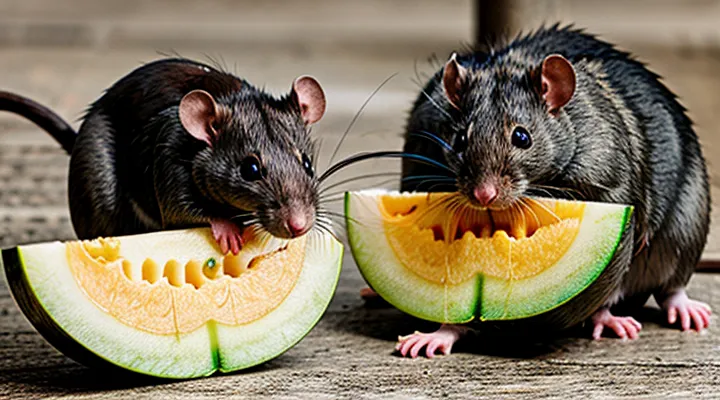
Can Rats Eat Melon? The Short Answer
Yes, rats can eat melon, but only in small, seed‑free portions.
Melon provides water, natural sugars, and vitamins such as A and C, which can be a pleasant treat for a pet rat. However, excessive fruit can cause digestive upset, weight gain, or diarrhea. To use melon safely, follow these guidelines:
- Offer only the flesh; remove all seeds and rind.
- Limit servings to a few bite‑size cubes a few times per week.
- Observe the rat for any signs of discomfort after the first offering.
- Keep the fruit refrigerated and discard any leftovers after 24 hours to prevent spoilage.
If a rat shows adverse reactions, discontinue melon and consult a veterinarian. Regular diet should remain focused on balanced rodent pellets, fresh vegetables, and occasional protein sources.
Nutritional Benefits of Melon for Rats
Melons supply rats with high water content, supporting hydration and kidney function. The fruit’s natural sugars are modest, offering a gentle energy source without causing rapid blood‑glucose spikes.
Key nutrients present in melon include:
- Vitamin C: promotes immune health and collagen synthesis.
- Vitamin A (beta‑carotene): essential for vision and epithelial tissue maintenance.
- Potassium: aids electrolyte balance and muscle activity.
- Fiber: encourages gastrointestinal motility and prevents constipation.
- Antioxidants (e.g., lycopene, cucurbitacin): protect cells from oxidative damage.
The carbohydrate profile consists mainly of simple sugars, which can be safely incorporated in small, controlled portions. Excessive feeding may lead to weight gain or digestive upset, so limit servings to no more than a teaspoon for a typical adult rat.
Melon’s low‑calorie density makes it a suitable occasional treat that complements a balanced rodent diet rich in protein, grains, and fresh vegetables. Regular, moderate inclusion can enhance overall nutrient intake while providing sensory enrichment through scent and texture.
Potential Risks and Concerns
High Sugar Content and Obesity
Melons contain 6–9 g of sugar per 100 g of flesh, a level comparable to many fruits marketed for human consumption. When a rat ingests a typical slice (approximately 20 g), it receives 1.2–1.8 g of simple carbohydrates, which can rapidly elevate blood glucose.
Elevated glucose intake contributes to excess caloric accumulation, a primary driver of adipose tissue expansion in rodents. Rats prone to weight gain exhibit reduced insulin sensitivity, and frequent exposure to high‑sugar treats accelerates this process. To mitigate obesity risk while offering occasional melon:
- Limit portions to no more than 10 g per serving, three times per week.
- Monitor body weight weekly; adjust frequency if gain exceeds 5 % of baseline.
- Provide a balanced diet rich in protein and fiber to offset carbohydrate spikes.
Consistent adherence to these parameters prevents unnecessary fat deposition while allowing rats to enjoy the occasional fruit treat.
Digestive Upset
Melons contain high levels of water and natural sugars, which can overwhelm a rat’s relatively short gastrointestinal tract. Excessive fructose may draw fluid into the intestines, leading to loose stools or diarrhea. The fiber in melon rind, if offered, is coarse and can irritate the mucosal lining, increasing the risk of abdominal cramping.
Typical indicators of digestive disturbance include:
- Watery or unformed feces
- Reduced appetite
- Lethargy or signs of discomfort
- Visible swelling of the abdomen
To minimize these problems, introduce melon in very small portions—no more than a pea‑sized bite—once a week. Observe the rat for at least 24 hours after feeding; discontinue if any adverse signs appear. Ensure the fruit is fresh, seed‑free, and washed thoroughly to avoid bacterial contamination. If diarrhea persists, provide plain water and consider a brief period of a bland diet, such as boiled chicken or plain kibble, before re‑evaluating fruit inclusion.
Pesticides and Washing Melon
When offering melon to pet or laboratory rats, ensure the fruit is free of harmful pesticide residues. Residues may cause gastrointestinal irritation, liver stress, or neurological effects in rodents, even at low concentrations.
Pesticide concerns include:
- Organophosphates: inhibit acetylcholinesterase, leading to tremors or seizures.
- Carbamates: produce similar cholinergic toxicity.
- Pyrethroids: may cause hyperactivity and respiratory distress.
- Synthetic fungicides: can disrupt gut flora and impair nutrient absorption.
Effective cleaning reduces these risks. Follow a three‑step protocol:
- Rinse under cool running water for at least 30 seconds, using a gentle stream to dislodge surface particles.
- Scrub with a soft brush while the fruit remains wet; this removes waxes and tightly bound residues.
- Soak in a dilute solution of food‑grade vinegar (1 part vinegar to 3 parts water) for 2–3 minutes, then rinse again with clean water to eliminate lingering chemicals.
After washing, cut the melon into bite‑size cubes, remove seeds, and serve only a small portion to monitor the rat’s response. Regularly inspect the fruit for bruises or mold, which can harbor additional toxins. By adhering to these precautions, melon can be a safe, occasional treat for rats.
Which Parts of the Melon Are Safe?
Melon Flesh
Melon flesh offers a high water content and natural sugars, providing a modest source of vitamins A and C, potassium, and dietary fiber. The low-calorie profile makes it an occasional treat for rats, provided the fruit is fresh, ripe, and free of mold.
Rats may enjoy the texture and sweetness, but several considerations ensure safety:
- Portion control: Offer no more than one teaspoon of diced flesh per adult rat per day to avoid excess sugar intake.
- Preparation: Remove the rind, seeds, and any green or overripe areas; cut the flesh into bite‑size cubes.
- Frequency: Limit feeding to two to three times weekly; daily consumption can lead to digestive upset or weight gain.
- Observation: Monitor for signs of diarrhea, lethargy, or reduced appetite after introduction; discontinue if symptoms appear.
- Storage: Keep unused portions refrigerated and discard after 24 hours to prevent bacterial growth.
Melon flesh should complement a balanced diet of commercial rat pellets, fresh vegetables, and occasional protein sources. When integrated responsibly, it adds variety without compromising nutritional adequacy.
Melon Seeds
Melon seeds can be included in a rat’s diet, but they require careful handling. Raw seeds contain cyanogenic glycosides that may release cyanide when metabolized; processing eliminates this risk. Roast or steam seeds for at least five minutes, then allow them to cool before offering them to rats.
Nutritionally, melon seeds provide protein, healthy fats, and minerals such as magnesium, phosphorus, and zinc. A typical serving of 1‑2 grams supplies approximately 10% of a rat’s daily protein requirement without exceeding caloric limits. Excessive fat intake can lead to obesity, so seed portions should remain a minor component of the overall diet.
Potential hazards include:
- Presence of pesticide residues on unwashed seeds.
- Choking risk from large or whole seeds in young or small rats.
- Gastrointestinal upset if introduced abruptly.
To minimize risks:
- Wash seeds thoroughly under running water.
- Remove any remaining fruit flesh to prevent mold growth.
- Slice or crush seeds into bite‑size pieces for small rats.
- Introduce seeds gradually, monitoring for changes in stool consistency or behavior.
When offering melon seeds, balance them with high‑fiber pellets, fresh vegetables, and occasional fruit flesh. This approach ensures rats receive the nutritional benefits of the seeds while avoiding toxicity, digestive issues, and caloric excess.
Melon Rind
Melon rind contains a high proportion of water and fiber, which can aid hydration and digestive transit in rats when offered in moderation. The outer skin holds low levels of sugars compared to the flesh, reducing the risk of rapid blood‑glucose spikes.
Potential concerns include pesticide residues and the presence of bitter compounds such as cucurbitacin, which may cause gastrointestinal irritation. Rinse the rind thoroughly under running water, then peel away any remaining green or white layer that may concentrate these substances. Cut the cleaned rind into bite‑size pieces no larger than a quarter of an inch to prevent choking.
Nutritional profile per 100 g of raw rind:
- Water: ~90 g
- Dietary fiber: 0.9 g
- Vitamin C: 8 mg
- Vitamin A (β‑carotene): 50 µg
- Minimal sugars: 1 g
Feeding guidelines
- Introduce rind gradually, starting with one or two small pieces per day.
- Observe the rat for signs of diarrhea, reduced appetite, or abnormal behavior.
- Discontinue if any adverse reaction occurs.
- Limit total rind intake to no more than 5 % of the rat’s daily food volume to maintain balanced nutrition.
When prepared correctly, melon rind can serve as a safe, occasional supplement that contributes moisture and fiber without overwhelming the rat’s diet.
How to Safely Feed Melon to Your Rat
Portion Control
Melons can be a healthy treat for pet rats, but only when portions are carefully measured. Over‑feeding fruit leads to gastrointestinal upset, diarrhea, and weight gain that can stress a rat’s cardiovascular system.
A typical serving size for a small adult rat (150‑200 g) is no more than one teaspoon of diced, seed‑free melon per day. Larger rats may receive up to two teaspoons, but the total fruit intake should never exceed 10 % of the animal’s overall diet.
Guidelines for safe portion control:
- Remove all seeds and rind; these parts contain fiber that can cause blockages.
- Offer fresh, chilled melon in small cubes to encourage gentle chewing.
- Provide the fruit once daily, preferably as a supplemental snack after the main pellet or grain meal.
- Monitor the rat’s stool for softness or excess moisture; adjust the amount immediately if changes occur.
- Record the quantity given each day to maintain consistency and prevent accidental over‑serving.
If a rat shows signs of bloating, loss of appetite, or lethargy after melon consumption, discontinue the fruit and consult a veterinarian. Consistent, modest portions keep the nutritional benefits of melon—hydration and vitamins—while safeguarding the animal’s health.
Frequency of Feeding
Melons can be introduced as an occasional treat for pet rats, but the feeding schedule must be carefully controlled to avoid digestive upset and excess sugar intake. Offer fresh melon no more than twice per week, limiting each serving to a bite‑sized piece roughly the size of a pea. This frequency provides the nutritional benefits of vitamins A and C while keeping caloric contribution minimal.
- Frequency: 1–2 times weekly
- Portion size: ≤0.5 cm³ per rat per feeding
- Timing: Serve in the early evening, when rats are most active, and remove any uneaten fruit after two hours
Consistent adherence to this schedule maintains a balanced diet, prevents weight gain, and ensures that melon remains a safe, supplemental snack rather than a staple.
Preparation Tips
When offering melon to pet rats, preparation must prioritize hygiene, size, and digestibility to prevent health issues.
- Rinse the fruit thoroughly under running water to eliminate pesticide residues and surface microbes.
- Remove the rind completely; the tough skin can cause gastrointestinal irritation.
- Discard all seeds, as they contain trace amounts of cyanogenic compounds that may be harmful in small animals.
- Cut the flesh into cubes no larger than ½ inch (≈1.3 cm) to facilitate chewing and reduce choking risk.
- Pat the pieces dry with a clean cloth or paper towel to remove excess moisture that could promote bacterial growth.
- Introduce a single piece initially, observe for signs of digestive upset or allergic reaction, and wait 24 hours before offering more.
- Store unused portions in an airtight container in the refrigerator, and discard any leftovers after 24 hours to avoid spoilage.
After the first trial, adjust portion size according to the rat’s weight and activity level. Regular monitoring ensures the fruit remains a safe, occasional treat rather than a dietary staple.
Types of Melon and Rat Consumption
Watermelon
Watermelon offers high water content, natural sugars, and modest amounts of vitamins A and C, making it an occasional treat for pet rats.
Key considerations:
- Hydration – Fresh flesh supplies moisture, useful during warm weather or when tap water intake declines.
- Caloric impact – One tablespoon contains roughly 5 kcal; excessive portions can contribute to weight gain.
- Fiber – Small amounts aid gastrointestinal motility; large quantities may cause loose stools.
- Seeds – Hard seeds pose choking hazards and may damage teeth; remove them entirely.
- Rind – Thick skin is difficult to chew and may irritate the oral cavity; offer only the soft inner flesh.
Recommended protocol:
- Wash the fruit thoroughly to eliminate pesticide residues.
- Cut into bite‑size cubes (no larger than 0.5 cm).
- Introduce a single cube and observe for 24 hours; monitor for diarrhea, reduced appetite, or abnormal behavior.
- If tolerated, limit intake to two–three cubes per week, adjusting for the individual’s size and activity level.
Potential issues:
- Sugar overload – May exacerbate insulin sensitivity problems in genetically predisposed rats.
- Allergic reaction – Rare, but manifested by swelling, scratching, or respiratory distress; discontinue immediately.
Overall, watermelon can be incorporated safely when prepared correctly, offered sparingly, and monitored for adverse responses.
Cantaloupe
Cantaloupe is a fleshy fruit belonging to the Cucurbitaceae family, characterized by a high water content, moderate carbohydrate levels, and a spectrum of vitamins such as A (beta‑carotene) and C, along with potassium and dietary fiber.
Rats can consume cantaloupe without adverse effects when the fruit is prepared correctly. The edible portion consists solely of the orange flesh; the rind and seeds should be discarded because they are difficult to digest and may cause intestinal blockage.
Potential concerns include the fruit’s natural sugars, which can disrupt a rat’s balanced diet if offered excessively, and residual pesticide residues that remain on the surface if the fruit is not washed thoroughly. Additionally, large pieces pose a choking risk for small rodents.
Guidelines for safe inclusion:
- Rinse the fruit under running water to eliminate contaminants.
- Remove the rind and all seeds.
- Cut the flesh into cubes no larger than ½ inch (≈1.3 cm).
- Offer a single small piece (approximately 5–10 g) as an occasional treat, not exceeding twice per week.
- Observe the animal for signs of digestive upset after the first exposure.
When these precautions are followed, cantaloupe provides a nutritious, hydrating supplement that can enrich a rat’s diet.
Honeydew
Honeydew melon is a soft‑fleshed fruit with high water content and natural sugars. Rats can consume it safely when offered in moderation, providing a source of hydration and vitamins such as C and B‑complex.
- Water: approximately 90 % of the fruit, helps maintain fluid balance.
- Sugars: simple carbohydrates deliver quick energy; excess can lead to obesity.
- Vitamins: vitamin C supports immune function; B vitamins assist metabolism.
- Minerals: potassium and small amounts of calcium contribute to electrolyte balance.
Feeding guidelines recommend offering fresh, seed‑free honeydew in small cubes no larger than ½ inch. Limit portions to 1–2 % of the rat’s daily caloric intake, typically a few grams per adult. Serve the fruit chilled or at room temperature; avoid canned or processed varieties that contain added sugars or preservatives.
Potential risks include high sugar load, which may cause weight gain or digestive upset, and pesticide residues on the skin. Wash the fruit thoroughly, peel if pesticide exposure is a concern, and remove any remaining rind before serving. Monitor the animal for signs of diarrhea or reduced activity after introduction.
When incorporated correctly, honeydew adds variety to a rat’s diet without replacing staple foods such as high‑quality pellets, grains, and protein sources. Regular observation ensures the fruit remains a beneficial supplement rather than a health hazard.
Other Melon Varieties
Rats can safely enjoy several melon types beyond the common cantaloupe, provided the fruit is fresh, seed‑free, and offered in modest portions.
- Honeydew – low in sugar, high water content; suitable for hydration and a gentle source of vitamin C. Serve small cubes without rind.
- Watermelon – primarily water, contains lycopene and potassium; avoid the green rind and any black or white seeds. Limit to a few bite‑size pieces due to natural sugars.
- Galia – a hybrid of cantaloupe and honeydew; similar nutritional profile to cantaloupe with a slightly sweeter taste. Remove the tough outer skin before feeding.
- Charentais – small, aromatic variety with a delicate texture; offers comparable vitamins and minerals. Ensure the fruit is fully ripe to prevent digestive upset.
- Casaba – milder flavor and firmer flesh; provides modest amounts of vitamin A and B‑complex nutrients. Trim the thick rind and any remaining seeds.
When introducing any new melon, observe the rat for signs of gastrointestinal distress, such as loose stools or reduced appetite. Rotate melons sparingly within a balanced diet that includes grains, proteins, and vegetables to prevent excessive sugar intake.
What to Do if Your Rat Eats Too Much Melon
If a pet rat consumes an excessive amount of melon, immediate attention is required to prevent digestive upset and potential health complications.
First, assess the quantity ingested. Small overindulgence (a few bite‑size pieces) usually resolves without intervention, but larger portions—especially those containing high sugar and water content—can lead to diarrhea, dehydration, or abdominal discomfort.
Next, take the following actions:
- Remove remaining melon from the cage to stop further intake.
- Offer fresh water in a clean bottle; encourage drinking by placing the bottle within easy reach.
- Provide a bland diet such as a small portion of plain rabbit or rodent pellets, or a teaspoon of plain cooked rice, to settle the stomach.
- Monitor stool for consistency and frequency. Normal, firm pellets indicate recovery; watery or frequent droppings suggest ongoing irritation.
- Check for signs of distress: lethargy, rapid breathing, bloating, or vomiting require prompt veterinary evaluation.
- Limit future melon servings to no more than a few millimeter‑sized cubes per week, ensuring the fruit is seed‑free and peeled to reduce fiber overload.
Finally, keep a log of the incident, noting the amount eaten, observed symptoms, and any corrective steps taken. This record assists veterinarians in diagnosing potential complications and guides future feeding practices.
Alternative Safe Fruit Treats for Rats
Rats enjoy occasional fruit, but owners must select varieties that pose no health risk. While watermelon is often discussed, several other options provide comparable hydration and vitamins without the sugar spikes associated with some fruits.
- Blueberries – rich in antioxidants; offer 1‑2 berries per day.
- Strawberries – source of vitamin C; limit to a quarter of a medium fruit weekly.
- Apple (seedless) – supplies fiber; provide a thin slice no larger than 1 × 2 cm, removing the core.
- Pear – low‑acid, gentle on digestion; offer a small bite twice a week.
- Kiwi – high in vitamin K; serve a half‑slice once weekly, ensuring the skin is removed.
- Cantaloupe – similar water content to watermelon; give a pea‑sized piece twice a month.
Preparation standards apply uniformly: wash fruit thoroughly, remove pits, stems, and seeds, and cut into bite‑size pieces to prevent choking. Introduce new items one at a time, observing the animal for signs of digestive upset such as loose stools or reduced appetite. Treats should complement a balanced rodent diet, not replace staple foods, and should not exceed 5 % of total caloric intake.
Regular monitoring ensures that fruit remains a beneficial supplement rather than a source of excess sugar. Adjust portions according to the rat’s size, age, and activity level, and discontinue any fruit that triggers adverse reactions.
Foods to Avoid Feeding Your Rat
Veterinary experts advise that offering a rat melon does not justify feeding other foods that can cause illness. Knowledge of harmful items helps maintain a safe diet.
- Processed meats, including bacon and deli slices: high salt and fat can lead to gastrointestinal distress and kidney strain.
- Chocolate and caffeine‑containing products: contain theobromine and caffeine, which are toxic to rodents and may cause seizures or death.
- Citrus fruits (lemons, oranges, grapefruits): acidic content can irritate a rat’s digestive tract and cause diarrhea.
- Raw beans, especially kidney beans: contain lectins that are poisonous unless thoroughly cooked.
- Avocado flesh and pits: persin toxin in the flesh and pit can cause respiratory distress and heart damage.
- Dairy products: rats lack lactase; lactose ingestion often results in bloating, gas, and diarrhea.
- Sugary snacks and candy: rapid blood‑sugar spikes lead to obesity, dental disease, and metabolic disorders.
- Alcohol and fermented foods: depress the central nervous system and can be fatal even in small amounts.
- High‑salt nuts and seeds: excessive sodium raises blood pressure and burdens the kidneys.
- Artificial sweeteners, especially xylitol: cause rapid insulin release and can result in hypoglycemia.
Avoiding these items reduces the risk of acute poisoning and long‑term health problems. When evaluating whether a rat can safely enjoy melon, ensure the fruit is fresh, seed‑free, and offered in moderation alongside a balanced staple diet of high‑quality pellets, fresh vegetables, and occasional protein sources.