
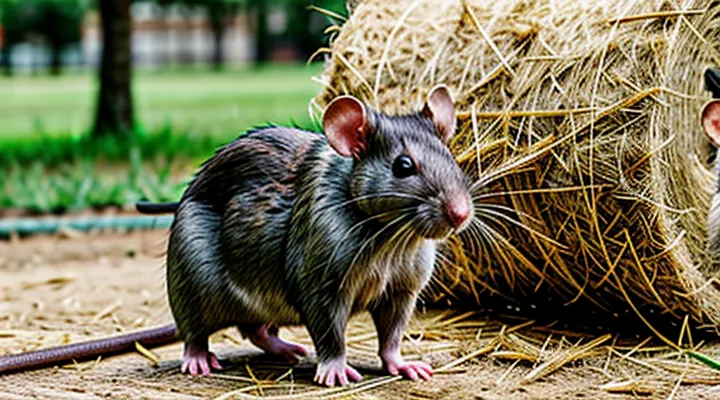
Understanding Rat Dietary Needs
Essential Nutritional Components for Rats
Rats require a diet that supplies protein, fat, carbohydrates, fiber, vitamins, minerals, and adequate water. Protein supports growth, tissue repair, and immune function; sources include commercial pellets, cooked eggs, and lean meat. Fat provides energy and aids absorption of fat‑soluble vitamins; it should constitute 5–10 % of total calories. Carbohydrates supply readily available energy; grains and vegetables fulfill this need. Fiber maintains gastrointestinal motility and dental health; insoluble fiber from plant material is essential. Vitamins A, D, E, K, B‑complex, and C prevent deficiencies that affect vision, bone development, and metabolic processes. Minerals such as calcium, phosphorus, magnesium, potassium, sodium, and trace elements (zinc, copper, selenium) regulate bone formation, nerve transmission, and enzymatic activity. Water intake must be constant and clean.
- Protein: 14–16 % of diet, high‑quality sources.
- Fat: 5–10 % of diet, balanced omega‑6/omega‑3 ratio.
- Carbohydrates: 45–55 % of diet, primarily from grains and vegetables.
- Fiber: 5–7 % of diet, predominantly insoluble.
- Vitamins: complete spectrum, supplied by fortified pellets and fresh produce.
- Minerals: calcium‑phosphorus ratio near 1:1, supplemented as needed.
- Water: unlimited access, refreshed daily.
Hay consists almost entirely of cellulose and other insoluble fibers, offering negligible protein, fat, vitamins, or minerals. As a sole food, hay cannot meet the nutritional requirements listed above. Its primary benefit is to encourage chewing behavior and provide bulk that promotes intestinal health. When offered, hay should complement a balanced diet rather than replace it.
Optimal feeding strategy combines a high‑quality pellet formulated for rats, a measured portion of fresh vegetables for vitamins and additional fiber, occasional protein treats, and a small amount of hay to support dental wear and gut motility. This regimen satisfies all essential nutritional components while allowing safe inclusion of hay where appropriate.
Foods to Avoid or Limit
Hay can be incorporated into a rat’s diet, but several food items must be excluded or reduced to prevent health problems.
Foods to avoid
- Chocolate, caffeine, and nicotine: contain toxic compounds that cause cardiac and neurological damage.
- Raw or undercooked beans and peas: high levels of lectins and cyanogenic glycosides that are poisonous.
- Processed meats and deli slices: contain high sodium and preservatives that strain kidneys.
- Citrus peels and seeds: contain essential oils and cyanide precursors that are harmful in small amounts.
- Moldy or spoiled foods: produce mycotoxins that damage liver and immune system.
Foods to limit
- Fresh fruits: high sugar content can lead to obesity and dental issues; offer in moderation.
- Starchy vegetables (potatoes, corn): excessive carbohydrates may cause digestive upset; provide sparingly.
- Commercial rat treats: often contain added sugars and fats; use as occasional rewards only.
- Dairy products: rats lack lactase; small amounts may cause diarrhea.
Providing a balanced diet that emphasizes hay, high‑quality rodent pellets, and limited fresh vegetables supports dental health, digestive function, and overall vitality. Monitor intake, replace restricted foods with safe alternatives, and adjust portions according to the animal’s weight and activity level.
Hay for Rats: The Basics
Types of Hay and Their Properties
Timothy Hay
Timothy hay is a common forage for small herbivores, valued for its high fiber and low protein content. For rats, the fiber aids gastrointestinal motility and can help prevent hairball formation when they engage in natural chewing behavior.
Nutritional profile of Timothy hay includes:
- Roughage: 80 % dry matter, primarily cellulose and hemicellulose.
- Protein: 7–10 % of dry weight, lower than most grass hays.
- Minerals: calcium, phosphorus, magnesium in modest amounts.
- No added sugars or artificial preservatives.
Feeding considerations for rats:
- Offer small quantities (approximately one teaspoon per day) alongside a balanced pellet diet.
- Monitor for signs of overconsumption, such as weight gain or loose stools.
- Ensure hay is fresh, free of mold, dust, or pesticide residues.
- Replace hay every 3–5 days to maintain palatability and hygiene.
Potential benefits:
- Provides dental wear, reducing the risk of overgrown incisors.
- Supplies bulk that promotes satiety, potentially limiting excessive nibbling of other foods.
- Contributes to a more varied diet, mimicking natural foraging.
Risks:
- Moldy or contaminated hay can cause respiratory irritation or gastrointestinal upset.
- Excessive fiber may lead to reduced nutrient absorption if not balanced with adequate protein sources.
Storage recommendations:
- Keep in a sealed container, away from direct sunlight and moisture.
- Inspect regularly for discoloration or odor before each feeding.
Timothy hay can be incorporated safely into a rat’s diet when presented in appropriate amounts, kept fresh, and combined with a nutritionally complete staple food.
Alfalfa Hay
Alfalfa hay is a common inclusion in the diets of herbivorous pets, but its suitability for rats requires careful assessment. The feed is high in protein, calcium, and fiber, which can support dental health and gastrointestinal motility. However, the elevated calcium-to‑phosphorus ratio may predispose rodents to urinary calculi if the ingredient is over‑represented.
Nutritional profile
- Protein: approximately 15‑20 % of dry matter.
- Calcium: 0.5 %–0.8 % of dry matter, exceeding the recommended level for rats.
- Fiber: 30 %–40 % of dry matter, promoting gut transit.
Potential benefits
- Encourages chewing behavior, reducing the risk of incisor overgrowth.
- Provides bulk that can aid in stool formation and prevent constipation.
Potential drawbacks
- Excess calcium may lead to kidney stones or bladder issues.
- High protein content can strain the liver and kidneys in adult or overweight rats.
- Presence of mold or dust can cause respiratory irritation.
When introducing alfalfa hay, limit the portion to no more than 5 % of the total daily feed, mixing it with a balanced pellet or seed diet. Offer fresh, pesticide‑free hay in small bundles, removing any soiled or damp material each day. Monitor the animal for signs of urinary distress, changes in weight, or digestive upset.
Alternative fibrous supplements include timothy hay, oat hay, or commercial rodent chew sticks, which provide comparable texture with lower calcium levels. Selecting a suitable fiber source depends on the individual rat’s health status, age, and activity level.
Orchard Grass Hay
Orchard grass hay provides a source of roughage that can complement a rat’s diet. The fiber content aids gastrointestinal motility, helping prevent constipation, a common issue in captive rodents. The hay’s low sugar and protein levels make it suitable for animals that already receive nutritionally balanced pellets.
When offering orchard grass hay, follow these guidelines:
- Quantity: Offer a small handful (approximately 5–10 g) per day, adjusting based on the individual’s activity level and body condition.
- Preparation: Rinse thoroughly with cool water to remove dust and potential pesticide residues. Allow to dry completely before placement in the cage.
- Presentation: Scatter loosely in a corner or place in a hay feeder to encourage natural foraging behavior.
- Monitoring: Observe for signs of overconsumption, such as weight gain or loose stools, and adjust the amount accordingly.
Potential concerns include contamination with mold or insects. Inspect the hay for discoloration, foul odor, or visible pests before each use. Replace any suspect batches promptly.
Integrating orchard grass hay with a balanced diet of high‑quality pellets, fresh vegetables, and occasional protein treats can enhance dental health, support digestive function, and provide enrichment for pet rats.
Potential Benefits of Hay for Rats
Enrichment and Nesting Material
Hay can serve as both enrichment and nesting material for pet rats. Its fibrous texture encourages chewing, which helps maintain dental health, while its softness provides a substrate for building nests.
Benefits include:
- Stimulation of natural foraging behavior.
- Reduction of boredom‑related stress.
- Support for proper incisor wear.
- Creation of a comfortable sleeping environment.
Safety considerations require selecting hay free of pesticides, mold, or dust. Fresh, aromatic varieties such as timothy, orchard, or oat hay are preferable; aromatic grasses may trigger respiratory irritation in sensitive individuals. Avoid hay treated with herbicides or stored in damp conditions, which can develop spores harmful to rodents.
Practical guidelines:
- Offer a small bundle (approximately 5–10 cm) in the cage, replacing it weekly or when soiled.
- Secure the hay to prevent it from rolling into equipment, which could cause entanglement.
- Monitor rats for signs of respiratory distress; remove hay immediately if symptoms appear.
- Complement hay with other nesting options (e.g., shredded paper, cotton) to ensure material variety.
Providing hay, when sourced responsibly and managed correctly, enhances the welfare of rats by meeting innate chewing and nesting needs.
Dental Health Considerations
Hay can serve as a natural chew source for pet rats, but its impact on dental health requires careful evaluation. Rat incisors grow continuously; adequate wear prevents overgrowth, misalignment, and associated pain. Hay’s fibrous texture provides resistance that encourages gnawing, yet the material’s hardness, moisture content, and particle size influence effectiveness.
Key dental considerations include:
- Abrasion level – Coarse, dry hay promotes sufficient enamel wear; overly soft or damp hay may fail to stimulate adequate grinding.
- Fiber consistency – Uniform strands reduce the risk of uneven bite forces that could cause uneven tooth wear or fractures.
- Contamination risk – Mold, pesticides, or dust present in low‑quality hay can irritate oral tissues and lead to infections.
- Dental anomalies – Rats with pre‑existing malocclusion may require supplemental dental tools; hay alone might not correct severe misalignment.
- Monitoring – Regular visual inspection of incisors for length, shape, and signs of chipping is essential when hay is part of the diet.
Providing high‑quality, dry timothy or orchard grass hay in modest amounts supports natural tooth wear while minimizing health hazards. Replace hay regularly to prevent spoilage and maintain consistent abrasive properties. Combine hay with other safe chew items, such as wooden blocks or mineral chews, to ensure comprehensive dental maintenance.
Potential Risks and Concerns
Dust and Respiratory Issues
Hay introduces fine particulate matter that can settle in a rat’s nasal passages and lungs. The particles are small enough to be inhaled during normal activity, especially when the bedding is disturbed.
Potential respiratory consequences include:
- Irritation of mucous membranes, leading to sneezing and nasal discharge.
- Inflammation of bronchial tissue, which may progress to bronchitis.
- Increased risk of allergic reactions, manifested as wheezing or labored breathing.
- Exacerbation of pre‑existing conditions such as asthma‑like syndromes.
Rats possess a highly sensitive respiratory system; chronic exposure to dust can impair gas exchange and reduce overall health. Monitoring for signs such as persistent coughing, altered breathing patterns, or reduced activity is essential when hay is part of the environment.
Mitigation strategies:
- Select low‑dust hay varieties or pre‑wash hay to remove excess particles.
- Provide hay in a confined holder that limits aerosolization.
- Combine hay with a dust‑free substrate, ensuring the primary bedding remains clean.
- Conduct regular cage cleaning to prevent dust accumulation.
When hay is introduced, veterinary evaluation should confirm that the animal shows no adverse respiratory response within the first few weeks. Absence of symptoms indicates that dust levels are manageable; appearance of any respiratory distress warrants immediate removal of hay and medical assessment.
Mold and Contamination
Hay can be a source of nutrients and enrichment for pet rats, but it also carries a risk of mold and other contaminants. Mold spores thrive in damp, poorly stored hay, producing mycotoxins that can cause respiratory distress, digestive upset, or immune suppression in rodents. Contamination may also include dust, insect fragments, or chemical residues from pesticides used during cultivation.
Key concerns
- Visible mold patches or a musty odor indicate spoilage.
- Fine dust can irritate nasal passages and lungs.
- Insect remnants may introduce parasites or allergens.
- Chemical residues can be toxic if ingested.
Preventive measures
- Purchase hay from reputable suppliers that guarantee low moisture content and proper storage.
- Store hay in airtight containers in a cool, dry location; use silica packets or dehumidifiers if necessary.
- Inspect each batch before offering it: discard any bundles with discoloration, clumping, or foul smell.
- Provide only small, fresh portions daily; remove uneaten hay after a few hours to limit exposure.
- Rotate stock regularly to avoid long-term storage that encourages fungal growth.
Signs of mold‑related illness
- Sneezing, wheezing, or labored breathing.
- Reduced appetite, watery eyes, or nasal discharge.
- Diarrhea or lethargy without other obvious causes.
If any of these symptoms appear after introducing hay, remove the material immediately and consult a veterinarian. Maintaining strict hygiene and regular monitoring reduces the likelihood that hay will become a health hazard for rats.
Nutritional Imbalance
Hay provides abundant fiber but lacks the protein, fat, vitamins, and minerals that rats require for healthy growth and maintenance. When hay becomes a primary food source, the resulting diet is deficient in essential amino acids, essential fatty acids, and micronutrients such as vitamin A, B‑complex vitamins, and trace minerals. The high cellulose content also skews the calcium‑to‑phosphorus ratio toward excess calcium, which can interfere with bone metabolism.
The nutritional imbalance created by excessive hay intake can produce several clinical problems:
- Gastrointestinal slowdown or stasis due to overly fibrous bulk.
- Dental over‑wear from constant chewing on low‑nutrient material.
- Weight loss and muscle wasting from insufficient protein and calories.
- Hypocalcemia or hypercalcemia resulting from disrupted mineral ratios.
- Vitamin deficiency syndromes, including poor coat condition and impaired immune function.
To prevent these issues, hay should be offered only as a supplemental source of roughage. A balanced commercial rat pellet or mash, formulated to meet the species’ specific nutrient profile, must remain the principal component of the diet. If hay is provided, limit portions to a few grams per day and monitor body condition, dental health, and stool consistency regularly.
Best Practices for Offering Hay to Rats
Selecting the Right Type and Quality
When incorporating hay into a rat’s diet, the first decision concerns the species of grass. Timothy, orchard, and oat hays are the most suitable because they contain low levels of calcium and high fiber, which aid digestion and dental wear. Avoid alfalfa, which is too rich in protein and calcium for adult rats and can lead to urinary problems.
Quality assessment should focus on three criteria:
- Freshness: Choose hay that smells mildly sweet, not musty or moldy. Moisture content must be low; damp hay promotes fungal growth.
- Purity: Verify that the bundle is free of seed heads, weeds, or pesticide residues. Organic certification reduces the risk of chemical contamination.
- Texture: Opt for fine, soft stems that rats can easily grasp and shred. Coarse or overly dry stalks may cause dental strain or be rejected.
Before offering hay, inspect each bundle for discoloration or insect activity. Trim any damaged edges, then store the remainder in a breathable container in a cool, dry place to preserve its nutritional value. Introduce hay gradually, mixing small amounts with regular pellets to monitor acceptance and digestive response.
Proper Preparation and Presentation
Rats may safely consume hay when it is prepared and presented correctly. The preparation process eliminates contaminants, ensures appropriate texture, and maximizes nutritional benefit.
- Select fresh, pesticide‑free hay such as timothy or oat.
- Rinse the hay in cool water to remove dust and debris.
- Pat dry with a clean towel or allow to air‑dry for 15–20 minutes.
- Cut into 1‑2 cm strips to accommodate the rat’s small jaws.
- Store in a sealed container at a temperature below 20 °C to prevent mold growth.
Presentation should encourage natural foraging behavior while maintaining hygiene. Place the strips loosely in a corner of the cage, mixed with bedding or alongside chew toys. Refresh the supply daily; discard any material that becomes damp or soiled. This method provides fiber, promotes dental health, and integrates seamlessly into a balanced rodent diet.
Monitoring Rat Response and Health
Introducing hay into a rat’s diet requires systematic observation of behavioral and physiological responses. Continuous monitoring determines whether the fiber source supports health or causes distress.
Key health indicators include:
- Activity level and exploratory behavior
- Body weight trends
- Stool consistency and frequency
- Dental wear patterns
- Respiratory signs such as sneezing or nasal discharge
Effective monitoring methods:
- Daily visual checks for changes in movement, grooming, and social interaction.
- Weekly weight measurements recorded on a calibrated scale.
- Bi‑weekly fecal examinations to assess fiber digestion and parasite load.
- Monthly veterinary assessments focusing on dental condition and respiratory health.
- Structured logging of hay intake volume and preference.
Interpretation of data follows clear criteria. Increased activity, stable weight, normal stool, and healthy teeth indicate successful integration. Reduced appetite, weight loss, loose stools, or respiratory irritation signal a need to reduce or discontinue hay, adjust quantity, or consult a veterinarian. Consistent documentation enables timely dietary adjustments and safeguards rat welfare.
Alternatives and Supplements
Safe Chewing Options
Rats need constant access to material that promotes dental wear and satisfies natural gnawing behavior. While some owners consider hay as a dietary supplement, its texture and moisture content can pose health risks if not carefully selected.
Safe chewing options include:
- Untreated hardwood blocks (e.g., maple, birch) that resist splintering.
- Natural, pesticide‑free branches from safe tree species such as apple, pear, or willow.
- Commercially manufactured chew toys made from compressed paper, cardboard, or safe plastics, designed to endure prolonged gnawing.
- Mineral and calcium chews formulated for small rodents, providing both dental wear and nutritional benefits.
- Untreated, dry grass bundles (e.g., timothy) offered in limited quantities to avoid digestive upset.
Each option should be inspected regularly for wear, mold, or contamination. Replace worn pieces promptly to prevent injury. Providing a variety of these materials ensures proper tooth length maintenance and mental stimulation without the complications associated with inappropriate hay varieties.
Other Enrichment Materials
Rats benefit from a variety of enrichment items that stimulate natural foraging, chewing, and nesting behaviors. Providing diverse textures and challenges reduces boredom and promotes physical health.
Common alternatives include:
- Cardboard tubes and tubes from paper towel rolls for tunnel exploration.
- Untreated wooden blocks or sticks for gnawing, preventing dental overgrowth.
- Puzzle feeders that dispense treats when manipulated, encouraging problem‑solving.
- Natural fibers such as shredded paper, tissue, or untreated cotton for nest building.
- Safe chew toys made from mineral or silicone materials, offering durability and varied resistance.
Rotate items regularly to maintain interest and monitor each material for wear or ingestion hazards. Replace damaged pieces promptly to preserve a safe environment.