
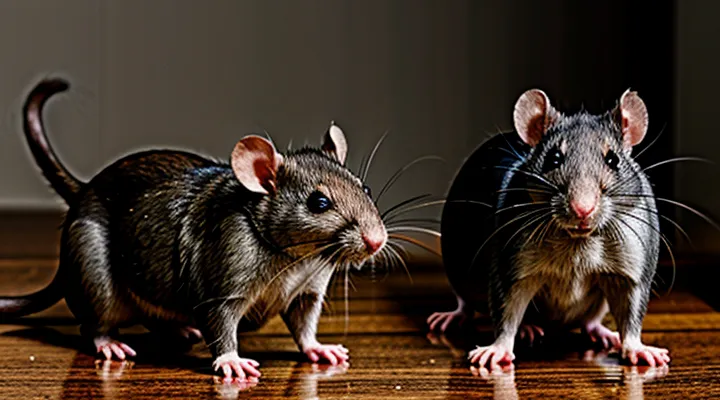
Understanding Rat Dietary Needs
Essential Nutritional Requirements
Rats require a diet that supplies adequate protein, essential fatty acids, carbohydrates, fiber, vitamins, minerals, and clean water. Protein should constitute 14‑20 % of total calories, providing amino acids such as lysine, methionine, and tryptophan. Fat must supply 5‑10 % of calories, delivering linoleic and α‑linolenic acids for cell membrane integrity and hormone synthesis. Carbohydrates serve as an energy source, but excess simple sugars can disrupt glucose regulation. Fiber, at 3‑5 % of the diet, supports gastrointestinal motility and microbial fermentation.
Key micronutrients include:
- Vitamin A for vision and immune function
- Vitamin D for calcium absorption and bone health
- Vitamin E as an antioxidant
- Vitamin K for blood clotting
- B‑complex vitamins (B1, B2, B6, B12, niacin, pantothenic acid, folate) for metabolic pathways
- Calcium and phosphorus in a ratio of approximately 1.2 : 1 for skeletal development
- Magnesium, potassium, sodium for electrolyte balance
- Iron, zinc, copper, selenium for enzymatic activity and immune competence
Water must be continuously available; dehydration rapidly impairs renal function and thermoregulation.
Crispbread primarily consists of refined wheat, minimal protein, negligible fat, and limited vitamins or minerals. Its nutritional profile fails to meet the protein, fat, and micronutrient thresholds required for healthy rats. Occasional small pieces may be tolerated if the overall diet remains balanced, but reliance on crispbread as a regular component will create deficiencies, particularly in essential amino acids, fatty acids, calcium, and vitamin D.
Therefore, the inclusion of crispbread should be limited to brief, supplemental treats, never replacing a formulated rodent chow that fulfills the outlined essential nutritional requirements.
Foods to Avoid for Rats
Rats require a diet that excludes several common human foods because those items can cause digestive distress, organ damage, or death. When considering whether a dry, grain‑based snack such as crispbread is safe, compare its composition with the substances listed below.
- Processed meats (e.g., bacon, ham, salami) – high sodium and preservatives.
- Chocolate and cocoa products – contain theobromine, toxic to rodents.
- Caffeine‑containing items (coffee, tea, energy drinks) – stimulate heart rate and can lead to seizures.
- Alcohol – depresses central nervous system, rapid toxicity.
- High‑fat foods (fried snacks, cheese, butter) – predispose to obesity and hepatic disease.
- Raw beans, especially kidney beans – contain lectins that damage intestinal lining.
- Citrus peels and large quantities of acidic fruits – irritate stomach lining.
- Artificial sweeteners, especially xylitol – cause rapid insulin release and hypoglycemia.
- Salted nuts and seeds – excessive sodium and potential for choking.
- Moldy or spoiled food – introduces mycotoxins and bacterial pathogens.
Crispbread often contains added salt, sugar, and preservatives that place it within the risk categories above. If offered, select an unsalted, plain version and limit portions to a few crumbs per day. Safer staples include unflavored whole‑grain oats, fresh vegetables such as carrots and broccoli, and small amounts of lean protein like boiled chicken.
Providing a balanced diet while avoiding the items listed reduces the likelihood of health complications and supports normal growth and behavior in pet rats.
Common Misconceptions About Rat Diets
Rats thrive on a balanced diet that includes proteins, grains, fruits, vegetables, and limited fats. Misunderstandings about what they can safely eat often lead to inappropriate feeding practices.
Common misconceptions:
- Rats need only meat. Rats are omnivores; protein sources are essential, but carbohydrates, fiber, and micronutrients from plant foods are equally important for digestion and health.
- All bread is harmless. Many breads contain high levels of salt, sugar, or preservatives that can cause electrolyte imbalance or weight gain. Only plain, low‑sodium varieties are acceptable in small amounts.
- Crispbread is a suitable treat. Its dry texture may appear safe, yet crispbread typically lacks the moisture rats require and can become a choking hazard if pieces are too large. If offered, it should be broken into tiny fragments and given sparingly.
- Rats can eat unlimited snacks. Overfeeding treats, even seemingly benign ones, leads to obesity, dental problems, and nutrient deficiencies. Treats should not exceed 10 % of total caloric intake.
- Commercial rat food covers all needs. While formulated pellets provide a solid nutritional base, variety from fresh produce enhances enrichment and prevents boredom.
A proper feeding plan combines high‑quality pellets with daily portions of fresh vegetables (e.g., carrots, broccoli), occasional fruit, and a limited amount of protein (e.g., boiled egg, cooked lean meat). Any introduction of new foods, including crispbread, must be gradual and monitored for adverse reactions.
Crispbread: A Closer Look
Ingredients in Typical Crispbreads
Grains and Flours Used
Rats may consume crispbread when the product is formulated from grains and flours that meet their dietary requirements and avoid harmful components.
Grains commonly incorporated into rat‑appropriate crispbread include:
- Whole‑grain wheat: provides protein, starch, and moderate fiber.
- Rye: high in soluble fiber, supports gastrointestinal health.
- Oat: rich in beta‑glucan, contributes to cholesterol regulation.
- Barley: supplies beta‑glucan and minerals such as selenium.
- Spelt: offers a balance of protein and digestible carbohydrates.
Flours used in the same context are typically milled from the grains listed above. Preferred types are:
- Whole‑grain flour: retains bran and germ, delivering essential vitamins and minerals.
- Rye flour: low in gluten, reduces risk of digestive upset.
- Oat flour: gluten‑free, suitable for rats with sensitivity to wheat proteins.
- Barley flour: high in soluble fiber, aids in stool formation.
Key considerations for selecting grains and flours:
- Fiber content – adequate soluble and insoluble fiber prevents constipation and promotes gut motility.
- Protein ratio – 15–20 % of the dry matter should be high‑quality protein to support growth and reproduction.
- Gluten level – excessive gluten may cause intestinal irritation; low‑gluten grains are preferable.
- Anti‑nutrient levels – phytic acid and tannins should be minimized through proper processing (e.g., soaking, fermentation) to improve mineral bioavailability.
- Absence of additives – no artificial preservatives, sweeteners, or flavor enhancers that could be toxic to rodents.
When crispbread is produced from the listed grains and flours, processed without excessive heat that degrades nutrients, and offered in moderation, it can serve as a safe, supplemental component of a rat’s diet.
Additives and Preservatives
When evaluating crispbread as a dietary component for laboratory or pet rats, the presence of food additives and preservatives demands careful scrutiny. These substances are incorporated to extend shelf life, improve texture, or enhance flavor, yet they can interfere with rodent physiology, metabolism, and behavior.
Typical additives found in commercially produced crispbread include:
- Sodium benzoate – antimicrobial agent; studies report reduced gut microbiota diversity in rodents at concentrations above 0.1 % w/w.
- Potassium sorbate – fungistatic; high doses (≥0.2 % w/w) have been linked to mild hepatic enzyme elevation in rats.
- Monosodium glutamate (MSG) – flavor enhancer; acute exposure can trigger transient hyperactivity and altered feeding patterns.
- Artificial sweeteners (e.g., sucralose, aspartame) – low‑calorie sugars; chronic intake may modify glucose tolerance and affect gut hormone release.
- Emulsifiers (e.g., lecithin, mono‑ and diglycerides) – improve crumb structure; excessive consumption has been associated with increased intestinal permeability.
Preservatives such as calcium propionate and nitrate salts function similarly, with documented effects ranging from modest changes in blood chemistry to, in extreme cases, oxidative stress markers.
Regulatory guidelines for rodent feed limit additive concentrations to levels that do not compromise health or experimental outcomes. For instance, the European Food Safety Authority (EFSA) sets an acceptable daily intake (ADI) for sodium benzoate at 5 mg/kg body weight; a 250‑g rat consuming 5 g of crispbread containing 0.1 % sodium benzoate would approach this limit.
Practical recommendations:
- Select crispbread products labeled “additive‑free” or specifically formulated for small animal consumption.
- Verify ingredient lists; avoid items containing preservatives, artificial flavors, or high‑intensity sweeteners.
- Conduct a short‑term feeding trial (48–72 h) with a small cohort to monitor weight, behavior, and fecal consistency before broader implementation.
- If additive exposure is unavoidable, calculate the daily intake based on body weight and compare it with established ADIs to ensure safety margins.
In summary, while crispbread can be offered as an occasional treat, the inclusion of common food additives and preservatives introduces variables that may affect rat health and experimental validity. Selecting additive‑free options and adhering to dosage calculations mitigates these risks.
Salt and Sugar Content
Rats may consume crispbread only if the product’s sodium and carbohydrate levels fall within safe dietary limits for the species. Standard crispbread contains approximately 0.4 g of salt per 100 g and 2–3 g of added sugars, although formulations vary widely.
- Sodium: Rats tolerate a maximum of about 0.2 g of salt per kilogram of body weight daily. A 100‑gram serving of typical crispbread would exceed this threshold for a 200‑gram rat, potentially leading to hypertension and renal stress.
- Sugars: Excessive simple sugars can disrupt glucose regulation and promote obesity. Recommended intake for laboratory rats is less than 5 g of total carbohydrates per day; a single portion of crispbread can provide 20‑30 % of that limit.
Given these figures, regular feeding of crispbread is unsuitable for rats. Occasional, minimal portions of low‑salt, sugar‑free varieties may be permissible, provided total intake remains below the species‑specific thresholds.
Nutritional Value of Crispbread
Carbohydrates and Fiber
Crispbread consists primarily of complex carbohydrates and dietary fiber. The carbohydrate fraction is typically derived from wheat, rye, or oat flour, providing a rapid source of glucose after enzymatic breakdown in the small intestine. Fiber, present as both soluble and insoluble fractions, resists digestion and reaches the large intestine where microbial fermentation produces short‑chain fatty acids beneficial for gut health.
Rats possess a digestive system capable of processing starches, but their enzymatic capacity for high‑glycemic foods is limited. Excessive intake of simple sugars can lead to hyperglycemia, while an overabundance of insoluble fiber may cause gastrointestinal blockage. Balanced inclusion of crispbread therefore requires attention to the following parameters:
- Total carbohydrate content per 100 g: 65–75 g
- Soluble fiber portion: 2–5 g
- Insoluble fiber portion: 6–10 g
- Sodium level: 0.3–0.5 g, which may affect fluid balance
When incorporating crispbread into a rat’s diet, the recommended proportion does not exceed 5 % of total daily caloric intake. This limit ensures that the animal receives adequate energy without overwhelming its metabolic pathways. Monitoring body weight, blood glucose, and stool consistency can confirm that the supplement remains within safe physiological ranges.
In summary, crispbread supplies usable carbohydrates and a modest amount of fiber, both of which can be part of a rat’s diet if administered sparingly and in conjunction with a nutritionally complete base feed. Excessive portions risk metabolic disturbances and digestive complications.
Fats and Proteins
Rats require a balanced intake of fats and proteins for growth, reproduction, and metabolic health. Crispbread typically contains low to moderate fat levels, often derived from vegetable oils, and a modest protein content, usually 6–9 % of dry matter. These values align with the lower end of the dietary range recommended for laboratory rats, which is 5–15 % protein and 3–7 % fat.
The protein in crispbread consists mainly of wheat gluten, which supplies essential amino acids but lacks lysine in sufficient quantities for optimal rat nutrition. Supplementing with a high‑quality rodent chow or a dedicated protein source ensures that lysine and other limiting amino acids meet the rats’ requirements.
Fat quality influences energy density and membrane integrity. The unsaturated fats present in most crispbread are acceptable, yet the overall fat proportion may be insufficient for young or breeding rats that need higher caloric intake. Adding a small amount of animal‑derived fat or a balanced oil supplement can raise the energy content without exceeding safe limits.
Key considerations when offering crispbread to rats:
- Verify that the product contains no added sugars, salt, or spices that could cause electrolyte imbalance or digestive upset.
- Provide crispbread as a minor component of the diet, not exceeding 10 % of total dry food intake.
- Monitor body condition and adjust supplementary protein or fat sources accordingly.
- Ensure fresh water is always available to aid digestion of the dry product.
In practice, crispbread can serve as a occasional treat or a source of fiber, provided that the primary diet supplies adequate, high‑quality protein and sufficient fat to meet the species’ nutritional standards.
Vitamins and Minerals
Rats require a balanced intake of vitamins and minerals to maintain skeletal health, immune function, and metabolic processes. Crispbread, a dry, grain‑based product, supplies several micronutrients but also presents limitations that must be considered before inclusion in a rodent diet.
- Vitamin B complex – typical crispbread contains thiamine, riboflavin, niacin, and folate in modest amounts. These vitamins support energy metabolism; however, the levels are insufficient to meet the daily requirements of an adult rat, which demand higher intake per kilogram of body weight.
- Vitamin E – present as tocopherol, offering antioxidant protection. The concentration is low; supplementation may be necessary to prevent oxidative stress, especially in breeding or aged individuals.
- Minerals – calcium, phosphorus, magnesium, and potassium appear in crispbread in ratios that often favor phosphorus over calcium. An excess of phosphorus can impair calcium absorption, risking bone demineralization. Iron and zinc are also present but at concentrations below the thresholds required for optimal hematopoiesis and enzyme activity.
Additional considerations:
- Fiber content – crispbread provides insoluble fiber, beneficial for gastrointestinal motility but may dilute the overall nutrient density when offered as a primary food source.
- Salt and additives – commercial varieties frequently contain added sodium and preservatives. Elevated sodium can lead to hypertension and renal strain in rats; preservatives may cause gastrointestinal irritation.
- Energy density – crispbread is low in fat and protein, resulting in a caloric profile that may not satisfy the high metabolic rate of rats. Protein deficiency can impair growth, reproduction, and tissue repair.
Practical guidance:
- Offer crispbread only as a supplemental treat, limiting portions to no more than 5 % of total daily intake.
- Ensure the primary diet consists of a laboratory‑grade rodent chow formulated to deliver complete vitamin and mineral profiles.
- Monitor serum calcium, phosphorus, and vitamin E levels in rats receiving regular crispbread treats; adjust supplementation accordingly.
- Choose plain, unsalted crispbread without added sugars or artificial flavors to minimize extraneous compounds.
In summary, crispbread contributes limited amounts of essential vitamins and minerals but fails to satisfy the comprehensive nutritional demands of rats. Controlled, occasional feeding combined with a nutritionally complete base diet mitigates deficiency risks while allowing rats to experience textural variety.
Potential Risks of Feeding Crispbread to Rats
Digestive Issues
High Fiber Content Concerns
Crispbread contains a substantial amount of dietary fiber, often exceeding 10 g per 100 g. Rats naturally consume fiber from grains, vegetables, and bedding material, but their digestive systems are adapted to moderate levels. Introducing a high‑fiber product such as crispbread can overwhelm the gastrointestinal tract and produce measurable physiological changes.
- Excessive bulk may cause soft stools or diarrhea, indicating rapid transit and impaired nutrient absorption.
- Dilution of essential nutrients occurs when fiber displaces protein, fat, and vitamins in the diet, potentially leading to deficiencies.
- High insoluble fiber can interfere with calcium and phosphorus balance, increasing the risk of skeletal abnormalities.
- Large, indigestible particles may accumulate in the colon, resulting in impaction that requires veterinary intervention.
- Alterations in gut microbiota composition can arise, affecting immune function and overall health.
To mitigate these risks, limit crispbread to occasional, small portions not exceeding 5 % of total daily caloric intake. Observe stool consistency and body condition after each exposure. Complement the diet with balanced rodent feed to ensure adequate protein, fat, vitamins, and minerals. If signs of gastrointestinal distress appear, discontinue crispbread immediately and consult a veterinarian.
Risk of Choking
Feeding crispbread to rats introduces a tangible choking hazard because the product is dry, brittle, and frequently broken into irregular shards. Rodent oral anatomy features a small, delicate jaw and a short, narrow esophagus; any piece exceeding the animal’s bite capacity can lodge in the pharynx or trachea, obstructing airflow.
Key factors that increase the choking risk include:
- Size of fragments: pieces larger than 2 mm may not be swallowed safely.
- Hardness: crispbread retains a firm texture even after brief exposure to moisture, resisting chewing.
- Individual variability: younger or smaller rats have reduced chewing force and narrower airways.
- Feeding method: offering whole slices or uncrushed pieces encourages rapid ingestion without thorough mastication.
Veterinary guidelines recommend offering only finely pulverized or soaked crispbread, ensuring that each portion dissolves quickly in saliva. Monitoring the animal during the first exposure allows immediate intervention if respiratory distress appears. If any signs of labored breathing, coughing, or gagging develop, prompt veterinary care is essential to prevent fatal airway obstruction.
Nutritional Imbalance
Excessive Sodium Intake
Excessive sodium consumption poses a clear health risk for laboratory and pet rats. Elevated sodium levels can increase blood pressure, impair renal function, and promote fluid retention, which may lead to edema and reduced lifespan. These physiological changes are especially concerning when a diet includes processed human foods that typically contain added salt.
Crispbread, a common human snack, often contains 150–300 mg of sodium per slice. Feeding rats portions of such bread can quickly exceed the recommended daily sodium allowance for a 250‑gram adult rat, which is approximately 30 mg. Regular intake above this limit accelerates the onset of hypertension and cardiovascular strain.
Practical measures to mitigate sodium overload include:
- Selecting low‑sodium or unsalted varieties of crispbread before offering any to rats.
- Limiting the quantity to a single, small piece no more than three times per week.
- Monitoring water intake and urine output for signs of dehydration or swelling.
- Providing a balanced rodent diet formulated with controlled electrolyte levels as the primary food source.
When evaluating whether rats may safely consume crispbread, the sodium content must be the primary factor. If the snack cannot be sourced in a reduced‑salt form, it should be excluded from the diet to prevent chronic health complications. Alternative treats—such as fresh vegetables, unsalted nuts, or specially formulated rodent biscuits—deliver palatability without the sodium burden.
Unnecessary Sugars
Rats occasionally receive crispbread as a treat, but the sugar content of many commercial varieties exceeds nutritional requirements. Unnecessary sugars refer to added sucrose, high‑fructose corn syrup, honey, or other sweeteners that do not contribute essential nutrients and may disrupt metabolic balance.
Excessive sugar intake in rodents leads to hyperglycemia, altered gut microbiota, and increased risk of obesity‑related disorders. Rats lack the physiological mechanisms to efficiently process large quantities of simple carbohydrates, resulting in rapid spikes in blood glucose and subsequent insulin fluctuations.
Practical guidance for caretakers:
- Choose crispbread labeled “unsweetened” or “no added sugars.”
- Verify ingredient lists for hidden sweeteners such as maltodextrin or dextrose.
- Limit portions to no more than a few grams per week, ensuring the treat does not exceed 5 % of total caloric intake.
- Prefer whole‑grain or seed‑rich varieties that provide fiber and micronutrients without added sugars.
- Monitor weight and blood glucose levels when introducing any new carbohydrate source.
By eliminating unnecessary sugars from crispbread offerings, caretakers maintain stable metabolic conditions and support overall health in laboratory or pet rats.
Lack of Essential Nutrients
Rats that receive crispbread as a primary or frequent component of their diet often miss several nutrients required for normal growth, reproduction, and immune function. The grain‑based product lacks adequate protein, essential fatty acids, vitamins, and minerals that rodents obtain from balanced laboratory or commercial rodent feeds.
Key deficiencies include:
- Protein: insufficient levels of amino acids such as lysine, methionine, and tryptophan.
- Fatty acids: low concentrations of omega‑3 and omega‑6 polyunsaturated fats.
- Vitamins: minimal supply of vitamins A, D, E, and B‑complex (especially B12 and folate).
- Minerals: reduced calcium, phosphorus, magnesium, and trace elements like zinc and selenium.
Consequences of these shortages manifest as stunted growth, poor coat condition, reduced fertility, weakened resistance to disease, and impaired neurological development. To maintain health, crispbread should be offered only as an occasional treat, supplemented with a nutritionally complete rodent diet that meets established dietary guidelines.
Allergic Reactions and Sensitivities
Rats that receive crispbread may encounter immune‑mediated reactions because the product often contains wheat gluten, rye, barley, and various seeds that serve as common allergens for rodents. Laboratory observations indicate that exposure to these proteins can trigger hypersensitivity in susceptible individuals.
Typical manifestations of an allergic response include:
- Respiratory distress such as wheezing or rapid breathing
- Dermatological signs like erythema, pruritus, or hair loss around the face and paws
- Gastrointestinal upset, including vomiting, diarrhea, or reduced appetite
- Behavioral changes such as lethargy or agitation
Sensitivity to grain‑derived ingredients varies among strains; some laboratory rat lines display a higher prevalence of gluten intolerance, while others react to specific seed oils or added flavorings. Diagnostic confirmation relies on clinical observation combined with serum IgE testing or skin prick assays when available.
Preventive measures recommend:
- Conducting a trial feeding period with a minimal amount of crispbread, monitoring for adverse signs over 48–72 hours.
- Substituting grain‑free alternatives, such as pelletized diets formulated without wheat or rye, for rats with documented sensitivities.
- Consulting a veterinarian experienced in exotic pet nutrition before introducing new carbohydrate sources.
When an allergic episode is identified, immediate removal of the offending food and supportive care—fluid therapy, antihistamines, or corticosteroids as prescribed—are essential to mitigate symptom progression and prevent secondary complications.
Safe Alternatives and Occasional Treats
Recommended Safe Snacks for Rats
Fruits and Vegetables
Rats that are offered crispbread require a balanced diet to avoid nutritional deficiencies. Fresh produce supplies essential vitamins, minerals, and fiber that are absent from dry bakery products. Incorporating fruits and vegetables alongside crispbread ensures adequate intake of micronutrients and supports digestive health.
Key considerations for selecting produce:
- Safety: Choose items free of pesticides, molds, or rot. Wash thoroughly before offering.
- Digestibility: Prefer soft, easily chewable pieces; hard skins may cause dental wear.
- Portion control: Limit fruit to 10 % of total daily calories to prevent excess sugars; vegetables may constitute up to 20 % for fiber and vitamins.
- Variety: Rotate among carrots, broccoli, apple, and berries to provide a broad spectrum of nutrients.
Typical nutrient contributions:
- Vitamin C from bell peppers and strawberries supports immune function.
- Beta‑carotene in sweet potatoes converts to vitamin A, essential for vision.
- Potassium in bananas aids electrolyte balance.
- Fiber from leafy greens promotes gut motility.
When crispbread forms a regular component of a rat’s diet, it should be treated as a supplemental carbohydrate source rather than a staple. Regular monitoring of body condition and waste consistency will indicate whether the current fruit‑vegetable mix meets the animal’s physiological needs. Adjust the assortment accordingly to maintain health while preserving the occasional enjoyment of crispbread.
Whole Grains in Moderation
Rats thrive on a diet that balances proteins, fats, and carbohydrates. Whole‑grain crispbread supplies complex carbohydrates, fiber, and micronutrients that can complement standard rodent chow when offered sparingly.
Whole grains contribute slowly digestible energy, support gastrointestinal health, and provide B‑vitamins and minerals such as magnesium and selenium. Excessive intake may lead to weight gain, nutrient imbalances, or reduced consumption of essential protein sources.
Guidelines for incorporating crispbread into a rat’s regimen:
- Limit to 1–2 small pieces (approximately 2–3 g) per adult rat per day.
- Ensure the product contains no added sugars, salts, or artificial flavorings.
- Offer the bread alongside fresh vegetables and a high‑quality pellet to maintain nutritional balance.
- Observe the animal for signs of digestive upset; discontinue if diarrhea or reduced appetite occurs.
Moderation preserves the benefits of whole‑grain content while preventing adverse effects. Properly managed, crispbread can be a safe, occasional supplement to a rat’s overall diet.
Commercial Rat Treats
Commercial rat treats are formulated to meet the specific dietary requirements of pet rodents. They typically contain balanced proportions of protein, fat, fiber, vitamins, and minerals, providing nutrients that are difficult to achieve with homemade foods alone.
The ingredients in most commercial products differ markedly from those in crispbread. While crispbread consists mainly of refined wheat flour, salt, and a small amount of fat, commercial treats often include animal‑derived proteins (e.g., dried insects or soy), fortified vitamins, and prebiotic fibers. This composition supports growth, reproduction, and immune function more effectively than plain crispbread.
Safety considerations focus on ingredient purity and absence of toxic additives. Commercial treats are subject to quality‑control standards that limit contaminants such as heavy metals and mycotoxins. Crispbread, especially varieties with added seeds, spices, or high sodium, may introduce risks of digestive upset or electrolyte imbalance if offered indiscriminately.
Guidelines for integrating crispbread with commercial treats:
- Offer crispbread only as an occasional supplement, not as a staple.
- Limit portions to no more than 5 % of the daily caloric intake.
- Select low‑salt, plain varieties without seeds or flavorings.
- Monitor the rat for signs of gastrointestinal distress after introduction.
When selecting a commercial product, consider these categories:
- High‑protein blocks (e.g., dried mealworm or cricket formulations).
- Grain‑based pellets enriched with vitamins.
- Soft chewable treats containing natural fruit extracts.
Combining a regulated amount of plain crispbread with a nutritionally complete commercial treat regimen can diversify texture and enrichment while maintaining the animal’s health.
Guidelines for Introducing New Foods
When incorporating a novel dry snack such as crispbread into a rat’s diet, follow a structured protocol to assess safety and nutritional suitability.
- Begin with a small portion (approximately 0.2 g) offered on a clean surface. Observe the animal for 15–30 minutes, noting acceptance, chewing behavior, and any signs of distress.
- If the initial trial is well‑tolerated, increase the amount gradually, not exceeding 1 % of the animal’s daily caloric intake. Maintain records of quantity, frequency, and any adverse reactions.
- Verify that the product contains no added sugars, salts, or flavorings that exceed the species‑specific dietary limits. Pure grain‑based crispbread without additives is preferred.
- Consult a veterinary nutritionist to confirm that the snack does not displace essential nutrients from a balanced pellet or mash diet. Adjust the base diet accordingly to preserve overall nutrient ratios.
Monitoring continues for at least two weeks after the snack becomes a regular offering. Document weight, stool consistency, and any changes in activity. Should gastrointestinal upset, respiratory irritation, or reduced appetite occur, discontinue the new food immediately and seek professional advice. This systematic approach ensures that introducing crispbread does not compromise health while allowing assessment of its palatability and nutritional contribution.
Monitoring Your Rat's Health and Diet
Monitoring a pet rat’s health and diet is essential when introducing new foods such as crispbread. Observe weight weekly; a stable or gradual increase indicates adequate nutrition, while sudden loss suggests intolerance. Record daily food intake, noting the proportion of crispbread relative to the regular pellet or seed mix. Limit crispbread to no more than 5 % of total calories to prevent imbalance of protein, fat, and fiber.
Key health indicators to track:
- Stool consistency: firm, brown pellets are normal; watery or unusually soft stools may signal digestive upset.
- Activity level: normal exploration and grooming indicate comfort; lethargy or reduced movement can denote discomfort.
- Dental condition: check incisors for overgrowth or wear; high‑carbohydrate foods can accelerate wear.
- Respiratory signs: sneezing, nasal discharge, or labored breathing require immediate veterinary attention.
When adding crispbread, follow a step‑wise protocol:
- Offer a single, small piece (approximately 2 mm³) for one day.
- Observe the rat for any adverse reactions during the 24‑hour period.
- If no symptoms appear, increase the portion gradually, maintaining the 5 % caloric ceiling.
- Adjust the overall diet to compensate for the added carbohydrates, ensuring sufficient protein from quality rodent pellets.
Regular veterinary check‑ups, ideally every six months, provide professional assessment of blood parameters, organ health, and dietary adequacy. Maintaining detailed logs of food types, quantities, and observed health changes enables swift identification of problems and supports informed decisions about continued crispbread inclusion.