
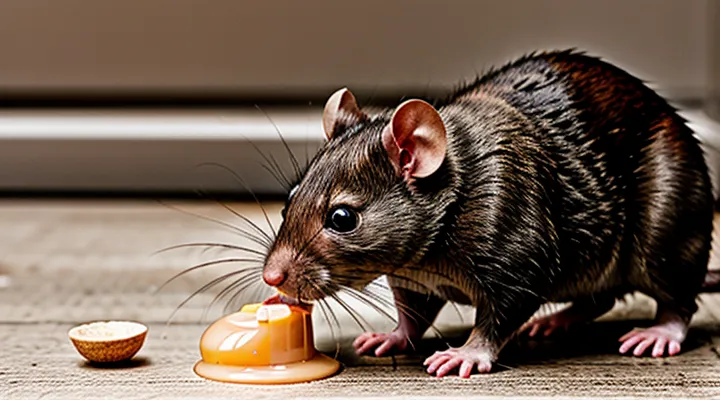
Understanding Rat Dietary Needs
Essential Nutrients for Rats
Rats need a balanced diet that supplies protein, fat, carbohydrates, vitamins, and minerals in specific proportions. Protein should represent 14–16 % of total calories; sources include cooked egg, lean meat, or high‑quality rodent pellets. Fat provides 5–7 % of calories; essential fatty acids are found in small amounts of vegetable oil or fish oil. Carbohydrates supply the remaining energy, typically from grains, fruits, and vegetables.
Vitamins required for normal growth and maintenance include A, D, E, K, and the B‑complex group. Vitamin A supports vision and immune function; D regulates calcium metabolism; E acts as an antioxidant; K is needed for blood clotting; B‑vitamins facilitate energy conversion. Deficiencies often appear as skin lesions, poor coat condition, or reduced activity.
Mineral needs are precise. Calcium and phosphorus must be balanced at roughly a 1:1 ratio to prevent skeletal problems. Magnesium, potassium, and sodium support nerve and muscle activity. Trace elements such as iron, zinc, copper, and selenium are vital for enzyme function and immune health. Excess or deficiency of any mineral can lead to metabolic disorders.
Baby food formulations vary widely. Some pureed fruits and vegetables lack protein and essential fatty acids, while others contain added sugars or preservatives unsuitable for rodents. Commercial baby foods that are unsweetened, low‑salt, and free of artificial additives may meet carbohydrate and vitamin requirements but typically fall short on protein, fat, and mineral balance.
When considering baby food as a supplement, verify that it delivers at least the minimum percentages of protein and fat, contains no added sugars, and is free of ingredients toxic to rats (e.g., onion, garlic, chocolate). Pair any approved baby food with a high‑quality rodent pellet to maintain complete nutrition. Regular monitoring of body condition and health markers will indicate whether the supplemental diet meets the animal’s nutritional demands.
Foods to Avoid
Feeding infant‑type purées to pet rats requires careful selection of safe ingredients. Certain items commonly found in baby food are hazardous to rodents and should be excluded from their diet.
- Citrus juices and zest (lemon, orange, lime) – high acidity can cause digestive upset.
- Added sugars or honey – promote obesity and may lead to dental problems.
- Salt and soy sauce – excess sodium disrupts electrolyte balance.
- Artificial sweeteners, especially xylitol – toxic to many mammals, including rats.
- Spices such as garlic, onion, or chili powder – can cause hemolytic anemia.
- Dairy products (milk, cheese, yogurt) – rats lack lactase, resulting in diarrhea.
- Nut butters and whole nuts – high fat content and risk of choking.
- Fruit skins and seeds (apple, peach, plum) – contain cyanogenic compounds or fibrous material difficult to digest.
- Processed meats and cured foods – contain preservatives and high sodium levels.
Avoiding these ingredients reduces the risk of gastrointestinal distress, metabolic disorders, and acute toxicity. A rat’s diet should focus on plain, unsweetened vegetable or fruit purées, supplemented with appropriate rodent chow to meet nutritional requirements.
Baby Food and Rats: The Details
When Baby Food Can Be Beneficial
Specific Situations for Supplementation
Baby‑food products can serve as a supplemental source of nutrients for rats under particular conditions. The practice is appropriate when the animal’s regular diet does not meet its nutritional needs or when specific health issues limit normal intake.
- Juvenile rats transitioning from mother’s milk to solid food; a smooth, iron‑fortified puree helps ease the change.
- Adults recovering from illness, surgery, or gastrointestinal upset; easily digestible, low‑fiber baby cereal provides energy without taxing the gut.
- Rats with dental problems such as overgrown incisors; soft textures reduce chewing effort and prevent further injury.
- Individuals displaying severe selective feeding; a flavored, nutrient‑dense puree can introduce missing vitamins and minerals.
- Pregnant or lactating females with heightened caloric demands; fortified baby oatmeal supplies additional carbohydrates and calcium.
When employing baby food, select varieties free of added sugars, excessive salt, artificial sweeteners, or preservatives. Verify that the ingredient list contains only simple, natural components such as pureed vegetables, fruit, or whole‑grain cereals. Avoid products with onion, garlic, or high‑fat dairy, as these can be toxic or cause digestive disturbances in rodents.
Introduce the supplement gradually, mixing a small portion with the regular feed and monitoring intake and stool consistency. Adjust the quantity based on body condition and veterinary guidance. Continuous reliance on baby food is not advisable; it should complement, not replace, a balanced rodent diet formulated for rats.
Recommended Types of Baby Food
Rats can safely consume certain commercially prepared infant foods when those products meet nutritional and safety criteria appropriate for small mammals.
Suitable options include:
- Pureed carrots, sweet potatoes, or pumpkin – low‑fiber, easily digestible vegetables without added salt.
- Mashed bananas, pears, or apples – fruit purees that are unsweetened and free of cinnamon or nutmeg.
- Plain, iron‑fortified infant cereals – finely milled, cooked to a thin consistency, providing essential minerals without added sugar.
- Soft, pureed chicken or turkey – cooked thoroughly, shredded, and blended to a smooth texture; avoids bones and seasoning.
- Unsweetened, plain yogurt – full‑fat, without fruit chunks or honey, offering probiotic benefits and calcium.
Avoid products containing honey, added sugars, salt, artificial sweeteners, or spices. Verify ingredient lists for hidden additives such as corn syrup, soy lecithin, or preservatives. Offer only small portions initially to assess tolerance, and discontinue any food that provokes gastrointestinal upset.
Potential Risks and Concerns
Ingredients to Scrutinize
Feeding commercially prepared infant meals to pet rodents requires careful assessment of the ingredient list. Certain components commonly found in baby food can pose health risks to rats, while others provide safe nutritional value.
Key ingredients to examine include:
- Added sugars – honey, corn syrup, fruit concentrates, and artificial sweeteners can disrupt glucose regulation and promote obesity.
- High‑salt additives – sodium benzoate, sea salt, and seasoned blends exceed the low‑sodium tolerance of rats and may lead to hypertension.
- Preservatives and stabilizers – sulfites, potassium sorbate, and carrageenan can irritate the digestive tract and trigger allergic reactions.
- Dairy products – whole milk, cheese, and yogurt contain lactose, which many rats cannot digest efficiently, resulting in diarrhea.
- Fruit pits and seeds – apple cores, cherry pits, and apricot kernels contain cyanogenic compounds that are toxic even in small quantities.
- Spices and flavor enhancers – garlic, onion powder, and MSG are known to cause hemolytic anemia in rodents.
- Fortified vitamins and minerals – excessive iron, vitamin D, and calcium levels, typical in fortified infant formulas, may cause organ stress when supplied beyond a rat’s dietary requirements.
Ingredients that generally pose no problem when offered in moderation include pureed vegetables (carrot, sweet potato, peas), plain meat purees without added seasonings, and unsweetened oatmeal. Any product lacking the listed risk factors can be considered for occasional supplementation, provided it aligns with the rat’s overall diet plan.
Overfeeding and Nutritional Imbalances
Feeding baby food to rats can lead to overconsumption because the smooth texture and mild flavor encourage rapid intake. Rats lack the satiety cues that limit human infants’ portions, so even small servings may exceed caloric needs.
Potential nutritional imbalances include:
- High sugar content that raises blood‑glucose levels and predisposes to obesity.
- Low protein concentration, insufficient for the species’ rapid growth and tissue repair.
- Inadequate essential fatty acids, compromising fur quality and immune function.
- Absence of specific micronutrients such as taurine and vitamin D, which are critical for rodent metabolism.
To mitigate risks, limit baby‑food servings to no more than a teaspoon per week, supplement with a balanced rodent pellet diet, and monitor body condition regularly. Adjust frequency if weight gain or lethargy becomes apparent.
Safe Practices for Feeding Baby Food
Preparation and Serving Guidelines
Feeding commercially prepared infant purees to pet rats can provide a source of easily digestible nutrients when used correctly. The practice requires strict attention to ingredient composition, preparation methods, and serving conditions to avoid health risks.
When selecting baby food, choose varieties that list single-ingredient fruits or vegetables without added sugars, salt, preservatives, or artificial flavorings. Verify that the product is free of dairy, honey, and citrus, which can cause gastrointestinal upset in rodents. For homemade purees, steam or boil fresh produce until soft, then blend to a smooth consistency. Avoid cooking with oil or butter; use only water or low‑sodium broth if additional liquid is needed.
Preparation guidelines
- Inspect labels for hidden additives such as maltodextrin, xanthan gum, or thickeners.
- Rinse canned products thoroughly to remove excess sodium.
- Blend or mash until no lumps remain; coarse texture may pose choking hazards.
- Cool the puree to room temperature before offering; hot food can burn delicate oral tissues.
- Store unused portions in airtight containers, refrigerate promptly, and discard after 48 hours to prevent bacterial growth.
Serving guidelines
- Offer a teaspoon-sized portion per rat, adjusting volume based on individual size and activity level.
- Present the puree on a clean, shallow dish to limit spillage.
- Provide the food once or twice daily, supplementing with a balanced rodent pellet diet.
- Monitor consumption; reduced intake may indicate intolerance or spoilage.
- Clean feeding dishes after each use to maintain hygiene.
Adhering to these protocols ensures that infant purees serve as a safe, occasional supplement rather than a primary food source for rats.
Monitoring Your Rat’s Health
Feeding infant formula or pureed foods to a rat requires regular health assessment to ensure the diet does not compromise wellbeing. Monitoring provides early detection of nutritional imbalance, digestive upset, or systemic illness.
Key health indicators to track:
- Body weight measured weekly; deviations of more than 5 % from baseline warrant investigation.
- Stool consistency and frequency; loose, watery, or blood‑tinged feces suggest intolerance.
- Coat condition; dull, ruffled, or hair loss may reflect nutrient deficiency.
- Activity level; reduced exploration or prolonged rest indicates discomfort.
- Respiratory sounds; wheezing or labored breathing can signal infection or allergic response.
Practical monitoring steps:
- Weigh the rat on a calibrated scale at consistent times, preferably before the first feeding of the day.
- Observe and record stool characteristics during each cage cleaning.
- Conduct a brief visual inspection of the coat and eyes during handling.
- Note behavior changes during daily interaction sessions.
- Schedule a veterinary examination at least once every three months, or sooner if abnormal signs appear.
If adverse signs emerge—diarrhea, vomiting, lethargy, or respiratory distress—immediately discontinue the baby‑food diet and revert to a standard rodent chow. Provide fresh water, monitor for improvement, and consult a veterinarian for diagnostic testing and treatment.
Maintain a health log that includes date, weight, dietary changes, observed symptoms, and veterinary notes. Consistent documentation supports informed decisions about continuing or adjusting the infant‑food regimen.