
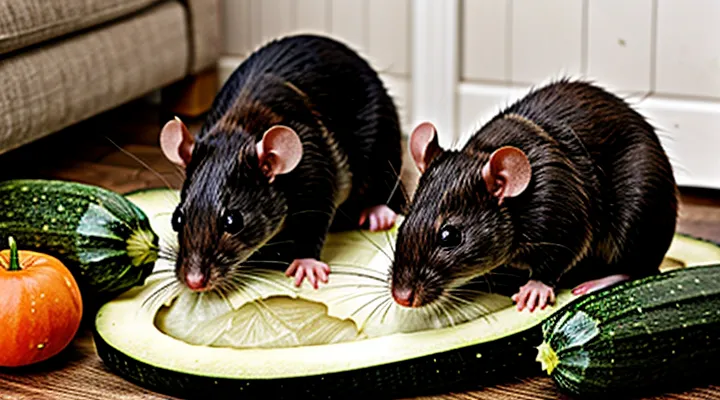
Nutritional Profile of Zucchini
Vitamins and Minerals
Zucchini provides a range of nutrients that can support the dietary needs of pet rats when offered in moderation. The vegetable is low in calories and high in water content, making it suitable for hydration and weight management.
Key vitamins present in zucchini include:
- Vitamin C, which contributes to immune function and tissue repair.
- Vitamin A (as β‑carotene), essential for vision and epithelial health.
- Vitamin K, involved in blood clotting processes.
- Small amounts of B‑complex vitamins, supporting metabolism.
Important minerals supplied by zucchini are:
- Potassium, aiding electrolyte balance and nerve transmission.
- Magnesium, participating in enzymatic reactions and muscle function.
- Manganese, required for antioxidant activity and bone formation.
- Trace calcium, contributing to skeletal integrity.
When incorporating zucchini into a rat’s diet, ensure the following:
- Serve fresh, washed pieces without skin blemishes.
- Limit portions to no more than 10 % of the total daily food intake.
- Avoid adding salt, seasoning, or cooking oils.
- Observe the animal for any digestive changes after introduction.
Properly balanced, zucchini can enrich a rat’s nutrition profile by delivering essential vitamins and minerals alongside other staple foods such as grains, protein sources, and fortified pellets.
Water Content
Zucchini consists of approximately 93–95 % water, a proportion that exceeds most leafy vegetables. This high moisture level reduces the caloric density of the vegetable, providing rats with a source of hydration alongside modest amounts of carbohydrates, fiber, and vitamins.
The water content influences digestion by softening stool, which can help prevent constipation in rodents. Excessive intake, however, may dilute dietary nutrients and increase the frequency of urination, potentially stressing the renal system if not balanced with dry feed.
Key considerations for offering zucchini to pet rats:
- Limit fresh portions to 1–2 cm³ per feeding, ensuring that dry pellets remain the primary energy source.
- Observe the animal for signs of loose feces or increased water consumption; adjust quantities accordingly.
- Store sliced zucchini in a sealed container in the refrigerator for no more than 24 hours to prevent bacterial growth that could compromise health.
- Wash the vegetable thoroughly to remove pesticide residues that might be more soluble in the high water matrix.
Incorporating zucchini in moderation leverages its water-rich composition while maintaining nutritional balance for laboratory or companion rats.
Fiber Content
Zucchini offers a modest amount of dietary fiber, making it a viable supplement in a rat’s diet. A typical serving of raw zucchini (100 g) provides approximately 1 g of total fiber, composed of about 0.5 g soluble fiber and 0.5 g insoluble fiber. The low caloric density and high water content accompany this fiber contribution.
Fiber functions in rodent nutrition by increasing stool bulk, promoting regular gastrointestinal transit, and supplying fermentable substrates for colonic microbiota. Soluble fiber forms a viscous gel that can moderate glucose absorption, while insoluble fiber adds structural mass that aids peristalsis. Both types support a balanced gut environment, reducing the risk of constipation and supporting microbial diversity.
When incorporating zucchini, consider the following guidelines:
- Limit zucchini to no more than 10 % of the total fresh‑food portion to avoid excessive moisture intake.
- Combine with other fiber‑rich foods (e.g., leafy greens, carrots, whole‑grain pellets) to achieve the recommended daily fiber intake of 3–5 g for an adult rat.
- Observe stool consistency; adjustments are necessary if feces become overly soft or hard.
Regular monitoring ensures that the added fiber from zucchini contributes positively to digestive health without displacing essential nutrients from the primary diet.
Benefits of Zucchini for Rats
Hydration
Zucchini contains approximately 95 % water, making it one of the most moisture‑rich vegetables suitable for rodent diets. When introduced as a supplemental food, the vegetable supplies a measurable portion of daily fluid requirements, reducing the reliance on standing water alone.
The high water content supports normal renal function and prevents dehydration, provided that overall intake does not exceed the animal’s capacity to process excess moisture. Excessive consumption may dilute electrolytes, leading to mild hyponatremia; therefore, the total volume of liquid from both food and water must be balanced.
Practical guidelines for incorporating zucchini into a rat’s diet:
- Offer raw, washed slices no larger than 1 cm thick.
- Limit portions to 10–15 % of total daily caloric intake, equivalent to 2–3 g per 100 g of body weight.
- Maintain a fresh water source at all times; monitor consumption to ensure it remains within normal ranges (approximately 5–10 ml per 100 g body weight per day).
- Observe stool consistency and activity levels for signs of over‑hydration or digestive upset.
Adhering to these parameters ensures that the vegetable contributes positively to hydration without compromising nutritional balance.
Digestive Health
Zucchini, when introduced into a rat’s diet, offers fiber that supports intestinal motility and promotes a balanced gut microbiome. The vegetable’s high water content aids in stool formation, reducing the risk of constipation.
Key digestive advantages include:
- Soluble fiber that softens feces and facilitates passage.
- Low‑fat composition that prevents excess lipid load on the gastrointestinal tract.
- Presence of antioxidants such as vitamin C, which can mitigate oxidative stress in the lining of the intestine.
Potential concerns arise from excessive fiber, which may cause bloating or diarrhea if the rat consumes large portions. Raw zucchini should be washed thoroughly to remove pesticide residues; cooking is unnecessary but may be applied to soften texture for older or dental‑compromised individuals. Seeds and the skin are safe in moderation, yet removal of the stem is advisable to avoid choking hazards.
Feeding recommendations:
- Offer small, bite‑size pieces, approximately ½ inch in length.
- Limit intake to no more than 10 % of the total daily food volume.
- Monitor stool consistency after introduction; adjust portion size if loose stools appear.
- Rotate with other vegetables to provide a varied nutrient profile and prevent monotony.
Consistent, measured inclusion of zucchini contributes positively to rat digestive health when combined with a balanced commercial diet and fresh water supply.
Weight Management
Zucchini offers a low‑calorie option for rodent diets, containing roughly 17 kcal per 100 g and a high water content that contributes to satiety without adding significant energy. Incorporating small amounts can assist in maintaining a healthy body weight, especially for pet rats prone to excess weight gain.
Key considerations for weight management when introducing this vegetable:
- Serve raw or lightly steamed pieces no larger than 1 cm³ to limit calorie intake.
- Limit frequency to two to three servings per week; larger or more frequent portions may offset the low‑calorie benefit.
- Balance zucchini with a nutritionally complete pellet base that supplies essential proteins, fats, and vitamins.
- Monitor body condition scores weekly; adjust portion size if weight loss or gain becomes evident.
- Ensure fresh water is always available, as the high water content of zucchini can reduce overall fluid consumption.
Overreliance on any single food, even one as low in calories as zucchini, can create nutritional imbalances. A varied diet, combined with controlled portion sizes, supports optimal weight regulation while providing the beneficial fiber and micronutrients found in the vegetable.
Potential Risks and Concerns
Oxalates
Oxalates are organic acids found in many vegetables, including zucchini. In rodents, high oxalate intake can lead to the formation of calcium oxalate crystals, which may accumulate in the kidneys and urinary tract. Excessive accumulation interferes with normal renal function and can cause discomfort or disease.
Zucchini typically contains low to moderate levels of oxalates, measured in milligrams per 100 g of fresh weight. Values range from approximately 20 mg to 40 mg, depending on cultivar and growing conditions. For a typical laboratory rat weighing 250 g, a daily intake of 1 g of raw zucchini contributes roughly 0.2 mg to 0.4 mg of oxalates, well below the threshold associated with crystal formation.
Guidelines for safe feeding include:
- Limit zucchini portion to no more than 5 % of total daily food mass.
- Offer zucchini cooked (steamed or boiled) to reduce soluble oxalate concentration by up to 30 %.
- Rotate zucchini with other low‑oxalate vegetables to prevent cumulative buildup.
- Monitor urine for signs of crystalluria in long‑term feeding trials.
When these precautions are observed, the oxalate content of zucchini does not pose a significant health risk for rats, allowing the vegetable to serve as a source of moisture, fiber, and vitamins within a balanced diet.
Pesticide Residues
Pesticide residues on zucchini represent the primary health consideration when offering the vegetable to laboratory or domestic rodents. Residues arise from conventional farming practices and persist after harvest, potentially affecting rodent metabolism, organ function, and experimental outcomes.
Key aspects of residue assessment include:
- Residue type – organophosphates, carbamates, pyrethroids, and neonicotinoids commonly applied to cucurbit crops.
- Regulatory limits – maximum residue limits (MRLs) established by food safety agencies, expressed in milligrams per kilogram of fresh weight.
- Analytical methods – gas chromatography–mass spectrometry (GC‑MS) and liquid chromatography–tandem mass spectrometry (LC‑MS/MS) provide quantification down to parts‑per‑billion levels.
- Toxicological thresholds – no‑observed‑effect levels (NOELs) for rodents vary by compound; exposure exceeding NOELs may induce cholinesterase inhibition, neurobehavioral changes, or hepatic stress.
Mitigation strategies:
- Source zucchini from certified organic producers to minimize synthetic pesticide exposure.
- Rinse and peel produce thoroughly; peeling removes a substantial proportion of surface residues.
- Conduct periodic residue testing on bulk supplies to verify compliance with MRLs.
When residue concentrations remain below established NOELs, zucchini can be incorporated into rodent diets without compromising health or research validity. Exceeding these thresholds necessitates alternative feed sources or additional decontamination procedures.
Digestive Upset
Zucchini presents a low‑calorie, high‑water food that many rodent owners consider as a supplement to a standard pellet diet. The vegetable’s fiber content can be beneficial, yet excessive inclusion may provoke gastrointestinal disturbance in rats.
Signs of digestive upset include:
- Soft or watery stools
- Reduced fecal output
- Abdominal swelling
- Decreased appetite
The primary cause is rapid fermentation of undigested plant material, which can alter gut microflora and increase gas production. Additionally, zucchini contains trace amounts of cucurbitacin, a compound that may irritate the intestinal lining when consumed in large quantities.
To minimize risk, follow these guidelines:
- Introduce zucchini gradually, starting with a single teaspoon of finely diced pieces.
- Limit portions to no more than 5 % of the total daily diet by weight.
- Observe stool consistency for 24–48 hours after each new serving.
- Remove any uneaten pieces within two hours to prevent spoilage and bacterial growth.
If persistent diarrhea or signs of discomfort appear, discontinue zucchini and consult a veterinarian experienced with small mammals. Proper moderation ensures rats can benefit from the vegetable’s nutrients without compromising digestive health.
How to Safely Feed Zucchini to Rats
Preparation Guidelines
Zucchini can be a safe, low‑calorie supplement for pet rodents when prepared correctly.
Before offering, wash the vegetable thoroughly under running water to remove pesticide residues and soil particles. Use a brush if the skin is thick; for small pieces, a rinse suffices.
Trim the ends and discard any bruised or soft sections. Cut the flesh into bite‑size cubes or thin strips, approximately ½ cm thick, to prevent choking and to facilitate digestion.
Cooked zucchini is optional but recommended for increased palatability and reduced fiber content. Steam or blanch for 2–3 minutes until just tender; avoid boiling, which may leach nutrients. Cool the pieces to room temperature before serving.
Store fresh, uncooked portions in a sealed container in the refrigerator for no more than 24 hours. Discard any leftovers that develop an off‑odor or slimy texture.
Introduce zucchini gradually, starting with a single piece, and observe the animal for signs of gastrointestinal upset. Adjust portion size to a maximum of 10 % of the daily diet, measured by weight.
Follow these steps to ensure the vegetable contributes nutritional value without compromising health.
Portion Sizes
Zucchini can be incorporated into a rat’s diet as a low‑calorie vegetable, but the amount offered must be carefully measured to avoid digestive upset and excess carbohydrate intake.
A typical adult rat weighing 250–300 g can safely receive ½ to 1 cm³ of raw zucchini per day. The vegetable should be cut into bite‑size cubes no larger than 0.5 cm on each side. Feeding frequency should not exceed three times weekly; more frequent servings increase the risk of soft stool.
- 150 g rat: ½ cm³ (≈5 g) per serving, up to three servings per week.
- 250 g rat: 1 cm³ (≈10 g) per serving, up to three servings per week.
- 350 g rat: 1½ cm³ (≈15 g) per serving, up to three servings per week.
All zucchini pieces must be rinsed thoroughly, skins left intact, and seeds removed. Observe the animal for changes in fecal consistency after the first exposure; any signs of diarrhea warrant immediate reduction or cessation of the vegetable.
Portion size should be adjusted if the rat’s body condition changes. A lean individual may tolerate a slightly larger serving, whereas an overweight rat requires the lower end of the recommended range. Regular monitoring of weight and overall health ensures the vegetable remains a beneficial supplement rather than a source of nutritional imbalance.
Frequency of Feeding
Rats can safely include zucchini in their diet, but the feeding schedule must reflect the vegetable’s high water content and low caloric density. Over‑feeding can dilute essential nutrients and encourage digestive upset.
Guidelines for feeding frequency:
- Offer zucchini no more than two to three times per week.
- Limit each serving to a small bite‑sized piece, roughly 5–10 % of the rat’s total daily intake.
- Provide fresh, washed zucchini; discard any wilted or spoiled portions.
- Observe the animal for changes in stool consistency or appetite after each serving; adjust frequency if signs of diarrhea or reduced interest appear.
Young rats and those recovering from illness may require stricter limits, while healthy adults can tolerate the recommended schedule without adverse effects. Consistent monitoring ensures that zucchini contributes variety without compromising nutritional balance.
Alternative Safe Vegetables for Rats
Leafy Greens
Rats thrive on a varied diet that includes vegetables, and zucchini often features as a low‑calorie option. Adding leafy greens enhances nutritional balance, supplying vitamins A, C, K and essential minerals such as calcium and iron.
Leafy greens contribute dietary fiber, supporting digestive health and preventing constipation. Their high water content aids hydration, especially when fresh zucchini is offered.
Safety considerations dictate selection of non‑toxic varieties. Recommended options include:
- «kale» – rich in calcium, moderate oxalate level
- «spinach» – high in iron, limited to small portions due to oxalates
- «romaine lettuce» – low in calories, minimal toxins
- «collard greens» – ample vitamin K, low in nitrate
Avoid greens known to contain harmful compounds, such as «chard» (high oxalates) and «mustard greens» (potential irritants).
When combining leafy greens with zucchini, maintain a ratio that prevents excessive calcium or oxalate intake. A typical serving schedule offers one tablespoon of chopped greens per 100 g of zucchini, adjusted for the individual rat’s size and activity level.
Regular observation of weight, coat condition, and stool consistency confirms dietary adequacy. Adjust portions promptly if any adverse signs appear.
Root Vegetables
Root vegetables represent a major source of carbohydrates, dietary fiber, and micronutrients for laboratory and pet rodents. Their dense texture requires thorough chewing, which promotes dental health and stimulates gastrointestinal motility.
Nutritional comparison with cucumber‑like squash reveals distinct profiles.
- Carbohydrate density: root vegetables typically contain 5–10 g of sugars per 100 g, whereas zucchini provides approximately 3 g.
- Fiber content: carrots, beets and turnips supply 2–3 g of insoluble fiber per 100 g, supporting bulk formation; zucchini contributes less than 1 g.
- Vitamin spectrum: orange and purple root crops deliver high levels of β‑carotene and vitamin C, while zucchini offers modest amounts of vitamin K and folate.
Suitability for rats hinges on moderation and preparation. Raw or lightly steamed root pieces avoid nutrient loss while reducing antinutrient concentrations. Excessive intake may cause gastrointestinal upset due to high starch load. Balanced inclusion alongside occasional zucchini servings ensures dietary variety without overloading carbohydrate intake.
Practical guidelines for integrating root vegetables:
- Offer ½ – 1 cm cubes no larger than the animal’s paw.
- Rotate varieties weekly to prevent nutrient imbalances.
- Monitor stool consistency; adjust portion size if softness occurs.
When combined with limited zucchini portions, root vegetables contribute essential energy, fiber, and vitamins, supporting overall health and encouraging natural foraging behavior.
Other Squash Varieties
Rats readily accept many members of the Cucurbitaceae family beyond zucchini. Nutrient profiles of these vegetables provide vitamins A and C, potassium, and fiber, which support normal growth and digestive health when offered in moderation.
Commonly safe options include:
- Yellow summer squash – soft flesh, low sugar; serve raw or lightly steamed, remove seeds.
- Pattypan squash – mild flavor; offer raw slices, discard mature seeds.
- Crookneck squash – similar to zucchini; provide raw or cooked pieces, limit to small portions.
- Butternut squash – winter variety, high beta‑carotene; steam until tender, avoid raw fibrous skin.
- Acorn squash – modest sweetness; bake or steam, remove seeds and skin if tough.
- Spaghetti squash – low calorie; cook, scrape strands, ensure no hard seed remnants.
Preparation guidelines:
- Wash thoroughly to eliminate pesticide residues.
- Trim ends, peel thick skins that rats may find difficult to chew.
- Cut into bite‑size pieces, approximately one‑quarter inch thick.
- Introduce gradually, observe for signs of digestive upset such as loose stools.
Potential concerns:
- Excessive fiber may cause diarrhea; limit total squash intake to no more than 10 % of the daily diet.
- Seeds contain small amounts of cucurbitacin, which can be toxic in large quantities; always discard seeds.
- Over‑cooking reduces vitamin content; brief steaming preserves nutrients while softening texture.
Incorporating a variety of squash types diversifies the diet, reduces monotony, and supplies a broad spectrum of micronutrients essential for healthy rodents.