
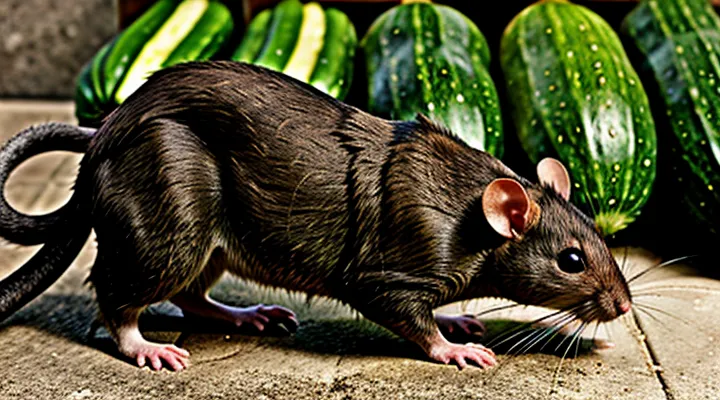
Zucchini for Rats: A Nutritional Overview
Nutritional Profile of Zucchini
Zucchini (Cucurbita pepo) offers a low‑calorie, high‑water composition suited for small omnivores. One cup (approximately 124 g) of raw zucchini provides:
- Energy: 19 kcal
- Moisture: 94 % of weight
- Protein: 1.5 g
- Fat: 0.3 g (predominantly polyunsaturated)
- Carbohydrates: 3.4 g
- Dietary fiber: 1.0 g
- Sugars: 2.5 g
- Vitamin C: 22 mg (≈ 24 % of daily reference intake)
- Vitamin A (β‑carotene): 392 µg (≈ 44 % RDI)
- Vitamin K: 5 µg (≈ 6 % RDI)
- Folate: 24 µg (≈ 6 % RDI)
- Potassium: 261 mg (≈ 7 % RDI)
- Magnesium: 18 mg (≈ 4 % RDI)
Additional phytochemicals include lutein, zeaxanthin, and phenolic compounds with antioxidant activity. The fiber content supports gastrointestinal motility, while the modest protein and essential minerals contribute to overall nutrient balance. The negligible fat and sugar levels minimize metabolic stress, making raw zucchini a safe, supplemental vegetable for rodent diets when introduced gradually.
Potential Benefits for Rats
Raw zucchini offers a nutrient‑dense option for laboratory and pet rats seeking variety in their diet. The vegetable supplies water, low‑calorie carbohydrates, and a range of micronutrients that complement standard rodent chow.
- High water content supports hydration, especially in dry environments.
- Vitamin C and beta‑carotene contribute to immune function and visual health.
- Dietary fiber promotes intestinal motility and helps maintain a balanced gut microbiome.
- Antioxidants such as lutein reduce oxidative stress at the cellular level.
- Minimal caloric density aids in weight control for rats prone to obesity.
- Low potassium levels make zucchini suitable for individuals with renal concerns.
Incorporating modest portions of uncooked zucchini can enhance overall nutritional balance without displacing essential protein or fat sources. Regular monitoring of intake ensures the vegetable remains a supplemental, not primary, food item.
Feeding Raw Zucchini to Rats
Is Raw Zucchini Safe for Rats?
Concerns Regarding Oxalates
Raw zucchini contains oxalates, compounds that can bind calcium and form insoluble crystals. In rodents, excessive oxalate intake may precipitate in the urinary tract, leading to kidney stones or renal irritation. The concentration of oxalates in fresh zucchini is modest, but cumulative exposure from daily feeding can become problematic, especially if the diet lacks sufficient calcium to offset binding.
Key considerations for offering uncooked zucchini to pet rats:
- Limit portion size to no more than 10 g per 100 g of body weight per day.
- Provide a calcium‑rich supplement (e.g., calcium carbonate or bone meal) alongside the vegetable to reduce oxalate absorption.
- Monitor urine for signs of crystallization, such as cloudiness or the presence of tiny particles.
- Rotate zucchini with low‑oxalate greens (e.g., lettuce, kale) to prevent steady accumulation.
When these precautions are observed, raw zucchini can be incorporated safely into a rat’s diet without exposing the animal to oxalate‑related health risks.
Pesticide Residues and Washing
Raw zucchini intended for rodent consumption may contain pesticide residues from conventional farming practices. These chemicals can be toxic to rats, causing gastrointestinal irritation, neurological effects, or chronic organ damage, even at low exposure levels. Assessing residue risk requires knowledge of the specific pesticides used, their maximum residue limits (MRLs), and the sensitivity of the animal species.
Effective reduction of surface contaminants relies on thorough washing. Recommended procedure:
- Rinse under running water for at least 30 seconds, using a gentle stream to dislodge particles.
- Apply a food‑grade brush or clean cloth to scrub the skin, focusing on crevices.
- Soak in a solution of 1 % white vinegar or 0.5 % hydrogen peroxide for 5 minutes; both agents neutralize many pesticide residues.
- Rinse again with fresh water to remove any remaining solution.
- Pat dry with a clean towel or allow to air‑dry before offering to the rat.
If possible, select organic zucchini, which is cultivated without synthetic pesticides, thereby minimizing the need for extensive decontamination.
Recommended Preparation for Zucchini
Washing and Peeling
When offering fresh zucchini to pet rats, proper cleaning is essential to prevent the introduction of pesticides, soil microbes, or debris that could harm the animal’s digestive system.
First, rinse the vegetable under cool running water. Use a soft brush to dislodge particles adhering to the skin. Rinsing for at least 30 seconds removes the majority of surface contaminants.
Second, consider peeling. The outer layer contains higher concentrations of bitter compounds and may retain residues despite washing. Peeling reduces the risk of ingesting unwanted substances, but it also removes fiber and nutrients found in the skin. Decide based on the source of the zucchini:
- Commercially grown, conventionally sprayed: peel after washing.
- Organic, unsprayed, and thoroughly washed: skin may be left intact.
After peeling, slice the zucchini into bite‑size pieces no larger than ½ inch. Small portions limit the chance of choking and allow the rat to sample the texture gradually.
Finally, present the prepared pieces on a clean dish and discard any leftovers within a few hours to avoid bacterial growth.
Portion Sizes
Raw zucchini can be offered to pet rats as a low‑calorie vegetable supplement. Its high water content and modest fiber level make it suitable for occasional inclusion, provided the amount aligns with the animal’s overall diet.
Recommended portion sizes depend on the rat’s body weight and feeding schedule:
- Rats up to 150 g: ½–1 cm slice (approximately 2–3 g) once or twice weekly.
- Rats 150–250 g: 1–2 cm slice (3–5 g) up to three times per week.
- Rats over 250 g: 2–3 cm slice (5–7 g) no more than three times weekly.
These quantities represent the maximum safe contribution of raw zucchini to a balanced regimen. Excessive intake can displace essential protein and fat sources, leading to nutrient imbalances.
When introducing zucchini, observe the rat’s stool consistency and body condition. If soft stools or weight loss appear, reduce or discontinue the vegetable. Always wash the zucchini thoroughly and serve it without seasoning or additives.
How to Introduce Zucchini to Your Rat's Diet
Introducing zucchini into a rat’s diet requires careful preparation and observation. Begin with a thorough wash to remove pesticide residues and soil. Cut the vegetable into small, bite‑size pieces no larger than a pea to prevent choking. Offer a modest portion—approximately one teaspoon for a single adult rat—mixed with the regular pellet or seed mix. Observe the animal for the first 24 hours; note any changes in stool consistency, appetite, or behavior.
If the rat accepts the zucchini without adverse signs, gradually increase the amount by ¼ teaspoon every two days, never exceeding 2 teaspoons per week. Maintain a balanced diet by keeping the vegetable as a supplement, not a staple, and ensure fresh water is always available.
Key considerations:
- Freshness: Use firm, bright green zucchini; discard any that are soft, yellowed, or have blemishes.
- Preparation: Serve raw; cooking removes enzymes that aid digestion.
- Frequency: Limit to 2–3 servings per week to avoid excess moisture and potential digestive upset.
- Monitoring: Record any signs of diarrhea, weight loss, or reduced activity; discontinue if problems arise.
Regularly rotate additional safe vegetables to provide nutritional variety while keeping the overall diet primarily composed of high‑quality rat pellets. This method ensures that zucchini is introduced safely and contributes to a well‑balanced feeding regimen.
Signs of Digestive Upset
Feeding rats raw zucchini introduces a high‑water, low‑fiber food that can challenge their digestive system. Observe the animal closely after introducing this vegetable to detect any adverse reactions.
- Soft, unformed stools or diarrhea
- Presence of mucus or blood in feces
- Reduced food intake or refusal of the new item
- Frequent licking of the anal region
Additional indicators include lethargy, hunched posture, and noticeable weight loss within a few days. Sudden changes in grooming behavior or increased vocalization may also signal discomfort.
If any of these signs appear, discontinue the zucchini immediately and revert to the established diet. Provide fresh water, monitor weight, and consider a brief period of bland, easily digestible foods such as cooked plain rice or a small amount of boiled chicken. Persistent symptoms warrant veterinary evaluation to rule out underlying gastrointestinal issues.
Alternative Safe Vegetables for Rats
Leafy Greens
Leafy greens provide essential vitamins, minerals, and fiber for pet rats. Common options include kale, romaine lettuce, spinach, and arugula. Each variety contributes a different nutrient profile; kale supplies high levels of vitamin K, while spinach offers iron and calcium.
When introducing greens, offer small, bite‑size pieces. Observe the rat for signs of digestive upset within 24 hours. If stool remains normal, increase the portion gradually to a maximum of one tablespoon per day for an adult rat.
Potential concerns:
- Oxalates in spinach can contribute to kidney stones; limit to occasional servings.
- High water content in lettuce may cause loose stool; balance with drier greens.
- Pesticide residues pose health risks; wash thoroughly or select organic produce.
Raw zucchini fits within a varied diet, but leafy greens should accompany it to ensure a balanced intake of micronutrients. Regular rotation of different greens prevents nutrient excess and maintains interest in the diet.
Root Vegetables
Root vegetables such as carrots, sweet potatoes, and beets supply rats with essential fiber, vitamins, and minerals. When considering raw zucchini as part of a rodent diet, compare its nutritional profile with common root crops to maintain balance. Zucchini offers moisture and moderate carbohydrate content, but lacks the dense beta‑carotene found in carrots or the potassium of sweet potatoes.
Incorporating root vegetables alongside raw zucchini can prevent nutrient deficiencies. Recommended practice includes:
- Offer a variety of raw root vegetables, rotating weekly to provide diverse micronutrients.
- Limit each serving to 1–2 teaspoons per 100 g of body weight to avoid digestive upset.
- Wash thoroughly to remove soil and pesticide residues before serving.
- Observe individual tolerance; discontinue any root that causes loose stools or reduced appetite.
Overall, a balanced diet for rats blends leafy greens, fruits, and root vegetables with occasional raw zucchini, ensuring adequate fiber, vitamins, and hydration without overreliance on any single food source.
Other Safe Options
Raw zucchini is often presented as a safe vegetable for pet rats, yet owners frequently require additional choices to diversify diets. A balanced rat diet includes a variety of fresh produce, protein sources, and limited grains. The following items meet safety standards and provide essential nutrients.
- Leafy greens: kale, romaine lettuce, spinach (offered in small amounts to avoid oxalates)
- Root vegetables: carrots, sweet potatoes, beet greens (cooked or raw, peeled)
- Cruciferous vegetables: broccoli florets, cauliflower, Brussels sprouts (moderate portions)
- Fruit: apple slices (core removed), blueberries, strawberries, pear (seedless)
- Protein: cooked chicken, boiled egg, mealworms, plain tofu (unsalted, unseasoned)
- Whole grains: cooked quinoa, oatmeal, brown rice (small servings)
All foods should be washed thoroughly, free from pesticides, and introduced gradually to monitor tolerance. Fresh water must be available at all times. Avoid citrus, onion, garlic, and processed snacks, as they can cause digestive upset or toxicity. Regularly rotate items to prevent nutritional deficiencies and maintain interest.