
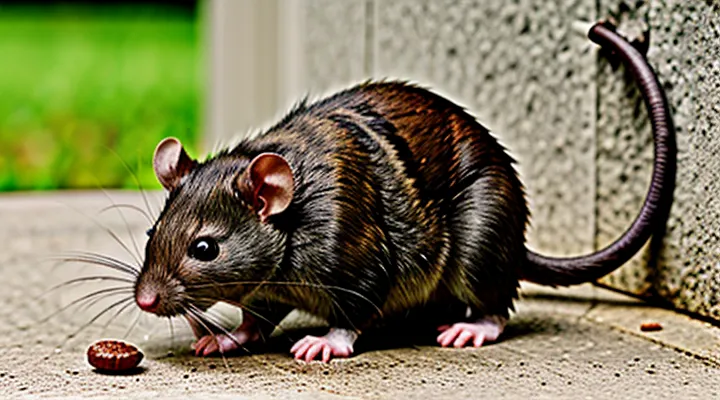
The Nutritional Content of Raisins
Vitamins and Minerals
Raisins contain a range of micronutrients that affect rodent health. The primary vitamins present are vitamin C, several B‑complex vitamins (thiamine, riboflavin, niacin, and pyridoxine), and small amounts of vitamin K. Vitamin C serves as an antioxidant, protecting cellular structures from oxidative damage. B‑vitamins participate in energy metabolism, supporting the conversion of carbohydrates, fats, and proteins into usable energy for the animal.
Mineral content in raisins includes potassium, calcium, magnesium, iron, and trace amounts of zinc and copper. Potassium contributes to electrolyte balance and nerve impulse transmission. Calcium and magnesium are essential for bone development and muscle function. Iron is required for hemoglobin synthesis, while zinc and copper act as cofactors for enzymatic reactions.
When considering raisins as a dietary supplement for rats, evaluate the following factors:
- Nutrient density – raisins provide modest levels of the listed vitamins and minerals; they do not meet the full daily requirements of a laboratory‑bred rat.
- Sugar concentration – high natural sugars increase caloric intake and may lead to weight gain or metabolic disturbances if offered in excess.
- Fiber content – soluble fiber aids gastrointestinal motility but can cause diarrhea when introduced abruptly.
- Potential contaminants – pesticide residues or mycotoxins may be present on dried fruit; thorough washing and sourcing from reputable suppliers reduce risk.
In practice, raisins can be offered sparingly as an occasional treat to supplement micronutrient intake, provided the overall diet remains balanced with a formulated rodent chow that supplies the majority of essential vitamins and minerals. Regular monitoring of body condition and blood parameters is advisable to detect any deficiencies or excesses arising from supplemental feeding.
Sugar and Calorie Density
Raisins contain high concentrations of simple sugars, primarily glucose and fructose. A typical serving of dried grapes delivers approximately 15 g of sugar per 30 g portion, representing roughly 50 % of the product’s weight. This sugar load translates into a calorie density of about 300 kcal per 100 g, far exceeding that of many standard rodent chow items, which average 300–350 kcal per kilogram.
The rapid absorption of fructose can overwhelm a rat’s hepatic metabolism, leading to elevated triglyceride synthesis and potential fatty liver development. Excessive caloric intake from sugary treats also predisposes rodents to obesity, insulin resistance, and impaired glucose tolerance. Because rats regulate their food intake based on energy density, a small amount of raisins may satisfy their appetite while delivering a disproportionate caloric surplus.
When incorporating dried fruit into a laboratory or pet rat’s diet, consider the following limits:
- No more than 1 g of raisins per 100 g of body weight per week.
- Monitor body weight weekly; adjust or discontinue if a gain of >5 % occurs within two weeks.
- Provide a balanced diet that supplies essential nutrients absent in raisins, such as protein, fiber, and vitamins.
In summary, the sugar and calorie density of raisins present significant metabolic risks for rats. Controlled, minimal exposure may be permissible for short‑term enrichment, but regular feeding is contraindicated without rigorous monitoring.
Potential Risks of Feeding Raisins to Rats
High Sugar Content and Diabetes
Raisins contain approximately 65 % carbohydrate, most of which is simple sugars such as glucose and fructose. When a rat consumes a small portion, blood glucose rises rapidly; the animal’s pancreas must secrete insulin to restore normoglycemia. Frequent spikes can overload pancreatic β‑cells, leading to impaired insulin secretion and the development of diet‑induced diabetes.
Experimental studies on laboratory rats demonstrate a direct correlation between high‑sugar diets and increased fasting glucose, elevated glycated hemoglobin, and reduced glucose tolerance. These physiological markers mirror the early stages of type 2 diabetes in humans, confirming that excessive sucrose or fructose intake is a recognized risk factor for metabolic disease in rodents.
Guidelines for feeding rodents recommend limiting sugary treats to negligible amounts or excluding them entirely. When raisins are offered, the following precautions reduce diabetes risk:
- Serve no more than a single raisin per week for a standard adult rat.
- Monitor body weight and blood glucose regularly.
- Provide a balanced diet rich in fiber, protein, and complex carbohydrates to counteract sugar absorption.
In summary, the high sugar concentration of raisins poses a measurable threat to rat metabolic health. Regular consumption can precipitate hyperglycemia and accelerate the onset of diabetes, making raisins unsuitable as a routine dietary component for pet or laboratory rats.
Dental Issues and Cavities
Rats possess continuously growing incisors that require regular wear from gnawing. Enamel on these teeth is thin; any prolonged exposure to acidic or sugary substances can accelerate wear and increase susceptibility to decay.
Raisins contain high concentrations of simple sugars and have a sticky consistency that adheres to dental surfaces. When rats consume raisins, sugar residues remain on the incisors and molars, providing a substrate for oral bacteria. Bacterial metabolism converts sugars into acids that demineralize enamel, creating micro‑fractures that can develop into cavities.
Key dental risks associated with raisin consumption include:
- Plaque accumulation due to stickiness
- Acid‑induced enamel erosion
- Formation of pits and cavities in incisors and molars
- Accelerated tooth wear leading to malocclusion
To mitigate these risks, limit or exclude raisins from a rat’s diet, regularly inspect teeth for signs of wear or decay, and supply appropriate chew items such as untreated wood or mineral blocks to promote natural tooth grinding. Immediate veterinary assessment is warranted if visible cracks, discoloration, or difficulty chewing appear.
Choking Hazards
Raisins present a specific choking risk for pet rodents. Their small, smooth surface allows rapid ingestion, but the dried fruit can swell when exposed to saliva, increasing diameter after the rat has already begun to swallow. This expansion can obstruct the trachea or esophagus, leading to respiratory distress or fatal blockage.
Key factors contributing to the hazard include:
- Size variability – individual raisins may exceed a safe dimension for a rat’s oral cavity, especially when larger varieties are used.
- Texture hardness – the leathery exterior resists chewing, encouraging larger bites that are more difficult to dislodge.
- Swelling potential – moisture absorption can enlarge the fruit by up to 30 %, turning a passable piece into an impediment after ingestion.
- Lack of natural chewing cues – rats do not instinctively break down dried fruit as they do with fresh produce, increasing the chance of whole‑piece swallowing.
Risk mitigation strategies are straightforward. Offer only finely diced pieces no larger than 2 mm, monitor the animal during consumption, and remove any uneaten fragments promptly. Alternatively, substitute fresh grapes or other soft fruits that do not expand after chewing, thereby eliminating the primary choking mechanism associated with raisins.
Mycotoxin Contamination
Ochratoxin A
Raisins often contain Ochratoxin A, a mycotoxin produced by Aspergillus and Penicillium species. The compound is nephrotoxic, immunosuppressive, and carcinogenic in rodents. When evaluating the suitability of raisins as a dietary component for laboratory rats, the presence of Ochratoxin A must be quantified because even low concentrations can affect renal function and experimental outcomes.
Key considerations for rat consumption of raisins contaminated with Ochratoxin A:
- Typical contamination levels in commercially available raisins range from 0.5 µg/kg to 5 µg/kg, but spikes up to 20 µg/kg have been reported.
- The tolerable daily intake for rats is approximately 0.2 µg/kg body weight; exceeding this threshold can produce measurable histopathological changes in the kidney.
- Storage conditions (high humidity, warm temperatures) increase fungal growth and toxin accumulation, making batch testing essential before inclusion in feed.
- Analytical methods such as HPLC‑FLD or LC‑MS/MS provide detection limits below 0.1 µg/kg, enabling precise monitoring of toxin levels in raisin samples.
Because Ochratoxin A is stable during processing and persists through digestion, any raisin portion incorporated into a rat diet should be screened for the toxin. If detected levels approach or exceed the tolerable intake, raisins must be excluded to prevent confounding health effects and preserve the integrity of scientific studies.
Aflatoxins
Raisins can harbor aflatoxins, secondary metabolites produced by Aspergillus species that grow on improperly stored dried fruit. Aflatoxins are potent hepatotoxins and carcinogens; the most toxic form, aflatoxin B₁, induces liver damage at low concentrations. In rodents, exposure as low as 0.5 mg kg⁻¹ day⁻¹ can cause biochemical alterations, reduced growth, and increased mortality.
Key considerations for offering raisins to laboratory or pet rats:
- Contamination risk – Moisture, temperature, and fungal infection elevate aflatoxin levels. Commercially sourced raisins may contain detectable amounts, especially if imported from regions with lax storage standards.
- Toxic threshold – The No‑Observed‑Adverse‑Effect Level (NOAEL) for rats is approximately 0.2 mg kg⁻¹ day⁻¹. Exceeding this limit, even intermittently, compromises liver function.
- Detection methods – High‑performance liquid chromatography (HPLC) and enzyme‑linked immunosorbent assay (ELISA) provide quantitative measurement of aflatoxin concentrations in food samples.
- Mitigation strategies – Purchasing certified low‑aflatoxin raisins, storing them in cool, dry conditions, and conducting periodic testing reduce exposure risk.
If raisins are to be incorporated into a rat diet, ensure aflatoxin content remains below the NOAEL. Regular monitoring and sourcing from reputable suppliers are essential to prevent toxic outcomes.
Safer Alternatives for Rat Treats
Fresh Fruits and Vegetables
Berries
Rats often encounter dried fruit in laboratory and pet‑food settings, prompting owners to wonder if such treats are appropriate. While raisins present a high concentration of sugars and potential digestive issues, fresh berries offer a different nutritional profile that may suit rodent diets more safely.
Berries contain lower sugar density, abundant vitamins (C, K, folate) and antioxidants. Their water content reduces the risk of dehydration that can accompany dried fruit. However, the presence of seeds, acids, and occasional pesticide residues requires careful selection and preparation.
Guidelines for offering berries to rats
- Choose seed‑free varieties (e.g., blueberries, strawberries, raspberries).
- Wash thoroughly to remove contaminants.
- Offer only a small portion (no more than ¼ cup per week) to avoid gastrointestinal upset.
- Observe the animal for signs of diarrhea or allergic reaction; discontinue if symptoms appear.
- Store fresh berries in the refrigerator and discard any that become moldy.
Compared with raisins, berries present fewer calories per gram and a more balanced nutrient mix, making them a preferable occasional treat when introduced gradually. Nonetheless, they should complement, not replace, a diet based on high‑quality rodent pellets, fresh vegetables, and occasional protein sources.
Leafy Greens
Leafy vegetables provide essential nutrients that complement a rat’s diet when assessing the suitability of sweet dried fruit. They supply water, fiber, vitamins A, C, K and minerals such as calcium and magnesium, which help maintain coat condition, eye health and bone strength.
Certain greens contain compounds that may cause problems if fed in excess. Spinach, beet greens and Swiss chard are rich in oxalates, which can contribute to urinary stone formation. All greens should be free of pesticides and free from wilting or mold before offering them to a pet rodent.
Recommended varieties include:
- Romaine lettuce – low in oxalates, high in vitamin A.
- Kale – source of vitamin K and calcium, feed in limited amounts.
- Arugula – mild flavor, good source of folate.
- Bok choy – provides vitamin C and calcium, low oxalate content.
- Dandelion leaves – natural diuretic, rich in potassium.
Feeding guidelines:
- Offer a handful of chopped greens per adult rat, divided into two daily servings.
- Introduce new greens gradually, observing for digestive upset.
- Rinse thoroughly to remove soil and residues; pat dry before serving.
- Remove uneaten portions after two hours to prevent spoilage.
Incorporating these vegetables balances the sugar load from raisins and contributes to overall health without introducing unnecessary risks.
Whole Grains and Seeds
Raisins are a sugary fruit that some owners consider as an occasional treat for pet rats. Their high sugar content can cause digestive upset, especially when offered without balancing nutrients. Incorporating whole grains and seeds into the diet supplies fiber, protein, and essential fatty acids that mitigate the metabolic impact of occasional fruit treats.
Whole grains provide complex carbohydrates that stabilize blood glucose levels, reducing the risk of spikes after consuming raisins. Seeds contribute omega‑3 and omega‑6 fatty acids, supporting coat health and neurological function. Together, these foods create a nutritionally diverse baseline that allows limited sugary items without compromising overall health.
- Oats (rolled or steel‑cut) – high in soluble fiber, low in sugar.
- Brown rice – source of B‑vitamins and moderate protein.
- Quinoa – complete protein, contains all essential amino acids.
- Millet – digestible carbohydrate, mild flavor.
- Sunflower seeds (unsalted, shelled) – rich in vitamin E and linoleic acid.
- Flaxseed (ground) – source of alpha‑linolenic acid, promotes gut motility.
When raisins are offered, they should be no larger than a pea, limited to one or two pieces per week, and presented alongside a diet that includes the grains and seeds listed above. This approach ensures rats receive balanced nutrition while minimizing the potential adverse effects of sugary treats.
Commercial Rat Treats (in Moderation)
Commercially available rat treats can be part of a balanced diet when offered sparingly. These products typically contain grains, seeds, and occasional fruit flavors, providing variety without replacing the staple of high‑quality pellets.
Key considerations for limited use:
- Ingredients list should exclude artificial sweeteners, excessive sugar, and preservatives that could irritate the gastrointestinal tract.
- Portion size matters; a single small piece per day fulfills a treat quota without contributing excess calories.
- Nutrient profile must complement, not duplicate, the nutrients supplied by the main feed.
Raisins, a common snack for humans, contain high natural sugar and can cause digestive upset in rodents if consumed in large amounts. When a rat receives a commercial treat formulated for the species, the risk of sugar overload diminishes compared to offering raw raisins. Nonetheless, occasional inclusion of a raisin fragment—no larger than a pea—remains permissible within the same moderation principle applied to store‑bought treats.
Overall, selecting rat treats with transparent, low‑sugar formulations and limiting servings to a few bites per week supports health while allowing occasional indulgence.
Best Practices for Rat Nutrition
Balanced Diet Essentials
Raisins are high‑sugar fruit that can be offered to rats only in very limited amounts. When evaluating this treat, consider the broader requirements of a rat’s nutrition plan.
A balanced diet for pet rats includes:
- Protein sources such as cooked eggs, lean meat, or commercial rodent pellets formulated with 14‑16 % protein.
- Complex carbohydrates from whole grains, oats, or barley, providing sustained energy without rapid blood‑sugar spikes.
- Fiber‑rich vegetables like carrots, broccoli, and leafy greens to support digestive health.
- Healthy fats from small portions of nuts, seeds, or oil‑based supplements, essential for coat condition and brain function.
- Fresh water available at all times.
Raisins contribute simple sugars and a small amount of fiber but lack protein, essential fatty acids, and micronutrients that rats need daily. Introducing raisins without adjusting other food components can create an imbalance, leading to weight gain, dental issues, or metabolic disturbances.
If a raisin is given as a treat, follow these guidelines:
- Limit to one or two pieces per week for an adult rat weighing 200–250 g.
- Ensure the overall daily diet remains centered on protein, complex carbs, and fiber.
- Observe the animal for signs of gastrointestinal upset or changes in behavior after consumption.
In summary, the nutritional foundation for rats must prioritize protein, complex carbohydrates, fiber, and fats. Raisins may be used sparingly, but they should never replace core diet components.
Frequency and Portion Control
Raisins contain natural sugars and a modest amount of fiber, which can be a safe occasional treat for pet rats when administered with strict control over frequency and portion size.
A single serving should not exceed one to two small pieces, roughly the size of a pea. This quantity provides less than 0.5 g of sugar, staying well within the daily caloric allowance for an average adult rat (approximately 15–20 g of food).
Guidelines for offering raisins:
- Frequency: limit to no more than twice per week. Repeated exposure can lead to excess weight gain and digestive upset.
- Portion: present only the prescribed number of pieces; avoid whole clusters or larger slices.
- Monitoring: observe the animal for signs of gastrointestinal distress, such as loose stool or reduced appetite, after the treat is consumed.
- Rotation: alternate raisins with other low‑sugar fruits (e.g., blueberries, apple slices) to maintain nutritional variety while preventing sugar overload.
If a rat shows any adverse reaction, discontinue raisin feeding immediately and consult a veterinarian. Consistent adherence to these limits ensures that raisins remain a harmless supplement rather than a health risk.
Hydration Importance
Raisins contain very little moisture and a high concentration of sugars. When such a dry treat is added to a rodent’s diet, the animal must obtain additional water to maintain normal physiological functions.
Rats typically drink 30‑50 ml of water per 100 g of body weight each day. Water supports blood volume, kidney filtration, and temperature regulation. Any reduction in fluid intake directly lowers plasma volume and impairs waste elimination.
Introducing a low‑moisture food without adjusting water availability increases the risk of dehydration. Dehydration can cause reduced activity, weight loss, and renal stress. The osmotic load from raisin sugars also draws water from body compartments, amplifying the deficit.
To prevent adverse effects, caregivers should:
- Provide constant access to fresh, clean water.
- Observe daily water consumption and compare it to baseline levels.
- Limit raisin portions to a small percentage of total calories.
- Offer complementary moist foods (e.g., fresh vegetables) alongside raisins.
Ensuring adequate hydration safeguards the animal’s health while allowing occasional inclusion of dried fruit in the diet.