
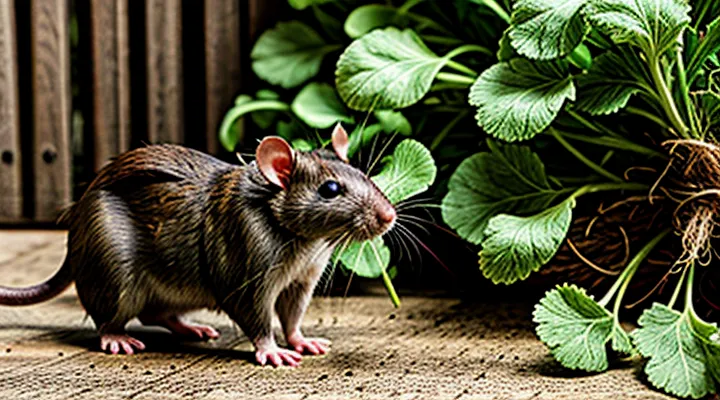
The Rat's Diet: An Overview
Essential Nutritional Needs of Rats
Rats require a balanced diet that supplies protein, fat, carbohydrates, vitamins, and minerals in proportions that support growth, reproduction, and immune function. Protein should constitute 14–20 % of total calories, sourced from animal or plant proteins such as soy, casein, or lean meat. Essential amino acids, particularly lysine and methionine, must be present to maintain muscle tissue and enzymatic activity.
Fat supplies 5–10 % of caloric intake, delivering essential fatty acids (linoleic and α‑linolenic acid) for cell membrane integrity and hormone synthesis. Carbohydrates provide the remaining energy, with digestible fibers aiding gastrointestinal motility and microbial health.
Key micronutrients include:
- Calcium (0.8–1.2 % of diet) and phosphorus (0.6–0.8 %) for skeletal development; the ratio should approximate 1:1.
- Vitamin A (≈ 3 000 IU/kg) for vision and epithelial maintenance.
- Vitamin D₃ (≈ 500 IU/kg) to facilitate calcium absorption.
- Vitamin E (≈ 30 IU/kg) as an antioxidant.
- B‑complex vitamins (thiamine, riboflavin, niacin, pyridoxine, cobalamin) for metabolic pathways.
- Trace elements such as zinc, iron, copper, manganese, and selenium within established tolerances.
When assessing the suitability of radish for rats, compare its nutrient profile to these requirements. Radish offers low caloric density, modest carbohydrate content, and limited protein. It provides vitamin C and some potassium but lacks sufficient calcium, essential fatty acids, and most B‑vitamins. Consequently, radish can serve as an occasional treat or source of hydration, but it cannot replace the core components of a nutritionally complete rat diet.
Safe Foods for Rats
Fruits and Vegetables Suitable for Rats
Rats thrive on a varied diet that includes specific fruits and vegetables. These foods supply essential vitamins, minerals, and fiber while encouraging natural foraging behavior.
Safe options include:
- Apples (core removed, no seeds)
- Blueberries
- Strawberries
- Bananas (small pieces)
- Carrots (raw or lightly steamed)
- Bell peppers (any color)
- Cucumbers
- Zucchini
- Leafy greens such as kale, spinach, and romaine lettuce (in moderation)
- Broccoli florets
- Peas (fresh or frozen, thawed)
Radishes can be offered in small amounts; the crisp root and leafy tops are both edible for rats, but the strong flavor may deter some individuals. Introduce them gradually to monitor acceptance and tolerance.
Foods to avoid:
- Citrus fruits (high acidity)
- Grapes and raisins (risk of toxicity)
- Avocado (contains persin)
- Onions, garlic, and chives (irritants)
- Raw potatoes (solanine content)
Preparation guidelines:
- Wash all produce thoroughly to remove pesticides.
- Remove seeds, pits, and stems that could pose choking hazards.
- Cut items into bite‑size pieces appropriate for a rat’s mouth.
- Serve fresh portions daily; discard leftovers after a few hours to prevent spoilage.
Balancing these items with a high‑quality commercial pellet base ensures nutritional completeness. Regularly rotate fruit and vegetable choices to provide a broad spectrum of nutrients and maintain interest.
Foods to Avoid for Rats
Rats tolerate a limited range of vegetables, but many common foods pose serious health risks. When evaluating radish as a potential treat, owners should first eliminate items known to be toxic or harmful.
- Citrus fruits (oranges, lemons, grapefruits) – high acidity can cause digestive upset.
- Chocolate and caffeine – contain theobromine and caffeine, both lethal to rodents.
- Raw onions, garlic, and chives – sulfur compounds damage red blood cells.
- Processed meats and high‑fat snacks – lead to obesity, liver disease, and pancreatitis.
- Sticky foods such as peanut butter or honey – create choking hazards and promote bacterial growth.
- Salty or sugary treats – disrupt electrolyte balance and increase risk of diabetes.
- Dairy products – rodents lack lactase; consumption results in diarrhea and malnutrition.
- Avocado (especially the skin and pit) – contains persin, toxic to many mammals.
- Alcohol and nicotine – depress the central nervous system and can be fatal.
These exclusions apply regardless of whether radish is offered. If radish is introduced, it should be given in small, plain pieces, free of seasoning, and monitored for any adverse reaction.
Radish for Rats: Is It Safe?
Nutritional Profile of Radish
Vitamins and Minerals in Radish
Radishes contain a range of micronutrients that influence rodent health. The edible root supplies vitamin C, vitamin K, folate, and small quantities of vitamins A and B6. Vitamin C contributes to antioxidant protection and collagen synthesis, while vitamin K is essential for blood clotting. Folate participates in DNA synthesis and cell division, processes critical for growth and tissue repair.
Mineral content includes potassium, calcium, magnesium, phosphorus, and trace iron. Potassium regulates fluid balance and nerve transmission; calcium and phosphorus support skeletal development; magnesium aids enzymatic reactions; iron is required for oxygen transport. The levels are modest: a 100‑g serving provides approximately 29 mg vitamin C, 0.2 µg vitamin K, 24 µg folate, 233 mg potassium, 30 mg calcium, 10 mg magnesium, 27 mg phosphorus, and 0.3 mg iron.
When evaluating radish as a dietary component for rats, consider the following points:
- Nutrient density aligns with the modest requirements of adult rats.
- Excessive raw radish may cause gastrointestinal irritation due to fibrous content.
- Inclusion should be limited to 5‑10 % of total daily intake to avoid imbalances.
Overall, radish supplies beneficial vitamins and minerals, but its proportion in a rat’s diet must be controlled to maintain nutritional equilibrium.
Potential Benefits of Radish for Rats
Radishes supply a range of nutrients that can complement a balanced rat diet. The vegetable delivers vitamin C, potassium, and folate, which support immune function, electrolyte balance, and cellular metabolism. Its high water content contributes to hydration, especially when fresh radish is offered in small, bite‑size pieces.
- Dietary fiber promotes gastrointestinal motility and helps prevent constipation.
- Antioxidants such as glucosinolates may reduce oxidative stress and support liver health.
- Crunchy texture encourages natural gnawing behavior, assisting in the maintenance of healthy incisors.
- Low caloric density allows inclusion without excessive energy intake, aiding weight management.
Introduce radish gradually, limiting portions to no more than a few grams per week. Remove any wilted or bruised sections, and wash thoroughly to eliminate pesticide residues. Monitor for signs of diarrhea or gas, adjusting frequency if adverse reactions appear. When integrated responsibly, radish can enhance nutritional variety and contribute to overall well‑being in pet rats.
Potential Risks and Concerns
Substances in Radish Harmful to Rats
Radishes contain several chemical constituents that can pose health risks to rats when consumed in appreciable amounts.
- Glucosinolates – precursors to isothiocyanates; metabolic breakdown produces compounds that may irritate the gastrointestinal tract and disrupt thyroid function. High intake can lead to reduced feed efficiency and weight loss.
- Isothiocyanates – directly toxic metabolites derived from glucosinolates; they can cause cellular oxidative stress and damage to liver tissue at elevated concentrations.
- Oxalic acid – forms insoluble calcium oxalate crystals; excessive ingestion may result in kidney stone formation and impaired calcium absorption, potentially leading to hypocalcemia.
- Nitrates – accumulate in root vegetables grown under high-fertilizer conditions; conversion to nitrites in the gut can induce methemoglobinemia, reducing oxygen transport in the bloodstream.
- Fiber – while beneficial in moderation, the high insoluble fiber content of radish can cause bloating and intestinal blockage if rats consume large portions without adequate water.
The toxicity of these substances is dose‑dependent. Small, occasional pieces of radish are unlikely to cause acute harm, but regular or large servings increase the risk of gastrointestinal irritation, metabolic disturbances, and renal complications. Monitoring portion size and frequency is essential to prevent adverse effects.
Digestive Issues from Radish Consumption
Rats tolerate radish in small amounts, but the vegetable’s high fiber and glucosinolate content can provoke gastrointestinal disturbance. Raw radish delivers a rapid influx of insoluble fiber, which may exceed the capacity of a rat’s modest cecal fermentation system. The result is increased intestinal motility, gas production, and potential diarrhea.
Key digestive reactions include:
- Excessive peristalsis leading to loose stools.
- Bloating caused by fermentation of glucosinolates.
- Mucosal irritation from mustard oils, which can produce a burning sensation in the intestinal lining.
- Reduced nutrient absorption if diarrhea persists for more than 24 hours.
Laboratory observations indicate that a diet containing more than 5 % fresh radish by weight raises the incidence of soft feces in Sprague‑Dawley rats. Chronic exposure at this level correlates with weight loss and decreased feed efficiency.
Mitigation strategies:
- Offer radish only as an occasional treat, limiting portions to 1–2 grams per 100 g of body weight.
- Provide the vegetable cooked or finely shredded to lower fiber density and break down glucosinolates.
- Monitor stool consistency daily; discontinue radish if loose stools appear.
- Ensure a balanced base diet rich in fiber from safer sources such as oat hulls or cellulose.
In summary, radish can be included in a rat’s diet with strict portion control and careful observation. Overconsumption risks rapid intestinal transit, gas buildup, and mucosal irritation, which compromise digestive health and overall performance.
Allergic Reactions
Veterinary research shows that radish contains glucosinolates and other compounds that can trigger immune responses in some rodents. When a rat consumes radish, the immune system may recognize specific proteins as foreign, leading to hypersensitivity reactions. These reactions are not universal; susceptibility varies with genetics, age, and previous exposure to similar plant families.
Typical manifestations of an adverse immune response include:
- Skin reddening, swelling, or hives
- Scratching or excessive grooming
- Respiratory distress, such as rapid breathing or wheezing
- Gastrointestinal upset, including vomiting or diarrhea
- Lethargy or reduced activity levels
Diagnostic approach involves observing clinical signs after radish introduction, conducting skin prick or intradermal testing, and, if necessary, measuring serum IgE levels specific to radish antigens. Management consists of immediate removal of the offending food, administration of antihistamines or corticosteroids as prescribed, and gradual reintroduction of safe vegetables after a clearance period. Regular monitoring ensures that future dietary plans exclude identified allergens and maintain overall nutritional balance.
How to Introduce Radish (If Deemed Safe)
Preparation Methods
Rats can safely consume radish when it is prepared correctly. Proper preparation reduces the risk of gastrointestinal irritation and ensures the vegetable is nutritionally accessible.
- Rinse the radish under running water to eliminate soil and pesticide residues.
- Peel the outer layer if the radish is large or has a thick skin; small radishes may be used unpeeled.
- Trim the leafy tops; the greens contain higher concentrations of oxalic acid and may cause kidney strain.
- Cut the flesh into bite‑size cubes (approximately 0.5 cm) to prevent choking and to promote even chewing.
- Offer the pieces raw for maximum vitamin C retention, or lightly steam for 2–3 minutes if a softer texture is preferred. Do not boil, as prolonged heat destroys nutrients and can make the radish mushy, increasing the likelihood of over‑consumption.
When introducing radish to a rat’s diet, start with a single small piece and observe for signs of digestive upset. Gradually increase the portion to no more than 5 % of the total daily food intake, maintaining a balanced diet that includes protein, grains, and other vegetables.
Serving Size and Frequency
Rats may eat radish safely when the portion is limited and offered intermittently. A typical adult laboratory rat (200–250 g) can tolerate 2–3 g of raw radish flesh per serving, which corresponds to roughly one thin slice. Juvenile rats under 150 g should receive no more than 1 g per serving. Over‑feeding can cause gastrointestinal upset due to the vegetable’s high fiber and mild diuretic effect.
- Offer radish no more than twice weekly.
- Space servings at least three days apart.
- Observe the animal for signs of loose stool or reduced appetite after each intake.
- Adjust portion size downward if any adverse reaction occurs.
Consistent moderation prevents nutritional imbalance while allowing rats to benefit from the vitamin C and antioxidant content of radish.
Monitoring for Adverse Reactions
Feeding radish to laboratory or pet rats requires systematic observation for any negative health effects. Immediate signs such as vomiting, diarrhea, lethargy, or abnormal grooming indicate intolerance and must be recorded promptly. Long‑term monitoring should include weight trends, feed intake, and behavior changes to detect subclinical issues.
Key parameters to track:
- Body weight measured daily for the first week, then weekly.
- Food consumption recorded each feeding period.
- Stool consistency noted and classified (normal, loose, watery).
- Activity level assessed by cage exploration time.
- Respiratory rate and any signs of distress observed twice daily.
- Skin and fur condition inspected for irritation or lesions.
If any parameter deviates from baseline established before radish introduction, discontinue the vegetable and consult a veterinarian. Documentation of all observations supports accurate assessment of radish suitability in rat nutrition.
Alternatives to Radish
Other Safe Root Vegetables
Rats tolerate a variety of root vegetables that complement a balanced diet. These vegetables supply fiber, vitamins, and minerals without posing toxicity risks when offered in moderation.
- Carrot – high in beta‑carotene; feed raw, finely chopped, up to 5 % of daily intake.
- Sweet potato – rich in complex carbohydrates and vitamin C; steam lightly to soften, limit to 3 % of diet.
- Turnip – provides potassium and vitamin K; serve raw or lightly cooked, avoid excessive portions.
- Parsnip – source of folate and manganese; slice thinly, keep to a small portion to prevent digestive upset.
- Beetroot – offers iron and antioxidants; offer raw, peeled, and restrict due to natural sugars.
All listed roots should be washed thoroughly, free of pesticides, and introduced gradually to monitor tolerance. Overfeeding any root vegetable can lead to diarrhea or nutrient imbalance; the primary diet must remain a high‑quality rodent pellet supplemented with fresh greens and occasional protein sources.
Leafy Greens for Rats
Leafy greens constitute a valuable component of a rat’s diet, providing fiber, vitamins, and minerals that support digestive health and immune function. Radish leaves fall within this category and can be offered safely when prepared correctly.
Nutritional profile of radish greens includes vitamin C, vitamin K, calcium, and antioxidants. These nutrients complement the protein and carbohydrate sources typically supplied by pellets and grains. Excessive consumption, however, may introduce high levels of oxalic acid, which can interfere with calcium absorption.
Guidelines for feeding radish greens and other leafy vegetables:
- Wash thoroughly to remove pesticides and soil residues.
- Trim stems and discard wilted or discolored portions.
- Serve in small, bite‑size pieces to prevent choking.
- Limit intake to 5 % of the total daily food volume; adjust based on the rat’s size and overall diet composition.
- Rotate with other safe greens (e.g., romaine lettuce, kale, spinach, cilantro) to ensure a balanced nutrient spectrum.
Potential risks include gastrointestinal upset if introduced abruptly or if the rat ingests large quantities at once. Monitor for signs of diarrhea or reduced appetite and reduce the portion size accordingly.
In summary, radish leaves are an appropriate addition to a rat’s diet when presented in moderation, cleaned properly, and incorporated alongside a varied selection of other leafy greens.
Commercial Rat Foods and Supplements
Commercial rat diets are formulated to provide balanced nutrition for laboratory and pet rodents. Brands typically contain a blend of grains, protein sources (soy, fish meal, or whey), vitamins, and minerals in ratios that support growth, reproduction, and immune health. When evaluating a new vegetable such as radish, the baseline composition of these feeds determines whether additional supplementation is required.
Key considerations for integrating radish into a rat’s regimen include:
- Nutrient profile: Radish offers low calories, modest fiber, vitamin C, and glucosinolates. These compounds do not replace the essential amino acids, calcium, phosphorus, or B‑vitamins supplied by standard pellets.
- Digestibility: The high fiber content can accelerate gastrointestinal transit. Excessive intake may lead to loose stools, especially in young or compromised animals.
- Safety: Raw radish contains compounds that can irritate the oral mucosa in high concentrations. Gradual introduction and monitoring for adverse reactions are advisable.
Supplement strategies for rats receiving radish alongside commercial feeds:
- Vitamin C boosters: If the diet lacks adequate ascorbic acid, a small aqueous supplement can offset the modest amount present in radish.
- Calcium‑phosphorus balance: Maintain the recommended Ca:P ratio (approximately 1.2:1) by confirming that radish addition does not dilute mineral content below target levels.
- Probiotic support: Adding a rodent‑specific probiotic can mitigate potential digestive disturbances caused by increased fiber.
Overall, commercial rat foods provide the core nutritional foundation; radish may serve as an occasional treat when its inclusion is balanced against the established nutrient profile and safety parameters of the primary diet.