
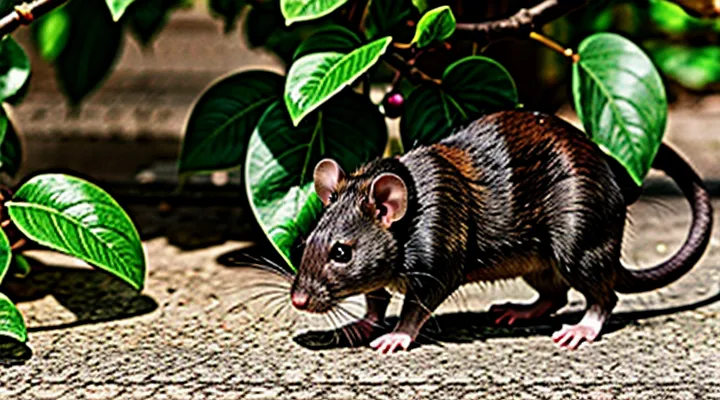
Understanding Rat Diet: Basics
Essential Nutritional Needs of Rats
Rats require a balanced diet that supplies protein, fats, carbohydrates, vitamins, and minerals in proportions that support growth, reproduction, and immune function. Protein sources such as soy, wheat germ, and lean meats provide essential amino acids for tissue repair and enzyme production. Fat intake should not exceed 5‑7 % of total calories; omega‑3 and omega‑6 fatty acids from plant oils aid neural development and skin health. Complex carbohydrates from grains and vegetables deliver steady energy while fiber promotes gastrointestinal motility.
Key micronutrients include:
- Calcium and phosphorus (approximately 1:1 ratio) for skeletal strength and dental maintenance.
- Vitamin A for vision and epithelial integrity, obtainable from carrots, sweet potatoes, and fortified feeds.
- Vitamin D3 to facilitate calcium absorption; exposure to natural light or supplementation is necessary.
- Vitamin E as an antioxidant; seeds and nuts provide adequate amounts.
- B‑complex vitamins for metabolic pathways; whole grains are rich sources.
- Trace elements such as zinc, iron, and selenium, required in milligram quantities for enzymatic activity and immune response.
Water must be continuously available, clean, and free of contaminants. Dehydration quickly impairs kidney function and reduces feed intake.
When evaluating the suitability of plum as an occasional treat, consider its nutritional profile: high sugar content, moderate fiber, and modest levels of vitamin C and potassium. Excessive plum can disrupt the rat’s carbohydrate balance and increase the risk of gastrointestinal upset. Incorporate plum in limited amounts—no more than one teaspoon per 100 g of body weight per week—and ensure the core diet remains nutritionally complete. Monitoring body condition and stool consistency will indicate whether plum inclusion is tolerable.
Foods to Avoid for Rats
Toxic Foods
Feeding plums to pet rats requires careful evaluation of toxic food risks. Rats tolerate many fruits, yet several common foods contain compounds that can cause acute or chronic harm. Understanding these hazards informs safe dietary choices.
Typical toxic items for rats include:
- Chocolate and caffeine‑containing products – methylxanthines cause cardiovascular distress.
- Raw onions, garlic, and related Allium species – sulfur compounds damage red blood cells.
- Citrus seeds and pits – cyanogenic glycosides release cyanide when metabolized.
- Alcoholic beverages and fermented foods – depress central nervous system function.
- High‑fat processed snacks – predispose to obesity and hepatic disease.
Plums present a mixed profile. The flesh is low in toxic substances and can be offered in moderation. However, the stone encloses amygdalin, a cyanogenic glycoside that releases cyanide upon digestion. Ingesting even a small portion of the pit can lead to respiratory failure or cardiac arrest. Additionally, ripe plum sugar may ferment in the gut if overfed, producing gas and diarrhea.
Safe practice:
- Remove the stone completely before presenting any plum tissue.
- Offer only a few bite‑size pieces of flesh per week; excessive sugar intake risks obesity and dental decay.
- Observe the rat for signs of gastrointestinal upset, such as loose stools or reduced activity, after initial exposure.
- Maintain a balanced diet where fruits constitute no more than 10 % of total caloric intake.
Adhering to these guidelines limits exposure to cyanide and prevents nutritional imbalances while allowing rats to enjoy the occasional plum treat.
High-Sugar and High-Fat Foods
Plums can be offered to rats as an occasional treat, but their inclusion must be balanced against the risks associated with foods that contain excessive sugar or fat. Rats metabolize carbohydrates rapidly; diets high in simple sugars increase blood glucose, promote obesity, and can exacerbate dental decay. Fat‑rich foods elevate triglyceride levels, impair liver function, and contribute to weight gain, especially when combined with sugary items.
When evaluating plum suitability, consider the following points:
- Plums provide natural sugars (fructose, glucose) at moderate levels; a single small slice supplies approximately 2 g of sugar.
- Concentrated sugary foods (e.g., candy, fruit juice) contain 10‑20 g of sugar per serving and should be excluded from a rat’s diet.
- High‑fat snacks (e.g., nuts, cheese, processed meats) exceed 15 % fat by weight and increase caloric density far beyond the requirements of a typical laboratory or pet rat.
- Combining plums with high‑sugar or high‑fat items compounds metabolic stress and raises the likelihood of gastrointestinal upset.
Recommendations for plum feeding:
- Offer fresh plum flesh without skin or pit, limited to one small slice per 100 g of body weight, no more than twice weekly.
- Avoid any plum‑based products that contain added sugars, syrups, or butter.
- Substitute plums with low‑sugar vegetables (e.g., cucumber, leafy greens) for daily fiber intake.
- Monitor body condition and blood glucose regularly; discontinue plum treats if weight gain exceeds 5 % of baseline within a month.
Adhering to these guidelines minimizes the impact of high‑sugar and high‑fat foods while allowing rats to enjoy the occasional nutritional benefit of plums.
Plum for Rats: A Detailed Analysis
Nutritional Profile of Plums
Vitamins and Minerals
Plums provide several micronutrients that can complement a rat’s standard diet when offered in moderation. The fruit’s composition includes vitamin C, vitamin K, vitamin A (as beta‑carotene), potassium, copper, and small amounts of iron and magnesium. Each of these contributes to physiological functions relevant to laboratory and pet rats.
- Vitamin C – present at approximately 7 mg per 100 g of fresh plum; supports antioxidant defenses and collagen synthesis. Rats synthesize vitamin C endogenously, so dietary supplementation is not required, but occasional intake does not cause harm.
- Vitamin K – about 5 µg per 100 g; participates in blood clotting mechanisms. The quantity supplied by a few plum slices is well within safe limits.
- Beta‑carotene (pro‑vitamin A) – roughly 30 µg retinol activity equivalents per 100 g; converts to vitamin A, which is necessary for vision and epithelial health. Excessive intake can lead to hypervitaminosis A; limiting plum portions prevents this risk.
- Potassium – 157 mg per 100 g; contributes to electrolyte balance. Rats tolerate moderate potassium loads; a small slice adds negligible stress to renal function.
- Copper – 0.1 mg per 100 g; required for enzyme activity. The amount delivered by plum is far below toxicity thresholds.
- Iron and magnesium – each present in trace amounts; unlikely to affect overall mineral status when plums are used as occasional treats.
When integrating plums into a rat’s diet, follow these guidelines:
- Offer no more than 5 g of fresh plum per 100 g of body weight per week, equivalent to a thin slice for a typical adult rat.
- Remove pits completely; they contain cyanogenic compounds and present choking hazards.
- Provide plum pieces alongside a balanced commercial rodent chow to ensure that macro‑nutrient requirements remain met.
- Monitor individual rats for signs of digestive upset or changes in stool consistency; discontinue if adverse reactions occur.
By adhering to the specified portion limits and preparation steps, the vitamins and minerals from plums can enrich a rat’s nutrition without compromising health.
Fiber Content
Plums contain a moderate amount of dietary fiber, which can affect a rat’s digestive system. A typical fresh plum provides approximately 1.5 g of fiber per 100 g of fruit, while the skin contributes most of this insoluble fiber. The soluble fraction, mainly pectin, is present in lower concentrations but can aid in stool formation.
When incorporating plums into a rat’s diet, consider the following guidelines:
- Limit total plum intake to no more than 5 % of the overall daily food weight to avoid excessive fiber.
- Offer only small, seed‑free pieces; plum pits contain cyanogenic compounds and must be removed.
- Monitor fecal consistency for signs of diarrhea or constipation, adjusting portions accordingly.
- Provide ample fresh water to support fiber digestion and prevent dehydration.
Adequate fiber supports gut motility, but overconsumption may disrupt the balance of intestinal flora. Adjust servings based on the individual rat’s size, health status, and overall dietary composition.
Sugar Content
Plums contain a high proportion of natural sugars, primarily fructose and glucose. A medium‑sized plum (approximately 66 g) provides about 7 g of total sugars, with roughly 5 g of fructose and 2 g of glucose. The sugar concentration varies among varieties; sweeter cultivars can contain up to 10 g per fruit, while tart types may fall below 5 g.
Rats metabolize simple sugars efficiently, yet excessive intake can lead to rapid weight gain, dental decay, and disturbances in gut flora. A balanced rodent diet typically limits added sugars to less than 5 % of total caloric intake. Translating this guideline to plum consumption suggests that a single plum should not exceed 5 % of a rat’s daily caloric budget, which is approximately 10–15 kcal for an adult laboratory rat. Consequently, offering no more than one small plum fragment (5 g) per day aligns with the recommended sugar threshold.
Practical recommendations:
- Offer plum flesh only, removing skin and pits to eliminate potential toxins.
- Limit serving size to 5 g of flesh, equivalent to a thin slice from a medium plum.
- Provide plum as an occasional treat, not a staple, ensuring the primary diet remains nutritionally complete.
- Monitor the rat’s weight and behavior after introduction; discontinue if signs of hyperactivity, obesity, or dental issues appear.
Adhering to these limits maintains the nutritional benefits of plum—vitamins A and C, antioxidants—while preventing the adverse effects associated with high sugar consumption.
Potential Benefits of Feeding Plums to Rats
Antioxidant Properties
Plums contain high levels of phenolic compounds, notably anthocyanins and flavonols, which act as potent free‑radical scavengers. In laboratory rats, these antioxidants reduce oxidative stress markers such as malondialdehyde and enhance activities of endogenous enzymes including superoxide dismutase and catalase. The resulting cellular protection supports liver function, cardiovascular health, and neuro‑protective mechanisms.
When incorporating plums into a rodent diet, consider the following points:
- Use fresh or frozen fruit without added sugars or preservatives to preserve antioxidant integrity.
- Limit inclusion to 5–10 % of the total feed weight; higher concentrations may introduce excessive dietary fiber and sugar, potentially altering gut microbiota.
- Provide the fruit in small, bite‑size pieces to ensure uniform consumption and prevent choking hazards.
- Monitor blood glucose and lipid profiles weekly during the first two weeks to detect any adverse metabolic shifts.
Research indicates that a moderate plum regimen improves oxidative balance without compromising growth rates or feed efficiency. Therefore, a controlled, low‑percentage addition of plum flesh is a scientifically supported strategy for enhancing antioxidant status in rats.
Digestive Aid
Plums can serve as a source of fiber and natural sugars that support rat digestion when introduced correctly. Fresh, ripe fruit should be washed, pitted, and cut into small cubes to prevent choking and reduce exposure to cyanogenic compounds found in seeds. Offer no more than one teaspoon of plum flesh per 100 g of body weight, limiting the treat to two or three times weekly to avoid excess fructose, which may cause gastrointestinal upset.
Key points for safe plum inclusion:
- Remove all pits and skins that are difficult to chew.
- Present only soft, ripe portions; avoid over‑ripe or moldy fruit.
- Start with a minimal amount (approximately 0.5 g) and observe stool consistency and appetite.
- If loose stools or bloating appear, discontinue the fruit for 48 hours and re‑evaluate the portion size.
- Complement plum intake with a balanced diet rich in protein, calcium, and vitamin D to maintain overall gut health.
When plum is used as a digestive aid, its soluble fiber can help regulate bowel movements, while the natural sugars provide quick energy without overloading the rat’s metabolic system. Monitoring individual response remains essential, as tolerance varies between specimens.
Potential Risks of Feeding Plums to Rats
High Sugar Content and Dental Health
Plums contain a substantial amount of natural sugars, primarily fructose and glucose. When rats consume these sugars, the oral microbiota metabolizes them, producing acids that can erode enamel and promote dental plaque formation. Persistent exposure to high‑sugar foods accelerates the development of tooth decay, especially in species with continuously growing incisors that require regular wear.
Dental health in pet rats depends on balanced nutrition, regular chewing activity, and limited intake of sugary treats. Excessive plum consumption increases the risk of:
- Enamel demineralization due to acid exposure
- Plaque accumulation leading to gingivitis
- Malocclusion caused by uneven tooth wear
To mitigate these risks while still offering plums as an occasional treat, follow these guidelines:
- Limit plum servings to no more than one small slice (approximately 5 g) per week.
- Provide fresh, unsweetened plum flesh only; avoid canned or syrup‑preserved varieties.
- Pair plum pieces with high‑fiber, low‑sugar foods such as raw vegetables or chew sticks to stimulate natural tooth grinding.
- Monitor the rat’s teeth weekly for signs of overgrowth, cracks, or discoloration; seek veterinary assessment at the first indication of dental issues.
Adhering to these recommendations balances the nutritional benefits of plums with the need to preserve optimal dental health in rats.
Choking Hazards from Plum Pits
Plum pits present a genuine choking risk for rats. Their diameter often exceeds the safe swallowing threshold for a typical rodent, and the hard, irregular surface can become lodged in the airway or digestive tract.
The hardness of the stone prevents breakdown by a rat’s incisors, while the smooth curvature facilitates passage into the trachea or esophagus without triggering immediate gag reflexes. If a pit becomes trapped, obstruction can develop rapidly, leading to respiratory distress or fatal blockage.
To mitigate this risk, follow these practices:
- Remove every pit before offering plum flesh to a rat.
- Cut the fruit into pieces no larger than ½ cm in diameter to ensure easy mastication.
- Inspect the cut fruit for residual seed fragments; discard any that remain.
- Introduce plum gradually, observing the animal for signs of difficulty swallowing.
- Prefer soft, seed‑free fruits (e.g., ripe berries) as regular treats to avoid accidental exposure.
Consistent removal of pits eliminates the primary choking hazard and allows safe inclusion of plum flavor in a rat’s diet.
Digestive Upset
Feeding plums to rats can trigger digestive upset, manifested by loose stools, abdominal cramping, and reduced appetite. The fruit’s high sorbitol content and acidic pH irritate the gastrointestinal lining, especially when introduced rapidly or in large quantities. Monitor any change in fecal consistency within 24 hours of offering plum; persistent diarrhea indicates intolerance.
Recommendations for preventing and managing gastrointestinal disturbance:
- Introduce plum gradually: start with a single bite‑sized piece, observe tolerance for 48 hours before increasing the portion.
- Limit frequency: offer plum no more than twice a week to avoid cumulative sorbitol load.
- Remove pits and skins: both contain compounds that can aggravate the digestive tract.
- Pair with fiber‑rich foods: supplement with plain oats or shredded carrot to balance gut motility.
- Provide fresh water constantly: adequate hydration mitigates dehydration from loose stools.
- Discontinue plum immediately if diarrhea persists beyond 48 hours; replace with bland diet (boiled rice and lean protein) until normal stool returns.
If symptoms continue despite these measures, consult a veterinarian for possible probiotic therapy or diagnostic testing.
Safe Preparation of Plums for Rats
Removing Pits and Stems
Plums may be offered to rats only after pits and stems are completely removed. The stone contains cyanogenic compounds that can release cyanide when ingested, posing a severe toxicity risk. Stems often carry residual pesticide residues and fibrous material that can cause gastrointestinal blockage.
- Inspect each plum for remaining seed fragments; discard any that show cracks.
- Cut the fruit longitudinally and extract the pit with a small knife or spoon.
- Trim off the stem and any attached calyx to eliminate potential contaminants.
- Wash the flesh thoroughly under running water to remove surface residues.
- Slice the flesh into bite‑size pieces appropriate for the rat’s size before serving.
Washing the Fruit Thoroughly
When plums are provided to pet rats, any surface contamination poses a health risk. Thorough cleaning removes pesticide residues, bacterial colonies, and visible debris, reducing the likelihood of gastrointestinal upset or infection.
Effective washing follows a simple protocol:
- Rinse each plum under running, cold water for at least 30 seconds.
- Apply a soft brush or clean fingertips to scrub the skin, paying attention to the stem cavity and any crevices.
- Submerge the fruit in a solution of one part white vinegar to three parts water for 2–3 minutes; this step neutralizes surface microbes.
- Rinse again under running water to eliminate vinegar traces.
After cleaning, pat the plums dry with a lint‑free cloth or paper towel. Inspect the surface for bruises or mold; discard any compromised pieces. Cut the fruit into bite‑size pieces appropriate for the rat’s jaw size, and serve immediately or store in an airtight container in the refrigerator for no more than 24 hours. This routine ensures that the plum remains a safe, nutritious supplement in a rat’s diet.
Portion Control
Plums can be incorporated into a rat’s diet, but strict portion control prevents digestive upset and excessive sugar intake.
A safe serving consists of a single, seed‑free bite measuring no more than 2–3 grams. This amount provides the fruit’s vitamins without overwhelming the animal’s caloric budget.
Guidelines for feeding plums:
- Offer the portion once or twice per week; daily exposure leads to weight gain.
- Remove all pits and skin before serving; pits contain cyanogenic compounds, and skin may be difficult to digest.
- Observe the rat for 24 hours after the first exposure; signs of diarrhea or reduced appetite require immediate discontinuation.
- Adjust the portion downward for juveniles or rats with a history of obesity or metabolic disorders.
When integrating plum into a balanced regimen, ensure that fresh water, high‑quality rodent pellets, and occasional vegetables remain the primary sources of nutrition.
Frequency of Feeding Plums
Plums can be included in a rat’s diet, but they must be offered sparingly to avoid digestive upset and excess sugar. Limit plum servings to no more than two small pieces per week, each piece no larger than a quarter of a fresh plum. This frequency provides occasional variety without compromising nutritional balance.
- Offer plum slices after a period of fasting, such as after a regular meal, to reduce the risk of overconsumption.
- Remove the pit entirely; the stone contains cyanogenic compounds that are toxic to rodents.
- Observe the rat for signs of diarrhea, reduced appetite, or lethargy within 24 hours of feeding; discontinue plum if any adverse reaction occurs.
- Rotate plum with other low‑sugar fruits (e.g., apple or berries) to maintain a balanced treat schedule.
Adjust the schedule if the rat shows a strong preference for plum or if weight gain becomes evident. Consistent monitoring ensures the fruit remains a safe, occasional supplement rather than a staple.
Alternatives to Plums for Rat Treats
Safe Fruits for Rats
Plums can be included in a rat’s diet when offered sparingly and prepared correctly. The fruit’s soft flesh provides moisture and natural sugars, but the pit contains cyanogenic compounds that are toxic; pits must be removed entirely.
Safe fruits for rats include:
- Apples (core and seeds removed)
- Blueberries
- Strawberries
- Raspberries
- Bananas (small pieces)
- Pears (seedless)
- Watermelon (seedless)
- Mango (peeled)
- Kiwi (peeled)
When introducing any fruit, limit the portion to no more than 10 % of the daily caloric intake. Offer ½ to 1 cm³ of fruit per 100 g of body weight, divided into two servings. Fresh fruit should be washed thoroughly to eliminate pesticide residues and cut into bite‑size pieces to prevent choking.
Precautions:
- Remove all seeds, pits, and cores that may contain harmful substances.
- Avoid citrus fruits with high acidity, such as lemons and grapefruits, which can irritate the digestive tract.
- Do not feed dried or candied fruit, as added sugars increase the risk of obesity and dental disease.
- Monitor the rat for signs of diarrhea or changes in behavior after fruit consumption; discontinue the item if adverse effects appear.
Plums specifically require the flesh to be washed, pitted, and offered in a single, small slice. Limit plum servings to once or twice a week, ensuring the total fruit contribution remains within the 10 % threshold. Regularly rotate fruit choices to provide nutritional variety while preventing overreliance on any single source.
Safe Vegetables for Rats
Rats thrive on a varied diet that includes several vegetables free of toxins and excessive sugars. Incorporating these foods supports dental health, digestive function, and nutrient balance.
Safe vegetable options include:
- Carrots, raw or lightly steamed, provide beta‑carotene and fiber.
- Broccoli florets, offered in small portions, supply vitamin C and calcium.
- Spinach, wilted or raw, delivers iron and folate; limit to avoid oxalate buildup.
- Bell peppers, any color, contribute vitamin A and antioxidants.
- Zucchini, sliced, offers moisture and potassium.
- Cucumber, peeled if waxed, adds hydration with minimal calories.
- Kale, finely chopped, supplies vitamin K; feed sparingly due to calcium content.
- Sweet potato, cooked and unseasoned, offers complex carbohydrates and vitamin B6.
When considering fruit, plums can be given occasionally. Remove the pit, offer only the flesh, and limit servings to prevent high sugar intake and potential gastrointestinal upset. Always introduce new items gradually, monitor for adverse reactions, and maintain fresh water availability.
Commercial Rat Treats
Commercial rat treats are formulated to meet the nutritional requirements of pet rats while offering palatable variety. When evaluating the suitability of these products for rats that also receive plum as an occasional fruit, consider the following factors:
- Macronutrient balance – Treats should provide protein, fat, and fiber ratios that complement the additional sugars from plum, preventing excess caloric intake.
- Ingredient transparency – Look for products that list whole‑grain bases, seeds, and limited added sugars; avoid treats containing artificial flavors or high‑fructose syrups that could amplify the fruit’s sugar load.
- Portion control – Recommended serving sizes are typically 1–2 grams per rat per day; adjust downward if plum is included in the diet to maintain a stable weight.
- Dental health – Hard, crunchy components such as dried legumes or seed fragments aid in tooth wear, a benefit that soft fruit does not provide.
- Allergen awareness – Some commercial treats include nuts or dairy derivatives; verify that the rat has no sensitivities before combining with plum.
Manufacturers often label their products as “complete” or “supplemental.” For rats receiving plum, supplemental treats are preferable, as they supply targeted nutrients without overwhelming the diet with calories. Selecting treats that contain prebiotic fibers (e.g., inulin) can support gut health, which may be strained by occasional fruit sugars.
In practice, integrate commercial treats into a balanced feeding schedule: provide a measured portion of treat in the morning, offer a small plum slice later in the day, and ensure access to fresh water and a high‑quality pellet base. Monitoring weight and activity levels will confirm that the combined diet remains appropriate for the individual rat.