
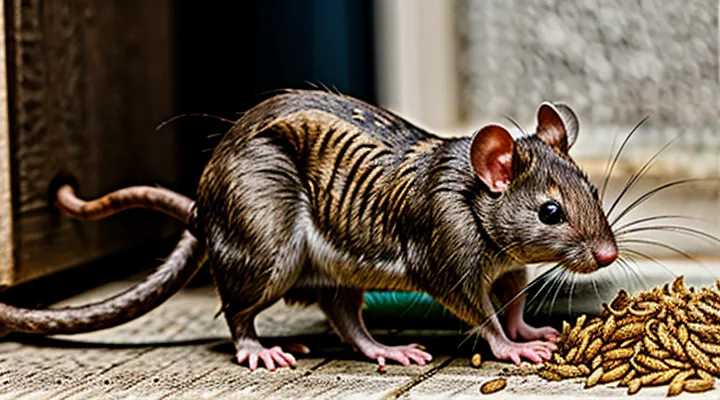
Nutritional Needs of Rats
Essential Nutrients for Rodents
Protein Requirements
Rats need a diet that supplies 14‑18 % protein on a dry‑matter basis to support growth, reproduction, and tissue maintenance. Deficiencies reduce weight gain, impair immune function, and compromise fur quality. Excess protein does not provide additional benefits and can increase nitrogen waste, stressing the kidneys.
Mealworms (larvae of Tenebrio molitor) contain approximately 45‑55 % protein, 30‑35 % fat, and modest amounts of chitin, vitamins, and minerals. Their amino‑acid profile includes essential lysine, methionine, and tryptophan, aligning with the rat’s requirement for balanced protein sources. The high fat content raises the caloric density, which must be accounted for when integrating mealworms into a ration.
Practical guidelines for including mealworms in rat nutrition:
- Limit mealworm contribution to 10‑15 % of total diet weight to keep overall protein within the target range and avoid excess calories.
- Blend dried or freeze‑dried mealworms with a base pellet or mash that supplies carbohydrates, fiber, and micronutrients.
- Monitor body condition and adjust portion size if rats gain weight rapidly or show signs of digestive disturbance.
- Ensure mealworms are sourced from reputable suppliers and stored to prevent mold or bacterial growth.
When applied correctly, mealworms can satisfy a portion of the protein requirement without compromising dietary balance.
Fat and Carbohydrate Balance
Mealworms provide a high‑fat, low‑carbohydrate protein source for laboratory and pet rodents. A typical dried mealworm contains approximately 45 % fat, 20 % protein, and less than 5 % carbohydrate by weight. The elevated fat level can quickly shift a rat’s diet toward a caloric surplus if not counterbalanced with other low‑fat ingredients.
To maintain a balanced macronutrient profile, the proportion of mealworms in a rat’s daily ration should not exceed 10–15 % of total feed mass. This restriction keeps dietary fat near the 5–10 % range recommended for healthy adult rodents, while preserving carbohydrate intake at 15–20 % to support glycogen stores and energy metabolism.
Practical guidelines:
- Offer mealworms as an occasional treat rather than a staple.
- Pair each serving with a high‑fiber, low‑fat grain mix to dilute overall fat concentration.
- Monitor body weight and adjust portion sizes if weight gain exceeds 2 % per week.
- Provide fresh water at all times to aid digestion of the higher lipid content.
When mealworms are introduced responsibly, rats receive essential fatty acids without compromising carbohydrate balance, supporting normal growth and reproductive performance. Excessive reliance on mealworms leads to obesity, hepatic lipidosis, and reduced activity, underscoring the need for precise rationing.
Vitamins and Minerals
Mealworms provide a substantial amount of essential nutrients that can complement a rat’s diet. Each 100 g of dried mealworms contains approximately 20 g of protein, 13 g of fat, and a spectrum of vitamins and minerals that contribute to overall health.
Key vitamins present in mealworms include:
- Vitamin A (retinol) – supports vision and immune function.
- Vitamin B12 – essential for red blood cell formation and neurological health.
- Riboflavin (B2) and niacin (B3) – involved in energy metabolism.
Important minerals supplied by mealworms are:
- Iron – required for oxygen transport.
- Zinc – vital for enzyme activity and immune response.
- Calcium – contributes to bone development, though levels are lower than in many commercial rodent diets.
While the vitamin and mineral profile of mealworms is beneficial, it does not fully replace the balanced nutrition offered by formulated rat feeds. Deficiencies may arise in nutrients such as vitamin D, vitamin E, and certain trace elements that are limited in insects. To prevent gaps, mealworms should be offered as a supplemental treat, not as the primary food source, and owners should monitor overall dietary intake.
When incorporating mealworms, consider the following guidelines:
- Limit portions to 5–10 % of total daily caloric intake to avoid excess fat.
- Ensure mealworms are sourced from reputable suppliers to reduce risk of pesticide contamination.
- Complement with a fortified pellet or mash that supplies missing vitamins and minerals, particularly calcium and vitamin D.
Properly balanced, mealworms can enrich a rat’s diet with valuable vitamins and minerals while providing enrichment through natural foraging behavior.
Mealworms as a Food Source
Nutritional Profile of Mealworms
Protein Content
Mealworms are a dense source of protein, typically containing 45–55 % crude protein on a dry‑matter basis. The protein level varies with developmental stage: larvae average 48 % protein, pupae rise to about 53 %, and adult beetles settle near 46 %. Moisture content reduces the apparent protein concentration, but the dry‑weight figures remain consistent across reputable suppliers.
Compared with common rodent protein sources, mealworms exceed many alternatives. Standard rodent chow provides roughly 20–25 % protein, while soybeans and fish meal range from 30–40 % protein when dry. The higher protein density of mealworms allows for smaller serving sizes to meet a rat’s daily requirement of 15–20 % of total dietary intake.
Rats require adequate essential amino acids for growth, tissue repair, and immune function. Incorporating mealworms can supply a balanced amino acid profile, particularly rich in leucine, lysine, and methionine. When mealworms replace a portion of conventional protein, overall diet formulation should adjust carbohydrate and fat levels to maintain caloric balance.
Typical protein content of mealworms (dry weight)
- Larvae: 48 %
- Pupae: 53 %
- Adults: 46 %
Using mealworms as a protein component can enhance dietary quality for rats, provided that total nutrient ratios remain within established guidelines for laboratory or pet nutrition.
Fat Content
Mealworms contain a relatively high proportion of lipids compared to many common rodent foods. On average, dried mealworms provide 30–35 % fat by weight, while live specimens contain slightly less, around 10–15 % fat due to their moisture content.
The fatty acids in mealworms are primarily unsaturated, including oleic and linoleic acids, which contribute to energy density. A single gram of dried mealworms delivers roughly 5 kcal from fat, significantly boosting caloric intake when added to a rat’s diet.
When incorporating mealworms, consider the following points:
- Limit inclusion to no more than 10 % of total daily feed weight to prevent excessive caloric surplus.
- Balance with low‑fat protein sources such as soy or lean meat to maintain appropriate macronutrient ratios.
- Monitor body condition; rapid weight gain may indicate overconsumption of dietary fat.
Overall, the fat content of mealworms makes them a potent energy source, suitable for occasional supplementation but requiring careful portion control to avoid adverse effects on rat health.
Other Micronutrients
Mealworms contribute a range of micronutrients that complement the primary nutrients rats receive from commercial rodent diets. Their nutrient profile includes several vitamins and minerals essential for physiological functions.
- Vitamin A: 1.2 mg per 100 g, supporting vision and immune response.
- Vitamin D₃: 0.07 µg per 100 g, aiding calcium absorption.
- Vitamin E (α‑tocopherol): 1.5 mg per 100 g, acting as an antioxidant.
- Vitamin K₁: 0.5 µg per 100 g, involved in blood clotting.
- B‑complex vitamins (B₁, B₂, B₆, B₁₂, niacin, pantothenic acid, folate): collectively 2–4 mg per 100 g, supporting energy metabolism and red‑blood‑cell formation.
Key minerals present in mealworms are:
- Calcium: 30 mg per 100 g, contributing to bone health.
- Phosphorus: 120 mg per 100 g, required for ATP synthesis.
- Magnesium: 20 mg per 100 g, necessary for enzymatic reactions.
- Zinc: 1.5 mg per 100 g, crucial for immune function.
- Iron: 2 mg per 100 g, important for oxygen transport.
- Selenium: 0.02 µg per 100 g, a component of antioxidant enzymes.
The calcium‑to‑phosphorus ratio in mealworms (~1:4) exceeds the optimal range for rodents (approximately 1:1 to 1:2). Excessive phosphorus can impair calcium metabolism, potentially leading to skeletal issues if mealworms dominate the diet. Supplementation with calcium‑rich foods or fortified feeds counteracts this imbalance.
Vitamin D₃ content is low; rats relying heavily on mealworms may require additional dietary vitamin D₃ to maintain adequate serum levels, especially when housed without natural UV exposure.
Trace minerals such as copper and manganese appear in minor amounts (≤0.5 mg per 100 g) and generally meet the rats’ requirements when mealworms are offered as a supplemental protein source.
In practice, incorporating mealworms at no more than 10 % of total caloric intake provides the described micronutrients without disrupting mineral balance. Regular monitoring of growth, coat condition, and skeletal health confirms appropriate nutrient provision.
Potential Benefits of Feeding Mealworms to Rats
Protein Boost
Mealworms offer a dense source of protein suitable for rat nutrition. A typical dry weight contains roughly 45–55 % protein, comparable to commercial rodent feeds while providing a complete amino‑acid profile. The presence of essential amino acids such as lysine, methionine, and tryptophan supports tissue synthesis and enzymatic function.
Key effects of adding mealworms to a rat’s diet include:
- Accelerated growth in juvenile specimens.
- Enhanced reproductive output, reflected in larger litters and increased pup viability.
- Faster recovery from injury or illness due to improved muscle repair.
- Maintenance of lean body condition during periods of high activity.
In practice, mealworms should constitute no more than 5–10 % of total daily intake. For a 200‑gram adult rat, this translates to 1–2 grams of dried mealworms or 5–10 live insects per day, offered in small, evenly distributed portions. Prior to feeding, insects can be lightly rinsed and, if desired, briefly blanched to reduce microbial load without diminishing nutritional value.
Potential concerns arise from the chitin exoskeleton, which may be difficult for some rats to digest in large quantities. Excessive inclusion can elevate dietary fat, leading to weight gain. Monitoring body condition and adjusting portions accordingly mitigates these risks. Allergic reactions are rare but should be observed during the initial introduction phase.
When integrated responsibly, mealworms provide a substantial protein boost that complements standard rodent chow, contributing to optimal health and performance in laboratory and pet rat populations.
Enrichment and Stimulation
Mealworms provide a distinct sensory experience for rats, introducing a live, wriggling prey item that differs markedly from standard dry feed. The movement and odor of a mealworm stimulate visual and olfactory systems, encouraging exploration and natural hunting behavior.
The presence of a moving target prompts rats to engage in predatory sequences: stalking, pouncing, and handling. This sequence activates neural pathways associated with foraging, enhancing cognitive engagement and reducing monotony in a captive environment.
Nutritionally, mealworms deliver high‑quality protein, moderate fat, and chitin, contributing to a varied diet. Excessive intake can skew macronutrient balance and increase caloric load; therefore, mealworms should complement rather than replace staple feed. A typical serving of 1–2 small larvae per 100 g of body weight, offered two to three times weekly, maintains enrichment benefits without compromising dietary stability.
Practical implementation:
- Offer live or thawed larvae no larger than the rat’s head.
- Rinse thoroughly to remove debris; optionally blanch for a brief period to reduce microbial load.
- Observe each feeding session for signs of stress or overconsumption.
- Remove uneaten insects after 15 minutes to prevent spoilage.
When integrated correctly, mealworms serve as an effective enrichment tool, fostering natural predatory instincts and providing sensory stimulation while supporting a balanced nutritional regimen.
Considerations for Feeding Mealworms
Preparation and Safety
Live vs. Dried Mealworms
Rats accept both live and dried mealworms, but the two forms differ in nutrition, safety, and practicality. Live insects contain higher moisture, which contributes to overall water intake and may encourage natural foraging behavior. Their chitin exoskeleton remains intact, offering a modest source of fiber. However, live specimens can harbor parasites or pathogens, and they require refrigeration or a suitable habitat to remain viable. Handling live insects also poses a risk of escape, demanding secure containment.
Dried mealworms provide a stable, low‑moisture product that stores for months without refrigeration. Dehydration concentrates protein and fat, delivering comparable caloric value per gram while eliminating most microbial hazards. The reduced moisture eliminates the need for additional water sources, though supplemental hydration remains necessary. Dried insects are easy to portion, mix into regular feed, and pose no escape risk.
Key considerations for selecting between the two:
- Nutrient profile – Live insects retain water‑soluble vitamins; drying may reduce some B‑vitamins but preserves protein and fat.
- Pathogen risk – Live insects carry a higher chance of parasites; drying significantly lowers this risk.
- Storage – Live specimens require cold storage and short‑term use; dried mealworms remain shelf‑stable.
- Feeding convenience – Dried form allows precise measurement and easy incorporation into diets; live form may require observation to prevent injury or cannibalism.
- Cost – Live insects often cost more per unit weight due to breeding and shipping requirements; dried insects are generally cheaper in bulk.
When incorporating mealworms into a rat’s diet, adhere to a balanced regimen: limit mealworms to no more than 10 % of total caloric intake, ensure fresh water is always available, and monitor for any digestive upset. Whether choosing live or dried, the goal remains a nutritionally sound, safe supplement that supports growth and health.
Proper Handling and Storage
Mealworms are a protein-rich supplement for rodents, but their safety depends on strict handling and storage practices.
When acquiring mealworms, select reputable suppliers that guarantee live, disease‑free insects. Inspect batches for signs of mold, discoloration, or dead individuals; discard any compromised material immediately.
Before offering mealworms to rats, rinse them briefly in cool, dechlorinated water to remove debris. Pat dry with paper towels to prevent excess moisture, which can accelerate bacterial growth.
Storage protocols extend freshness and reduce health risks:
- Refrigeration: Place live mealworms in a shallow, ventilated container. Cover with a damp substrate (e.g., sliced carrots) to maintain humidity. Store at 4 °C (39 °F) for up to two weeks.
- Freezing: For longer periods, freeze mealworms in airtight bags at –18 °C (0 °F). Thaw in the refrigerator for 12–24 hours before use; avoid room‑temperature thawing to limit bacterial proliferation.
- Dry storage: Dried or powdered mealworm products should be kept in sealed, opaque containers, away from heat and light. Use a desiccant pack to control moisture; consume within six months of opening.
Maintain a clean environment by sanitizing containers weekly with a mild bleach solution (1 % concentration) followed by thorough rinsing. Rotate stock to use older inventory first, preventing over‑stocking and spoilage.
Adhering to these procedures ensures that mealworms remain a nutritionally valuable, low‑risk addition to a rat’s diet.
Risk of Parasites
Feeding mealworms to rats introduces a potential vector for parasitic infection. Mealworms reared on substrate may harbor nematodes, protozoa, or arthropod parasites that can survive the digestive process and colonize the host’s gastrointestinal tract. Laboratory studies have documented the transmission of Heterorhabditis spp. and Sphaerularia spp. from infected larvae to rodents, resulting in reduced weight gain and altered fecal consistency.
Risk assessment depends on three factors: source hygiene, rearing conditions, and post‑harvest handling. Commercially produced mealworms from facilities with rigorous biosecurity exhibit lower parasite prevalence than those sourced from hobbyist growers. High‑density storage, inadequate temperature control, and the presence of mold increase the likelihood of parasitic contamination.
Mitigation strategies:
- Acquire mealworms from certified suppliers that perform routine parasite screening.
- Store insects at temperatures below 10 °C for at least 48 hours to suppress nematode activity.
- Rinse harvested larvae with a mild saline solution before offering them to rats.
- Rotate feed batches weekly to prevent accumulation of parasites in the colony.
Implementing these measures reduces the probability of parasite transmission while preserving the nutritional benefits of mealworms for rodent diets.
Moderation and Frequency
Recommended Portions
Mealworms provide a high‑protein supplement that can be incorporated into a rat’s diet when offered in appropriate amounts.
For adult rats weighing 200–300 g, a typical serving consists of 1–2 whole mealworms (approximately 0.2–0.4 g) per feeding. Juvenile rats under 150 g should receive no more than one half‑worm (about 0.1 g). Larger specimens, such as breeding or senior rats above 350 g, may tolerate 3–4 whole worms (0.6–0.8 g) per meal.
- Frequency: 2–3 times per week is sufficient to supply extra protein without displacing staple feed.
- Distribution: Offer mealworms in a shallow dish to prevent choking; ensure the insects are live or thawed, never dried.
- Monitoring: Observe weight and stool consistency after each introduction; adjust portions if excess weight gain or digestive upset occurs.
Overfeeding can lead to obesity, imbalanced calcium‑phosphorus ratios, and gastrointestinal issues. Always balance mealworm treats with a complete pellet or mash diet that meets the rat’s vitamin and mineral requirements.
Frequency of Feeding
Mealworms can be incorporated into a rat’s diet as an occasional protein source. Frequency depends on the animal’s age, size, and overall nutritional plan.
- Juvenile rats: limit to one small mealworm per day, no more than three days per week.
- Adult rats (150–250 g): provide 2–3 medium mealworms two to three times weekly.
- Large or breeding rats: increase to 4–5 mealworms per feeding, maintaining a maximum of three feedings per week.
Excessive mealworm intake raises the risk of obesity and nutrient imbalance because insects supply high fat and protein without essential vitamins and minerals. A balanced regimen pairs mealworms with a commercial rodent pellet base, fresh vegetables, and occasional fruit.
Monitor body condition and adjust portions if weight gain exceeds 2 % per month. Replace missed feedings with additional fresh produce rather than extra insects. Consistent scheduling—same days each week—helps prevent overconsumption and supports digestive health.
Part of a Balanced Diet
Mealworms provide a high‑protein source that can complement the staple diet of pet rats. Each 1‑gram serving contains approximately 5 g of protein, 2 g of fat, and a modest amount of fiber, delivering essential amino acids and omega‑3 fatty acids without excessive calories.
Incorporating mealworms should follow these parameters:
- Offer no more than 5 % of the total daily caloric intake; for an average adult rat, this equates to 1–2 small mealworms per day.
- Present the insects raw, lightly thawed, or briefly warmed; avoid seasoning, oil, or breading.
- Rotate mealworms with other protein sources such as boiled eggs, lean meat, or soy products to prevent dietary monotony.
- Observe each rat for signs of digestive upset or allergic reaction after the first exposure; discontinue if symptoms appear.
Mealworms supply micronutrients—including vitamin B12, iron, and zinc—that support hematopoiesis and neural function. However, their fat content exceeds that of typical rodent pellets, so over‑feeding can predispose rats to obesity and hepatic lipidosis. Balanced nutrition therefore requires mealworms to act as a supplemental treat rather than a primary staple.
When combined with a high‑quality pellet base, fresh vegetables, and occasional fruit, mealworms contribute to a well‑rounded diet that meets the protein, fat, and micronutrient demands of healthy rats.
Alternatives and Supplements
Other Protein Sources
Cooked Meat
Rats require high‑quality protein for growth, reproduction, and maintenance. Cooked meat supplies complete protein, essential amino acids, iron, zinc, and B‑vitamins, matching the nutritional contributions of many insect options.
Cooking destroys most bacterial and parasitic hazards present in raw flesh. Safe preparation involves boiling, steaming, or baking meat to an internal temperature of at least 71 °C (160 °F). Remove all bones, skin, and visible fat; omit salt, spices, sauces, and marinades that could irritate the digestive tract.
Feeding guidelines:
- Offer 1–2 g of cooked meat per 100 g of body weight per day.
- Provide small, bite‑size pieces to prevent choking.
- Rotate meat types (chicken, turkey, lean beef) to diversify nutrient intake.
- Store leftovers in a sealed container in the refrigerator for no more than 24 hours.
Compared with mealworms, cooked meat delivers a broader spectrum of micronutrients and is generally more digestible. Mealworms are lower in fat but may contain chitin, which rats tolerate only in limited amounts. Cost and availability favor meat in most regions, while mealworms offer a convenient, shelf‑stable protein source for occasional supplementation.
Eggs and Dairy
Eggs supply high‑quality protein, essential amino acids, and vitamins such as B12 and D, making them a valuable supplement for rat diets that include insects. When offered, eggs should be cooked to eliminate Salmonella risk; boiled or scrambled without added salt, butter, or seasonings is sufficient. A small portion—approximately one teaspoon of beaten egg per 100 g of rat body weight—provides a balanced protein boost without excess fat.
Dairy products deliver calcium, phosphorous, and additional protein, but many rats exhibit lactose intolerance. Low‑lactose options, such as plain yogurt or cottage cheese, can be introduced in modest amounts. One tablespoon of unsweetened yogurt per feeding supplies beneficial probiotics and calcium while minimizing digestive upset. Full‑fat cheese should be limited to a few grams weekly due to high saturated‑fat content.
Key considerations for integrating eggs and dairy with insect protein:
- Cook eggs thoroughly; serve cooled, plain, and portioned.
- Choose low‑lactose dairy; avoid flavored or sweetened varieties.
- Introduce new foods gradually, monitoring for signs of intolerance or allergy.
- Balance total protein intake: combine insect, egg, and dairy sources to stay within 15‑20 % of the diet’s caloric content.
- Store leftovers in the refrigerator and discard after 24 hours to prevent spoilage.
Properly prepared eggs and low‑lactose dairy complement insect protein, providing a broader nutrient profile while maintaining digestive health for rats.
Commercial Rodent Food
Commercial rodent diets are formulated to meet the complete nutritional requirements of laboratory and pet rats. They contain balanced ratios of protein, fat, fiber, vitamins, and minerals, derived from grain‑based pellets, soy, and fortified premixes. Nutrient profiles are standardized, allowing consistent growth rates, reproductive performance, and health outcomes across populations.
Mealworms offer a high‑protein, high‑fat supplement that can enhance palatability and provide specific amino acids and chitin. However, their nutrient composition is variable, with fat content ranging from 12 % to 20 % and protein around 45 % on a dry‑matter basis. This variability makes it difficult to achieve precise dietary balance using insects alone.
When integrating mealworms into a rat’s regimen, the following guidelines apply:
- Limit mealworm portion to 5–10 % of total daily intake by weight.
- Maintain core diet of commercial pellets to ensure essential micronutrient levels.
- Monitor body condition and adjust portions to prevent excess fat accumulation.
- Source mealworms from reputable suppliers to avoid contamination with pesticides or pathogens.
Commercial rodent feeds remain the primary source of nutrition; mealworms serve as an adjunct rather than a replacement. Properly managed supplementation can improve enrichment without compromising dietary adequacy.
Nutritional Supplements for Rats
Vitamin Drops
Feeding rats mealworms provides a high‑protein source, yet the insects lack several essential vitamins, notably vitamin A, D3, and certain B‑complex nutrients. Without supplementation, rats may develop deficiencies that affect vision, bone health, and metabolic function.
Vitamin drops formulated for rodents supply the missing micronutrients in a liquid form that mixes easily with water or can be administered directly onto food. The drops are calibrated to deliver precise concentrations, reducing the risk of overdose compared to bulk powders.
Guidelines for incorporating vitamin drops when rats consume mealworms:
- Use drops labeled for small mammals; verify that the formulation includes vitamins A, D3, E, and B‑complex.
- Add 0.5 ml of drops per liter of drinking water, or apply 0.1 ml directly onto a portion of mealworms, ensuring even coverage.
- Provide the supplement daily; discontinue only under veterinary direction.
- Monitor rats for changes in coat condition, activity level, and appetite to assess effectiveness.
Omitting vitamin supplementation while relying heavily on mealworms may lead to gradual health decline, observable as dull fur, reduced growth, and impaired immune response. Regular use of appropriate vitamin drops mitigates these risks and supports optimal physiological function.
Mineral Blocks
Mineral blocks provide essential trace elements that complement a diet including insects such as mealworms. Rats consuming mealworms receive high protein and fat, but their natural intake of calcium, phosphorus, magnesium, and trace minerals remains limited. A mineral block supplies these nutrients in a form readily chewed, reducing the risk of deficiencies that could arise from an insect‑heavy regimen.
Key considerations for incorporating mineral blocks with a mealworm‑based diet:
- Calcium content should balance the high phosphorus level in insects to support bone health.
- Magnesium and potassium aid muscle function and electrolyte balance.
- Trace minerals such as zinc, copper, and selenium support immune response and metabolic processes.
- Block hardness must allow easy gnawing; overly hard blocks may deter consumption.
Regular monitoring of body condition and dental wear is advisable. Adjust the size of the mineral block or the frequency of replacement to match the rats’ consumption patterns and to maintain a stable supply of micronutrients.